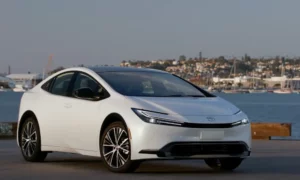
Looking for a fuel-efficient car that won’t leave you stranded? The Toyota Prius might be on your radar, but you’re wondering if it can deliver both impressive MPG and dependability. After all, those complex hybrid systems seem like they could be trouble waiting to happen.
The Prius Reliability Scorecard: How Does It Measure Up?
The numbers tell a compelling story. Toyota Prius reliability scores consistently rank above average across major rating organizations. J.D. Power awards the Prius reliability ratings between 75/100 and 89/100 depending on the model year. Consumer Reports places it among their top 10 most reliable vehicles with a score of 89/100 for recent models.
What does this mean for you? The Prius isn’t just fuel-efficient—it’s built to last.
Lifespan: How Many Miles Can You Expect?
One of the biggest concerns about hybrids is long-term durability. Here’s what real-world data shows:
| Component | Expected Lifespan | Indicators of Problems |
|---|---|---|
| Hybrid Battery | 100,000-200,000 miles (8-10 years) | Decreased fuel economy, battery warnings, sluggish acceleration |
| Engine | 200,000+ miles with proper maintenance | Excess oil consumption, unusual noises, reduced power |
| Transmission | 200,000+ miles (CVT design) | Rough shifting, slipping, delayed engagement |
Many Prius owners report their vehicles reaching 300,000+ miles with regular maintenance and occasional battery servicing.
The Generation Gap: Which Prius Years Shine Brightest?
The Prius has evolved through five generations, each with its own reliability profile:
First Generation (1997-2003): The Pioneer
The original Prius doesn’t get much attention these days, but early adopters discovered surprising durability. These models established Toyota’s hybrid reputation with many exceeding 200,000 miles despite primitive battery technology.
Second Generation (2004-2009): The Breakout Star
This generation made the Prius a household name and brought impressive reliability:
- The 2009 model year scored a remarkable 89/100 from J.D. Power
- Steering column issues prompted an NHTSA investigation affecting 561,000 vehicles
- Battery performance typically remained strong until the 8-10 year mark
The 2007-2009 models are particularly sought after for their blend of modern features and proven reliability.
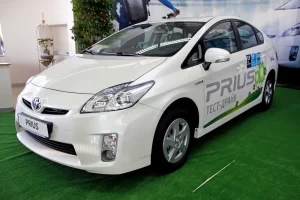
Third Generation (2010-2015): The Mixed Bag
This generation represents the Prius’ toughest reliability period:
- EGR valve clogging in 2010-2014 models led to head gasket failures, with repair costs of $1,500-$3,000
- Brake actuator failures affected over 800,000 vehicles
- Battery overheating issues in hot climates reduced efficiency by up to 20%
The 2015 model year stands out as the most reliable of this generation, with Toyota addressing many previous problems.
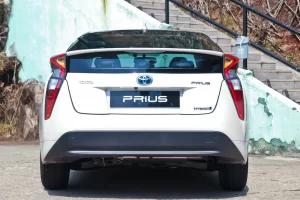
Fourth Generation (2016-2022): The Comeback
Toyota fixed many mechanical issues but introduced new challenges:
- Windshield cracking in 2016-2018 models became a common complaint
- Electrical system shorts in early models affected nearly 200,000 vehicles
- Improved powertrain reliability reduced annual repair costs to $325-$375
The 2019-2022 model years represent the sweet spot for reliability in this generation.
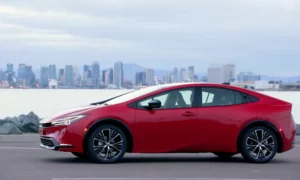
Fifth Generation (2023-Present): The New Kid
The newest Prius offers dramatic styling and performance improvements, but:
- A 2024 recall affects 55,000 vehicles due to rear door latch defects
- Early adopters report favorable reliability ratings (5/5 from many owners)
- Improved lithium-ion batteries and 57 MPG combined efficiency
It’s still too early for definitive reliability assessments, but initial signs are promising.
The Battery Question: Will It Die and Leave You Broke?
The hybrid battery remains the biggest concern for potential Prius buyers. Here’s the reality:
Typical Battery Lifespan
Modern Prius batteries typically last 8-10 years or 100,000-200,000 miles. Toyota’s battery warranty covers 10 years/150,000 miles in states with stricter emissions standards and 8 years/100,000 miles elsewhere.
Replacement Options and Costs
When replacement time comes, you have options:
- New OEM battery: $3,000-$4,500 installed
- Reconditioned battery: $1,200-$2,500 (50-70% of new battery lifespan)
- Cell-by-cell replacement: $700-$1,500 at specialized hybrid shops
Extending Battery Life
Simple practices can maximize your battery’s lifespan:
- Park in shaded areas when possible
- Take weekly 30-minute highway drives to maintain balanced charge cycles
- Replace cooling fans every 60,000 miles to prevent overheating
- Don’t let the car sit unused for extended periods
Common Repairs: What Breaks and How Much It Costs
Beyond the battery, several issues appear across Prius generations:
| Issue | Affected Years | Average Repair Cost |
|---|---|---|
| EGR System Clogging | 2010-2014 | $1,500-$3,000 |
| Brake Actuator Failure | 2010-2015 | $1,800-$2,500 |
| Inverter Coolant Pump | 2010-2015 | $400-$700 |
| Windshield Cracking | 2016-2018 | $1,200-$1,800 |
| Oil Consumption | 2004-2008 | $2,000-$3,500 (if piston rings) |
| Cracked Dashboard | 2004-2009 | $300-$900 |
The annual maintenance cost for a Prius averages $375-$450, significantly lower than the $652 average for all vehicles.
Fuel Efficiency vs. Reliability: Any Trade-offs?
Unlike many fuel-sipping vehicles that sacrifice durability, the Prius largely delivers on both fronts:
- 50+ MPG efficiency translates to $600-$900 annual fuel savings compared to conventional cars
- Strong resale value (65-75% retention after five years)
- Simple mechanical design with fewer moving parts than traditional powertrains
The CVT transmission, often a weak point in other vehicles, has proven remarkably durable in the Prius.
Real Owner Experiences: What’s It Really Like?
Owner reviews on Reddit and other forums consistently highlight:
- Unexpected longevity (“My 2007 Prius just hit 280,000 miles”)
- Low maintenance requirements (“Just oil changes and tires for the first 100,000 miles”)
- Occasional battery replacement as the main significant expense
- Surprising durability in extreme climates
As one owner put it: “It’s not exciting, but it might be the most practical car ever made.”
Best Model Years to Buy (And Which to Avoid)
Most Reliable Prius Years:
- 2009: The refined peak of the second generation
- 2015: After Toyota fixed third-generation issues
- 2019-2022: Mature fourth-generation models with most bugs worked out
Models to Approach With Caution:
- 2010-2013: EGR and head gasket problems make these risky
- 2016-2018: Early fourth-generation models with windshield and electrical issues
- 2023-2024: New generation with typical early-production uncertainties
The Verdict: Is the Prius Actually Reliable?
Yes, Toyota Prius models are generally reliable vehicles when compared to industry averages and even to Toyota’s own high standards. Their reputation for durability is well-earned with a few notable exceptions.
The hybrid battery—often the biggest concern—typically lasts 8-10 years, with replacement options that won’t break the bank. Annual maintenance costs average $375-$450, significantly below the industry average.
For maximum reliability, target the 2009, 2015, or 2019-2022 model years. Avoid 2010-2013 models unless the EGR and head gasket issues have been addressed.
With proper maintenance and occasional battery service, it’s realistic to expect 200,000+ miles from most Prius models—all while enjoying impressive fuel economy and relatively low emissions. That’s a combination that few other vehicles can match.