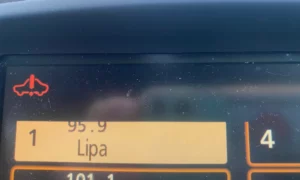
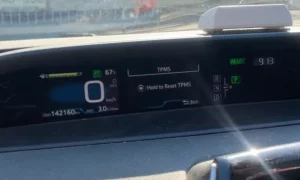
When that dreaded “Check Hybrid System” warning illuminates your Prius dashboard, it doesn’t have to be a moment of panic. Think of it as your Toyota’s way of saying, “Hey, something’s up with my hybrid components.” But what exactly is it telling you, and what should you do next?
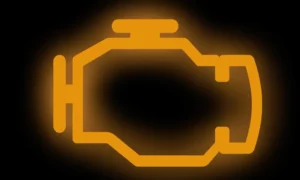
This warning is essentially the hybrid equivalent of a check engine light—a general alert that something within your car’s complex hybrid system needs attention. Let’s break down exactly what this means for your Prius and the steps you should take to get back on the road safely.
Immediate Steps When Your Prius Says “Check Hybrid System”
When that warning light appears, here’s what to do right away:
- Pull over safely and restart your car
Don’t panic, but find a safe spot to stop. Sometimes, a simple system reboot will resolve temporary glitches. Turn your Prius completely off, wait 2-3 minutes, then restart it. - Check for accompanying symptoms
Is your car still driving normally? Is there a red master warning light alongside the hybrid warning? Is the engine revving unusually? These symptoms help determine if it’s safe to continue driving. - Scan for diagnostic codes
Before driving further, get those diagnostic trouble codes (DTCs). You can use an OBD-II scanner with Prius-compatible software like Dr. Prius or have a professional pull the codes. These codes are crucial for pinpointing the specific issue. - Assess driving safety
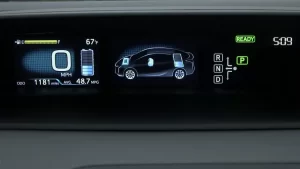
If you also see a red master warning light and the car has poor power or won’t enter “Ready” mode, it’s best to call for a tow. If there’s only the triangle warning and the car feels normal, you might be able to drive home at reduced speeds (under 40 mph) with the A/C off.
Common Causes of the “Check Hybrid System” Warning
Your Prius’s warning can stem from several common issues:
| System Component | Common Symptoms | Typical DTCs | Estimated Repair Cost |
|---|---|---|---|
| 12V Battery Issues | Warning appears then disappears after battery replacement | None or U-codes | $150-$300 |
| Hybrid Battery Problems | Reduced fuel economy, battery charge fluctuations | P0A80, P0A7F, P3011-24 | $1,300-$8,000 depending on new/remanufactured |
| Isolation/Ground Fault | Car won’t start or only in neutral | P0AA6 and sub-codes | $800-$3,000 |
| Inverter Cooling System | Engine revs unexpectedly, limp mode | P0A93, P0A94 | $450-$1,000 |
| Brake Booster/ABS Issues | Hard brake pedal, multiple warning lights | C1259, C1310, U0129 | $1,500-$3,500 |
| HV Battery Cooling Fan | Warning appears during hot weather or climbs | Temperature-related codes | Under $50 if DIY cleaning |
12V Battery Problems
Many Prius owners are surprised to learn that a weak 12V battery can trigger hybrid system warnings. When voltage drops below a certain threshold, the hybrid control system can’t communicate properly with other components.
Signs of a 12V battery issue include:
- Warning appears intermittently
- Multiple electrical glitches
- Warning clears after battery replacement but returns weeks later
The 12V battery in a Prius typically lasts 4-5 years. If yours is older, a voltage drop can trigger false hybrid faults that disappear when the battery is replaced.
Hybrid Battery Degradation
The high-voltage battery is often the culprit behind “Check Hybrid System” warnings, especially in older Prius models. As the battery ages, individual cells can become unbalanced or fail completely.
Typical symptoms include:
- Rapid state-of-charge fluctuations on the dashboard
- Cooling fan runs more frequently
- Reduced fuel economy and power
- Codes like P0A80 (replace hybrid battery pack)
Replacement options range from full dealer replacement ($2,000-$8,000) to remanufactured packs ($1,300-$2,500) with varying warranty periods.
Isolation or Ground Faults
An isolation fault occurs when there’s unwanted electrical contact between the high-voltage system and the vehicle chassis. This is considered a safety issue that can prevent the car from starting.
These faults generally present with:
- Code P0AA6 (Hybrid Battery Voltage System Isolation Fault)
- Car won’t enter ready mode or only works in neutral
- Safety systems activating a lockout for protection
Water intrusion is a common cause, particularly from leaking taillights or clogged drain channels that allow water to reach the battery compartment. When water contacts the battery busbars, it creates a conductive path that triggers isolation faults.
Inverter Cooling System Failures
The inverter converts DC power from the hybrid battery to AC power for the electric motors. This process generates heat, requiring a dedicated cooling system. When this cooling system fails:
- The engine may rev unexpectedly
- The car enters limp mode with reduced power
- Codes P0A93 or P0A94 appear (inverter cooling system issues)
The inverter pump typically fails after 100,000 miles, making it a common problem in older Prius models.
Brake Booster and ABS Issues
The Prius uses a complex regenerative braking system that integrates with the hybrid system. Problems here often trigger multiple warning lights:
- Brake warning light
- ABS light
- Hybrid system warning
- Codes like C1259, C1310, or U0129
Toyota extended the warranty on some model years due to a known issue with the brake booster pump assembly, potentially covering repairs up to 150,000 miles.
How to Properly Diagnose the Warning
Getting accurate diagnostic information is crucial before attempting any repairs:
- Use the right diagnostic tools
Generic code readers often miss hybrid-specific codes. Toyota’s Techstream software or Prius-specific apps like Dr. Prius provide more complete information. - Read all sub-codes
Main codes like P0AA6 often have sub-codes that pinpoint the exact location of the fault within the hybrid system. - Record codes before clearing
Always document the codes before resetting them. Clearing codes without fixing the underlying issue can mask intermittent problems and make diagnosis harder for technicians. - Look for patterns
Does the warning appear only when it’s hot outside? After rain? During hard acceleration? These patterns provide valuable diagnostic clues.
Can You Reset the Warning Yourself?
Yes, you can temporarily clear the warning by:
- Disconnecting the 12V battery’s negative terminal for 1-2 minutes
- Using an OBD-II scanner to clear the codes
However, resetting doesn’t fix the underlying issue. If there’s a real problem with your hybrid system, the warning will return after a few drive cycles. Repeated resets might leave you stranded when a manageable issue becomes a critical failure.
Real-World Repair Scenarios
Scenario 1: 12V Battery Replacement
When a 2013 Prius with 120,000 miles displays intermittent hybrid warnings with no stored codes, the first suspect is the aging 12V battery. After replacement with a proper AGM battery, the warnings disappear completely.
Cost range: $150-$300 including professional installation
Scenario 2: High-Voltage Battery Reconditioning or Replacement
A 2010 Prius shows code P0A80 with declining fuel economy. The battery is showing signs of cell imbalance or degradation. Options include:
- Dealer replacement: $3,500-$4,500
- Remanufactured pack: $1,300-$2,500
- Individual module replacement: $800-$1,500 (but neighboring cells often fail later)
Most remanufactured packs include a 3-year warranty, compared to the dealer’s longer warranty on new packs.
Scenario 3: Water Intrusion and Isolation Faults
After heavy rain, a 2012 Prius displays code P0AA6. Inspection reveals water in the battery compartment from clogged drain channels. The repair process involves:
- Drying the high-voltage components
- Cleaning corroded connectors
- Resealing leak points
- Sometimes replacing damaged modules
Cost range: $800-$3,000 depending on the extent of water damage
Scenario 4: Inverter Cooling Pump Replacement
A 2011 Prius with 130,000 miles shows P0A93 when driving in hot weather. The inverter cooling pump has failed, restricting coolant flow. The repair includes:
- Pump replacement
- System bleeding
- Coolant replacement
Cost range: $450-$1,000 depending on labor rates
Scenario 5: HV Battery Cooling Fan Cleaning
A simple maintenance task that many owners overlook: the hybrid battery cooling fan can become clogged with dust, pet hair, and debris. When this happens:
- Remove the rear seat
- Locate and remove the fan assembly
- Clean thoroughly with compressed air
- Reinstall and test
This DIY task costs practically nothing but can prevent expensive overheating damage to the hybrid battery.
Warranty Considerations
Before paying for repairs, check if your Prius is covered by:
- Federal hybrid component warranty: 8 years/100,000 miles
- CARB state warranty (CA, NY, etc.): 10 years/150,000 miles
- Extended warranty on 2020+ models: 10 years/150,000 miles on the hybrid battery
- Dealer diagnostic fees: Typically $75-$125, often waived if you have the repair done there
Some components like the brake booster have been subject to warranty extensions, so always check with Toyota about your specific VIN.
Preventing Future “Check Hybrid System” Warnings
Preventive maintenance can save you from future hybrid system headaches:
- Monitor your 12V battery health
Have it load-tested annually after 4 years of service - Keep drainage channels clear
Regularly check and clean the hatch drains and taillight seals to prevent water intrusion - Service your hybrid battery cooling system
Vacuum the HV cooling fan every 30,000 miles, especially if you transport pets - Replace the inverter coolant pump proactively
Consider replacement around 120,000 miles, before failure occurs - Protect your hybrid battery
Park in shade when possible and avoid deep discharges to slow NiMH battery aging
When the Light Appears: Drive or Don’t Drive?
If your Prius still enters READY mode and drives normally with just the triangle warning, short trips at reduced speeds are usually safe. However:
- Keep speeds under 40 mph if possible
- Turn off climate control to reduce system load
- Schedule service promptly
- Pull over if you notice any change in performance
If the red master warning appears with the hybrid warning, or if the car won’t enter READY mode, you’ll need a tow. Driving with serious hybrid system faults can damage expensive components or leave you stranded.
The Bottom Line
The “Check Hybrid System” warning on your Prius is a diagnostic starting point, not a diagnosis itself. The key steps are:
- Pull the exact diagnostic codes
- Address the root cause (often battery, pump, or wiring issues)
- Implement preventive measures to avoid recurrence
With proper diagnosis and timely attention, your Prius can quickly return to its legendary reliability and efficiency. Don’t ignore the warning—it’s your car’s way of highlighting issues before they become expensive emergencies.