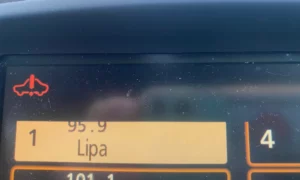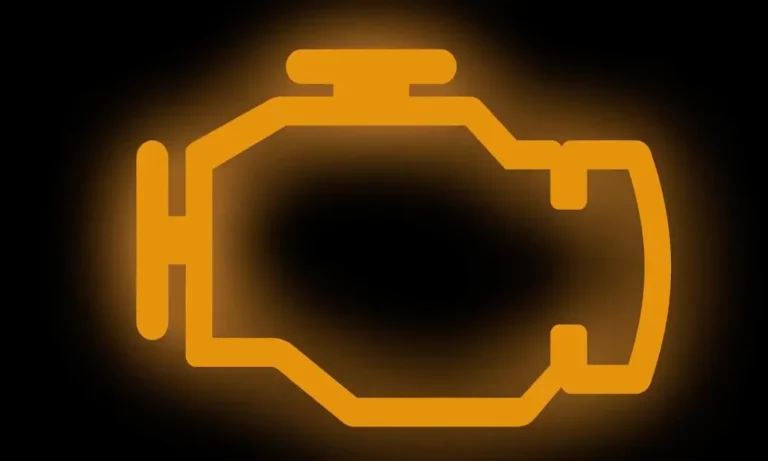
Is your Toyota Prius dashboard suddenly lit up with that dreaded amber warning? Don’t panic! That check engine light doesn’t automatically mean expensive repairs or a tow truck in your future. In fact, the solution might be simpler than you think. Let’s walk through what’s happening, why it matters, and how you can fix it yourself in many cases.
What Does the Prius Check Engine Light Actually Mean?
When your Prius engine light comes on, it’s your car’s computer (the Electronic Control Module) flagging something it can’t automatically fix. Your Prius is actually trying to help by alerting you to a potential issue with the engine or emissions system that needs attention.
Pay attention to how the light appears:
- Steady light: Usually indicates a non-critical issue you should address soon
- Flashing light: Signals a serious problem requiring immediate attention to prevent expensive engine damage
Top 5 Reasons Your Prius Engine Light Is On
1. Your Gas Cap Isn’t Properly Secured
Believe it or not, a loose gas cap is the most common reason for a Prius check engine light! This seemingly minor issue affects your vehicle’s fuel pressure and allows fuel vapors to escape. The emissions monitoring system detects this and triggers the warning light.
The fix: Simply tighten your gas cap until you hear it click. After driving 20-40 miles, the light might reset automatically.
2. Your Mass Air Flow (MAF) Sensor Needs Attention
The MAF sensor measures incoming air to help your engine run efficiently. When it gets dirty or fails, your Prius can experience rough idling, poor acceleration, increased fuel consumption, and even stalling.
This is especially common in Generation 3 Prius models and often triggers these diagnostic codes:
- P0101: MAF sensor range/performance problem
- P0171: System running too lean
The fix: You can clean the MAF sensor with specialized cleaner spray or replace it if cleaning doesn’t solve the issue.
3. Catalytic Converter Issues
Higher-mileage Prius vehicles commonly develop catalytic converter problems, often showing code P0420 (catalytic converter efficiency below threshold). The catalytic converter is crucial for reducing harmful emissions.
The fix: Professional diagnosis is recommended, as replacement might be necessary.
4. Oxygen Sensor Problems
Oxygen sensors monitor your exhaust gases and help your car maintain the optimal fuel-air mixture. When they fail, your Prius can run rich (wasting fuel) or lean (reducing performance).
The fix: Oxygen sensors typically need professional replacement when they fail.
5. Dirty Air Filter
A clogged air filter restricts airflow to your engine, causing performance issues and potentially triggering your check engine light.
The fix: Replacing your air filter is a simple DIY task most Prius owners can handle in minutes.
How to Diagnose Your Prius Engine Light
Step 1: Get the Specific Error Code
The check engine light is just a general warning – to know exactly what’s wrong, you’ll need the specific diagnostic trouble code stored in your Prius’s computer. Here’s how to get it:
Option 1: Use an OBD2 scanner.
The OBD2 port in most Prius models is located below the dashboard on the driver’s side. You have several scanner options:
| Scanner Type | Cost | Pros | Cons |
|---|---|---|---|
| Bluetooth OBD2 adapters | $13-40 | Works with smartphone apps like Dr. Prius | Requires compatible phone |
| Dedicated handheld scanners | $50-300 | More comprehensive diagnostics | Higher cost |
| Auto parts store scanning | Free | No purchase necessary | Requires trip to store |
Option 2: Visit an auto parts store like AutoZone or O’Reilly’s for free code reading.
Step 2: Research Your Specific Code
Once you have the diagnostic code, you can look it up online to understand exactly what’s triggering your Prius engine light. The Toyota owners website and Prius forums like PriusChat are excellent resources.
Try These Simple Fixes First
Before heading to a mechanic, try these potential DIY solutions:
- Check and tighten your gas cap until it clicks
- Replace your air filter if it’s dirty
- Clean the MAF sensor with specialized cleaner spray
- Inspect for obvious vacuum leaks or loose connections
- Look for damaged wiring around sensors
How to Reset Your Prius Engine Light
After fixing the issue, you may want to reset the check engine light. Here are three methods:
Method 1: Battery Disconnect
- Turn off your Prius completely
- Remove the negative battery terminal using a wrench
- Wait 30-60 seconds
- Reconnect the negative terminal
Note: This method will also reset your radio presets and clock settings.
Method 2: OBD2 Scanner Reset
The most reliable method:
- Connect an OBD2 scanner to your Prius’s OBD port
- Turn your vehicle to “Ready” mode
- Navigate through the scanner’s menu to clear diagnostic codes
Method 3: Drive Cycle Reset
For minor issues like a loose gas cap, the light may reset automatically after 20-40 miles of driving once the problem is corrected.
Warning Signs That Need Immediate Professional Attention
Don’t try to DIY if you notice these serious symptoms:
- Your check engine light is flashing (indicating severe engine misfire)
- You’re experiencing significant power loss or rough running
- The light returns quickly after being reset
- Multiple warning lights are illuminated simultaneously
- Your Prius is making unusual noises or emitting strange smells
Preventive Maintenance to Avoid Future Engine Lights
Keep your Prius running smoothly with these preventive measures:
- Always tighten your gas cap properly after refueling
- Replace air filters according to the maintenance schedule
- Use quality fuel from reputable stations
- Consider occasional fuel system cleaning products
- Address small issues before they become big problems
Understanding Prius Engine Codes
Here’s a helpful guide to common Prius check engine light codes:
| Code | Meaning | Possible Causes |
|---|---|---|
| P0171 | System Too Lean | Vacuum leak, dirty MAF sensor, bad oxygen sensor |
| P0420 | Catalytic Converter Efficiency Below Threshold | Failing catalytic converter, exhaust leak |
| P0101 | Mass Air Flow Sensor Range/Performance | Dirty or failing MAF sensor |
| P0440 | Evaporative Emission System Malfunction | Loose gas cap, EVAP system leak |
| P0300 | Random/Multiple Cylinder Misfire | Spark plug issues, ignition coil problems, fuel delivery issues |
Tools Every Prius Owner Should Have
Being prepared can save you time and money. Consider investing in:
- An affordable Bluetooth OBD2 adapter to pair with apps like Torque Pro or Dr. Prius
- A basic toolkit for simple maintenance tasks
- A specialized MAF sensor cleaner spray
- A Prius-specific service manual or subscription to an online repair database
Remember, addressing your Prius engine light promptly not only prevents more expensive problems down the road but also ensures your hybrid maintains its excellent fuel economy and reliability. Many issues are simple fixes you can handle yourself, but don’t hesitate to seek professional help for more complex problems.
Your Prius is designed to run efficiently for hundreds of thousands of miles with proper maintenance. That check engine light is just your car’s way of asking for a little attention!