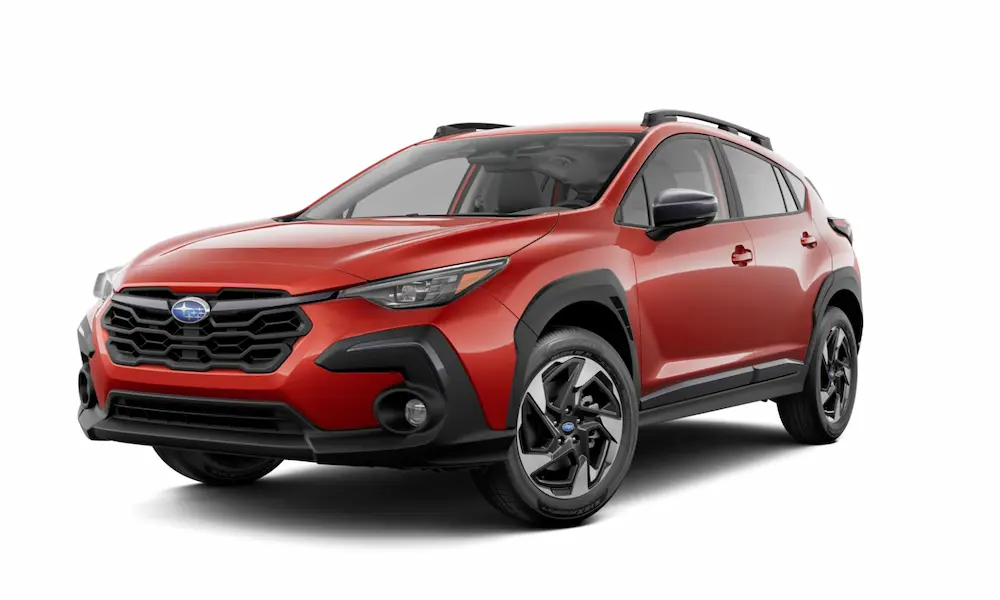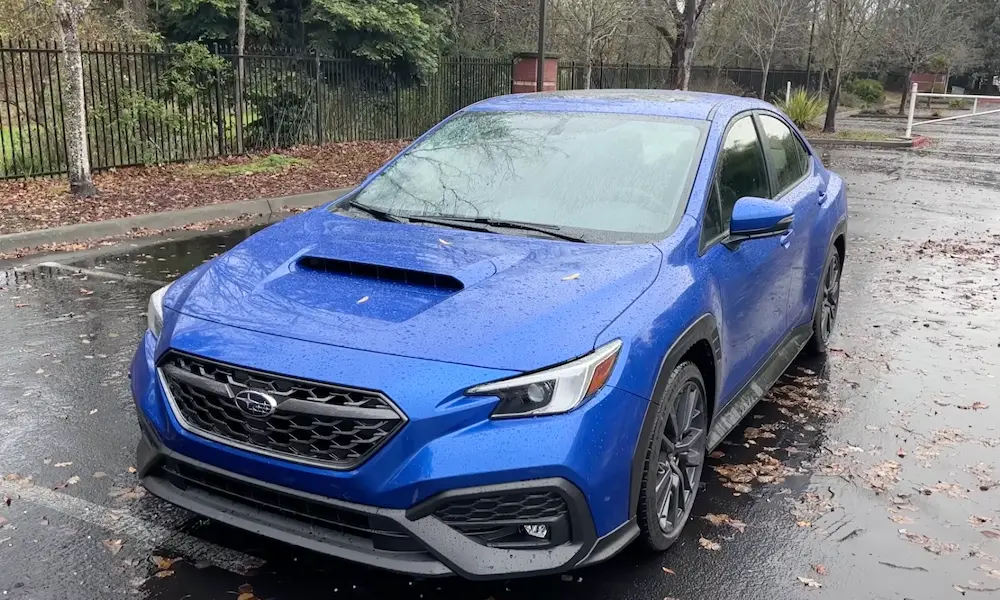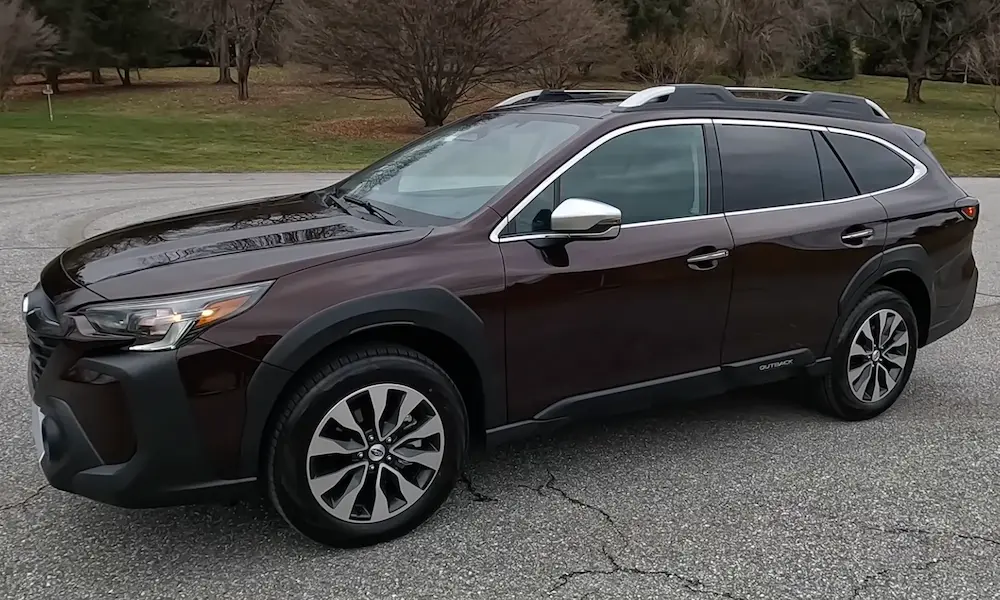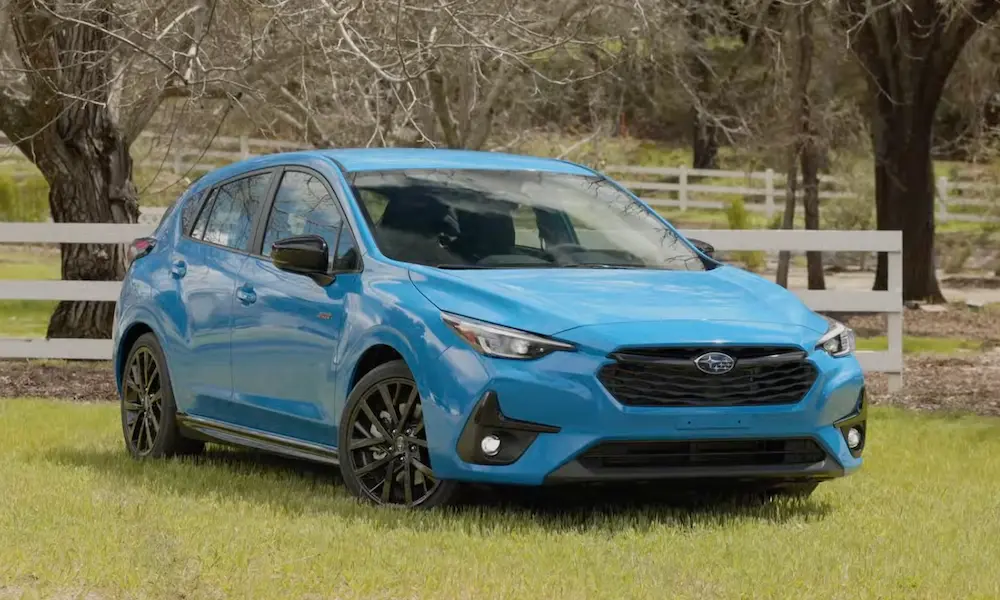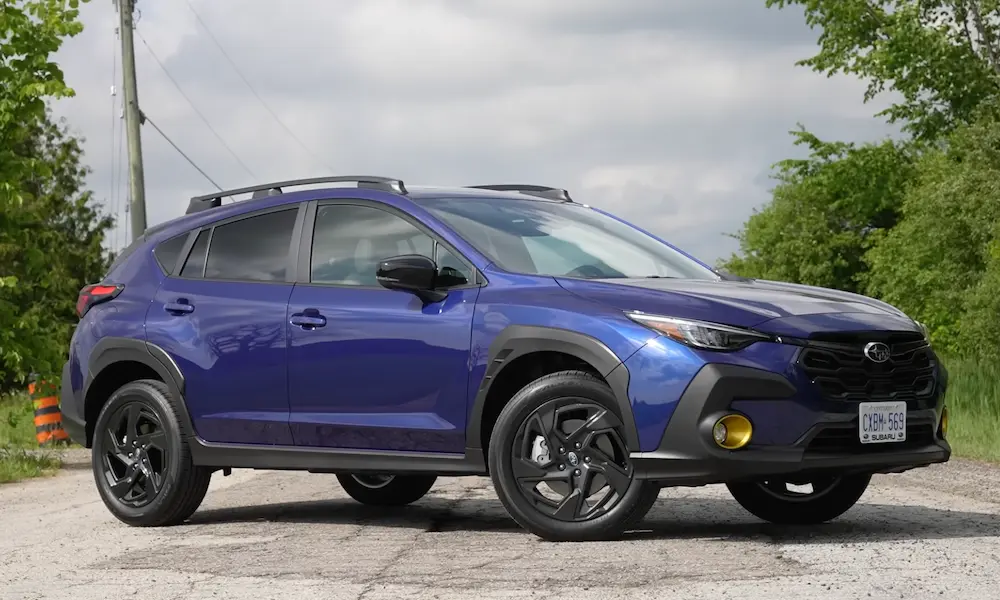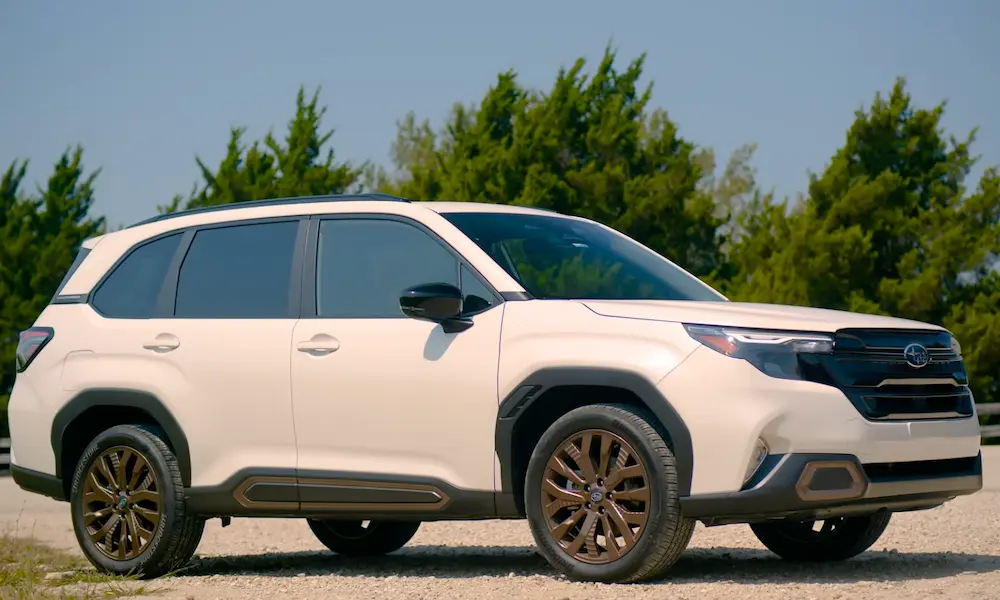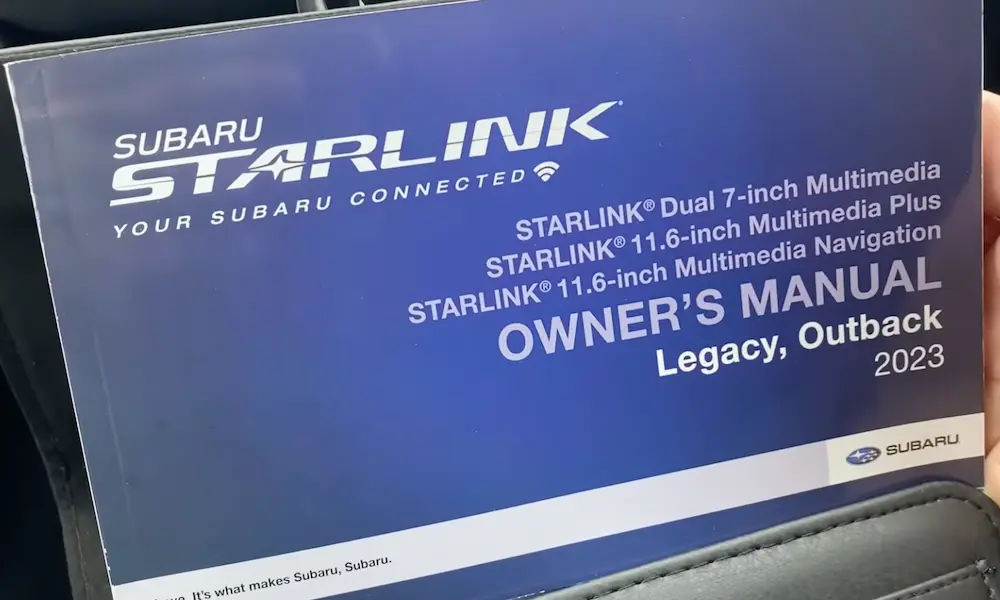
Got a Subaru sitting in your driveway? There’s a good chance it’s affected by one of two major airbag recalls. Don’t panic, but don’t ignore this either. We’ll walk you through everything you need to know to keep you and your passengers safe.
Two Major Subaru Airbag Recalls You Can’t Ignore
Subaru hasn’t just dealt with one airbag issue – they’ve handled two significant recalls that could affect millions of drivers. Understanding which one applies to your vehicle is crucial for your safety.
The first recall involves the infamous Takata airbag inflators that plagued the entire automotive industry. The second is a more recent 2024 recall affecting specific Legacy and Outback models.
Here’s what makes these recalls different from your typical car maintenance issue: airbags are literally life-saving devices. When they don’t work properly, the consequences can be severe.
The Massive Takata Airbag Inflator Recall
Which Subaru Models Are Affected?
The Subaru airbag recall related to Takata inflators affects a wide range of models from 2003 through 2014. We’re talking about:
- Legacy sedans
- Outback wagons
- Impreza hatchbacks and sedans
- Forester SUVs
- Baja pickup trucks
- Tribeca SUVs
- WRX performance cars
- WRX STI models
This recall began rolling out in August 2016 and continues today as part of what became the largest automotive recall in U.S. history.
What’s Wrong with These Airbags?
The Takata inflator’s propellant breaks down over time when exposed to heat and humidity. Think of it like old fireworks that become unstable – except these are sitting directly in front of your passenger.
When the airbag deploys, the degraded propellant can cause the inflator to rupture explosively. Instead of a controlled deployment that saves lives, you get metal fragments shooting through the cabin.
That’s not dramatic language – it’s exactly what has happened in documented cases, leading to serious injuries and deaths.
The Critical Safety Warning
Until you get your Takata inflator replaced, do not let anyone sit in the front passenger seat. This isn’t optional advice – it’s a critical safety measure.
Subaru will replace these inflators free of charge at any authorized dealer. The repair typically takes a few hours, and you should schedule it immediately if your vehicle is affected.
How to Get Your Takata Recall Fixed
Contact Subaru Customer Support at 1-888-575-1382 to schedule your repair. Don’t wait for a convenient time – this is urgent.
The replacement process is straightforward:
- Schedule an appointment with any authorized Subaru dealer
- Bring your vehicle identification documents
- Allow 2-4 hours for the repair
- Walk away with a properly functioning airbag system
The 2024 Occupant Detection Sensor Recall
Recently Affected Models
If you drive a 2020-2022 Subaru Legacy or Outback manufactured between June 16, 2020, and July 12, 2021, pay attention. About 118,723 vehicles need their occupant detection sensors replaced.
This recall is fresh – Subaru issued the first owner notification letters in May 2024.
What’s the Problem This Time?
The occupant detection sensor (ODS) has a faulty capacitor that can crack and let moisture into the circuit board. When this happens, the system can’t tell if someone is sitting in the passenger seat.
The result? Your airbag might stay turned off even when a passenger is present. In a crash, that passenger won’t have airbag protection.
Warning Signs to Watch For
Your dashboard will usually tell you when something’s wrong:
- The SRS (Supplemental Restraint System) warning light comes on
- The “Passenger Airbag OFF” indicator stays illuminated even with someone in the seat
Don’t ignore these warnings. They’re your car’s way of telling you the safety systems aren’t working properly.
Getting the ODS Recall Fixed
Subaru dealers will replace all four front-seat ODS sensors at no cost to you. The catch? Parts availability might delay your repair.
Recall identification numbers:
- Subaru Recall No.: WRA-24
- NHTSA Campaign No.: 24V227
Contact Subaru at 1-844-373-6614 specifically for this ODS recall to schedule your repair as soon as parts become available.
How to Check If Your Subaru Has Open Recalls
Don’t guess whether your vehicle is affected. Here’s how to find out for certain:
| Method | What to Do | Best For |
|---|---|---|
| NHTSA Website | Visit nhtsa.gov/recalls and enter your VIN | Getting official government recall info |
| Subaru Website | Go to subaru.com/recalls and input your VIN | Subaru-specific recall details and scheduling |
| Phone Check | Call 1-888-575-1382 (Takata) or 1-844-373-6614 (ODS) | Speaking directly with Subaru representatives |
Your VIN is that 17-character code you’ll find on your dashboard near the windshield, on your driver’s side door jamb, or on your vehicle registration.
Why These Subaru Airbag Recalls Matter More Than You Think
Airbags reduce the risk of death in frontal crashes by 29% for drivers and 32% for passengers, according to NHTSA safety statistics. When they don’t work properly, you’re essentially driving without one of your vehicle’s most important safety features.
The Takata recall specifically has been linked to at least 27 deaths in the U.S. and hundreds of injuries. These aren’t abstract statistics – they represent real people who thought their airbags would protect them.
The Real-World Impact
Consider what happens in a typical frontal collision:
- Your seatbelt stops your body from flying forward
- The airbag cushions your head and chest from hitting the dashboard or steering wheel
- Together, they distribute crash forces across stronger parts of your body
Remove the airbag from this equation, and your chances of serious injury increase dramatically.
What Happens During the Recall Repair Process
For Takata Inflator Replacement
The repair process is more involved than changing your oil, but it’s still routine for trained technicians:
- Removal: Technicians carefully remove the passenger-side airbag assembly
- Inspection: They inspect the inflator and surrounding components for any damage
- Installation: A new, safe inflator gets installed with updated components
- Testing: The system gets tested to ensure proper operation
- Documentation: Your repair gets recorded in Subaru’s system and with NHTSA
For ODS Sensor Replacement
This repair focuses on the detection system rather than the airbag itself:
- Seat Removal: Front seats get removed to access the sensors
- Sensor Replacement: All four ODS sensors get replaced with improved versions
- Calibration: The new sensors get calibrated to work with your specific vehicle
- Verification: Technicians test the system with different weights to ensure proper operation
Both repairs come with full warranty coverage for the new parts and labor.
The Cost of Ignoring Subaru Airbag Recalls
Financial Consequences
Beyond the obvious safety risks, ignoring recalls can hit your wallet:
- Insurance issues: Some insurers may reduce payouts if you haven’t completed safety recalls
- Resale value: Buyers can check recall status, and open recalls hurt your vehicle’s value
- Liability concerns: If someone gets hurt, you might face legal consequences for not addressing known safety issues
Legal and Insurance Implications
Most states don’t legally require you to complete recalls, but that doesn’t mean you’re off the hook. If an accident occurs and investigators find you ignored a safety recall, you could face:
- Reduced insurance coverage
- Personal injury lawsuits
- Criminal charges in extreme cases
Your auto insurance policy likely includes language about maintaining your vehicle in safe operating condition. Open safety recalls could violate this requirement.
Beyond the Immediate Recalls: Staying Informed
Setting Up Recall Monitoring
Don’t just check once and forget about it. New recalls can be issued at any time:
- NHTSA email alerts: Sign up at nhtsa.gov for automatic recall notifications
- Subaru communications: Keep your contact information updated with Subaru
- Regular VIN checks: Check your VIN every few months for new recalls
Understanding Recall Terminology
When dealing with recalls, you’ll hear specific terms:
- Safety recall: Free repairs for safety-related defects (like these airbag issues)
- Service campaign: Non-safety related improvements (usually free, but not always urgent)
- Technical service bulletin: Information for technicians about known issues (may or may not be free)
What to Do Right After Reading This
Don’t bookmark this article and forget about it. Take action today:
- Find your VIN: It’s on your dashboard, door jamb, or registration documents
- Check recall status: Use the NHTSA or Subaru websites with your VIN
- Call immediately: If you have open recalls, call Subaru to schedule repairs
- Stop using the passenger seat: If you have the Takata recall, keep that seat empty until repairs are complete
- Save important numbers: Store the recall hotline numbers in your phone
Creating Your Action Plan
| If Your Vehicle Has… | Do This First | Then Do This | Timeline |
|---|---|---|---|
| Takata recall | Stop using passenger seat | Call 1-888-575-1382 | Today |
| ODS recall | Watch for warning lights | Call 1-844-373-6614 | This week |
| No open recalls | Save this info for future reference | Check again in 3 months | Ongoing |
The Subaru airbag recall situation isn’t something you can ignore and hope goes away. Whether you’re dealing with the widespread Takata inflator issue or the newer ODS sensor problem, these recalls exist because your safety is at risk.
Getting your recall work done isn’t just about following rules – it’s about making sure your Subaru can protect you and your passengers when it matters most. The repairs are free, the process is straightforward, and the peace of mind is invaluable.
Check your VIN today, make the call if needed, and drive knowing your airbags will work properly when you need them most.