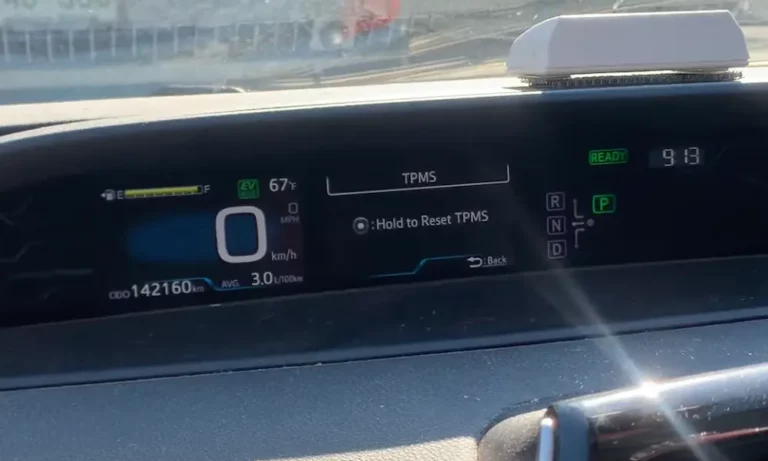
Is your Toyota Prius sitting dead in the driveway? Nothing’s more frustrating than pressing that power button only to hear…nothing. Your high-tech hybrid suddenly feels like a very expensive paperweight.
The good news is that most Prius starting problems have straightforward solutions. Let’s dive into why your Toyota Prius might not be starting and how to get back on the road quickly.
The 12-Volt Battery: The Silent Culprit
When your Toyota Prius won’t start, the 12-volt battery is often the first suspect. Unlike conventional cars, the Prius uses a smaller 12V battery primarily to power electronics and engage the hybrid system.
Signs your 12V battery might be the problem:
- No dashboard lights
- No clicks when pressing the power button
- Dashboard lights appear but quickly fade
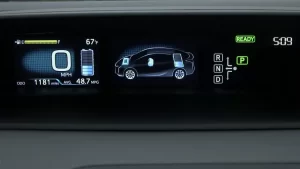
- Car won’t enter READY mode
The Prius 12V battery typically lasts 3-5 years. When voltage drops below 12.4V, starting problems begin. You can test your battery with a multimeter—healthy readings should be between 12.4-12.7V when the car is off.
If your battery tests low, try jump-starting your Prius. This can temporarily get you going, but if the problem returns, it’s time for a new battery. A weak battery is one of the most common reasons for a Prius not starting.
How to Check for Corroded Battery Terminals
Corrosion on battery terminals can prevent electrical flow even when your battery has charge. Look for a white or greenish powdery substance on the terminals. Clean them using:
- A mix of baking soda and water
- A wire brush for scrubbing
- Protective gloves (battery acid can irritate skin)
After cleaning, apply a thin layer of petroleum jelly to prevent future corrosion.
The Crucial AM2 Fuse
Many owners overlook the AM2 fuse when troubleshooting a Toyota Prius not starting. This 15-amp fuse protects the inverter coolant pump circuit, and when blown, it can prevent your Prius from starting.
To check the AM2 fuse:
- Locate the underhood fuse box
- Find the AM2 fuse (check your owner’s manual for the exact location)
- Remove and inspect it for a broken metal strip
- Replace if blown
If the fuse blows again shortly after replacement, you likely have a shorted inverter coolant pump that needs attention. Prius Chat members have reported success after replacing both the AM2 fuse and the pump.
Smart Key Troubles: When Your Prius Doesn’t Recognize You
Modern Prius models use a smart key system that must be detected before the car will start. Key problems can include:
- Dead key fob battery
- Damaged key fob
- Signal interference
- Key not programmed to your vehicle
If your dashboard displays “Key Not Detected,” try these solutions:
- Replace the key fob battery (CR2032 in most models)
- Hold the key fob directly against the START button while pressing it
- Try your spare key fob if available
- Check for nearby electronic devices causing interference
You can usually start your Prius even with a dead key fob battery by touching the Toyota logo on the fob to the power button while pressing it.
The Brake Pedal Switch: A Surprising Starter Blocker
Your Prius won’t start unless it detects that you’re pressing the brake pedal—it’s a safety feature. If the brake pedal switch malfunctions, your car won’t enter READY mode even with a charged battery and working key.
Signs of a faulty brake switch:
- Car won’t start despite lights coming on
- Brake lights don’t illuminate when pedal is pressed
- Inconsistent starting behavior
To test if your brake switch is the issue, press the brake pedal and check if your brake lights come on. No lights means a likely switch problem. This component can be replaced without expensive dealer service in most cases, as demonstrated in this helpful video tutorial.
Shift Position Problems: Stuck in Gear
Your Toyota Prius must be in Park position to start. Sometimes the system doesn’t recognize the shifter position, displaying “Shift to P Position to Start” even when the lever appears to be in Park.
If you see this message:
- Turn the power completely off
- Firmly move the shift lever to Park position
- Ensure all doors are fully closed
- Try starting again
This issue often occurs due to a minor electronic glitch that can be reset by cycling power. If the problem persists, there may be an issue with the park position switch that requires professional diagnosis, as discussed in this instructional video.
Hybrid Inverter and Cooling System Issues
The hybrid inverter is the brain of your Prius’s hybrid system, and it needs proper cooling to function. Problems with the inverter or its cooling system can prevent starting and trigger warning lights.
Warning signs include:
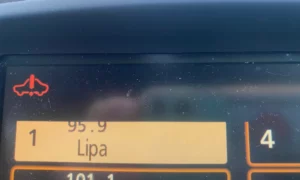
- Red triangle warning light
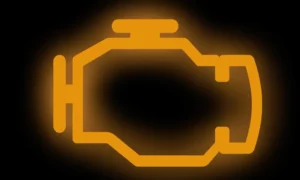
- Check engine light
- Error codes P0A08 or P0A09
- Engine running rough before failure
To check inverter cooling:
- Verify proper coolant level in the inverter reservoir
- With the car running, look for coolant movement/turbulence in the reservoir
- Listen for the inverter pump operation
- Check for coolant leaks around the inverter
If the coolant isn’t circulating, the pump may have failed. As shown in this diagnostic video, pump replacement can often resolve starting issues caused by inverter overheating.
Traditional Engine Problems in Your Hybrid
Even though the Prius is a hybrid, traditional engine problems can still cause starting issues. The gasoline engine must function properly to work with the hybrid system.
Common engine-related no-start causes:
- Faulty crankshaft position sensor
- Fuel pump failure
- Clogged fuel filter
- Ignition system problems
- Fouled spark plugs
Signs of engine-related problems:
- Engine cranks but won’t start
- Starts briefly then dies
- Check engine light is on
- Rough running before failure
The crankshaft position sensor is particularly important—it provides timing data to the engine computer. When it fails, your Prius may crank but won’t start. CarParts.com mentions this sensor as a common culprit in starting problems.
Systematic Troubleshooting: A Step-by-Step Approach
When your Toyota Prius isn’t starting, follow this systematic approach to identify the problem:
| Step | Action | Tools Needed | Expected Result |
|---|---|---|---|
| 1 | Check 12V battery voltage | Multimeter | 12.4-12.7V is healthy |
| 2 | Jump-start if battery is low | Jumper cables | Car should start if battery was the only issue |
| 3 | Inspect and test AM2 fuse | Fuse puller | Fuse should have continuity |
| 4 | Verify brake lights work | Visual inspection | Lights should come on when brake is pressed |
| 5 | Test key fob by holding against power button | None | Car should recognize key when pressed against button |
| 6 | Ensure shifter is firmly in Park | None | No “Shift to P” message should appear |
| 7 | Check for error codes with scanner | OBD-II scanner | Identifies specific system faults |
For more complex issues, especially those involving the hybrid system or engine sensors, consider using an OBD-II scanner to retrieve error codes. These codes can pinpoint specific problems and save you time and money on unnecessary repairs.
| Common Error Code | Meaning | Possible Solution |
|---|---|---|
| P0A80 | Replace Hybrid Battery Pack | Professional battery service required |
| P0A08 | DC/DC Converter Malfunction | Inverter service or replacement |
| P0AFA | Low Hybrid Battery Voltage | May require battery pack service |
| P3000-P3400 | Hybrid system codes | Professional diagnosis recommended |
| P0171 | System Too Lean | Fuel delivery or MAF sensor issues |
When DIY Isn’t Enough
While many Prius starting issues can be resolved at home, some require professional help. The complex integration of hybrid and conventional systems makes certain problems difficult to diagnose without specialized equipment.
Consider professional service if:
- You’ve tried basic troubleshooting with no success
- Multiple warning lights appear on the dashboard
- You get hybrid system warning messages
- The issue returns shortly after fixing it
- You’re uncomfortable working with high-voltage hybrid components
Remember that the Prius contains high-voltage components that can be dangerous. The orange cables and components can carry up to 650 volts. Never attempt to service these parts without proper training and equipment.
Preventing Future Starting Problems
To avoid future starting issues with your Toyota Prius:
- Replace your 12V battery every 3-5 years before it fails
- Keep battery terminals clean and tight
- Follow Toyota’s recommended maintenance schedule
- Address warning lights promptly
- Maintain proper fluid levels, especially coolant
- Keep your key fob battery fresh
- Park in moderate temperatures when possible (extreme heat/cold stresses batteries)
If your Toyota Prius not starting has become a recurring nightmare, don’t despair. With the systematic approach outlined here, you can identify and resolve most problems—and know when it’s time to call for professional help.