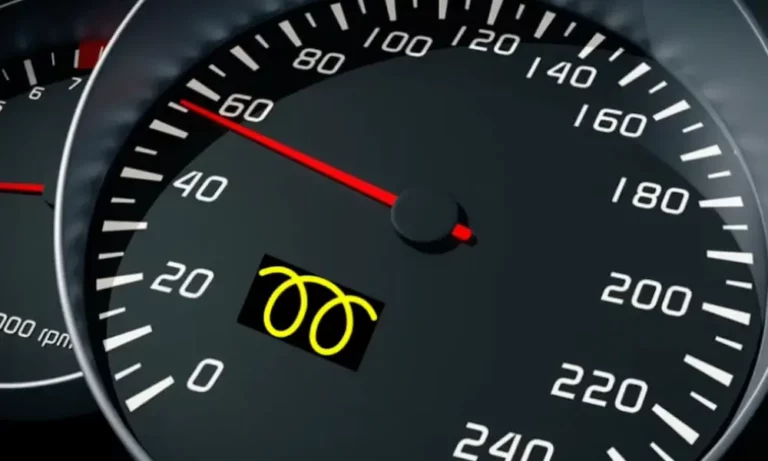
Is your Audi’s glow plug light flashing? That little warning might seem minor, but it’s actually your car’s way of waving a red flag. Don’t panic though – while it demands attention, understanding what’s happening is the first step to getting your Audi back to peak performance. Let’s dive into what this warning means, why it happens, and what you can do about it.
What Does a Flashing Glow Plug Light Actually Mean?
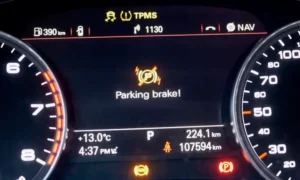
When your Audi’s glow plug light starts flashing, it’s not actually indicating a problem with the glow plugs themselves. Surprise! It’s actually a generic engine management warning light that’s telling you something’s wrong with your engine systems.
Think of it as your Audi’s version of “I don’t feel good” – a general distress signal rather than pointing to a specific problem.
Here’s what happens when this light starts flashing:
- Your car will suddenly lose power
- The engine enters “limp mode” (limited performance to prevent damage)
- You’ll notice reduced acceleration
- Your engine might refuse to rev beyond 2,500 RPM
It’s your car’s way of protecting itself from potential damage while signaling you need to take action.
Common Causes of a Flashing Glow Plug Light
Let’s explore the usual suspects behind this warning light. Knowing these can help you communicate better with your mechanic and potentially save on diagnostic costs.
1. Turbocharger System Problems
Turbocharger issues are among the most common culprits. The P0237 code (Turbocharger Boost Sensor A Circuit Low) frequently appears alongside the flashing glow plug light.
Your turbocharger boost sensor monitors pressure in the intake system. When it fails, your engine management system can’t properly control the turbocharger operation, triggering limp mode and that flashing light.
Signs of turbo system issues include:
- Sudden power loss
- Whistling noises from the engine bay
- Black smoke from the exhaust
- Poor acceleration
2. Diesel Particulate Filter (DPF) Clogs
If you mainly drive short distances or in city traffic, your DPF might be struggling. This filter captures soot from exhaust gases, but it needs regular high-temperature “regeneration” cycles to clean itself out.
A blocked DPF system is a frequent cause of the flashing glow plug light. Without proper regeneration (which happens during longer drives), the DPF becomes overwhelmed with soot, triggering the warning.
3. Brake Light Switch Failures
Here’s one that surprises many Audi owners – your brake light switch could be the culprit. This relatively inexpensive part sends signals to your engine management system, and when it malfunctions, it can trigger the glow plug warning.
The tricky part? Your actual brake lights might still work normally, making this issue easy to overlook during basic troubleshooting.
4. Air Intake System Leaks
Vacuum leaks in your air intake system can trigger fault code P2279 (Intake Air System Leak), causing that glow plug light to flash. These leaks allow unmetered air to enter the engine, disrupting the carefully calibrated air-fuel ratio.
Common spots for leaks include:
- Cracked hoses
- Loose clamps
- Damaged intake manifold gaskets
- Deteriorated vacuum lines
5. EGR Valve Issues
The Exhaust Gas Recirculation (EGR) valve reduces emissions by recirculating some exhaust gas back into the combustion chamber. When it becomes clogged or fails, it affects the emission control systems in your Audi diesel.
An EGR valve problem commonly triggers fault codes that manifest as a flashing glow plug light, particularly in higher-mileage vehicles where carbon buildup is more significant.
6. Mass Air Flow (MAF) Sensor Problems
Your Mass Air Flow sensor measures the amount of air entering the engine. When it provides incorrect readings, the engine management system can’t deliver the right amount of fuel, leading to performance issues and triggering the warning light.
MAF problems often occur after engine cleaning procedures or maintenance where the sensor might have been disturbed or not properly reinstalled.
What to Do When the Glow Plug Light Starts Flashing
When that light starts flashing, here’s what you should do right away:
Immediate Actions
- Stop driving when safe to do so – continuing to drive can cause serious engine damage
- Turn off the engine – give your car a break for a few minutes
- Restart and observe – the light may temporarily clear, but the underlying issue remains
- Drive gently – if you must continue driving, avoid high speeds and hard acceleration
Diagnosing the Problem
Unlike simpler warning lights, a flashing glow plug light requires professional diagnosis with specialized equipment. Here’s why:
The root cause could be any of the issues we’ve discussed, and each requires different solutions. An OBD-II diagnostic scan is essential to identify the specific fault codes triggering the warning light.
Common fault codes associated with this warning include:
- P0237: Turbocharger boost sensor circuit low
- P2279: Intake air system leak
- P0401: EGR flow rate insufficient
- P2002: DPF efficiency below threshold
Solutions for Common Causes
Once you’ve identified the specific issue, here are the typical fixes:
For Turbocharger Issues
Replace the turbocharger boost pressure sensor. This relatively simple fix often resolves P0237 codes and the associated power loss. The part number varies by model, but many A6 models use part number 04L 906 051 K.
| Cost Component | Estimated Price Range |
|---|---|
| Boost sensor | $50-150 |
| Labor | $100-200 |
| Total | $150-350 |
For DPF Problems
If your DPF is clogged, you have several options:
- Perform a forced DPF regeneration using diagnostic equipment
- Take a “regeneration drive” – steady highway speeds (60+ mph) for 15-20 minutes
- For severe clogs, professional DPF cleaning or replacement may be necessary
| DPF Solution | Estimated Cost |
|---|---|
| Forced regeneration | $100-200 |
| DPF cleaning | $300-600 |
| DPF replacement | $1,000-2,500 |
For Brake Switch Issues
Replacing the brake light switch is often an inexpensive fix that resolves the problem immediately. This is typically a job that costs under $100 including parts and labor.
For Air Leaks
To fix intake system leaks:
- Inspect all vacuum hoses and air intake components for cracks or loose connections
- Use a smoke test to identify leak locations
- Replace damaged hoses or gaskets
| Air Leak Repair | Estimated Cost |
|---|---|
| Diagnostic smoke test | $80-150 |
| Hose replacement | $50-200 |
| Gasket replacement | $100-400 |
For EGR Valve Issues
For EGR-related problems:
- Clean the EGR valve if clogged (sometimes possible without replacement)
- Replace the EGR valve if cleaning doesn’t resolve the issue
- Update the engine control module software if recommended
| EGR Repair | Estimated Cost |
|---|---|
| EGR cleaning | $100-200 |
| EGR valve replacement | $300-700 |
| ECM software update | $100-200 |
For MAF Sensor Problems
To address MAF sensor issues:
- Clean the MAF sensor using specialized MAF cleaner spray
- If cleaning doesn’t work, replace the sensor
- Check and repair any wiring issues to the sensor
Preventing Future Glow Plug Light Issues
Want to avoid seeing that flashing light again? Here’s how:
Regular Maintenance Practices
- Highway driving sessions – Take your Audi on a 20+ minute highway drive at least once a week to help the DPF regenerate naturally
- Follow service schedules – Don’t skip or delay scheduled maintenance; diesel engines require particular attention to fuel and air systems
- Use quality diesel fuel – Premium diesel contains additives that help keep your fuel system cleaner
- Change filters regularly – Air, fuel, and oil filters all impact engine performance and emissions systems
- Address minor issues quickly – Small problems can cascade into bigger ones if ignored
The Importance of Professional Diagnosis
While this guide helps you understand what’s happening, diagnosing the specific cause requires specialized equipment. Most auto parts stores offer free OBD-II scanning, but they might not have the advanced tools needed for Audi-specific diagnostics.
The proper diagnostic scan tools can identify precisely which system is triggering the warning. This prevents the “parts cannon” approach (replacing parts hoping to fix the problem), which often costs more in the long run.
When Ignoring the Warning Gets Expensive
That flashing light isn’t just an annoyance – ignoring it can lead to:
- Complete turbocharger failure ($1,500-3,000)
- DPF replacement instead of regeneration ($1,000-2,500)
- Engine damage from improper air-fuel mixture
- Increased emissions and potential testing failures
- Worsening fuel economy
The cost difference between early diagnosis and waiting until components fail completely can be thousands of dollars.
Understanding Your Audi’s Warning System
Audi’s warning light system uses the glow plug indicator differently than many other manufacturers. In normal operation, you’ll see this light briefly during startup as the glow plugs warm the engine. That’s normal and expected.
However, when it starts flashing, the light has shifted roles to become a general engine management warning. This dual-purpose approach can confuse owners who naturally assume a flashing glow plug light means a problem with the actual glow plugs.
Remember: a steady glow plug light during cold starts is normal. A flashing light at any time indicates a problem requiring attention.
Getting Back on the Road
A flashing glow plug light on your Audi is serious, but with prompt attention, most causes can be resolved without enormous expense. The key is addressing it quickly rather than continuing to drive and potentially causing more extensive damage.
With proper diagnosis and repair, your Audi will be back to delivering the performance and reliability you expect – without any flashing warnings on your dashboard.