Ever wondered if your Honda with a CVT transmission will last long enough to justify your investment? You’re about to discover the real-world lifespan of Honda’s continuously variable transmissions, along with practical maintenance tips that could add tens of thousands of miles to your driving experience. Let’s cut through the confusion and get straight to what matters for your Honda’s longevity.
What Is the Average Lifespan of a Honda CVT Transmission?
Honda CVT transmissions typically last between 100,000 to 200,000 miles with proper maintenance. This range isn’t just marketing hype—it’s backed by real-world examples and extensive owner reports.
Many Honda owners have pushed their CVTs well beyond the average, with some units still performing smoothly after 250,000 miles. One particularly impressive case documented a Honda CVT reaching 286,000 miles while still running reliably. These examples represent what’s possible with meticulous maintenance rather than what’s typical.
Here’s a breakdown of what you can realistically expect:
| Maintenance Level | Expected Lifespan |
|---|---|
| Excellent (frequent fluid changes) | 150,000-200,000+ miles |
| Average (following Honda’s schedule) | 100,000-160,000 miles |
| Neglected | 50,000-100,000 miles |
The good news? Honda CVTs typically outperform those from other manufacturers like Nissan, which have faced more widespread reliability issues over the years.
Key Factors That Impact Your Honda CVT’s Longevity
Not all CVTs will reach the upper limits of their potential lifespan. Several critical factors determine whether your transmission will be a long-term companion or an expensive replacement waiting to happen.
Fluid Change Frequency
The single most important factor affecting your Honda CVT’s lifespan is the transmission fluid change schedule. Unlike traditional automatics, CVTs are particularly sensitive to fluid degradation.
While Honda’s official maintenance schedule might suggest changes every 60,000 miles under normal conditions, transmission specialists and experienced Honda owners recommend more frequent intervals:
• Every 30,000-40,000 miles for normal driving conditions
• Every 25,000-30,000 miles for severe driving conditions
• Some mechanics even suggest every 20,000 miles for maximum longevity
One Honda technician with 20+ years of experience noted that most CVT failures they’ve seen were in vehicles where owners strictly followed the factory 60,000+ mile fluid change interval rather than the more conservative recommendations.
Driving Habits and Conditions
Your driving style and environment significantly impact transmission life. The following conditions put extra strain on your CVT:
• Frequent short trips (less than 5 miles)
• Regular stop-and-go traffic
• Driving in temperatures above 90°F
• Towing or hauling heavy loads
• Mountain driving with frequent elevation changes
• Dusty or muddy road conditions
If three or more of these apply to your typical driving pattern, you’re operating under what Honda classifies as “severe conditions,” and should follow the more aggressive maintenance schedule.
Fluid Quality and Type
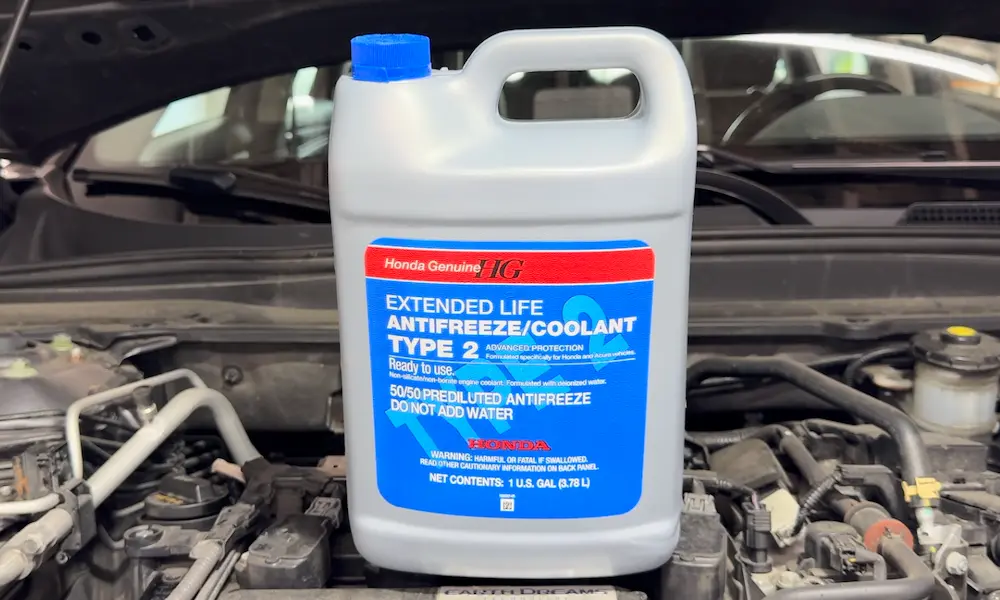
Using the correct transmission fluid is non-negotiable for Honda CVTs. These transmissions require Honda HCF-2 fluid specifically designed for their unique needs.
Using generic CVT fluids or incorrect substitutes can lead to accelerated wear, overheating, and premature failure. Even if it costs a bit more, genuine Honda transmission fluid is cheap insurance compared to a $3,000-$4,000 transmission replacement.
Warning Signs Your Honda CVT Is Failing
Catching problems early can mean the difference between a simple fluid change and a complete transmission replacement. Watch for these warning signs:
Unusual Noises
Pay attention to whining, grinding, or rattling sounds, especially during acceleration. CVTs normally produce a slight whine, but any sudden change or increase in noise level warrants immediate attention.
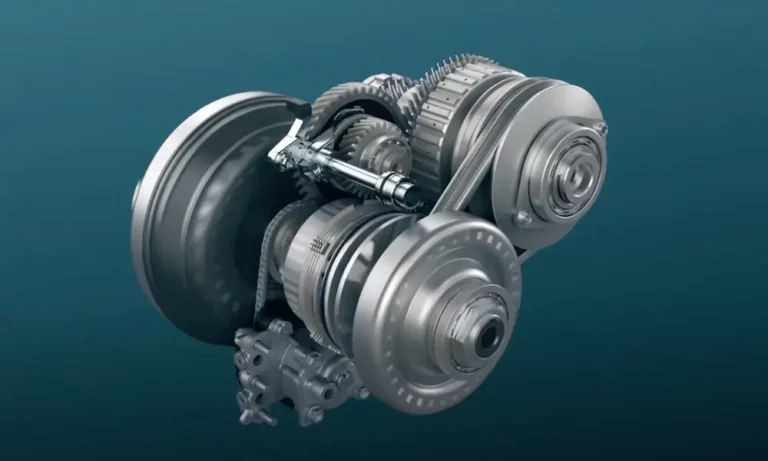
A grinding sound often indicates internal component damage, while rattling might signal problems with the belt or pulleys—the core components of your CVT system.
Performance Issues
Be alert for:
• Delayed response when pressing the accelerator
• Unexpected lurching or jerking during acceleration
• Feeling of slipping or inability to maintain speed
• RPM fluctuations without corresponding speed changes
• Difficulty maintaining highway speeds
These symptoms often appear intermittently at first, making them easy to dismiss. Don’t ignore them—addressing performance issues early can prevent catastrophic failure.
Warning Lights and Error Codes
Modern Hondas have sophisticated monitoring systems that can detect transmission problems before they become obvious to the driver. If your check engine light or transmission warning light illuminates, don’t delay in having it diagnosed.
Common CVT-related trouble codes include P0841, P0846, and P0776, which typically relate to pressure sensor failures or solenoid issues. These relatively minor problems can lead to major damage if ignored.
How Honda’s CVT Warranty Coverage Protects You
Honda stands behind their transmissions with substantial warranty coverage:
• Standard powertrain warranty: 5 years or 60,000 miles
• Extended CVT warranty: For certain 2016-2020 models, Honda extended coverage to 7 years or 150,000 miles due to belt deterioration issues
• Emissions warranty coverage: Up to 8 years or 80,000 miles for certain components
If you purchased a certified pre-owned Honda, you might have additional warranty coverage. Always check your specific warranty documentation, as coverage can vary by model year and purchase date.
Honda’s warranty extension for 2016-2020 models resulted from concerns about premature belt wear. If you own one of these vehicles, check with your dealer to confirm your extended coverage status—this could save you thousands in potential repair costs.
Essential Maintenance Tips to Maximize Your Honda CVT’s Life
Following these practical maintenance tips can significantly extend your transmission’s lifespan:
Prioritize Regular Fluid Changes
Schedule transmission fluid changes based on your actual driving conditions, not just the owner’s manual recommendations. The average cost of a Honda CVT fluid change ($150-$250) is minimal compared to the $3,000+ cost of replacement.
Most Honda technicians agree that being proactive with fluid changes is the most cost-effective insurance against premature failure. One service advisor noted that they’ve never had to replace a CVT in a vehicle where the owner changed the fluid every 30,000 miles.
Manage Transmission Temperature
CVTs are particularly sensitive to overheating, which accelerates fluid breakdown and component wear. To minimize heat-related issues:
• Allow your vehicle to warm up briefly before driving in cold weather
• Avoid aggressive driving, especially rapid acceleration from a stop
• Consider an auxiliary transmission cooler if you regularly tow or drive in severe conditions
• Use the proper driving mode when climbing steep grades (many Honda models have a “Sport” or “L” mode for mountainous terrain)
Every 20°F increase in operating temperature can cut your transmission fluid’s effective life in half, making temperature management crucial for longevity.
Monitor Fluid Condition
Unlike traditional transmission fluid, which turns dark when it degrades, CVT fluid changes are more subtle. Look for:
• Darkening of the normally light red/amber color
• Burning smell
• Tiny metal particles in the fluid
• Changes in fluid consistency
Some Honda owners report using transmission fluid test strips to monitor fluid condition between scheduled services, though a professional evaluation is always more reliable.
How Honda CVTs Compare to Other Transmission Types
Understanding how Honda’s CVT technology stacks up against alternatives gives you important context:
| Transmission Type | Average Lifespan | Maintenance Requirements | Driving Experience |
|---|---|---|---|
| Honda CVT | 100,000-200,000 miles | Moderate (frequent fluid changes) | Smooth, fuel-efficient |
| Traditional Automatic | 150,000-200,000+ miles | Lower (more tolerant of extended service) | Distinct shift points |
| Manual | 200,000+ miles | Low (simple fluid changes) | Driver-controlled shifting |
| Dual-Clutch (DCT) | 100,000-150,000 miles | High (complex system) | Sporty, quick shifts |
Honda’s CVT reliability generally outperforms other CVT manufacturers, though traditional automatics may still have a slight edge in overall longevity. The tradeoff comes in the form of improved fuel efficiency and smoother acceleration with the CVT.
Honda Models Known for CVT Reliability
Not all Honda CVT implementations are created equal. Some models have demonstrated particularly impressive transmission longevity:
• Honda Civic (10th generation, 2016-2021): Despite early concerns, these have proven quite reliable with proper maintenance
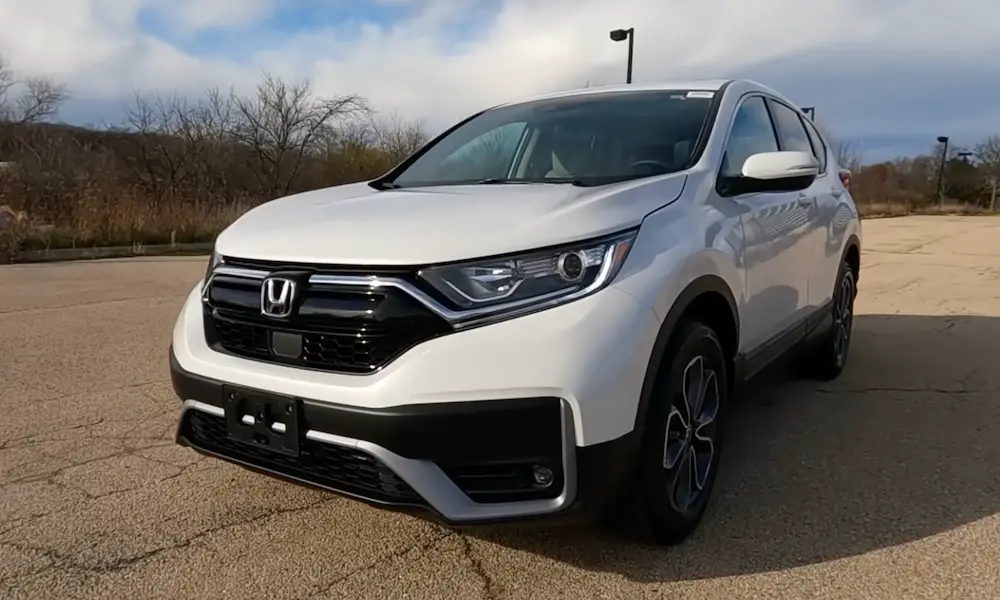
• Honda CR-V (2017+): Consistently strong reliability ratings after initial production hiccups
• Honda Accord (2018+): Among the most durable CVT applications in the Honda lineup
The 2014-2015 Civic and 2015-2016 CR-V experienced more CVT-related complaints than later models, suggesting Honda’s continuous improvement of their CVT technology.
Is a Honda with a CVT a Good Long-Term Investment?
Given what we know about Honda CVT reliability, is purchasing one a smart move for the long haul? The answer largely depends on your driving habits and maintenance discipline.
A Honda with a CVT can be an excellent long-term value if you:
• Commit to more frequent fluid changes than the owner’s manual suggests
• Drive primarily in mild to moderate conditions
• Address minor issues promptly before they escalate
• Plan to keep the vehicle for 5-8 years (within the prime reliability window)
For drivers who prioritize maximum longevity with minimal maintenance, a Honda with a traditional automatic transmission might be a better fit, though you’ll sacrifice some fuel efficiency and smoothness.
The Bottom Line on Honda CVT Longevity
With proper care, your Honda CVT transmission can reliably last 150,000 to 200,000 miles—and potentially much longer. The key is consistent maintenance that goes beyond the minimum factory recommendations.
Remember that transmission fluid changes are significantly cheaper than transmission replacements. Being proactive about maintenance isn’t just good for your car—it’s good for your wallet.
Honda’s CVT technology continues to improve with each generation, with newer models showing better longevity than earlier versions. By understanding the factors that affect your transmission’s lifespan and following the maintenance tips outlined above, you’ll be well-positioned to get the most miles possible from your Honda.