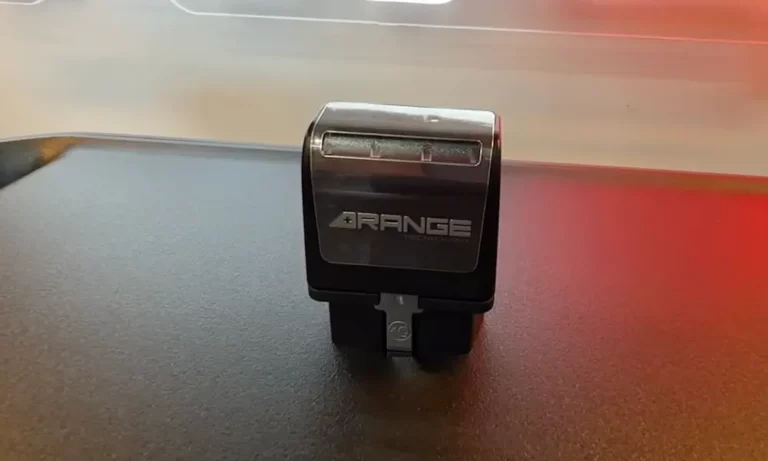
Your GM truck’s fuel-saving technology might be quietly wrecking your engine. Active Fuel Management sounds great on paper, but the reality involves collapsed lifters, destroyed camshafts, and repair bills that’ll make your stomach drop. The best AFM disabler can protect your engine for around $200. Keep reading — this could save you thousands.
What Is AFM and Why Is It Wrecking GM Engines?
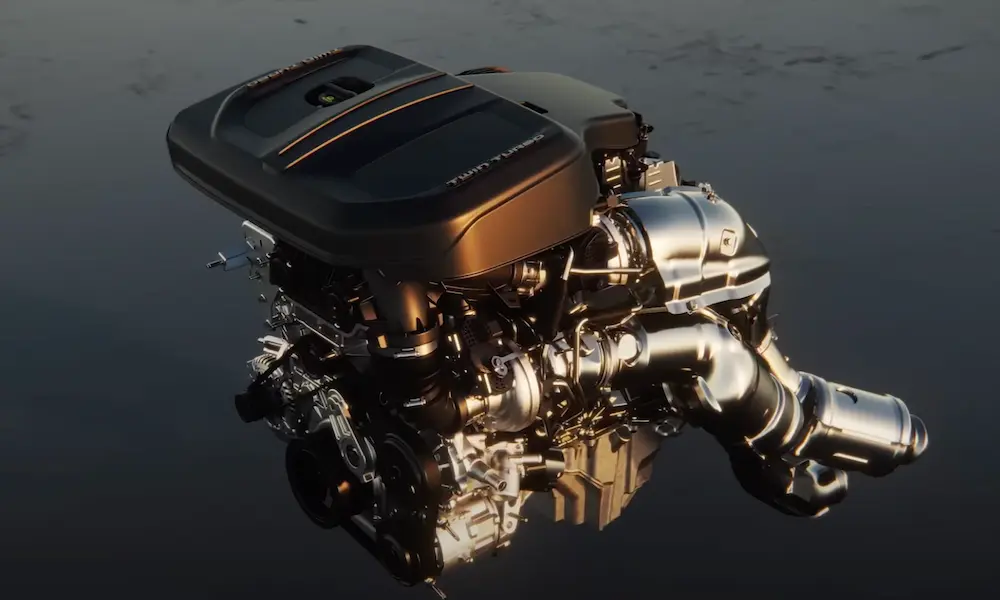
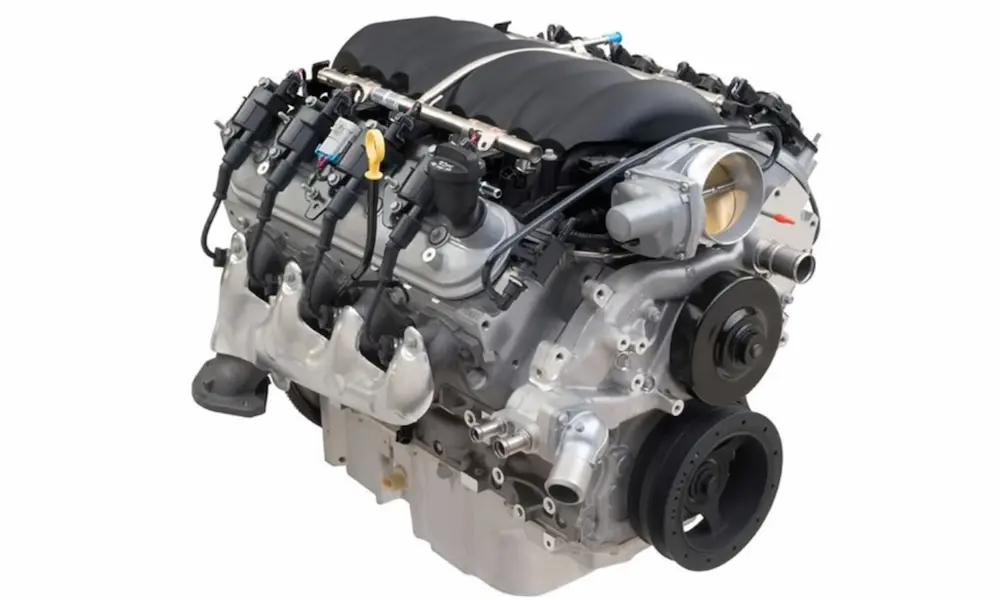
General Motors introduced Active Fuel Management across its V8 truck and SUV lineup in 2007. The idea was simple: during light driving, shut down four of eight cylinders to save fuel. When you need full power again, wake them back up.
The problem? The specialized hydraulic lifters that make this trick possible cycle millions of times over the life of your engine. Each time they collapse and re-expand, tiny components inside take a beating.
Here’s what actually happens when things go wrong:
- The locking pin jams — valves stay shut, engine misfires begin, and you’re staring at a P0300 code
- Partial pin engagement — the lifter beats itself apart internally, grinding metal shavings directly into your camshaft
- Oil consumption spikes — dormant cylinders pool oil around valve seals, which burns off through active cylinders at up to a quart every 1,000 miles
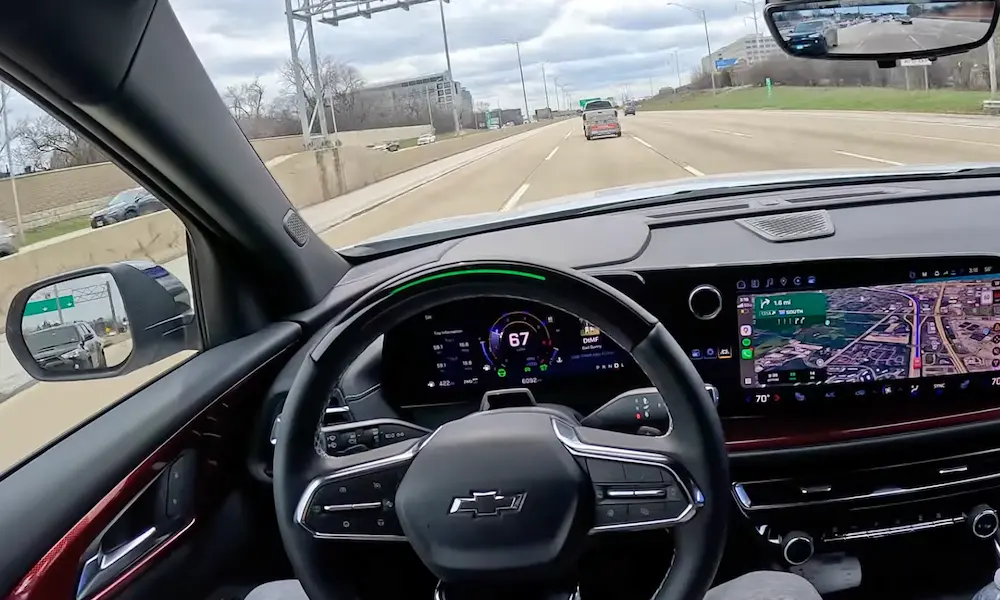
By 2019, GM upgraded to Dynamic Fuel Management, which cycles through 17 different firing patterns instead of just two. More sophisticated, yes — but the same vulnerable lifters are still underneath it all.
How Much Does a Collapsed Lifter Actually Cost?
This is where things get ugly fast. Here’s what real GM dealership repair data looks like:
| Repair Type | Parts Cost | Labor Cost | Total Cost |
|---|---|---|---|
| 8 AFM Lifters (Single Bank) | $400–$800 | $1,500–$2,500 | $2,500–$3,500 |
| All 16 Engine Lifters | $800–$1,200 | $2,000–$3,500 | $3,500–$5,000 |
| Lifters + Damaged Camshaft | $1,500–$2,500 | $2,500–$4,000 | $4,500–$7,000 |
| Complete Engine Replacement | $6,000–$8,000 | $2,000–$4,000 | $8,000–$12,000 |
A premium AFM disabler costs around $200. That math isn’t complicated.
The 3 Ways to Disable AFM (And Which One Actually Makes Sense)
Full Mechanical Delete
This means tearing apart the top half of your engine, swapping all the specialized lifters for standard ones, replacing the Valve Lifter Oil Manifold, sealing oil pathways, and then custom-tuning the ECM. It’s the most permanent solution, but combined parts and labor push well past $3,000. Unless your engine already needs a rebuild, it’s hard to justify.
ECM Software Tuning
Handheld tuners can flash your engine computer to permanently eliminate AFM parameters. It works, but there’s a nasty catch: dealership diagnostic tools immediately detect unauthorized software modifications through flash counters. That means instant warranty denial on a $10,000 engine failure. Plus, if power cuts out mid-flash, you can brick your ECM entirely.
Plug-In OBD2 Disabler Module
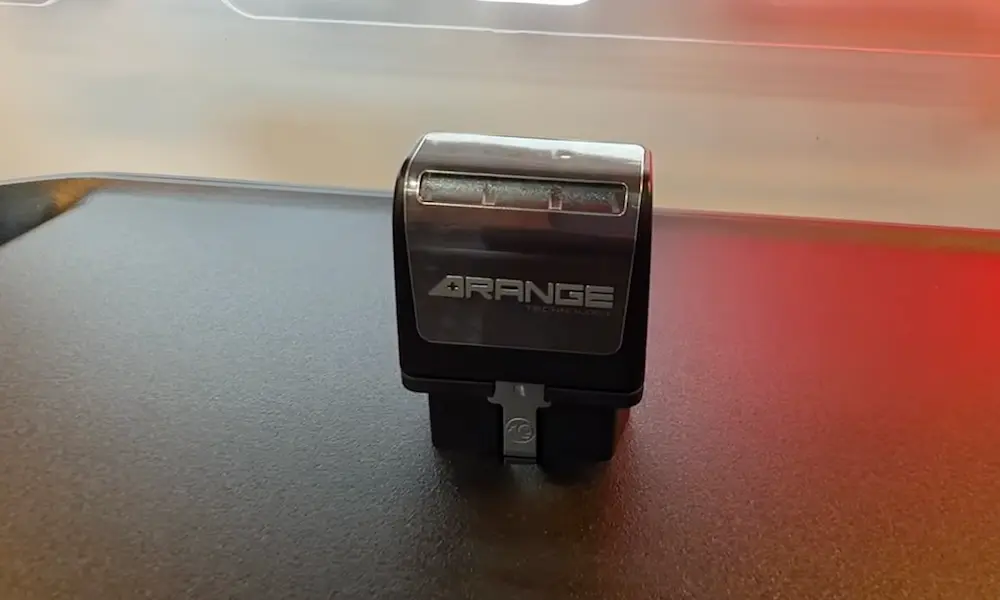
This is the smart play for most owners. These devices plug into your OBD2 port under the steering column — no tools, no wiring, no software. The module broadcasts a continuous command on your vehicle’s CAN bus telling the computer to stay in eight-cylinder mode at all times.
The best part? Unplug it, and your truck has zero memory it ever existed. Your warranty stays completely intact. That’s why plug-in modules dominate this market.
Best AFM Disabler Options: The Full Breakdown
Range Technology RA003B — The Industry Standard
Range Technology essentially invented this product category around 2010. Their RA003B module covers 2007–2021 GM V8 vehicles and remains the benchmark everything else gets measured against.
Why it wins:
- Firmware-stable with zero erroneous error codes
- Advanced sleep mode drops power draw to microampere levels when parked
- Free firmware updates keep it compatible as GM pushes over-the-air software changes
- Retails around $215–$235
Range Technology RA007 — For Newer Trucks and SUVs
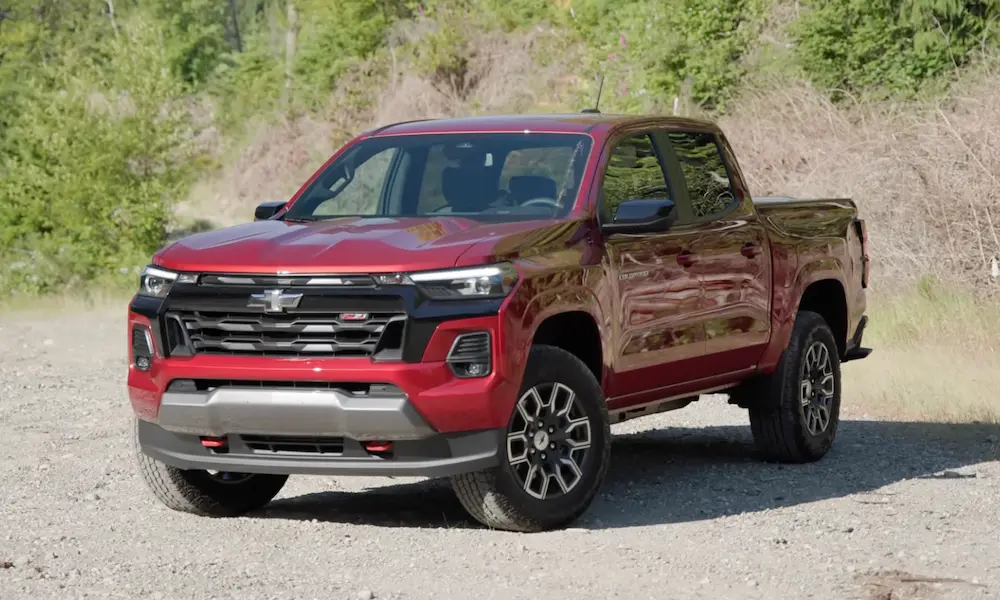
When GM’s refreshed DFM architecture arrived on 2021–2026 SUVs and 2022.5–2026 light-duty trucks, older modules couldn’t override the newer algorithms. Range responded with the RA007, engineered specifically for these complex newer systems. Expect to pay $264–$280 — and it’s worth every dollar if you’re driving a newer rig.
Range AFM Plus — For the Fuel Economy Crowd
Not everyone wants to run eight cylinders 100% of the time. The AFM Plus module works with the factory system rather than against it, optimizing four-cylinder operation so your truck stays in deactivated mode up to 80% of light-load driving. Some users report saving up to 65 gallons of fuel annually. It reintroduces some mechanical risk, but it’s a solid middle ground for high-mileage commuters.
DiabloSport Sprint S1000 — Best for Auto Start/Stop Annoyance
The DiabloSport Sprint Module covers a massive range: 2005–2024 GM trucks, 2010–2024 Camaros, and 2014–2019 C7 Corvettes. It retails between $200–$220.
What makes it stand out? It simultaneously kills the factory Auto Start/Stop system — that annoying feature that shuts your engine off at every red light. If the engine shudder and hesitation when it restarts drives you insane, this device handles both problems at once.
One critical note: DiabloSport explicitly states this device isn’t legal for use on pollution-controlled vehicles in California or CARB-compliant states.
Budget Clones — Proceed With Caution
Brands like EGR Performance, OBDCAR, and ROPODE offer AFM disablers for $40–$90. They generally work on older, pre-2019 engines. But here’s what you’re giving up:
- Outdated firmware that can conflict with newer transmission controllers
- No sleep mode architecture — these devices can drain your battery overnight
- No firmware update support when GM pushes new software
Buy a clone for a high-mileage 2009 Silverado you’re flipping? Maybe. Put it on your daily driver with an active warranty? That’s a gamble.
Pulsar LT — For Total Vehicle Control
The Pulsar LT sits in a different category entirely. It intercepts the engine wiring harness under the hood rather than plugging into the OBD2 port. This lets you disable AFM, kill Auto Start/Stop, recalibrate your speedometer for larger tires, adjust TPMS thresholds, and modify throttle sensitivity — all via your steering wheel buttons and dashboard cluster. It’s a serious investment, but it’s the most comprehensive warranty-safe tuning solution available.
Full Market Comparison
| Device | Tier | Compatibility | Price | Key Feature |
|---|---|---|---|---|
| Range RA003B | Premium | 2007–2021 GM V8 | $215–$235 | Industry standard, firmware updates |
| Range RA007 | Premium | 2022.5–2026 Refresh | $264–$280 | First solution for newer DFM systems |
| DiabloSport Sprint S1000 | Premium | 2005–2024 GM | $200–$220 | Kills AFM + Auto Start/Stop together |
| EGR Performance | Budget | Older 5.3L/6.0L V8 | $89–$95 | Cost-effective for older trucks |
| OBDCAR / ROPODE | Entry | 2007–2018 Basic | $40–$70 | Cheapest entry point, legacy firmware |
What Changes When You Disable AFM?
Throttle Response Gets Noticeably Crisper
With AFM active, your truck needs a moment to wake up dormant cylinders when you accelerate hard. That hesitation is real — the computer must pressurize lifters, reopen valves, reintroduce fuel, and retard timing all at once. Kill AFM and that lag disappears completely. Throttle becomes immediate and linear.
Transmission Hunting and Cabin Shudder Stop
When the engine drops to four cylinders, torque output falls sharply. Your transmission compensates by constantly hunting between gears and unlocking the torque converter. The result is that familiar low-frequency vibration through the seat and floorboards at highway speeds. Maintain eight-cylinder output and the transmission locks up cleanly, holds gear effortlessly, and the shudder vanishes.
Your Exhaust Sounds Like It Should
If you’ve added an aftermarket exhaust system, disabling AFM is non-negotiable. Performance mufflers are tuned acoustically for a consistent V8 firing order. Four-cylinder mode pushes uneven exhaust pulses through the system, creating an intrusive helicopter-like drone inside the cabin. Eight cylinders firing consistently gives you that clean, deep V8 note your exhaust was designed to produce.
Fuel Economy: The Honest Truth
| Driving Condition | MPG Change | What Most Owners Report |
|---|---|---|
| Heavy City Traffic | 0 to -0.5 MPG | 78% notice zero change — AFM barely activates in stop-and-go |
| Highway Cruising | -1 to -2 MPG | Slight measurable reduction in efficiency |
| Mixed Commuting | 0 to -1 MPG | Most consider this an acceptable trade-off |
| Heavy Towing | +1 to +2 MPG | Fuel economy actually improves — all 8 cylinders share the load |
That towing number surprises people. When four overworked cylinders run rich to compensate for deactivated ones, efficiency suffers. Eight cylinders operating within their comfortable power band use fuel more efficiently under load.
Emissions Tests and Warranty — What You Need to Know
How to Pass Your State Emissions Inspection
Modern emissions tests connect directly to your OBD2 port to check readiness monitors — internal self-tests your ECM runs to verify catalytic converter and sensor health. An active disabler module interrupts the bandwidth these tests need, causing a “Not Ready” failure.
The fix is simple:
- Unplug the module completely
- Drive a mixed city/highway cycle for 50–100 miles
- Let the ECM complete its self-tests
- Pass inspection, renew registration
- Reinstall the module until next year
Your Warranty Stays Safe — If You Buy Premium
Because plug-in modules never rewrite your ECM’s base code, they leave no digital footprint. Dealership diagnostic tools find nothing. You can run a premium module for 50,000 miles, unplug it before your service appointment, and your truck looks factory-fresh to every scanner on the shop floor. Software tuners can’t offer this — flash counters reveal unauthorized modifications instantly, voiding powertrain warranty claims on the spot.
California and CARB States
California Air Resources Board requires emissions-related devices to carry an Executive Order exemption number. Most AFM disablers, including the DiabloSport Sprint, don’t carry CARB certification and are technically illegal for use on California-registered vehicles. Check your state’s emissions laws before purchasing.
Battery Drain and Practical Installation Tips
Don’t Leave It Plugged In for Weeks
Premium modules from Range Technology enter deep sleep mode when your ignition cuts off, dropping to microampere-level draw. That’s completely harmless for daily use. But park your truck at the airport for three weeks in January, and even a tiny constant draw can flatten a cold-compromised battery. Unplug the module if the truck sits for more than two weeks.
Budget clone devices frequently lack sleep mode entirely — they can drain your battery in hours, not weeks.
Running Two OBD2 Devices Simultaneously
You can run a disabler alongside a GPS tracker or insurance dongle using a quality OBD2 splitter cable. Premium modules handle this fine as long as the secondary device doesn’t flood the CAN bus with conflicting requests. The splitter also lets you tuck the disabler behind the dash panel permanently, protecting the port connector from wear.
Remote Start Works Perfectly
Premium modules stay completely silent until your key reaches the “Run” position. Your remote start sequence operates entirely unaffected. Start the truck from your kitchen, let it warm up, climb in — the disabler only activates once you’re physically in command of the ignition.
Frequently Asked Questions
Does running eight cylinders constantly wear out the engine faster?
No. Your engine was engineered from the ground up as a V8. Running all eight cylinders continuously puts zero abnormal stress on the crankshaft, rods, or bearings. Cylinder deactivation was added as a secondary efficiency layer — it wasn’t saving the engine from itself.
Can a disabler clear a check engine light from a collapsed lifter?
Absolutely not. A plug-in module is prevention, not medicine. If your engine already has a P0300 misfire code, ticking from the top end, or active oil consumption issues, the physical damage has already happened inside the valvetrain. You need mechanical repair first. After that, a disabler protects the fresh hardware going forward.
What happens when GM pushes an over-the-air software update?
GM occasionally pushes wireless updates that alter CAN bus timing or data structures. When this happens, outdated disabler firmware can stop communicating correctly. Range Technology monitors these updates and releases free firmware patches that you download to your computer and push to the module. Budget devices have no support infrastructure — they become obsolete the moment GM changes something.
Does disabling AFM help transmission fluid temperatures?
Yes, and significantly. When four active cylinders can’t generate enough torque, the torque converter slips continuously to compensate — generating enormous heat. That thermal stress degrades transmission fluid fast and accelerates wear. Locking into eight-cylinder mode keeps the torque converter tightly locked, reduces internal friction, and keeps fluid temperatures stable under load.
Does a plug-in disabler conflict with a supercharger or turbo kit?
It won’t conflict, but it becomes unnecessary. Forced induction installations require complete custom ECM tuning on a dyno. Any competent tuner will eliminate AFM parameters entirely while building the boost tune. Save the $200 for a catch can instead.