That annoying clicking from behind your dashboard? Or maybe one side of your car blows hot while the other stays cold? Your blend door actuator is probably the culprit. Finding it is half the battle. This guide shows you exactly where it hides in your specific vehicle, what it does, and how to confirm it’s actually broken before you start pulling apart your dash.
What Does a Blend Door Actuator Actually Do?
Think of your HVAC system as a mixing faucet. Cold air comes off the evaporator core. Hot air comes off the heater core. The blend door sits between these two sources and pivots to control how much of each gets mixed together before reaching your vents.
The blend door actuator is the small electric motor that moves that door. It receives a command from your climate control module, spins a set of plastic gears, and rotates the door to the exact position needed for your chosen temperature.
Here’s a quick breakdown of the main players inside your HVAC housing:
| Component | What It Does |
|---|---|
| Blend Door | Mixes hot and cold air for temperature control |
| Mode Door | Sends air to floor, dash vents, or defrost |
| Recirculation Door | Chooses between fresh outside air and cabin air |
| Blend Door Actuator | The electric motor that moves the blend door |
Each of these doors has its own actuator. So when your heat works but the airflow won’t leave the floor vents, that’s likely your mode actuator failing, not the blend actuator.
Where Is the Blend Door Actuator Location?
Here’s the honest answer: it depends on your vehicle. But there’s a reliable pattern that covers most cars and trucks on the road.
The actuator mounts directly to the outside of the HVAC housing, which sits smack in the center of your dashboard. That housing doesn’t move, so the actuators are always nearby. Most blend door actuators live behind the glove box, near the center console, or deep in the driver’s footwell.
Single-Zone Vehicles
If your car has one temperature setting for the whole cabin, you’ve got one blend door actuator. It’s usually on the passenger side of the HVAC unit, near the blower motor. Remove the glove box and you’ll often see it immediately. This is the easiest scenario.
Dual-Zone Vehicles
Two-zone systems have two actuators — one for each side of the car.
- Passenger side: Still near the glove box, relatively easy to reach
- Driver side: Tucked behind the instrument panel or center console on the left side of the HVAC housing — much harder to access
| Actuator Type | Where It Sits | How to Access It |
|---|---|---|
| Passenger Blend | Lower right of HVAC case | Remove glove box or lower trim |
| Driver Blend | Center-left of HVAC case | Driver footwell or center stack |
| Mode Control | Upper area of main plenum | Radio or center trim removal |
| Recirculation | Blower motor intake | High on the passenger firewall |
| Rear Blend | Rear auxiliary HVAC module | Rear interior side panels |
Rear Climate Control
Got a third row? Your rear actuators live in a secondary HVAC module, typically tucked behind interior trim panels in the rear quarters or behind the last row of seats.
Blend Door Actuator Location by Vehicle
General rules are helpful. Specific examples are better. Here’s where things get real.
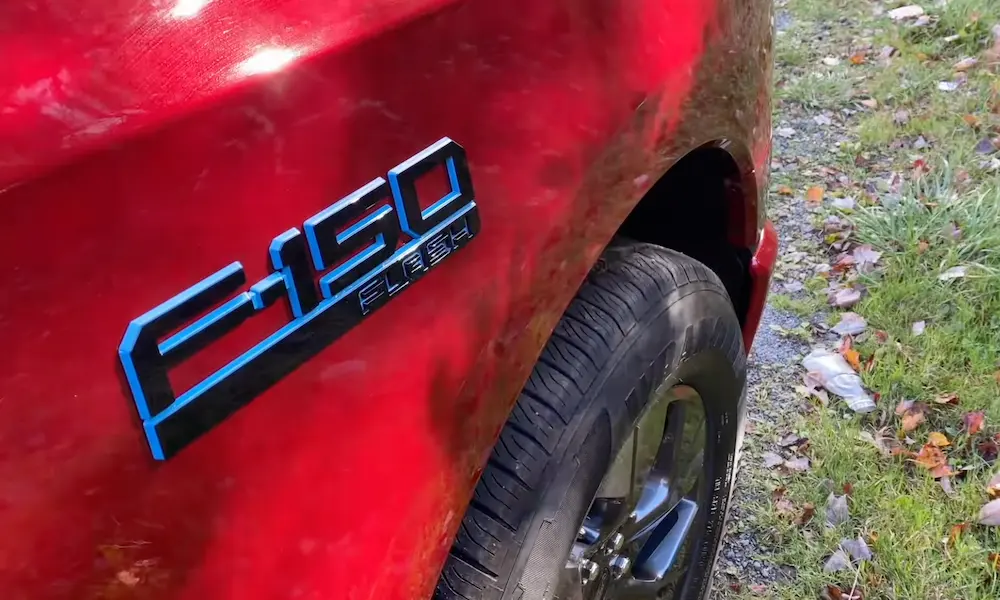
Ford F-150 (2009–Present)
The F-150’s actuator location shifts based on your trim and climate package.
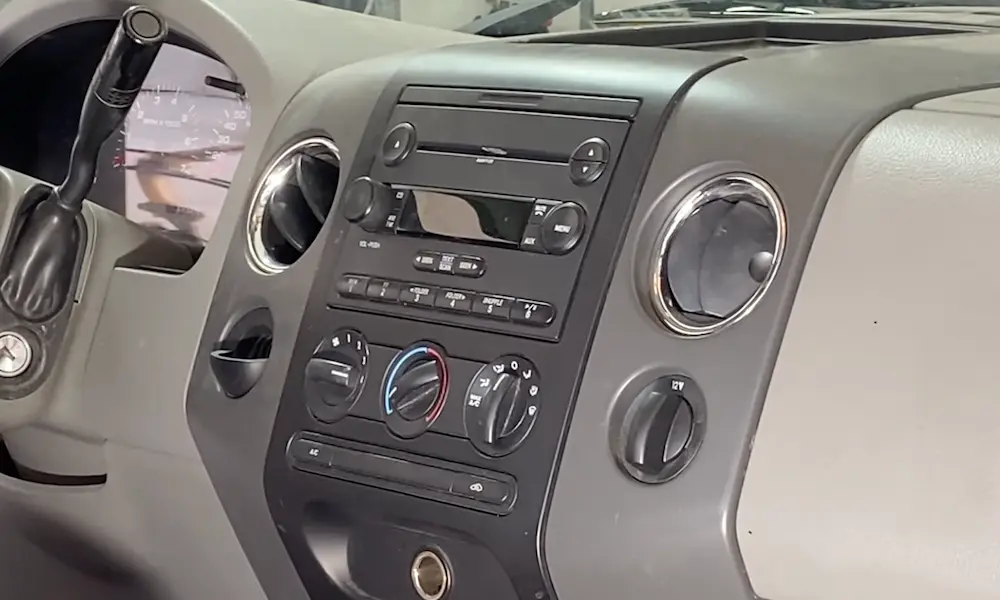
- Manual climate control: One actuator on top of the HVAC housing. You’ll need to pull the center trim and radio to reach it.
- Dual-zone systems: Two actuators. Passenger side stays on top. Driver side drops lower, accessible from the passenger footwell area.
Ford issued technical bulletins covering 2015–2020 F-150 models noting that the driver-side temperature door can bind in its cam mechanism. Fixing that version often means pulling the entire HVAC housing — which requires draining coolant and discharging the A/C refrigerant. Not a weekend job for the faint of heart.
Here are the common F-150 actuator part numbers to know:
| Ford Part Number | Function | Common Failure |
|---|---|---|
| YH1933 | Blend Door Actuator | Stripped gears or motor stall |
| YH1881 | Mode Door Actuator | Clicking when changing airflow direction |
| YH1770 | Air Inlet Actuator | Recirculation failure (hardest to reach) |
Jeep Grand Cherokee & Dodge Durango (2011–2017)
These share a common HVAC architecture, and both have a reputation for chewing through plastic gears.
- Driver side actuator: Behind the lower dash panel on the driver’s side. You’ll need to remove the silencer panel and a metal reinforcement plate. The tight clearance makes a quarter-inch ratcheting wrench with a T-20 Torx bit basically mandatory.
- Passenger side actuator: Behind the glove box. Even with the glove box removed, the top screw is awkward — expect to remove it by feel.
Dodge RAM (2009–2018)
The main blend door actuator sits behind the glove box and is one of the more straightforward replacements on a truck. However, older 2003–2008 RAM models often snap the plastic door axle itself rather than failing at the actuator. In those cases, a repair kit like the Heater Treater system cuts access holes in the plenum and installs metal doors without a full dash removal.
Honda Accord (2003–2017)
Honda’s modular HVAC design makes these relatively DIY-friendly. On the 8th and 9th generation Accord, you can spot the driver-side air mix motor by looking under the dash toward the center stack. Three screws hold it in place. Pull the lower dash cover and you’re there.
Toyota Camry (2002–2006)
The blend door actuator sits on the driver’s side of the HVAC case. A stuck actuator on these models often leaves you with permanent heat or permanent cold. If the motor is mechanically stuck rather than electrically dead, tapping the housing can temporarily free it — but that’s a band-aid, not a fix.
How to Tell Your Blend Door Actuator Is Failing
You don’t need a scan tool to spot the obvious signs. Your car will tell you something’s wrong before you ever open the hood.
Listen for these sounds:
- A rhythmic clicking or ticking from behind the dash, especially when you adjust the temperature
- A tapping noise that changes pitch when you move the temp dial
- Rattling on startup while the system runs its self-test cycle
Watch for these behaviors:
- One side of the cabin stays hot while the other blows cold (dual-zone issue)
- Temperature doesn’t change no matter what you set
- Airflow gets stuck on floor vents and won’t switch to dash or defrost
| Symptom | Likely Cause | How to Verify |
|---|---|---|
| Constant clicking | Stripped gear or broken door stop | Change temp while listening near the dash |
| Temperature mismatch | Stuck door in multi-zone system | Set both zones to full hot, then full cold |
| No temperature change | Failed motor or worn feedback sensor | Check live data: commanded vs. actual position |
| Airflow stays on floor | Mode actuator failure | Cycle through defrost, vent, and floor settings |
| Rattling at startup | Self-test calibration failure | System is hunting for its end stops |
Quick Bench Test
Pull the actuator out and apply 12 volts across the motor pins. Flip the polarity — the motor should reverse direction. If it won’t move or draws too much current, the internal motor has failed. For analog units with three wires, a healthy actuator shows a smooth, linear voltage change as it travels. Erratic jumps or a flat signal means the internal potentiometer is worn out.
How to Reset or Recalibrate After Replacement
Installing a new actuator isn’t always the last step. The climate control module needs to “learn” the door’s range of motion so it doesn’t keep jamming the door into its stops. This calibration is required after battery disconnection, a pulled fuse, or any new actuator install.
Most modern vehicles run an automatic sweep when you turn the ignition on. The module drives every actuator end-to-end, reads the current spike at each stop, and stores those limits. Here’s the manual process if yours doesn’t do it automatically:
| Step | Action | Goal |
|---|---|---|
| 1 | Turn off ignition, pull HVAC fuse or disconnect battery | Power down the module |
| 2 | Wait 30 seconds to 20 minutes | Clear volatile memory |
| 3 | Reinstall fuse or battery, key to “On” (engine off) | Restore power |
| 4 | Don’t touch any controls for 60 seconds | Let the system sweep all doors |
| 5 | Cycle from max hot to max cold and check air temp | Verify the door moves the full range |
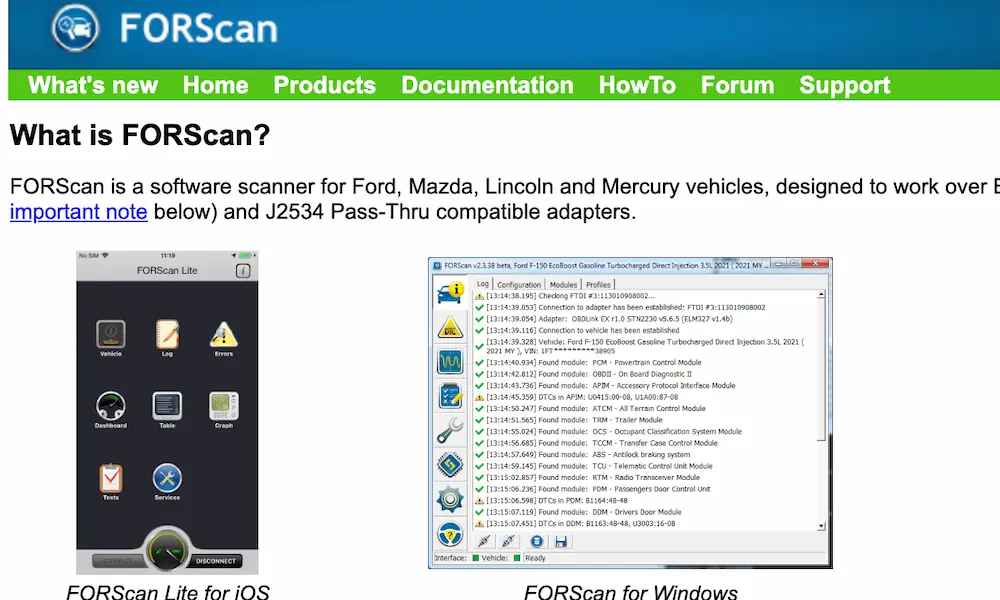
If manual steps don’t work, a bi-directional scan tool connected to the OBD-II port can trigger the recalibration directly through the HVAC module menu.
Tools You’ll Actually Need
The actuator itself is cheap — usually $20 to $80 depending on the vehicle. The labor is what gets expensive, because the workspace is brutal. These tools make the job manageable:
- Quarter-inch drive ratchet — small enough to fit in tight gaps
- Flexible extensions — for screws at awkward angles
- T-15 and T-20 Torx bits — standard for actuator mounting screws
- 7mm, 8mm, and 10mm sockets — for dashboard trim panels
- Plastic trim removal tools — protect your interior panels
- LED headlamp — you cannot see back there without one
Before you disconnect anything, pull the negative battery cable. Especially if you’re working near the steering column or passenger airbag wiring.
One tip worth knowing: if the new actuator’s output shaft doesn’t line up with the blend door hinge, it won’t seat properly. Briefly touch a 9-volt battery to the actuator’s motor pins to rotate the shaft until it matches the door position, then install it.
Blend Door Actuator Location in EVs and Hybrids
Electric and hybrid vehicles don’t use engine coolant to heat the cabin the same way. Many use high-voltage PTC heaters or heat pump systems instead. In these setups, precise blend door positioning matters even more — sloppy mixing wastes energy and cuts into your driving range.
These vehicles also lean heavily on smart actuators running on a LIN bus. A standard multimeter won’t read their feedback signal. You’ll need a scan tool to pull digital position data and fault codes directly from the actuator itself.