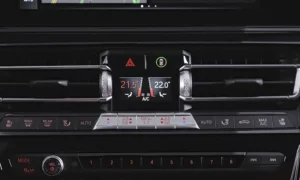
Is your BMW 1 Series blasting warm air instead of the cool relief you need? Nothing ruins a summer drive faster than a malfunctioning AC. The good news? Most BMW air conditioning issues have straightforward causes you can identify before heading to a mechanic. Let’s dive into why your BMW 1 Series air conditioning isn’t working and how to get it back to peak performance.
The Most Common Culprit: Low Refrigerant Levels
When your BMW 1 Series air conditioning stops working, refrigerant leaks are typically to blame. Without enough refrigerant (sometimes called Freon), your AC system can’t properly cool the air.
How to Spot a Refrigerant Issue
- AC clutch never engages
- Warm or room-temperature air from vents
- System sometimes works but then stops cooling
Refrigerant leaks happen at connection points, hoses, or components like the condenser and evaporator. A leaky system causes pressure to drop below the threshold needed for the compressor to engage. Your BMW’s computer is smart enough to prevent the compressor from running when refrigerant is low to avoid damage.
To check if this is your issue, connect manifold gauges to the Schrader ports (usually found under the plastic cabin filter cover). If readings are below 40 psi on the low side, you’ve likely got a leak.
Fixing Refrigerant Problems
- Find the leak using UV dye or electronic leak detectors
- Repair the damaged component or connection
- Vacuum-purge the system to remove moisture
- Recharge with the correct amount of refrigerant
Remember: Adding refrigerant without fixing leaks is just a temporary solution that’s bad for your wallet and the environment.
Compressor Issues: The Heart of Your AC System
If refrigerant levels check out but you’re still without cool air, your compressor or its clutch might be the culprit.
Signs of Compressor Problems
- The clutch doesn’t engage when the AC is turned on
- Unusual noises when the AC is running
- Compressor pulley spins but the clutch plate doesn’t move
The compressor is essentially the heart of your AC system, pumping refrigerant through the entire setup. When it fails, cooling stops completely.
To test if the compressor clutch is receiving power, you can bridge 12V directly to the compressor clutch connector. If the clutch engages with direct power but not through normal controls, you have an electrical issue. If it doesn’t engage at all, the clutch or compressor likely needs replacement.
Electrical Gremlins: Fuses, Relays, and Control Modules
Electrical issues can mimic mechanical failures and are often easier and cheaper to fix.
Common Electrical Problems
- Blown fuses
- Faulty relays
- Damaged wiring
- Malfunctioning HVAC control module
Check your BMW 1 Series owner’s manual for fuse box locations. The AC system typically has multiple fuses and relays—one for the compressor clutch and another for the control module. A simple fuse replacement might be all you need.
If the fuses are good, inspect the HVAC control module for signs of damage. These electronic components can fail over time, preventing signals from reaching the compressor even when you’ve pressed the AC button.
Pressure Switch Problems: False Signals
Your BMW’s AC system uses pressure switches to monitor refrigerant levels and protect the compressor.
How Pressure Switches Affect AC Function
- They monitor system pressure
- Prevent compressor operation if pressure is too high or too low
- Can fail and send false readings to the computer
When a pressure switch fails, it might incorrectly report low pressure to the computer, stopping the compressor from engaging even when refrigerant levels are fine. Testing these switches requires a multimeter to check for proper continuity.
Replacing a defective pressure switch is relatively straightforward and doesn’t require discharging the entire system in most cases.
Airflow Obstructions: When Cold Air Can’t Reach You
Sometimes the AC system actually works fine, but you don’t feel the results due to airflow restrictions.
Common Airflow Issues
- Clogged cabin air filter
- Blocked evaporator
- Debris in the fresh air intake vents
- Fan motor problems
A dirty cabin air filter is surprisingly common and easy to fix. Located typically behind the glove box in the BMW 1 Series, it should be replaced every 15,000-30,000 miles depending on your driving environment. A clogged filter restricts airflow, making your AC feel weak or ineffective.
Check the cabin filter condition and replace it if it’s dirty. While you’re at it, ensure nothing is blocking the fresh air intake (usually at the base of the windshield).
Condenser and Cooling Fan Failures
The condenser sits at the front of your car behind the grille and works like a radiator for your AC system.
Condenser-Related Problems
- Physical damage from road debris
- Internal clogging
- Cooling fan malfunction
When the condenser can’t properly disperse heat, your AC system won’t cool efficiently. Similarly, if the cooling fans aren’t running, the system might shut down to prevent overheating.
Inspect the condenser for debris, bent fins, or signs of damage. Make sure the cooling fans activate when the AC is running. If they don’t, check their fuses and relays before assuming the fans themselves have failed.
Evaporator Core Issues: The Hidden Culprit
The evaporator core lives buried deep inside your dashboard and can develop problems that are difficult to diagnose.
Evaporator Core Symptoms
- Intermittent cooling
- Water or moisture inside the vehicle
- Sweet smell from the vents (coolant leak)
- AC works briefly then stops cooling
An evaporator core leak allows refrigerant to escape inside your vehicle’s HVAC system. Because of its location, replacing the evaporator is one of the more labor-intensive AC repairs, often requiring dash removal.
Comprehensive Troubleshooting Approach
Follow this step-by-step process to diagnose your BMW 1 Series air conditioning issues:
- Verify basic operation: Check that all controls work properly and you can hear the blower motor running
- Check refrigerant pressure: Connect gauges to determine if pressure is within BMW specs (typically 75-80 psi on low side at idle in warm weather)
- Inspect for visible leaks: Look for oil residue around connections, components, or pooling beneath the vehicle
- Test electrical components: Check fuses, relays, and verify power is reaching the compressor clutch
- Examine airflow components: Replace the cabin filter and ensure vents aren’t blocked
- Look for condenser damage: Inspect the front of the car for debris or damage to the condenser
| Component | What to Check | Common Fix |
|---|---|---|
| Refrigerant System | Pressure readings, visible leaks | Repair leaks, vacuum, and recharge |
| Compressor | Clutch engagement, unusual noises | Replace clutch or entire compressor |
| Electrical System | Fuses, relays, wiring integrity | Replace blown fuses or damaged components |
| Pressure Switches | Continuity and proper readings | Replace faulty switches |
| Airflow System | Filter condition, blower operation | Replace filter, repair blower motor |
| Condenser | Physical condition, cooling fan operation | Clean or replace condenser, repair fans |
DIY or Professional Repair?
Some AC issues on your BMW 1 Series are DIY-friendly:
- Replacing fuses and relays
- Changing the cabin air filter
- Adding UV dye to detect leaks
- Testing basic electrical connections
Others require specialized tools and expertise:
- Refrigerant handling (legally requires certification)
- Compressor replacement
- Evaporator core replacement
- Advanced electrical diagnostics
Preventative Maintenance for Your BMW AC
Keep your BMW 1 Series air conditioning running smoothly with these preventative measures:
Regular Maintenance Tasks
- Run the AC for at least 10 minutes weekly (even in winter)
- Replace the cabin air filter annually or every 15,000 miles
- Have the system inspected for leaks during regular service
- Keep the condenser clear of debris
- Address strange noises or weak cooling immediately
By using these preventative maintenance tips, you’ll extend the life of your BMW’s AC system and avoid uncomfortable surprises during hot weather.
The Cost Factor: What to Expect
Repair costs for your BMW 1 Series air conditioning will vary based on the underlying issue:
- Simple refrigerant recharge: $150-300
- Pressure switch replacement: $150-300
- Compressor replacement: $800-1,500
- Evaporator core replacement: $1,000-2,000+
These prices reflect both parts and labor, with dealer services typically costing 30-50% more than independent BMW specialists. Consider getting multiple quotes, especially for major repairs.
Understanding Your BMW AC System
The BMW 1 Series uses a complex climate control system with multiple components:
- Compressor: Pressurizes and circulates refrigerant
- Condenser: Releases heat from compressed refrigerant
- Expansion valve: Controls refrigerant flow to the evaporator
- Evaporator: Absorbs heat from cabin air
- Drier/receiver: Removes moisture and filters the refrigerant
- Control module: Manages the entire system based on inputs
When one component fails, it often affects the entire system. That’s why proper diagnosis is crucial before replacing parts.
BMW 1 Series models produced after 2012 use R1234yf refrigerant instead of the older R134a. Make sure you or your mechanic use the correct type for your model year, as mixing them can cause system damage.
By understanding the common causes of BMW 1 Series air conditioning problems and following this troubleshooting guide, you’ll be better equipped to address issues quickly and get back to enjoying a comfortable drive, no matter the weather outside.