Your BMW seems to be running perfectly fine, yet that amber engine light on your dashboard keeps glaring at you. Frustrating, isn’t it? This mysterious situation happens more often than you might think with BMW vehicles. Let’s uncover why your BMW might be crying wolf and what you can do about it without unnecessary trips to the dealership.
Why BMW Check Engine Lights Illuminate When Everything Seems Fine
That check engine light (or Service Engine Soon light) isn’t monitoring your engine’s overall health—it’s specifically watching your emissions system. This is why your BMW can run smoothly even when the light says otherwise.
Sensor Overload: The Most Common Culprit
BMWs pack more sensors than most vehicles, and these electronic watchdogs can sometimes be too sensitive. Here’s what might be happening:
- Oxygen sensor hiccups: These sensors monitor your exhaust gases and can trigger warnings even when your engine purrs like a kitten. They’re notorious for causing false alarms in BMWs.
- Mass airflow sensor (MAF): This measures air entering your engine and can throw a fit if it detects even minor airflow variations.
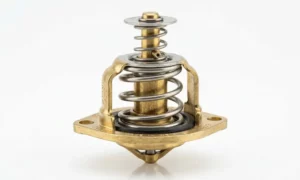
- Temperature sensor drama: When these get moody, they send incorrect readings to your car’s computer.
A faulty sensor doesn’t always impact performance, but your BMW’s computer still flags it as a problem worth your attention.
The Gas Cap Connection
Something as trivial as a loose gas cap can trigger your check engine light. BMWs have a particularly sensitive evaporative emissions system that detects even minor vapor leaks.
Try this simple fix: pull over safely, tighten your gas cap until it clicks, and drive for about 20-40 miles. The light often disappears on its own if this was the culprit.
Electrical Gremlins and False Alarms
BMWs are rolling computers, and like all electronic systems, they experience glitches:
- Momentary voltage fluctuations can trigger false codes
- Software hiccups happen even in the most sophisticated systems
- Battery health issues create cascading electronic quirks
These electronic phantoms often resolve themselves, which is why your light might mysteriously vanish after a few days.
BMW-Specific Issues That Trigger Phantom Warnings
Active Grille Shutters: A Common BMW Quirk
BMW’s fancy active grille shutters—those movable flaps in your kidney grille and lower air dam—commonly trigger check engine lights when they’re not operating correctly. The system might detect a positioning error even when there’s no impact on performance.
This issue is particularly common in newer BMW models with aerodynamic features designed to improve fuel efficiency.
Emissions Components With Attitude
Several BMW-specific emissions components frequently cause false alarms:
| Component | What It Does | How It Causes False Alarms |
|---|---|---|
| Tank Vent Valve | Manages fuel system pressure | Gets stuck or operates sluggishly |
| EGR System | Recirculates exhaust gas | Valves stick or sensors misread |
| Catalytic Converter | Reduces emissions | Internal degradation without performance symptoms |
These components often trigger warnings well before you’d notice any drivability issues.
What To Do When Your BMW’s Engine Light Comes On But Drives Fine
Quick DIY Checks
Before panicking about repair bills:
- Check your gas cap: Ensure it’s tight and the rubber seal isn’t cracked.
- Watch your driving habits: Note if the light appears after refueling or under specific conditions (cold mornings, highway speeds, etc.).
- Monitor other symptoms: Pay attention to subtle changes in fuel economy, starting behavior, or acceleration.
Decode the Mystery With Diagnostics
Even when your BMW drives perfectly, reading those diagnostic trouble codes (DTCs) is crucial:
- Use a basic OBD-II scanner from an auto parts store (many offer free scanning)
- Try BMW-specific apps like BimmerLink that offer deeper insight into BMW’s complex systems
- Consider a professional-grade BMW scanner if you’re a DIY enthusiast
The codes remain stored even after the light disappears, giving you valuable clues about what’s happening.
Understanding Self-Healing Warnings
Your BMW’s check engine light might turn itself off if:
- The problem was temporary and resolved itself
- The issue only happens under specific conditions
- The system completed several successful drive cycles without detecting the fault again
Even when the light goes out, your BMW keeps a record of these codes for up to 255 engine cycles. Think of it as your car keeping receipts of past problems.
Resetting the Light: When and How
The Battery Disconnect Method
You can manually reset your check engine light by:
- Disconnecting both battery terminals (usually requires a 10mm wrench)
- Touching the disconnected cable ends together briefly (not to the battery) to discharge the system
- Reconnecting everything after 15 minutes
Just remember—this only clears the light temporarily if an actual problem exists. The warning will return once the issue is detected again.
Professional Reset Options
For a more thorough approach, professional diagnostic equipment can:
- Clear specific fault codes without affecting other systems
- Run tests to verify the problem is truly resolved
- Reset readiness monitors properly
This is particularly important if you need to pass emissions testing soon after a check engine light event.
Distinguishing Between Harmless Warnings and Serious Issues
When to Keep Driving
You can likely continue driving normally when:
- The light is steady (not flashing)
- Your BMW drives, sounds, and feels completely normal
- You’ve verified it’s a minor issue like a gas cap or common sensor hiccup
- The light sometimes turns off on its own
When to Take Immediate Action
Don’t ignore the warning if:
- The check engine light flashes (indicates potential catalytic converter damage)
- You notice any change in performance, sound, or fuel economy
- Multiple warning lights appear simultaneously
- The problem persists after basic troubleshooting
Even seemingly harmless warnings can develop into expensive repairs if ignored for too long.
The Technology Behind BMW’s Sensitive Warning System
OBD-II System: Your Car’s Health Monitor
All vehicles built after 1996 feature an On-Board Diagnostic (OBD-II) system, but BMW’s implementation is particularly sophisticated. It monitors:
- Fuel mixture and combustion efficiency
- Exhaust composition before and after emission controls
- Sensor integrity and communication
- System pressure and temperature parameters
This complex monitoring explains why your BMW might flag issues that other cars would ignore.
Emission Compliance vs. Drivability
BMW calibrates its warning systems to meet strict emissions standards, not just drivability concerns. This means your light might activate for issues that:
- Have zero impact on how the car drives
- Don’t affect reliability or safety
- Would go unnoticed without the warning light
- Relate solely to emissions control systems
This emissions-focused approach explains why many BMW drivers experience warning lights without noticeable performance issues.
Preventive Measures to Avoid False Alarms
Quality Fuel and Regular Maintenance
Prevent unnecessary warnings by:
- Using top-tier fuels with proper detergent additives
- Following BMW’s recommended service intervals precisely
- Replacing wear items before they fail completely
- Using genuine BMW parts or high-quality alternatives
These practices reduce the likelihood of sensor-triggered false alarms.
Software Updates Matter
BMW regularly releases software updates that improve diagnostic accuracy and reduce false warnings. Ask your service center to check for:
- Control module updates for your specific model
- Revised sensor threshold values
- Updated diagnostic parameters
These digital improvements can dramatically reduce phantom check engine lights.
The BMW Owner’s Perspective
Many BMW owners report similar experiences with mysterious engine lights. The general consensus among enthusiasts is:
- Check the codes promptly, even when the car drives perfectly
- Don’t panic—many BMW engine lights indicate minor issues
- Keep detailed records of when the light appears and under what conditions
- Address small problems before they become major repairs
This balanced approach keeps you safe without unnecessary stress or expense.
Remember—that illuminated engine light doesn’t always mean disaster. With proper diagnostic steps and an understanding of BMW’s sensitive systems, you can drive confidently and address issues appropriately. Your BMW isn’t broken—it’s just communicating in its own particular way.