Your BMW’s footwell module (FRM) is the brain behind many of your vehicle’s essential functions. When this module starts acting up, you might notice issues with your headlights, turn signals, or power windows. Don’t panic—a proper reset might be exactly what you need to get your Bimmer back in top shape.
What Is a BMW FRM Module?
The FRM (Footwell Module) is a critical control unit tucked away in your BMW’s footwell area. It manages:
- Exterior lighting (headlights, turn signals, angel eyes)
- Interior lighting
- Power windows operation
- Mirror functions
- Windshield wipers
Think of it as the command center for your BMW’s electrical comfort features. In E-series (like E90, E92) and F-series (F10, F30) models, this little box controls a surprising amount of your daily driving experience.
Common Signs of FRM Module Failure
How do you know if your FRM needs attention? Watch for these telltale symptoms:
- Angel eyes or headlights functioning intermittently or not at all
- Turn signals that don’t work properly
- Power windows that are sluggish or non-responsive
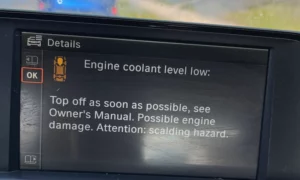
- Dashboard warning lights related to lighting systems
- Error messages mentioning “Short circuit in FRM”
- Multiple electrical functions failing simultaneously
If you’re experiencing several of these issues, your FRM module might be crying out for a reset or repair.
Why FRM Modules Fail
Understanding why these modules fail can help prevent future problems:
- Voltage spikes: Jump-starting your BMW or using incompatible chargers can corrupt the FRM’s firmware. These sudden electrical surges overwhelm the sensitive electronics.
- Short circuits: Damaged wiring or faulty bulbs can trigger the FRM’s protective circuits, disabling affected systems to prevent further damage.
- Water damage: Moisture finding its way into headlights or the FRM itself is a common killer of these modules.
- Firmware issues: Particularly in older FRM2/FRM3 modules (2007-2013), well-documented firmware vulnerabilities can cause progressive failures.
- Battery disconnection: Even briefly disconnecting your battery without proper power management can sometimes corrupt FRM data.
DIY FRM Reset Methods
Before heading to the dealer, try these reset methods if you have access to the right tools:
Method 1: Tool32 Reset for Short Circuit Counters
This is effective for addressing specific circuit failures:
- Connect a BMW-compatible diagnostic interface to your OBD port
- Launch Tool32 software on your computer
- Load the appropriate program (FRM70.prg for FRM2 or FRM3.prg for FRM3)
- Execute
status_lampen_kurzschluss_counterto identify problematic circuits - Use
steuern_reset_kurzschlussabschaltungwith the appropriate lamp number (e.g.,0x0Bfor driver-side angel eyes) - Clear fault codes with INPA or another diagnostic tool
Method 2: Basic Electrical Reset
Sometimes, a simple electrical reset can resolve minor FRM glitches:
- Ensure your car is completely off with key removed
- Disconnect the negative battery terminal
- Press and hold the brake pedal for 30 seconds to drain residual power
- Reconnect the battery after 15-30 minutes
- Initialize your windows by rolling them all the way down, then up while holding the button for 3 seconds
This basic reset occasionally works for temporary glitches but won’t fix more serious firmware or hardware issues.
Method 3: NCS Expert Default Coding
For those with deeper technical knowledge:
- Connect your diagnostic interface and launch NCS Expert
- Load an expert profile like
EXPERT_MODE - Process the FRM with
SG_CODIERENorSG_RESETto restore factory settings - Reactivate any customizations using FA (Vehicle Order) writing
Several F30 owners report success with this method after other approaches failed.
Advanced FRM Recovery Methods
When basic resets don’t work, these more advanced approaches might save your module:
Firmware Recovery Using Specialized Tools
For corrupted firmware situations:
- Use Xhorse VVDI Prog or Autel IM608 to extract the FRM’s DFlash memory
- Repair corrupt data by overwriting problematic sectors
- Reflash the repaired firmware
- Code the module to your vehicle using E-Sys or NCS Expert
This method requires specialized equipment but can resurrect modules that appear completely dead.
FRM3-Specific Recovery Techniques
Later F-series FRM3 modules require different approaches:
- Use ISTA+ initialization procedures to reset adaptive headlight modules
- Manually edit DFlash files to reset counters
- Consider specialized services for FRM3 recovery
BMW’s FRM3 modules have different security architecture, making traditional reset methods less effective.
Professional FRM Repair or Replacement
When DIY methods aren’t viable, professional options include:
FRM Module Replacement
- Source a compatible used or new module (ensure exact part number compatibility)
- Install the physical module
- Code via E-Sys:
- Read your vehicle’s FA (Vehicle Order)
- Write the FA to the new FRM
- Execute
SG_CODIERENto apply default coding
This approach works well but requires proper coding to integrate the module with your specific vehicle.
Specialized FRM Repair Services
Several companies now offer mail-in FRM repair services that:
- Diagnose specific hardware failures
- Repair circuit board components
- Replace damaged components
- Reset and reprogram the module
- Return a fully functional unit
These services typically cost $200-500—much less than a new module from BMW (which can exceed $1,000).
Best Practices to Prevent FRM Issues
Proactive measures can help you avoid future FRM headaches:
Voltage Management
- Always use a battery maintainer during any coding or diagnostic work
- Avoid jump-starting directly to your BMW’s battery
- If jump-starting is necessary, use a surge protector or connect to designated jump points
Proper voltage stability is critical for preserving FRM function.
Regular Maintenance
- Keep headlight assemblies sealed and free of moisture
- Address any electrical issues (like bulb failures) promptly before they cascade into bigger problems
- Consider updating FRM firmware during routine maintenance if your dealer offers this service
Diagnostic Workflow
Develop a systematic approach when addressing FRM issues:
- Start with basic fault code reading using INPA, ISTA, or a quality OBD scanner
- Clear any short circuit counters before attempting physical repairs
- Test all functions thoroughly after repairs
- Document successful settings in case you need to reproduce them
FRM Module Compatibility Chart
| BMW Series | Compatible FRM Types | Part Number Prefix | Notes |
|---|---|---|---|
| E8x/E9x (2006-2011) | FRM2 | 6135-9… | Most common in early E90 models |
| E8x/E9x (2009-2013) | FRM2/FRM3 | 6135-9… | Later models may use either type |
| F-Series (2010+) | FRM3 | 6135-9… | Different software architecture |
| G-Series (2017+) | FRM3/FEM | 6135-9… | Some models use FEM instead |
Always verify the exact part number compatibility when replacing modules.
Cost Comparison: DIY vs. Professional FRM Reset
| Approach | Estimated Cost | Pros | Cons |
|---|---|---|---|
| DIY Basic Reset | $0-50 | No parts cost, quick to attempt | Limited success rate for serious issues |
| DIY with Diagnostic Tools | $100-300 | Can resolve many common problems | Requires technical knowledge, potential to cause more damage |
| Independent BMW Specialist | $200-500 | Professional expertise, often same-day service | Higher cost than DIY |
| BMW Dealership | $800-1,500+ | Factory tools and training, warranty on work | Most expensive option, may insist on replacement vs. repair |
Real-World FRM Reset Success Story
When Brian’s 2011 BMW 335i suddenly lost functionality in its angel eyes and turn signals after a battery replacement, he suspected an FRM issue. After getting a $1,200 quote from his dealer, he researched online and found the Tool32 counter reset procedure.
Using a $25 OBD interface cable and free software, Brian identified high short-circuit counters on several circuits. Following the reset procedure exactly, he was able to reset the counters and clear the fault codes. Total cost: $25 and three hours of his time versus the $1,200 dealer quote.
The Bottom Line on BMW FRM Reset
Your BMW’s FRM module is a sophisticated piece of technology that controls many essential functions. While failures can be frustrating, many issues can be resolved through proper reset procedures without replacing the entire unit.
For the technically inclined, DIY options using Tool32 or specialized equipment can save considerable money. Those less comfortable with BMW diagnostics may find independent specialists offering FRM repair services at much lower costs than dealership replacement.
Remember that proper voltage management is key to preventing future FRM issues—always use a battery maintainer during diagnostic work and address electrical problems promptly before they escalate.
Armed with this knowledge, you can approach FRM issues methodically and restore your BMW’s functionality without breaking the bank.