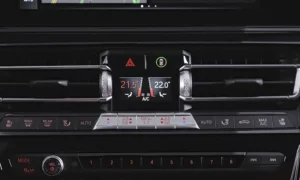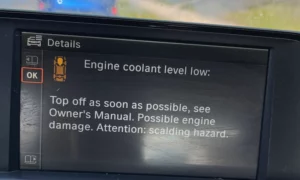
When your BMW X3’s air conditioning suddenly stops working on a hot day, it can turn your luxury driving experience into a sweaty nightmare. You turn the dial, press the button, and… nothing. Or worse, you get a blast of hot air. I’ve put together this comprehensive guide to help you understand why your BMW X3’s cooling system might be failing and what you can do about it.
Common Reasons Your BMW X3 Air Conditioning Fails
1. Refrigerant Leaks: The Silent Cooling Killer
When your X3’s AC blows warm air, a refrigerant leak is often the culprit. Your BMW’s cooling system needs the right amount of refrigerant to function properly.
Common leak spots include:
- O-rings at hose connections
- Compressor seals
- Condenser connections
- Evaporator core
If your system is low on refrigerant, the pressure switch will disable the compressor to prevent damage. This protection feature means no cooling for you.
How to check: Look for oily spots around AC components or have a technician connect manifold gauges to the low-pressure port. Readings below spec point to a leak that needs fixing.
2. Electrical Problems: It’s Not Always About the Refrigerant
Sometimes what seems like a cooling issue is actually an electrical problem. Before replacing expensive parts, check these common electrical failure points:
- Blown Fuses or Relays: Your X3 has multiple fuse boxes with AC-related fuses and relays (fuses 3, 8, 11, 31, 44, 48, 50 in the cabin and fuse 121 in the trunk).
- Compressor Clutch Issues: The compressor might be fine, but if the clutch or solenoid fails, it won’t engage even with proper refrigerant pressure.
- Wiring Problems: Corroded connections or low voltage can cause the AC to shut down. A thorough electrical diagnostic might save you from an unnecessary compressor replacement.
3. Compressor Failures: The Heart of Your AC System
The compressor is your AC system’s workhorse. When it fails, your cooling goes with it.
Common compressor issues include:
- Mechanical seizure
- Internal wear (especially after 150,000 km)
- Clutch failure
- Solenoid problems
A failing compressor often makes unusual noises – grinding, squealing, or knocking sounds when the AC is on. If you hear these, it’s time for a compressor inspection.
4. Airflow Problems: No Air Means No Cooling
Sometimes the AC system works fine, but you’re not feeling it because of airflow issues:
- Failed Blower Motor: If the fan doesn’t work, you won’t feel any air.
- Clogged Cabin Filter: A dirty filter restricts airflow, making your AC seem weak.
- Cooling Fan Issues: The engine cooling fan must run when AC is on. If it fails, the ECU will disable the compressor to prevent overheating.
A quick check of your cabin filter and blower operation can rule out these simpler causes.
5. HVAC Control Unit and Blend Door Problems
Modern BMW X3s use electronic controls and motors to direct airflow. When these fail, you might get cooling from some vents but not others.
- Blend Door Actuator Failure: This small motor controls flaps that mix hot and cold air. When it fails, you might get cold air from some vents while others blow hot.
- Temperature Sensor Issues: Faulty sensors can trick the system into thinking the cabin is already cold.
- Control Module Glitches: Sometimes a software update is all that’s needed to fix erratic AC behavior.
6. Blockages in the System
Your BMW X3’s AC system can develop blockages that restrict cooling:
- Clogged Condenser: The front-mounted radiator-like component can get packed with debris, reducing cooling efficiency.
- Restricted Expansion Valve: This valve controls refrigerant flow. When blocked, it can cause ice build-up on the evaporator and poor cooling performance.
- Evaporator Drain Blockage: A clogged drain can cause water to back up, creating a damp interior and reducing cooling effectiveness.
Diagnosing Your BMW X3 AC Issues
Here’s a systematic approach to figure out what’s wrong with your X3’s air conditioning:
Step 1: Basic Function Check
Before diving into complex diagnostics, check the basics:
- Does the AC button light up when pressed?
- Do you hear the blower motor running?
- Is the engine cooling fan running when AC is on?
- Are any warning lights on the dashboard?
Step 2: Symptom Analysis
Different symptoms point to different problems. Use this table to narrow down the cause:
| Symptom | Possible Causes | Quick Checks |
|---|---|---|
| No air from any vents | Blower motor failure, blown fuse, clogged filter | Check blower fuse, test motor, inspect cabin filter |
| Warm air from all vents | Low refrigerant, compressor not engaging | Look for leaks, check compressor clutch |
| Cold air from some vents, warm from others | Blend door actuator failure | Listen for clicking sounds when changing temperature |
| Cold air initially, then warm | Low refrigerant, freezing evaporator | Check refrigerant level, inspect expansion valve |
| AC works intermittently | Electrical issues, pressure switch | Check connections, scan for fault codes |
Step 3: Advanced Diagnostics
If basic troubleshooting doesn’t reveal the problem, you’ll need more advanced diagnostic tools:
- Pressure Testing: A manifold gauge set connected to your system’s service ports can tell you if refrigerant pressure is correct.
- Leak Detection: UV dye added to the refrigerant makes leaks visible under a special light.
- Electrical Testing: Using a multimeter to check voltage at the compressor clutch can reveal electrical problems.
- Fault Code Scanning: A BMW-specific diagnostic tool can read fault codes from the climate control module.
DIY Solutions vs. When to See a Professional
Some BMW X3 AC issues can be fixed at home, while others require professional help.
DIY-Friendly Repairs:
- Replacing Cabin Filter: Located behind the glove box, this is an easy 10-minute job.
- Checking/Replacing Fuses: Use your owner’s manual to locate fuse boxes and identify AC-related fuses.
- Cleaning the Condenser: Gently spray water through the front grille to remove debris.
- Unclogging the Evaporator Drain: This tube can be accessed under the car and carefully cleared with a thin wire.
Professional Repairs Required:
- Refrigerant Recharging: This requires special equipment and proper evacuation of the system.
- Compressor Replacement: A major job involving refrigerant handling and possibly replacing multiple components.
- Leak Repair: Finding and fixing refrigerant leaks often requires partial disassembly of the system.
- Control Module Programming: Software updates need BMW-specific diagnostic equipment.
Preventing Future AC Problems
Keep your BMW X3’s air conditioning working properly with these preventive measures:
- Run the AC Weekly: Even in winter, run your AC for 10 minutes weekly to keep seals lubricated.
- Change Cabin Filter Regularly: Replace every 15,000-30,000 miles to maintain proper airflow.
- Keep the Condenser Clean: Wash road debris from the front grille area to prevent condenser blockage.
- Address Noises Promptly: Unusual sounds when the AC is running could signal early compressor problems.
- Check for Water Drainage: Water should drip under your car when the AC runs on hot days. If not, the drain may be clogged.
The Cost of BMW X3 AC Repairs
AC repairs can vary widely in cost. Here’s what to expect:
- Refrigerant Recharge: $150-$300 depending on refrigerant type and amount needed.
- Compressor Replacement: $1,200-$2,500 including parts and labor.
- Electrical Repairs: $100-$500 depending on complexity.
- Blend Door Actuator: $300-$600 as it requires partial dashboard disassembly.
- Evaporator Replacement: $1,000-$2,000 as the entire dash typically needs removal.
Getting multiple quotes can save you money, but be wary of unusually low estimates that might skip necessary steps like system evacuation or replacement of companion components.
Environmental Considerations
Modern BMWs use R-134a or R-1234yf refrigerant. The latter is more environmentally friendly but also more expensive. Proper refrigerant recovery is legally required in most places, which is another reason to have professionals handle refrigerant-related repairs.
Leaking refrigerant is not only bad for your AC performance but also harmful to the environment. Fixing leaks promptly helps protect the ozone layer and reduces greenhouse gas emissions.
BMW X3 AC System Components
Understanding the main parts of your AC system helps in troubleshooting:
- Compressor: Pressurizes the refrigerant
- Condenser: Releases heat from the refrigerant
- Expansion Valve: Controls refrigerant flow
- Evaporator: Absorbs heat from cabin air
- Receiver/Drier: Removes moisture from the system
- Pressure Switches: Monitor system pressure for safety
- Blower Motor: Moves air through the system
- Control Module: Manages the entire system electronically
If your BMW X3’s AC isn’t cooling properly, a methodical approach to diagnosis will save time and money. Whether you tackle simple fixes yourself or seek professional help, understanding the system helps ensure you get the right repair the first time.
By addressing issues promptly, you’ll be back to enjoying your BMW X3’s climate-controlled comfort in no time.