Facing a Toyota Tundra timing belt replacement can feel intimidating, especially when you understand what’s at stake. Your truck’s timing belt is essentially the heartbeat of your engine—when it fails, everything stops. And in many Tundra engines, that failure can lead to thousands in repair bills. But don’t worry. With the right information and planning, you can tackle this critical maintenance task with confidence.
Does My Toyota Tundra Have a Timing Belt or Chain?
Not all Toyota Tundras use timing belts. Whether your truck has a belt or chain depends entirely on the engine and model year:
| Engine | Years | Drive System | Replacement Interval |
|---|---|---|---|
| 2.7L I-4 (VVT-i) | 2000-2004 | Timing Belt | 90,000 miles/6 years |
| 4.0L V6 (1GR-FE) | 2000-2004 | Timing Belt | 90,000 miles/6 years |
| 4.7L V8 (2UZ-FE) | 2000-2009 | Timing Belt | 90,000 miles/6 years |
| 4.6L V8 (UR engine) | 2010-2012 | Timing Chain | Lifetime design |
| 5.7L V8 (3UR-FE) | 2007-present | Timing Chain | Lifetime design |
| 4-cylinder & V6 | 2005-2009 | Timing Chain | Lifetime design |
If you drive a Tundra with the 4.7L V8 engine (years 2000-2009), you definitely have a timing belt that requires regular replacement. Toyota began switching to timing chains in their later models, which generally don’t require scheduled replacement.
Not sure which engine you have? Check your VIN or owner’s manual, or look for the engine code on the emission sticker under your hood.
Why Timing Belt Replacement Is Critical for Your Tundra
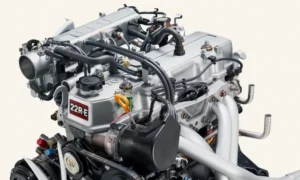
The 2UZ-FE 4.7L V8 Tundra engine uses an “interference” design. Here’s why that matters:
In an interference engine, there’s insufficient clearance between valves and pistons. If your timing belt snaps while driving, these components collide catastrophically. The result? Bent valves, damaged pistons, and potentially a ruined engine that costs thousands to repair or replace.
What makes timing belt failures particularly dangerous is their sudden, unpredictable nature. Unlike other vehicle components that gradually show symptoms before failing, timing belts often break without warning. One minute you’re driving normally, the next your engine is dead—and potentially damaged beyond economical repair.
According to community reports, the rubber material in timing belts deteriorates over time due to:
- Constant heat cycles
- Oil or coolant contamination
- Age-related hardening and cracking
- Natural rubber degradation
This is why Toyota specifies both a mileage AND time interval for replacement, regardless of which comes first.
When to Replace Your Tundra’s Timing Belt
Toyota recommends replacing the timing belt in the 4.7L V8 Tundra engine:
- Every 90,000 miles OR 6-7 years (whichever comes first)
This isn’t a maintenance item you can safely delay. Many Tundra owners on forums like Tundras.com report replacing their belts based on the time interval alone, even with lower mileage.
The “whichever comes first” part is crucial. Even if your truck hasn’t reached 90,000 miles, the rubber compound in the timing belt degrades with age. A 7-year-old timing belt with only 50,000 miles is still considered due for replacement according to Toyota’s service schedule.
What’s Included in a Complete Timing Belt Service
A proper timing belt service involves more than just replacing the belt itself. Here’s what should be included:
- Timing belt: The main component that synchronizes your engine’s valves and pistons
- Water pump: Nearly always replaced during timing belt service since it’s driven by the belt and requires similar labor to access
- Tensioner and idler pulleys: These maintain proper belt tension and alignment
- Camshaft and crankshaft seals: Often replaced while the timing components are accessible
- Serpentine belt: Since much of the labor overlaps, many shops recommend replacing this belt too
A comprehensive timing belt kit for the Tundra typically includes all these components. Using quality parts like Aisin or OEM Toyota components helps ensure reliability.
DIY vs. Professional Replacement
Professional Replacement Costs
Having your Tundra’s timing belt replaced professionally typically costs:
- Parts: $150-$300 for a quality timing belt kit
- Labor: $500-$800 (6-10 hours at shop rates)
- Total: $650-$1,100 depending on location and shop
The significant labor cost reflects the complexity of the job, which requires removing many engine components to access the timing belt.
DIY Considerations
If you’re mechanically inclined and have the proper tools, DIY replacement is possible. Several detailed guides and YouTube tutorials exist specifically for the Toyota 4.7L V8 engine.
You’ll need:
- A complete timing belt kit
- Metric socket set and wrenches
- Torque wrench
- Harmonic balancer puller
- Crank pulley holding tool
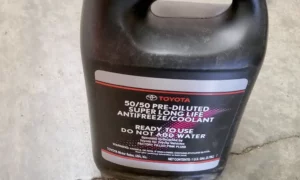
- Coolant
- Plenty of time (8-12 hours for first-timers)
The most critical aspects of DIY timing belt replacement are:
- Correctly aligning timing marks
- Properly tensioning the new belt
- Following exact torque specifications
Step-by-Step Timing Belt Replacement Process
Here’s a simplified overview of the timing belt replacement procedure for a Tundra with the 4.7L V8 engine:
Preparation
- Disconnect the battery
- Drain engine coolant
- Remove accessory drive belts
- Remove cooling fan and shroud
Accessing the Timing Belt
- Remove power steering pump, alternator, and A/C compressor (don’t disconnect A/C lines)
- Support the engine with a jack and remove the right engine mount
- Remove the crankshaft pulley using a harmonic balancer puller
Timing Belt Replacement
- Remove timing covers
- Verify engine is at Top Dead Center (TDC) position with timing marks aligned
- Loosen the tensioner and remove old timing belt
- Replace water pump, tensioner, and idler pulleys
- Install new timing belt, starting at crankshaft and following the correct routing pattern
- Set proper tension according to manufacturer specifications
- Rotate engine by hand for two complete revolutions to verify timing marks realign correctly
Reassembly
- Reinstall timing covers
- Install crankshaft pulley to specific torque specifications (245 Nm)
- Reinstall all components in reverse order
- Refill coolant system and bleed air
- Reconnect battery and test engine operation
Identifying Signs of a Failing Timing Belt
While timing belts often fail without warning, sometimes there are warning signs:
- Engine misfiring: Inconsistent timing can cause rough running
- Ticking or clicking noise: May indicate the belt is slipping on pulleys
- Oil leakage: Near the timing cover could be a sign of failing seals
- Visible belt damage: Cracks, fraying, or glazing if you inspect the belt
In reality, most owners never see these symptoms before failure. Reddit users often report their belts look perfectly fine when replaced at the recommended interval—but this doesn’t mean replacement should be delayed.
Preventative Maintenance Tips
To maximize the life of your timing belt and ensure reliable operation:
- Follow the service schedule: Replace by 90,000 miles or 6 years without exception
- Change oil regularly: Clean oil helps prevent timing belt contamination
- Fix any coolant or oil leaks promptly: These can damage or weaken your timing belt
- Use quality parts: OEM or high-quality aftermarket components like Aisin
- Maintain service records: Document when the belt was last replaced
The NHTSA doesn’t have specific recalls for Tundra timing belt failures, but this is because timing belts are considered normal maintenance items that wear out predictably.
Common Questions About Tundra Timing Belt Replacement
Is the 5.7L Tundra engine equipped with a timing belt?
No. The 5.7L V8 (3UR-FE) engine in Tundras from 2007 onward uses a timing chain, which is designed to last the lifetime of the vehicle without scheduled replacement. Toyota began implementing timing chains across their lineup for improved longevity.
What happens if my Tundra’s timing belt breaks while driving?
In the 4.7L V8 interference engine, a broken timing belt will cause the pistons to hit the valves, resulting in severe engine damage. This typically requires an engine rebuild or replacement costing $3,000-$5,000 or more—far exceeding the cost of preventative timing belt service.
Can I just replace the belt without changing the water pump?
Technically yes, but it’s almost always a bad idea. The water pump is located behind the timing belt, requiring the same labor to access. If the water pump fails shortly after the belt service, you’ll pay for the same labor twice. Most mechanics and DIY guides strongly recommend replacing both at the same time.
What’s the difference between Tundra timing belt kits?
Quality varies significantly between timing belt kits:
- OEM Toyota: Highest quality, exact match to original specifications
- Aisin: Made by Toyota’s OEM supplier, excellent quality
- Mid-tier brands: Gates, Continental, Dayco offer good reliability
- Budget kits: May use lower-quality components that wear faster
The price difference between budget and premium kits is relatively small compared to the labor cost, making high-quality components the better investment.
Looking at the Long-Term Value
Properly maintaining your Tundra’s timing belt isn’t just about avoiding catastrophic engine damage—it’s about preserving your truck’s legendary reliability. The 4.7L V8 engine is known for running 300,000+ miles when properly maintained, so consider the timing belt replacement as an investment in your vehicle’s longevity.
Toyota specifically designed their maintenance schedules based on extensive testing. Following these intervals for timing belt replacement helps ensure your Tundra continues to deliver the dependable service these trucks are famous for.
Remember, the cost of prevention is always less than the cost of repair. A timing belt replacement might seem expensive in the moment, but it’s a fraction of what you’ll spend fixing a damaged interference engine.