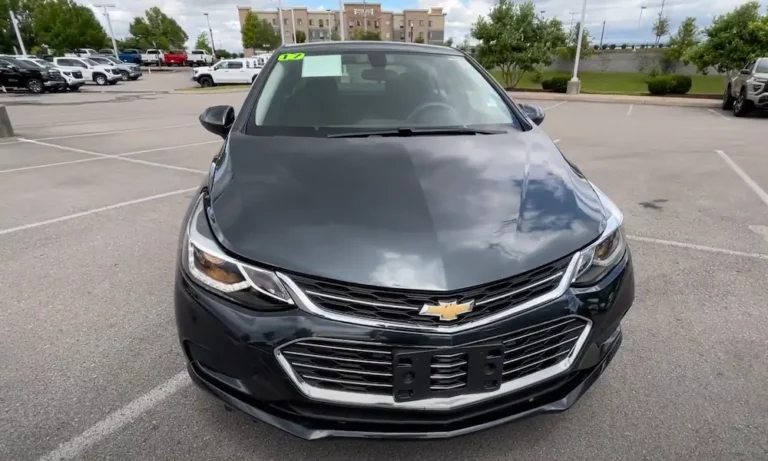
Got a Chevy Cruze that’s puffing white smoke or eating coolant like it’s water? Your head gasket might be done. This post breaks down exactly what Chevy Cruze head gasket replacement costs, why it fails in the first place, and what you can do about it. Stick around — the answer might surprise you.
What Does a Head Gasket Actually Do?
Think of the head gasket as the bouncer between your engine’s upper and lower halves. It sits between the cylinder head and the engine block, sealing three things at once: combustion pressure, engine coolant, and motor oil.
When it fails, those three things start mixing — and nothing good happens after that.
How Much Does a Chevy Cruze Head Gasket Replacement Cost?
Here’s the number you came for. The average Chevy Cruze head gasket replacement cost runs between $1,733 and $2,396, depending on the model year and where you live.
That’s not a typo. It’s genuinely that expensive — and we’ll explain why shortly.
| Model Year | Estimated Total Repair Cost |
|---|---|
| 2011 | $1,735 – $2,396 |
| 2012–2015 | $1,733 – $2,392 |
| 2016–2019 | $1,735 – $2,361 |
For broader context, Consumer Affairs notes that the average head gasket replacement on a standard passenger car runs $2,400–$3,200. For luxury SUVs like a BMW X5, you’re staring at $5,000–$8,100. So the Cruze is actually on the cheaper end — cold comfort, but it’s something.
Why Is the Labor So Expensive?
The gasket itself costs $440–$481 in parts. So where does the rest of the money go? Labor. All of it.
Labor alone runs between $1,294 and $1,899 on a Cruze. Here’s why:
- Techs need 8–12 hours to tear down and rebuild the engine
- The turbocharger, intake manifold, timing chain, and wiring harness all come off first
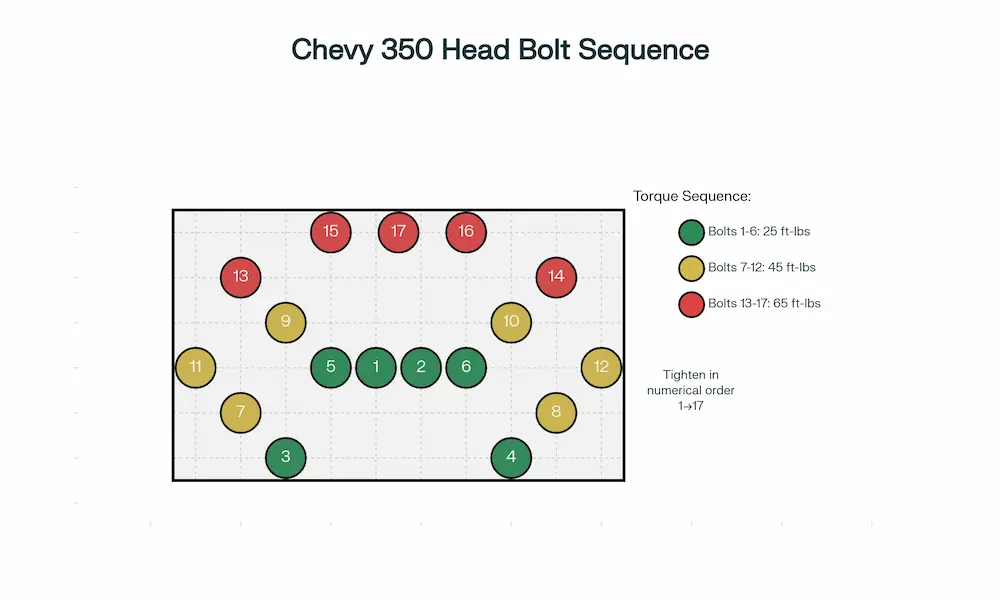
- Reassembly requires precise multi-stage torque sequences with digital angle gauges
- The cylinder head bolts are torque-to-yield — they stretch during installation and can never be reused
- Skipping new head bolts guarantees the new gasket fails fast
This isn’t an oil change. It’s basically rebuilding the top half of your engine.
What Parts Are Included?
A proper repair includes more than just the gasket. Expect:
- Multi-layer steel head gasket
- Full top-end gasket set (intake, exhaust, valve cover seals)
- New torque-to-yield head bolts
- Fresh synthetic engine oil and filter
- Complete cooling system flush with new antifreeze
Why Do Chevy Cruze Head Gaskets Fail?
Here’s where it gets interesting — and frustrating. The 1.4-liter turbocharged Cruze has a specific, well-documented design flaw that accelerates gasket failures.
The PCV System Problem
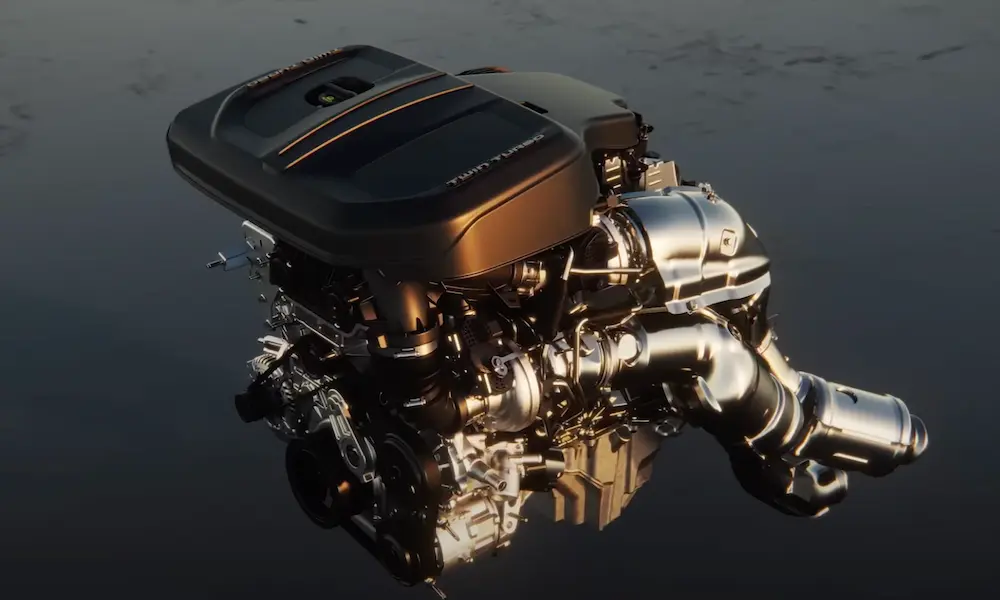
The 1.4T uses a tiny check valve buried inside the intake manifold to manage crankcase pressure. Every time the turbo spools up, that valve snaps shut to stop pressurized air from flooding back into the engine block.
The problem? That valve is plastic. It gets cooked by heat, soaked in oil vapor, and opens and closes thousands of times per hour. Eventually, it breaks off entirely and gets sucked into the engine, leaving a wide-open hole.
What happens next:
- Turbo boost blasts directly into the crankcase
- Internal engine pressure skyrockets
- The valve cover diaphragm ruptures
- Oil seals and gaskets blow out under the pressure
- The head gasket gives up
Chevrolet recognized this failure rate and issued a special warranty extension covering valve cover and intake manifold replacement for vehicles under 120,000 miles. But here’s the catch — they often won’t cover the secondary damage, like your blown head gasket. You’ll want to escalate through GM’s customer service if you believe the PCV failure caused your repair.
Critical point: If you replace the head gasket without fixing the intake manifold and valve cover, the new gasket will fail for the same reason. Fix the root cause first.
The 1.8L Is Different
On the 1.8-liter naturally aspirated Cruze, the PCV check valve lives in the valve cover instead of the intake manifold. It still fails, but the cascade of damage is less severe since there’s no turbo boosting pressure into the crankcase.
Signs Your Chevy Cruze Head Gasket Is Blown
Catch this early and you’ll save yourself serious money. Here’s what to look for:
- Thick white smoke from the tailpipe — sweet-smelling, persistent, doesn’t go away when the engine warms up
- Milky, frothy oil — pull the dipstick or oil cap and look for a “chocolate milkshake” consistency
- Coolant disappearing — you keep topping it off but there’s no puddle under the car
- Overheating — temp gauge spikes fast, or the coolant reservoir bubbles aggressively
- Engine misfires — rough idle, loss of power, flashing check engine light
- Oil in the coolant reservoir — dark, oily film floating on your pink or orange coolant
Don’t ignore these. Driving longer with a blown gasket turns a $2,000 repair into a $5,000+ engine replacement.
How Mechanics Confirm the Diagnosis
No one should pull your engine apart on a guess. Here’s how techs verify the failure before touching your wallet:
Chemical Block Test
A technician draws air from above your coolant through a tube of blue chemical fluid. If combustion gases are leaking into the cooling system, the fluid turns yellow or green. Blue means you’re fine. Yellow or green means the gasket is gone.
Cooling System Pressure Test
The tech pressurizes your cold cooling system with a hand pump and watches the gauge. If pressure drops without any visible external leaks, something’s leaking internally. A borescope camera through the spark plug holes can then confirm coolant pooling on the pistons.
Cylinder Leak-Down Test
Pressurized air goes into a cylinder with both valves closed. If bubbles appear in the coolant reservoir, the tech knows exactly which cylinder has the breach.
What Happens If the Engine Overheated?
This is where Chevy Cruze head gasket replacement costs can climb well past the average. If the engine got seriously hot, the aluminum cylinder head likely warped out of flat.
A warped head means a trip to a machine shop before reassembly. Machinists measure the surface and mill it flat on an industrial machine. That adds hundreds of dollars and several days to your timeline.
If the head is too far gone to resurface, you need a replacement cylinder head — a major cost jump.
Watch Out for These Extra Costs
| Additional Repair | Estimated Cost |
|---|---|
| Machine shop resurfacing | $150–$400 |
| Replacement cylinder head | $500–$900+ |
| Water pump replacement | Minimal added labor |
| Timing belt (1.8L) | $388–$502 standalone |
| Camshaft seal replacement | $747–$953 standalone |
Smart mechanics bundle water pump, thermostat, and coolant housing replacements into the head gasket job. The engine’s already apart — the extra parts cost very little in added labor.
Can You Use a Chemical Sealer Instead?
Products like FiberLock (~$50) get poured into the coolant and harden around small gasket breaches. Mechanics are blunt about this: it’s a temporary fix, not a real repair.
It might buy you a few months on a car headed to the junkyard. It won’t work on a major blowout, a warped head, or oil-coolant mixing. Worst case, it clogs your heater core or radiator, creating new problems.
Use it only if the car isn’t worth fixing properly and you just need to squeeze out a few more weeks.
Should You Repair It or Replace the Engine?
This is the real question. Here’s a quick way to think about it:
Repair the gasket if:
- The car has lower miles and good overall condition
- The engine didn’t overheat severely
- The repair cost is less than 50–60% of the car’s current value
Consider a full engine swap if:
- The engine ran hot for a long time
- Oil and coolant mixed for an extended period
- Lower-end bearing damage is suspected
Sometimes an engine swap from a salvage yard costs similar to a full top-end rebuild — and it eliminates a lot of unknowns.
Regional Cost Differences Matter
Where you live significantly changes what you pay. A rural Midwest shop might charge $90/hour for labor. A dealership in San Francisco or New York can charge $200/hour for the exact same job.
Always get three written estimates before authorizing work. Independent shops certified by ASE are often significantly cheaper than dealerships for out-of-warranty vehicles.
Frequently Asked Questions
Can a blown head gasket cause the car to catch fire?
The smoke and steam look alarming, but coolant doesn’t ignite easily. The bigger risk is total engine destruction from overheating, not a fire. That said, extreme heat near oil leaks and wiring is never good — pull over and shut it off fast.
Does cold or hot climate affect how quickly the Cruze head gasket fails?
Yes. Freezing winters in the northern US cause aggressive expansion and contraction cycles that fatigue the gasket faster. Extreme heat in the Southwest degrades the rubber coatings on the gasket and cooks the plastic PCV components quicker.
Will a blown head gasket fail an emissions test?
Every time. Coolant burning in the combustion chamber triggers the check engine light via the oxygen sensors. Any illuminated check engine light is an automatic emissions failure in OBD-II testing states.
How is a failed oil cooler different from a blown head gasket?
Both can cause that milky, sludgy coolant. The difference: a failed oil cooler won’t produce white exhaust smoke and won’t over-pressurize the cooling system with combustion gases. A chemical block test on the coolant reservoir will clearly tell you which one you’re dealing with.
Are aftermarket head gaskets better than the factory ones?
Often, yes. Because the Cruze has a documented failure pattern, aftermarket companies have engineered improved versions with thicker coatings and reinforced fire rings. Combined with fixing the PCV system, an upgraded aftermarket gasket can outperform the original factory part.