If you’re tired of your Chevy Equinox shutting off at every stoplight, you’re in the right place. This guide walks you through four proven methods to disable that annoying auto stop feature—from quick free fixes to permanent solutions.
What Is Auto Stop and Why Everyone Complains About It
Auto stop automatically shuts off your engine when you come to a complete stop. It’s supposed to save fuel, but most Equinox owners find it jerky, annoying, and downright dangerous in traffic.
The system cuts your engine at red lights and stop signs. When you lift your foot off the brake, the engine restarts. Sounds simple, right? Here’s the problem: that split-second delay when pulling into traffic can feel risky. Plus, the constant stopping and starting gets old fast.
Your Equinox includes safety features designed to prevent engagement when conditions aren’t ideal—like when the engine’s cold, battery charge is low, or the AC is working hard. But even with these safeguards, many drivers want it gone completely.
The Factory Disable Button (2022+ Models Only)
If you’ve got a 2022 or newer Equinox, you’re in luck. Chevy finally listened to customer complaints and added a dedicated disable button.
You’ll find the button on your center console, left of the hazard lights. It’s marked with an “A” inside a circular arrow. Just press it after starting your vehicle, and the auto stop stays off for that drive.
Here’s the catch: it resets every single time you start your car. You’ll need to press that button daily—maybe multiple times if you’re running errands. Most drivers find this “feature” more annoying than helpful.
The button’s LED indicator goes dark when the system’s off. Some folks set phone reminders or develop muscle memory for that daily button press. Others skip this method entirely and go for permanent solutions.
Manual Mode Trick (Works on All Model Years)
This free workaround works on 2018-2026 Equinox models. It tricks your vehicle into thinking you’re driving manually, which prevents auto stop from kicking in.
Here’s how to do it:
- Start your vehicle normally
- Shift to “L” (Low) or “M” (Manual) mode instead of “D”
- Press the “+” button on your shifter repeatedly
- Keep clicking until you reach the highest gear (usually 6th)
- Your display should show “L6” or similar
Your transmission still shifts automatically through all gears. The difference? Auto stop stays disabled the entire drive. No computer modifications, no warranty concerns, and it doesn’t cost a penny.
The downside? You’ll need to do this every time you drive. If someone else drives your Equinox and shifts to regular Drive mode, you’re back to square one. But for a free solution that works across all model years, it’s pretty solid.
Aftermarket Eliminators: The Permanent Fix
Aftermarket devices offer the most convenient solution for Chevy Equinox auto stop disable. These plug-and-play modules remember your preference and disable auto stop permanently.
OBD-II Port Devices
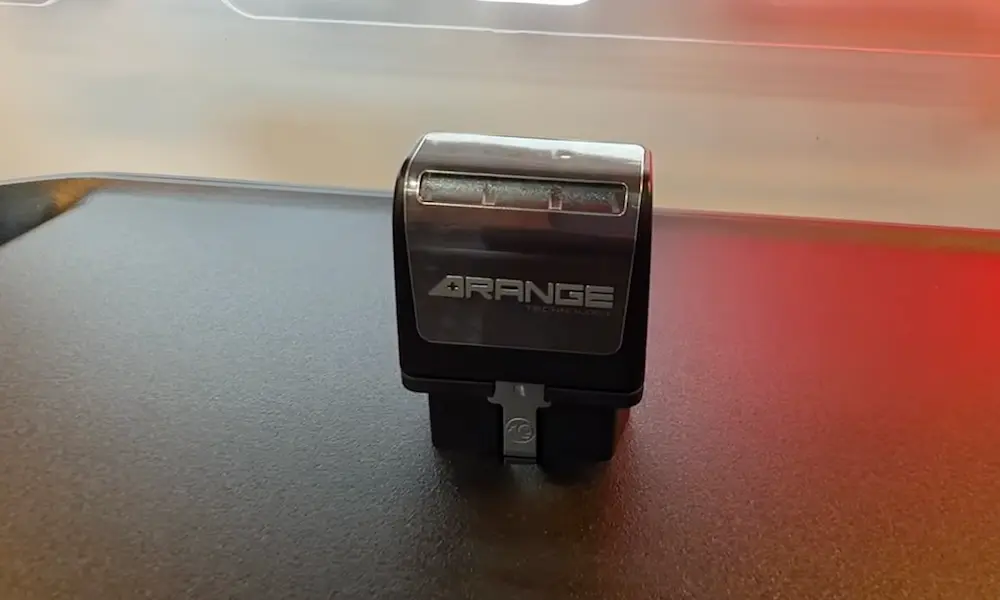
These plug into your diagnostic port under the steering wheel. Companies like Range Technology sell units for around $200 that disable both auto stop and Active Fuel Management.
The problem? You’ll need to unplug it every time you visit the dealership. Service techs need that port to run diagnostics. Plus, anyone who opens your driver’s door can see it hanging there.
Wiring Harness Eliminators
These are slicker. Brands like Autostop Eliminator, ZicMoto, and 4D Tech sell modules that splice into existing wiring.
What makes them better:
- Installation takes 15-30 minutes with included video guides
- Zero battery drain when your vehicle’s off
- Remote start still works perfectly
- Remembers your last setting (on or off)
- Dealership diagnostic tools can’t detect them
- Doesn’t mess with other vehicle systems
Installation spots vary by year. For 2018-2024 models, you’ll connect to the hood latch sensor under the hood. The 2025-2026 models require accessing the auto stop button assembly behind the dash—slightly trickier but still doable.

- Compatible with: Our auto stop start eliminator/disabler is fit for 2019-2024 GMC Terrain, 2019-2024 Chevy Equinox, 2019-2024 Chevy Malibu, 2019-2023 Chevy Traverse, 2019-2024 Chevy Blazer, 2021-2024 Chevy Trailblazer, 2024 2025 Chevy Trax, 2020-2024 Buick EncoreGX, 2024 2025 Buick Envista, 2019-2024 Buick Enclave
Most companies offer 30-60 day money-back guarantees. Customer reviews consistently praise these devices for working exactly as advertised. Installation videos walk you through every step, and tech support helps if you get stuck.
| Eliminator Type | Cost Range | Installation Time | Visibility | Best For |
|---|---|---|---|---|
| OBD-II Port Device | $180-250 | 2 minutes | Visible under dash | Quick, removable solution |
| Wiring Harness Module | $100-150 | 15-30 minutes | Completely hidden | Permanent, set-it-and-forget-it fix |
Other Temporary Workarounds
A few other tricks can prevent auto stop from engaging, though they’re less practical for daily driving.
Light brake pressure: Apply barely enough pressure to slow down without fully engaging the brakes. This confuses the system just enough to keep it from shutting off. It’s inconsistent and requires constant attention—not ideal in heavy traffic.
Crank up electrical demand: Running your AC, defroster, or headlights increases electrical load. The system won’t shut off if it thinks the battery can’t handle the restart. This works sometimes, but it’s unreliable and wastes energy.
Hood latch disconnect: Some owners disconnect the hood latch sensor since auto stop won’t engage if the system thinks your hood’s open. The problem? Warning lights pop up on your dash, and you lose hood security.
These methods work in a pinch but aren’t practical long-term solutions.
Understanding Model Year Differences
Your options depend heavily on which generation Equinox you’re driving.
2018-2021 Models
These years got the short end of the stick. No factory disable button exists, despite Chevy promising one for 2021 (COVID-19 delays killed that plan). You’re stuck with the manual mode trick or aftermarket solutions.
The good news? Aftermarket eliminators work great on these years. Installation connects to the hood latch sensor, which sits in an easy-to-reach spot under the hood.
2022-2026 Models
These years include the factory disable button, but it resets with every ignition cycle. Button location stays consistent across all these model years—center console, left of hazards.
If the daily button press bugs you, aftermarket eliminators still make sense. The 2025-2026 models require slightly different installation (accessing the button assembly behind the dash), but it’s still manageable with good instructions.
Different transmission configurations handle manual mode slightly differently. Some 9-speed transmissions need different gear selections compared to 6-speed versions. Your owner’s manual shows which transmission you’ve got.
Will This Void Your Warranty?
Most aftermarket eliminators claim to be undetectable and warranty-safe. Under the Magnuson-Moss Warranty Act, manufacturers can only deny warranty claims if they prove an aftermarket part caused a specific failure.
That said, dealerships can be picky. If you’re worried about warranty coverage, the manual mode trick carries zero risk since you’re not modifying anything. Just shift gears differently.
For aftermarket devices, wiring harness eliminators hide better than OBD-II port units. Many owners report no issues with warranty claims, but your mileage may vary depending on your specific dealership.
If you need service, you could always temporarily remove an OBD-II device or reconnect factory wiring on a harness eliminator. Most installations reverse in minutes.
What About Engine Wear?
This question comes up constantly. Won’t all those extra starts wear out your engine faster?
Modern vehicles use enhanced starter systems designed for 250,000-300,000 starts. Traditional starters handle about 100,000 cycles. Your start-stop equipped Equinox has beefier components built for this exact purpose.
Engine oil lubrication concerns are real, but manufacturers planned for them. Start-stop engines include additional oil pumps and modified bearing surfaces. Oil continues circulating even during brief stops, protecting critical components.
Battery life? Your Equinox uses enhanced AGM or EFB batteries specifically designed for frequent cycling. Regular batteries would die quickly, but these handle the extra load just fine.
Common wear concerns and reality:
| Concern | Reality |
|---|---|
| Starter motor failure | Enhanced starters rated for 3x more cycles |
| Oil starvation damage | Additional pumps maintain pressure during stops |
| Battery replacement costs | Special batteries designed for frequent cycling |
| Transmission wear | No additional wear when system functions properly |
The bigger issue isn’t mechanical wear—it’s driver comfort and safety. That split-second delay when pulling into traffic feels risky to many drivers. If it makes you uncomfortable, disable it.
Which Method Should You Choose?
Your best option depends on your budget, mechanical comfort level, and how permanently you want auto stop gone.
Choose the factory button if: You’ve got a 2022+ model and don’t mind pressing a button every time you drive. It’s free and reversible.
Choose manual mode if: You want a free solution that works on any model year and don’t mind the extra step each drive. Zero warranty concerns.
Choose an aftermarket eliminator if: You want to disable auto stop once and forget about it forever. Best for daily drivers who hate the constant resets.
For most Equinox owners, aftermarket eliminators offer the best balance of convenience and effectiveness. The $100-150 investment pays off in reduced frustration and a more enjoyable driving experience.
The overwhelming consensus among Equinox owners who’ve disabled auto stop? They wish they’d done it sooner. Whether you pick the free workaround or invest in a permanent fix, you’ve got proven options to take back control of your driving experience.