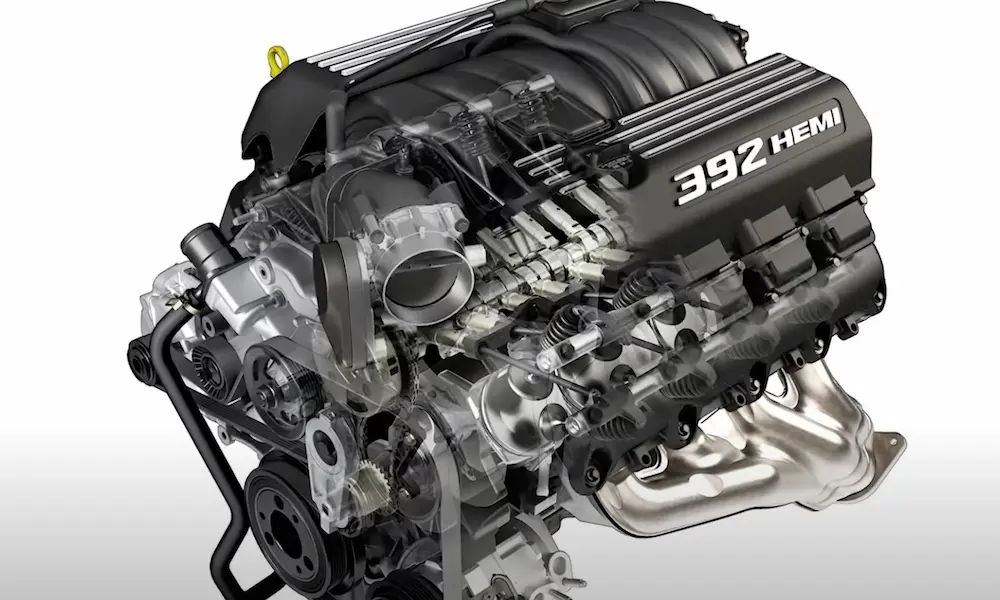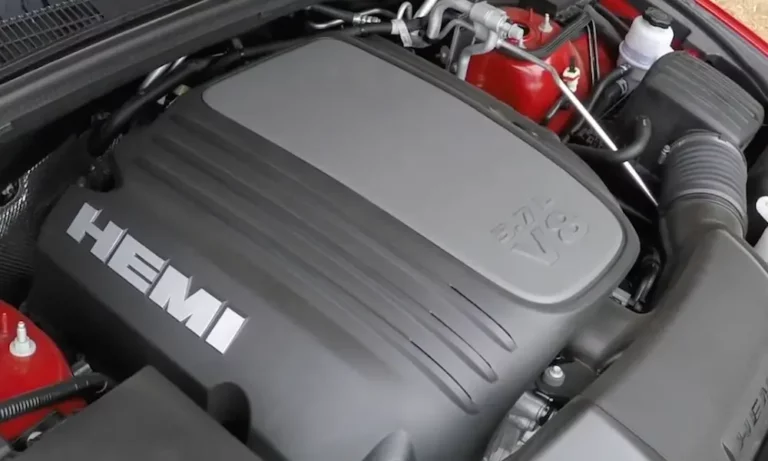
That ticking sound from your 5.7 Hemi is driving you crazy—and now someone online says you can swap lifters without pulling the heads. Sounds great, right? Before you grab your tools and dive in, there’s something critical you need to know first. This post breaks down exactly what’s possible, what isn’t, and how to fix your Hemi the right way.
Can You Really Do a 5.7 Hemi Lifter Replacement Without Removing the Head?
Short answer: No, you can’t.
The 5.7 Hemi lifter replacement without removing the head is physically impossible. It’s not a matter of technique or tools. The engine’s design simply won’t allow it. Here’s why.
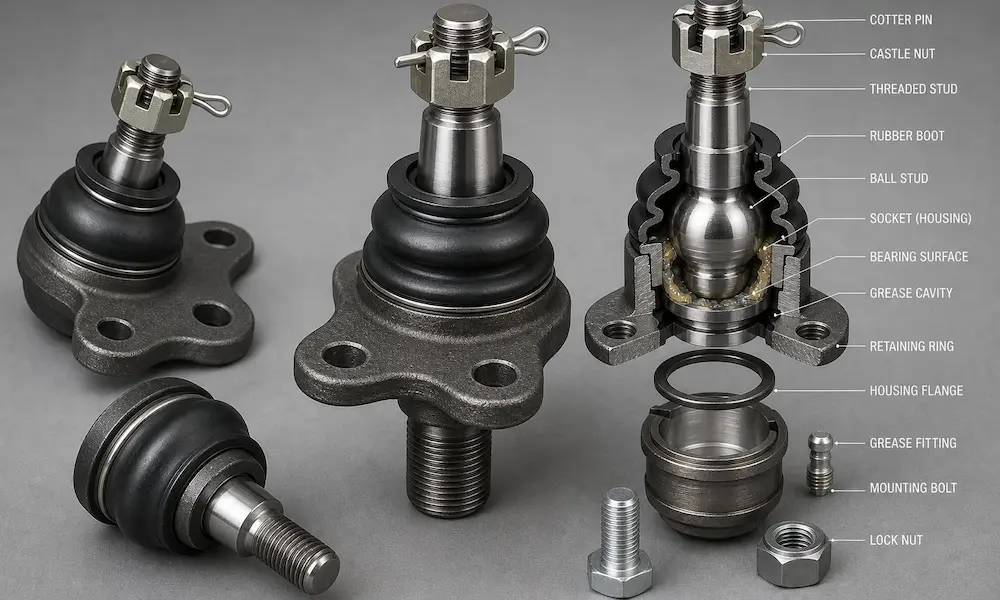
The lifters sit inside plastic retaining yokes—mechanics call them “dogbones” or lifter trays. Each yoke holds four lifters and bolts directly to the engine block with an M6 fastener. The problem? The cylinder head creates a solid ceiling over those yokes. You can’t see the bolts. You can’t reach them. They’re completely buried under the head casting.
On top of that, the pushrod holes in the aluminum cylinder heads are machined to fit only the pushrods. A lifter’s body is too wide to pass through those holes—even if you somehow freed it from the yoke.
That’s two physical barriers. Neither has a workaround.
Why the Lifter Yoke Design Makes It Impossible
The 5.7 Hemi uses hydraulic roller lifters. These rollers must stay perfectly aligned with the camshaft lobes at all times. If a roller lifter rotates even slightly, it skids instead of rolls across the cam lobe. That means instant metal-on-metal destruction.
The plastic yoke is what keeps each lifter from rotating. Without it, the engine would destroy itself quickly. So the yoke isn’t optional hardware. It’s a critical component.
Here’s a quick summary of why heads-off is the only real option:
| Barrier | Why It Blocks Access |
|---|---|
| Cylinder head casting | Completely covers the lifter yokes and their mounting bolts |
| Pushrod hole diameter | Too narrow for a lifter body to pass through |
| Lifter yoke bolts | No line-of-sight or tool access with heads installed |
| Lifter orientation | Near-horizontal angle means gravity pulls lifters inward when cam is removed |
What About Those Lifter Puller Tools You See Online?
You’ve probably seen tools like the OEMTOOLS 25048 hydraulic valve lifter tool marketed as a way to pull lifters through pushrod holes. Sounds promising. Doesn’t work on a Hemi.
These tools were designed for older overhead valve engines—think vintage Chevy small blocks or older Ford engines—where the lifter sits in an open bore and you can pull it straight up. The 5.7 Hemi’s architecture is completely different. The yoke still cages the lifter, and the pushrod hole is still too small. Technicians who’ve tried these tools on modern Mopar engines report broken tools and zero results. There’s no credible professional documentation showing this method ever works on a Gen III Hemi.
The Cam Swap “Loophole” — And Why It Won’t Fix Your Lifters
Here’s where people get confused. You can pull the camshaft from a 5.7 Hemi without removing the heads. You remove the timing cover, water pump, and radiator, then slide the cam out through the front of the engine. During this process, technicians use magnetic rods through the pushrod holes to hold the lifters in place.
This is a real procedure. It works for a camshaft upgrade on a healthy engine. But it’s completely useless for fixing bad lifters.
Why? Because the lifters never leave the engine. They stay trapped in their yokes the entire time. If a bad lifter is causing your tick, it’ll still be in there after the cam swap—and it’ll immediately destroy your brand-new camshaft.
There’s also a serious risk: if a lifter slips from its tray during the process, it falls into the bottom of the engine block. Getting it out often means pulling the engine or removing both heads and the oil pan. A “shortcut” that becomes a nightmare.
First, Make Sure It’s Actually the Lifters
Before committing to a major teardown, rule out a cheaper problem. The most common Hemi tick misdiagnosis is a broken exhaust manifold bolt. The Hemi has aluminum heads and cast iron manifolds. They expand and contract at different rates with every heat cycle. Over time, the rear manifold bolts—usually on cylinders seven or eight—snap off and create an exhaust leak that sounds exactly like a bad lifter, especially when the engine is cold.
Here’s how to tell the two problems apart:
| Symptom | Exhaust Manifold Leak | Failed Lifter or Camshaft |
|---|---|---|
| Cold start sound | Loud, sharp tacking noise | Metallic tick or tap |
| Warm engine behavior | Noise usually fades | Noise stays or gets worse |
| Error codes | Rarely triggers codes | P0300 or P030x misfires |
| Visual clues | Broken bolt heads at rear | Metal shavings in oil |
| Valve lift | Normal on all cylinders | Reduced on affected cylinder |
To confirm a mechanical lifter failure, remove the valve cover and watch rocker arm movement while cranking the engine. A failed lifter or wiped cam lobe shows noticeably less rocker travel than the others. You can also use a magnet to check the oil for metal particles or run a borescope into the oil pan.
How Hemi Lifters Actually Fail
It’s rarely a simple hydraulic pressure issue. The failure usually starts at the roller bearing at the base of the lifter. Chrysler later used smaller needle bearings with a larger axle, and those smaller bearings struggle under high-pressure loads—especially with the constant cycling of the Multiple Displacement System (MDS).
When the needle bearings fail, the roller wheel stops spinning and grinds a flat spot into the camshaft lobe. That grinding sends metal shards through your entire oiling system. Main bearings, oil pump, everything gets contaminated. That’s why a “simple” lifter replacement often turns into a full engine teardown.
Replacing the lifters without also cleaning the system and inspecting for metal debris leads to a second failure within a few thousand miles.
MDS Delete: Should You Do It?
The Multiple Displacement System deactivates cylinders one, four, six, and seven under light load to save fuel. It uses specialized lifters with an internal locking pin. When the ECM sends the signal, oil pressure collapses the lifter and the valves stop opening.
These MDS lifters are more complex, but they don’t fail more often than standard lifters. Both types fail at similar rates according to experienced engine builders.
When you replace your lifters, you have two options:
| Option | What’s Required |
|---|---|
| Replace with OEM MDS lifters | Stock tune, MDS solenoids remain active |
| MDS delete with Hellcat lifters | Block-off plugs in MDS oil passages, custom PCM tune required |
The MDS delete with Hellcat-spec lifters is popular because those lifters are built for higher-horsepower applications with better bearing quality. But you absolutely must retune the PCM. Without it, the computer keeps trying to deactivate cylinders that no longer have the hardware for it. That means persistent error codes and rough running.
The Real Cost of Getting This Fixed
There’s no sugarcoating it. This repair is expensive. Class action lawsuits have been filed over this exact issue, with owners reporting thousands of dollars in repair bills on relatively low-mileage vehicles.
Here’s what you’re realistically looking at in the US:
- Labor: 8–16 hours depending on scope (lifters only vs. full cam and lifter overhaul)
- Parts: $1,300–$2,500 for a comprehensive kit (cam, 16 lifters, head bolts, full gasket set)
- Independent shop total: $3,500–$5,000
- Dealership total: $6,000 or more
- Remanufactured engine: $7,000–$9,000 with a broader warranty
For high-mileage trucks, it’s worth comparing the repair cost against a replacement engine. Sometimes the reman engine is the smarter play.
The Right Way to Do a 5.7 Hemi Lifter Replacement
Since heads-off is the only option, here’s what the proper procedure looks like.
Step 1 — Top-End Disassembly
Disconnect the battery, drain the coolant, and remove the air intake and upper radiator hose. Pull the composite intake manifold, labeling every vacuum line and electrical connector as you go. Remove the valve covers to expose the rocker shafts. Loosen them in the correct sequence to avoid binding, then pull the pushrods. Keep intake and exhaust pushrods separate—they’re different lengths.
Step 2 — Head Removal
Remove the cylinder head bolts in sequence. These are torque-to-yield fasteners—never reuse them. Lift the heads off and set them aside. Now you can see the lifter yokes.
Step 3 — Lifter and Cam Inspection
Unbolt the plastic yokes and pull the lifters. Check every roller for pitting or flat spots. Rotate the engine by hand and inspect each cam lobe through the lifter bores. Any worn lobe means the camshaft replacement process begins from the front of the engine.
Step 4 — Reassembly
Coat new lifters with assembly lube and seat them in new plastic yokes. Replace the yokes—worn ones let lifters twist, causing repeat failure. Clean both deck surfaces thoroughly. Install new multi-layer steel head gaskets, then lower the heads. Torque the new head bolts using the torque-plus-angle method.
Reinstall pushrods and rocker shafts. Use a pushrod retainer tool like the 9070A to keep the intake pushrods aligned during rocker shaft torquing. Reassemble the intake, valve covers, and cooling system. Change the oil and filter before you start the engine to flush any debris.
Parts Worth Using
Not all replacement parts are equal. Here’s what’s proven to work:
| Manufacturer | Component | Why It Matters |
|---|---|---|
| Mopar (Hellcat OEM) | Lifters | High-strength bearings, rated for 700+ hp |
| Johnson | Hydraulic Roller Lifters | Precision internals, common in race builds |
| Melling | High-Volume Oil Pump | Boosts idle oil pressure to the lifters |
| Brian Tooley Racing | Master Cam Kits | Matched springs, seals, and gaskets included |
| Greene Racing | Aftermarket Camshafts | Optimized lobe profiles for durability |
The Hemi oils its valvetrain bottom-up through the pushrods, meaning lifters are at the end of a long oil chain. At low idle, pressure can drop enough to starve the roller bearings. A high-volume oil pump addresses that directly and is one of the smartest investments you can make during this repair.
Using a master kit also ensures your valve springs match the cam’s lift profile and your pushrods are the correct length. Mismatched components cause valve float and accelerated lifter wear.
The 5.7 Hemi lifter replacement without removing the head isn’t a shortcut waiting to be discovered. The design physically prevents it. Do this job right—heads off, new yokes, upgraded lifters, fresh oil pump—and your Hemi will run strong for years. Cut corners on this one and you’ll be back in the same spot with a worse bill.