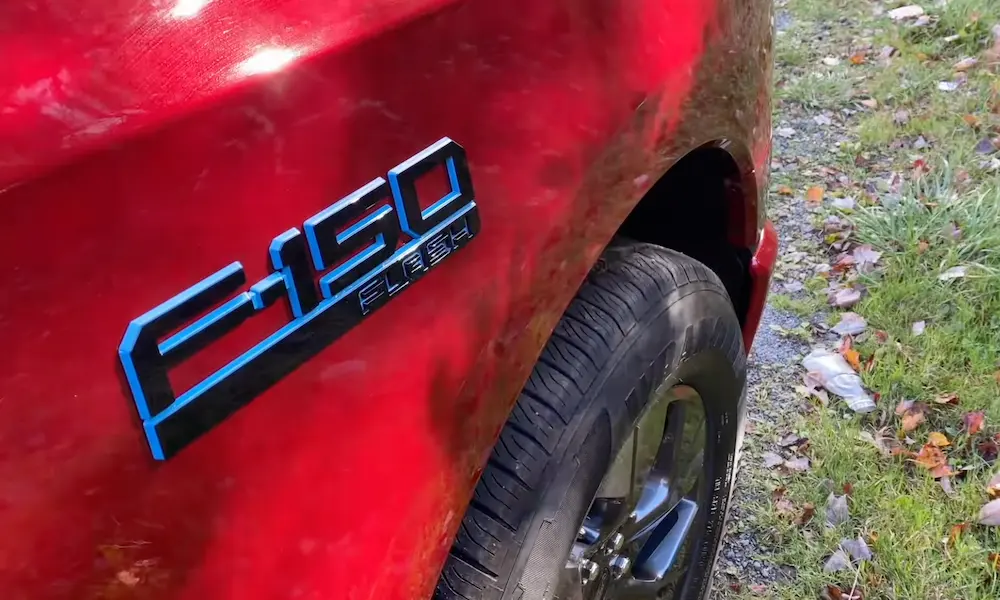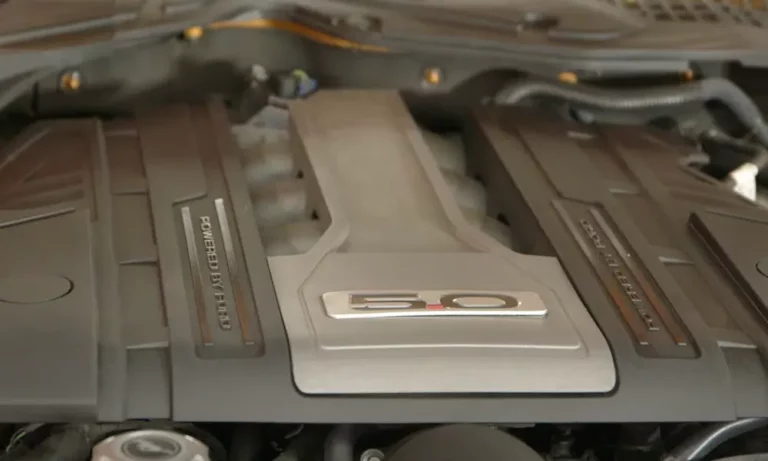
You’ve heard that rumble on the road. That distinctive, throaty growl that can only come from a Ford V8. If you’re considering a Mustang GT or F-150 with the iconic 5.0 Coyote engine, you need to know what makes this powerplant special. Here’s everything you need to understand about this modern muscle car marvel – from horsepower figures to the engineering that makes it stand out in today’s increasingly electrified world.
What Is the Ford 5.0 Coyote Engine?
The Ford 5.0 Coyote engine is a naturally aspirated V8 that powers Ford’s performance vehicles like the Mustang GT and F-150 trucks. First introduced in 2011, this powerplant was Ford’s answer to GM’s 6.2L LS3 found in the Camaro. What makes the Coyote special is how Ford engineers managed to extract impressive power from a relatively modest displacement – all while fitting into the same physical space as the outgoing 4.6-liter engine.
At its core, the Coyote is an overhead cam, 32-valve V8 that combines traditional American V8 character with sophisticated valve timing technology. This isn’t your grandfather’s pushrod V8 – it’s a thoroughly modern engine that continues to evolve through four generations of development.
Ford 5.0 Coyote Engine Specs: By the Numbers
Let’s break down the key specifications that define the Coyote engine:
| Specification | Details |
|---|---|
| Displacement | 5.0 liters (302 cubic inches) |
| Configuration | 90-degree V8 |
| Block Material | Aluminum |
| Cylinder Heads | Aluminum, 4 valves per cylinder |
| Bore x Stroke | 92.2mm x 92.7mm |
| Compression Ratio | 10.5:1 (Gen-1 F-150), 11.0:1 (Gen-1 Mustang), 12.0:1 (Gen-3+) |
| Valve Train | DOHC with Ti-VCT (Twin independent Variable Cam Timing) |
| Fuel System | Sequential port injection (Gen-1/2), Dual injection (port and direct) in Gen-3+ |
| Rev Limit | 7,000 RPM (varies by application) |
| Weight | Approximately 430 lbs (complete assembly) |
The nearly square bore and stroke configuration (92.2mm x 92.7mm) gives the Coyote a balance between low-end torque and high-RPM breathing capability. This is part of what allows the engine to deliver both the grunt needed for truck applications and the high-revving character desired in a sports car.
Coyote Engine Power Evolution: Four Generations of Growth
The 5.0 Coyote engine hasn’t stood still since its introduction. Ford has consistently refined and improved the platform through four distinct generations:
Gen-1 Coyote (2011-2014)
- Mustang GT: 412 hp at 6,500 RPM and 390 lb-ft at 4,250 RPM
- F-150: 360 hp at 5,500 RPM and 380 lb-ft at 4,250 RPM
- First implementation of Ti-VCT technology in a Ford V8
- 11.0:1 compression ratio in Mustang applications
- 10.5:1 compression ratio in F-150 applications
- Sequential port fuel injection
The first-generation established the Coyote as a serious performance engine, delivering impressive output for its displacement. The Mustang Boss 302 variant pushed this platform even further with 444 horsepower.
Gen-2 Coyote (2015-2017)
- Mustang GT: 435 hp at 6,500 RPM and 400 lb-ft at 4,250 RPM
- F-150: 385 hp at 5,750 RPM and 387 lb-ft at 3,850 RPM
- Revised cylinder heads with improved ports
- Higher-lift camshafts
- Stiffer valvesprings for increased RPM capability
- Redesigned piston tops
- Rebalanced forged crankshaft
The second generation brought meaningful power increases through improved breathing capability. The revisions to the cylinder heads and valvetrain allowed the engine to maintain power at higher RPMs.
Gen-3 Coyote (2018-2021)
- Mustang GT: 460 hp at 7,000 RPM and 420 lb-ft at 4,600 RPM
- F-150: 395 hp at 5,750 RPM and 400 lb-ft at 4,500 RPM
- Dual fuel injection (port and direct)
- Increased compression ratio to 12.0:1
- Larger valves
- 10-quart oil pan for better cooling
- Revised cylinder head design
- Longer head bolts (12mm) for increased clamping force
The third generation represented the most significant update to the platform, with the addition of direct injection alongside the existing port injection system. This dual-injection approach allowed for better fuel atomization, increased power, and improved emissions control.
Gen-4 Coyote (2022+)
- 2025 Mustang GT: 486 hp and 418 lb-ft of torque
- Further refinements to intake and exhaust systems
- Enhanced engine management software
- Continued use of dual injection technology
The latest evolution of the Coyote engine pushes output close to 500 horsepower while maintaining similar torque figures to previous generations. This remarkable achievement for a naturally aspirated engine speaks to Ford’s commitment to this platform.
Design Features That Make the Coyote Special
Advanced Block Construction
The Coyote’s aluminum block uses plasma transferred wire arc spray weld liner coating instead of traditional iron cylinder liners. This technology reduces weight while maintaining durability. The block features cross-bolted main bearing caps and substantial main bearing bulkheads to ensure bottom-end strength during high-RPM operation.
Optimized oil drainback paths and windage control features improve oil management during aggressive driving scenarios. This attention to detail helps explain why Coyote engines have proven reliable even with significant power increases over the years.
Sophisticated Cylinder Heads
The cylinder heads are perhaps the most impressive feature of the Coyote engine. These high-flow aluminum designs have been refined through each generation to maximize airflow and combustion efficiency.
The four-valve-per-cylinder layout allows for larger total valve area compared to traditional two-valve designs. Combined with the variable cam timing system, this provides excellent breathing capability across the entire RPM range.
In Gen-3 and newer Coyotes, the valve sizes increased further, with the intake valves growing from 37mm to 38.3mm and exhaust valves increasing from 31mm to 32.5mm. This seemingly small change significantly improved airflow at high RPM.
Twin Independent Variable Cam Timing (Ti-VCT)
One of the most advanced features of the Coyote is its Ti-VCT system that independently controls the timing of both intake and exhaust camshafts. This technology allows the engine to:
- Optimize valve overlap for different RPM ranges
- Improve low-end torque while maintaining high-end horsepower
- Reduce emissions by controlling exhaust gas recirculation
- Enhance fuel economy by optimizing combustion
The system can adjust timing up to 50 degrees of crankshaft rotation, providing remarkable flexibility in how the engine breathes. This allows the Coyote to feel responsive at low RPM while still delivering impressive high-RPM power.
Dual Injection System (Gen-3 and Later)
Beginning with the Gen-3 Coyote in 2018, Ford implemented a dual fuel injection system that combines traditional port injection with direct injection. This innovative approach offers several benefits:
- Port injection provides better fuel atomization at lower RPM and cooler intake temperatures
- Direct injection delivers precise fuel metering at higher loads for improved efficiency
- The combination helps prevent carbon buildup on intake valves (a common issue with direct-injection-only engines)
- Enhanced knock control allows for higher compression ratios
This sophisticated fuel delivery system represents a “best of both worlds” approach that addresses the limitations of either injection method alone.
Ford 5.0 Coyote Applications: More Than Just Mustangs
While most people associate the Coyote with the Mustang GT, this versatile engine powers several Ford vehicles:
Mustang GT (2011-Present)
The flagship application for the Coyote engine, where it receives the highest output tuning and revs the highest. The latest 2025 Mustang GT showcases the newest Gen-4 version with 486 horsepower.
F-150 (2011-Present)
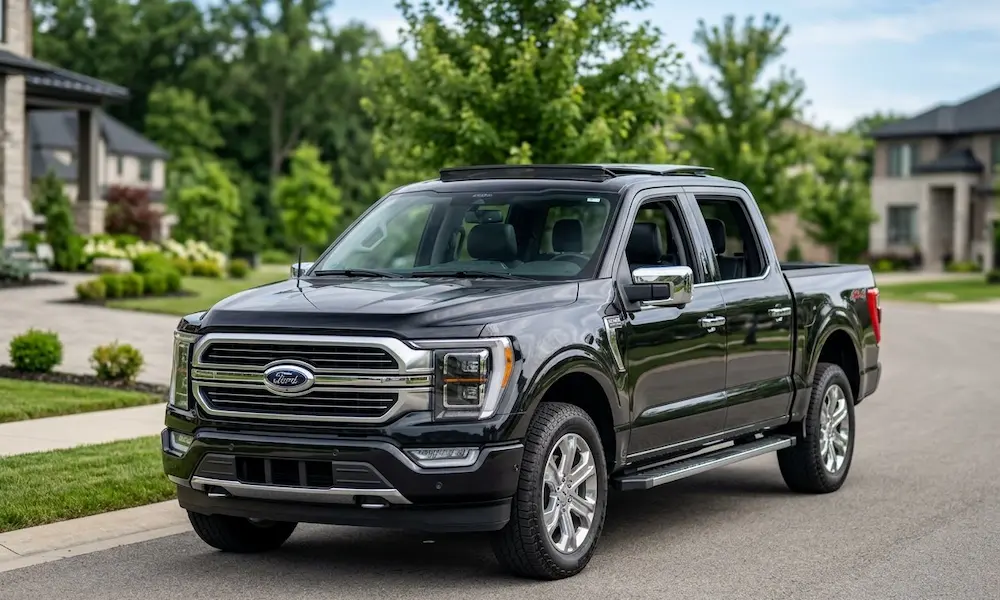
In F-150 trucks, the Coyote is slightly detuned compared to Mustang versions, prioritizing low-end torque and everyday drivability over maximum horsepower. The current version produces 395 horsepower.
Crate Engine Programs
Ford Performance offers complete crate engine packages for custom vehicle builds, restorations, and racing applications. These range from standard versions to specialized high-output variants exceeding 500 horsepower.
Transmission Pairings
The Coyote has been paired with several transmissions throughout its production:
- Six-speed manual (Mustang GT, 2011-present)
- Six-speed automatic (2011-2017)
- Ten-speed automatic (2018-present)
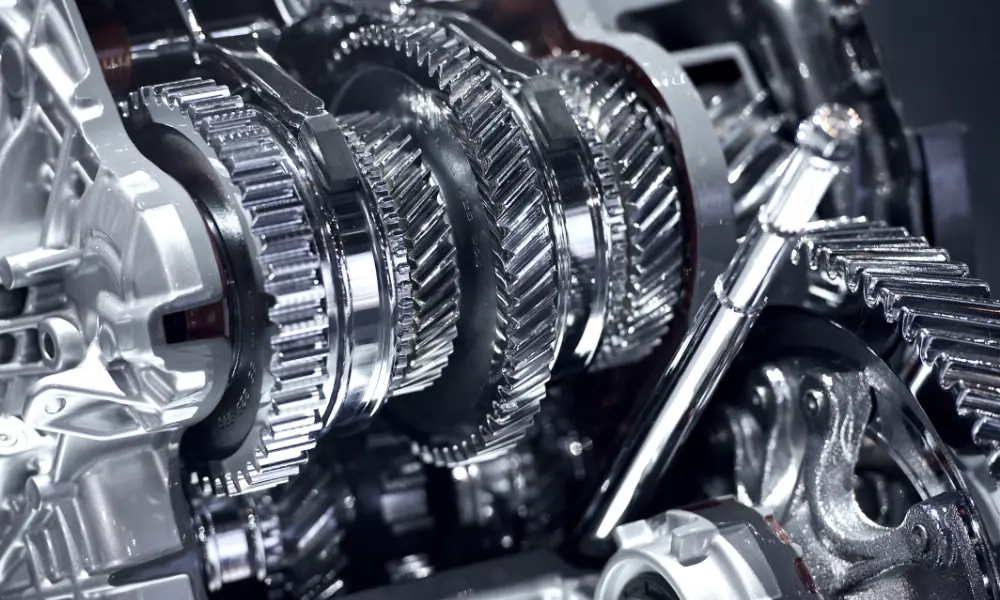
The ten-speed automatic, developed jointly with General Motors, offers closer gear spacing and faster shifts, complementing the Coyote’s power delivery characteristics.
Performance Potential: What Can a Coyote Engine Really Do?
In stock form, the Coyote engine delivers impressive performance, but its true potential is revealed when modified. The robust block design and sophisticated cylinder heads provide an excellent foundation for power upgrades.
Common Modifications and Expected Gains
- Cold air intake: 10-15 horsepower
- Performance exhaust: 15-25 horsepower
- Tuning: 20-30 horsepower (more with other modifications)
- Camshafts: 30-50+ horsepower
- Ported cylinder heads: 25-40+ horsepower
- Forced induction (supercharger): 150-300+ horsepower
Many modified Coyote engines have exceeded 700 horsepower while maintaining reliability with proper supporting modifications. The aftermarket support for these engines is extensive, with everything from simple bolt-on parts to complete forced induction kits readily available.
How the Coyote Compares to Competitor V8 Engines
How does the Ford 5.0 Coyote stack up against its competitors? Here’s a comparison with similar displacement V8 engines:
| Engine | Displacement | Peak Horsepower | Peak Torque | Architecture |
|---|---|---|---|---|
| Ford 5.0 Coyote (Gen-4) | 5.0L (302ci) | 486 hp | 418 lb-ft | DOHC, 32v |
| Chevrolet LT1 | 6.2L (376ci) | 455-495 hp | 455-470 lb-ft | Pushrod, 16v |
| Dodge 392 HEMI | 6.4L (392ci) | 485 hp | 475 lb-ft | Pushrod, 16v |
| Toyota 5.0 | 5.0L (304ci) | 471 hp | 398 lb-ft | DOHC, 32v |
The Coyote achieves comparable or better specific output (horsepower per liter) than its competitors despite having less displacement. This efficiency comes from its sophisticated valvetrain and breathing capability. While the pushrod engines from GM and Stellantis (Dodge) deliver more torque at lower RPM, the Coyote’s high-revving character provides a different driving experience that many enthusiasts prefer.
Common Issues and Reliability Concerns
While the Coyote is generally regarded as reliable, there are some known issues to be aware of:
Oil Consumption
Some owners report higher than expected oil consumption, particularly in early examples. This is often attributed to the piston ring design and typically improves after the engine breaks in fully.
Timing Chain Stretch
In high-mileage examples, timing chain stretch can occur. Regular oil changes with the correct specification oil help mitigate this issue.
Oil Pump Failures
There have been isolated reports of oil pump failures, particularly in engines that see frequent high-RPM use. Aftermarket oil pumps are available that address this potential weakness.
Carbon Buildup
Gen-1 and Gen-2 Coyotes can experience carbon buildup on intake valves, though this is less severe than in direct-injection-only engines. The dual injection system in Gen-3 and newer versions largely addresses this concern.
Despite these minor issues, the Coyote has proven to be one of the more reliable modern performance engines. Many examples have exceeded 150,000 miles with proper maintenance, even in performance applications.
Maintaining Your Coyote Engine: Care Tips
To keep a 5.0 Coyote engine running strong, follow these maintenance guidelines:
- Use the recommended oil: Ford specifies 5W-20 synthetic blend for most applications, but some owners prefer full synthetic
- Change oil and filter every 5,000-7,500 miles (more frequently for hard use)
- Replace the air filter regularly, especially in dusty environments
- Use the recommended fuel (premium 91+ octane for best performance)
- Allow proper warm-up before high RPM operation
- Consider more frequent transmission fluid changes if you use the vehicle for towing or track days
- Check for oil leaks around the timing cover and oil pan gaskets
With proper care, a Coyote engine can provide years of reliable service while delivering the exhilarating performance that makes it a favorite among enthusiasts.
Final Thoughts: Is the Coyote Engine Right for You?
The Ford 5.0 Coyote engine represents an impressive balance of traditional V8 character with modern engineering. If you value the following attributes, a Coyote-powered vehicle might be perfect for you:
- Responsive, high-revving character with excellent throttle response
- Iconic V8 sound without the harshness of some pushrod engines
- Strong aftermarket support for modifications
- Proven reliability when properly maintained
- The thrill of naturally aspirated power delivery
Whether you’re looking at a new Mustang GT, considering an F-150 with V8 power, or planning a custom build with a crate engine, the Coyote offers performance that continues to impress even in today’s increasingly turbocharged and electrified automotive landscape.
With its evolution through four generations and consistent improvements in power and efficiency, the 5.0 Coyote engine has earned its place as one of the great modern V8 designs. It proves that there’s still room for naturally aspirated performance in today’s world – especially when it’s backed by innovative engineering and a commitment to continuous improvement.