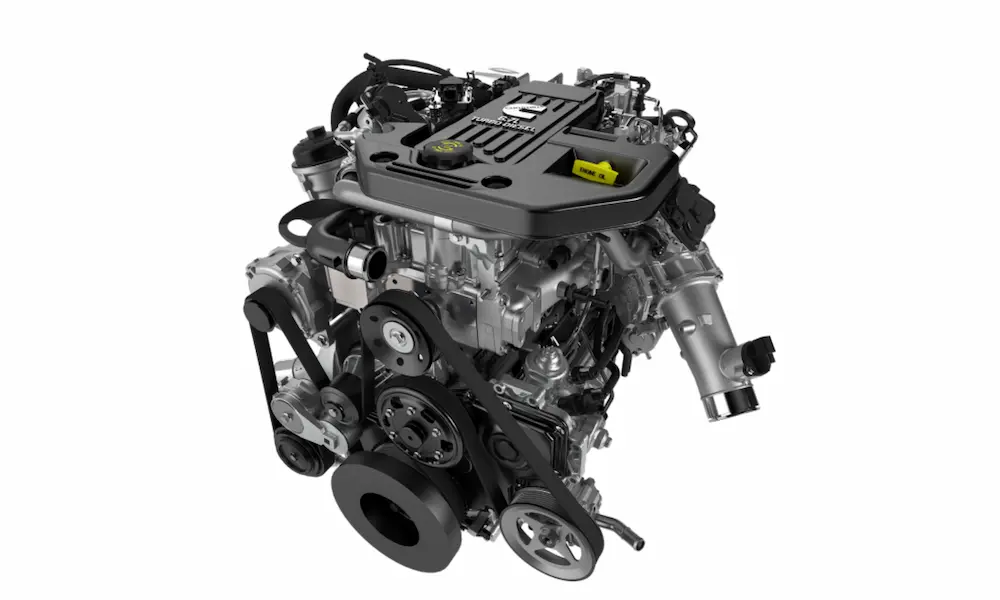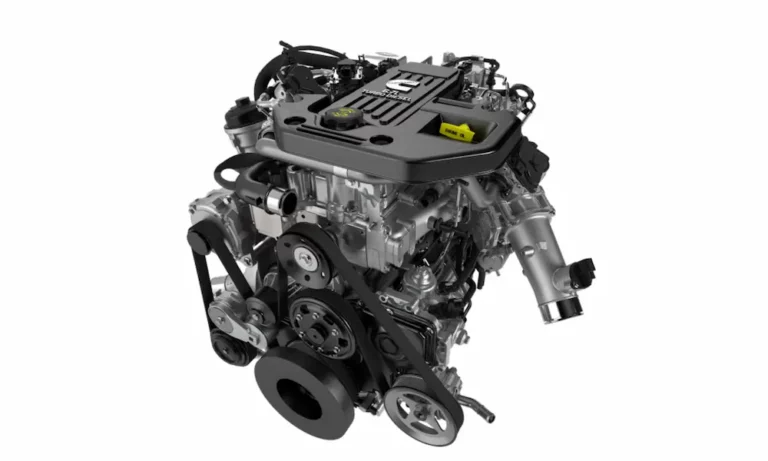
Ever wondered what makes the 6.7 Cummins one of the most respected diesel engines on the market? Whether you’re shopping for a used Ram truck, considering an upgrade, or just fascinated by diesel engineering, understanding the complete picture of the 6.7 Cummins can help you make smarter decisions about your next heavy-duty vehicle.
This workhorse has transformed dramatically since its 2007 debut, growing from an already impressive 350 horsepower engine to today’s 430 horsepower beast. Let’s dive into what makes this inline-six diesel tick and how it’s evolved over nearly two decades.
The Birth of the 6.7 Cummins (2007-2010)
The 6.7L Cummins burst onto the scene in mid-2007, replacing the legendary 5.9L that had powered Dodge trucks since 1989. This wasn’t just a small upgrade—it was a complete redesign driven by stricter emissions standards and demands for more power.
When first introduced, the 6.7 Cummins offered:
- 350 horsepower at 3,000 RPM
- 650 lb-ft of torque at 1,500 RPM (with automatic transmission)
- 610 lb-ft of torque (with manual transmission)
- 17.3:1 compression ratio
The engine featured a straight-six configuration with a displacement of 6.7 liters (408.2 cubic inches), a bore of 4.21 inches, and a stroke of 4.88 inches. Unlike its predecessor, this new powerplant came equipped with advanced emissions control systems from the start, including Exhaust Gas Recirculation (EGR) and a Diesel Particulate Filter (DPF).
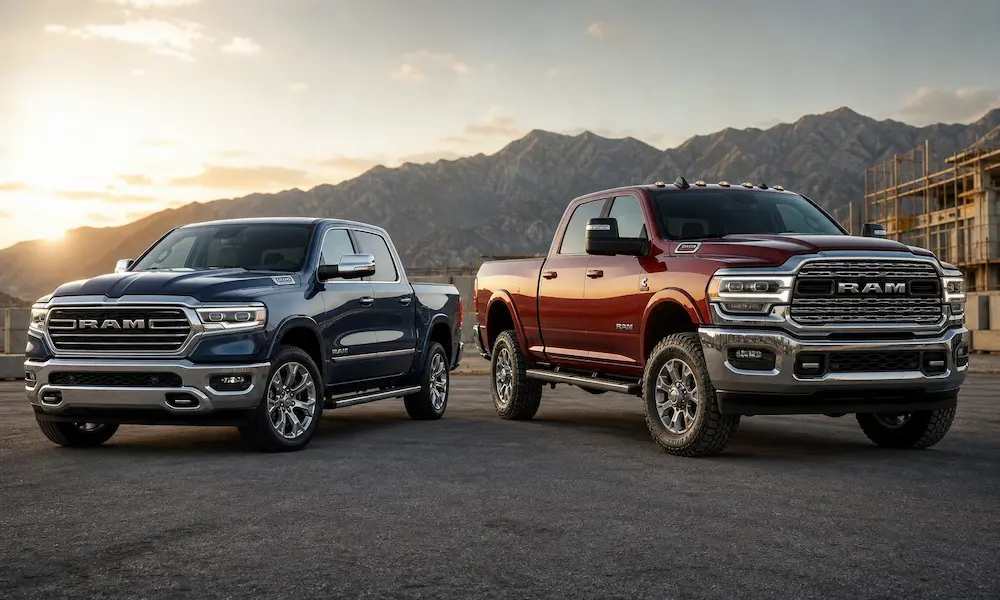
These first-generation engines established the foundation for what would become a continuously improving platform. The truck models using this engine during this period—Ram 2500, 3500, 4500, and 5500—began building the reputation for capability that continues today.
The Middle Years: Refinement and Growth (2011-2018)
Between 2011 and 2018, Cummins engineers focused on enhancing power delivery while meeting increasingly stringent emissions requirements.
2011-2012 Models
By 2011, while the horsepower remained at 350, torque jumped significantly to 800 lb-ft—a 23% increase from the original. This boost came alongside improvements to the exhaust brake capacity, which increased from 150 to 222 horsepower.
Key specs for this period included:
- 350 horsepower
- 800 lb-ft of torque
- Enhanced exhaust brake functionality
- Improved emissions systems
2013-2018 Models
This period saw gradual improvements in power output and refinement. By 2018, the 6.7 Cummins offered:
- Up to 385 horsepower
- Up to 930 lb-ft of torque
- Further emissions enhancements
The engine continued to be paired with different transmissions, each with its own power rating:
- 68RFE six-speed automatic (standard output)
- Aisin AS69RC six-speed automatic (high output)
- G56 six-speed manual (slightly detuned)
During this era, Cummins engineers focused on improving the variable geometry turbocharger and refining the high-pressure common rail fuel injection system, which featured precise 7-hole injectors for better combustion control.
Breaking Barriers: The 1,000 Lb-ft Era (2019-2022)
The 2019 model year marked a watershed moment for the 6.7 Cummins with a major power increase:
2019-2020 Models
- Standard output: 370 horsepower / 850 lb-ft
- High output: 400 horsepower / 1,000 lb-ft
This was the first time a factory pickup truck diesel engine had reached the 1,000 lb-ft torque threshold, setting a new benchmark in the heavy-duty segment.
2021-2022 Models
By 2021, the engine pushed even further:
- Standard output: 370 horsepower / 850 lb-ft
- High output: 420 horsepower / 1,075 lb-ft
This high-output variant, available in Ram 3500 trucks with the Aisin transmission, was marketed as “best-in-class” for torque output. The standard output version continued to power Ram 2500 and 3500 models equipped with the 68RFE automatic transmission.
| Model Year | Standard Output | High Output |
|---|---|---|
| 2007-2010 | 350 hp / 650 lb-ft | N/A |
| 2011-2012 | 350 hp / 800 lb-ft | N/A |
| 2013-2018 | 350-385 hp / 800-930 lb-ft | N/A |
| 2019-2020 | 370 hp / 850 lb-ft | 400 hp / 1,000 lb-ft |
| 2021-2022 | 370 hp / 850 lb-ft | 420 hp / 1,075 lb-ft |
The Current Generation: 2023-2025 Models
The latest 6.7 Cummins engines represent the pinnacle of nearly two decades of continuous development. According to Cummins’ official specifications, the 2025 model offers:
- Power outputs from 360 to 430 horsepower
- Torque ranging from 800 to 1,075 lb-ft
- Certification for both CARB and EPA emissions standards
- Continued availability for pickup and chassis cab applications
For chassis cab applications specifically, the 2025 model is rated at 360 horsepower and 800 lb-ft of torque, optimized for commercial use where reliability takes precedence over maximum power.
The engine continues to feature its core design elements:
- Inline-six configuration
- 6.7 liter displacement (408.2 cubic inches)
- 4.21-inch bore and 4.88-inch stroke
- 17.3:1 compression ratio
- Forged steel crankshaft with seven main bearings
- Gear-driven camshaft for enhanced reliability
Technical Innovations That Define the 6.7 Cummins
Several key technologies have evolved throughout the engine’s lifespan, contributing to its impressive capabilities:
Advanced Turbocharging
The Holset variable geometry turbocharger (a Cummins subsidiary product) automatically adjusts to provide optimal boost at any engine speed. This technology delivers responsive power across the entire RPM range while supporting emissions control through precise exhaust flow management.
High-Pressure Common Rail Fuel System
The common rail system with 7-hole injectors enables extremely precise fuel delivery. This system can:
- Operate at very high pressures
- Deliver multiple injection events per combustion cycle
- Provide finer control over the combustion process
- Reduce noise and improve efficiency
Emissions Control Systems
From its introduction, the 6.7 Cummins has incorporated sophisticated emissions technology:
- Exhaust Gas Recirculation (EGR)
- Diesel Particulate Filter (DPF)
- Selective Catalytic Reduction (SCR) with DEF fluid
These systems have been continuously refined to meet increasingly stringent standards while minimizing their impact on performance and fuel economy.
Vehicle Applications Beyond Ram Trucks
While best known for powering Ram heavy-duty pickups, the 6.7 Cummins has found homes in numerous other applications:
Commercial Vehicles
In commercial applications, the engine (designated B6.7) offers power ratings from 260 to 325 horsepower and torque between 660 and 750 lb-ft. According to International Trucks, these somewhat lower outputs reflect the different requirements for commercial vehicles focusing on reliability and total cost of ownership.
Bus Applications
The engine has powered various bus platforms including:
- Blue Bird Vision school buses
- Thomas Saf-T-Liner C2
- IC CE models
- BMC Procity city buses
This versatility across different vehicle types demonstrates the engine’s adaptable design and flexible performance characteristics.
6.7 Cummins vs. The Competition
The primary competitor to the 6.7 Cummins is Ford’s 6.7L Power Stroke diesel V8. These engines take different approaches to achieving their performance goals:
Architectural Differences
- Cummins: Inline-six configuration
- Power Stroke: V8 layout
This fundamental difference impacts many aspects of engine character. The Cummins inline design offers inherent balance advantages and a straightforward layout, while the Power Stroke V8 provides a more compact package for a given displacement.
Performance Comparison
While specific comparative figures vary by model year, the Cummins engine has often been marketed for its superior towing capacity compared to the Power Stroke. Both engines have undergone continuous development to increase power and torque while meeting emissions requirements.
The competition between these engines has driven innovation in the heavy-duty diesel market, benefiting consumers through improved capabilities and technologies.
The 6.7 Cummins Maintenance Profile
One of the 6.7 Cummins’ strengths is its relatively straightforward maintenance compared to some competitors:
Oil System
The engine has a substantial oil capacity of 3 US gallons (11 liters) including the filter, supporting extended service intervals and heavy-duty operation.
Durability Features
Several design elements contribute to the engine’s reputation for longevity:
- Forged steel crankshaft
- Seven main bearings for crankshaft support
- Gear-driven camshaft (no timing chains or belts to fail)
- Robust cylinder block design
Emissions System Maintenance
The emissions systems do require attention:
- Regular DPF regeneration cycles
- DEF fluid refills
- EGR system maintenance
These systems have become more reliable with each generation but still represent additional maintenance points compared to pre-2007 diesels.
Future Outlook for the 6.7 Cummins
As the 6.7 Cummins enters its third decade of production with the 2025 model year, it continues to demonstrate that continuous improvement of a well-designed architecture yields impressive results.
Looking forward, we can expect:
- Further refinements to emissions systems
- Potential electrification assistance
- Continued focus on fuel efficiency
- Possible advanced materials to reduce weight
The partnership between Ram and Cummins shows no signs of ending, ensuring this iconic engine will continue evolving to meet the needs of heavy-duty truck owners.
Making Sense of the 6.7 Cummins Legacy
The journey of the 6.7 Cummins from 2007 to 2025 tells a story of remarkable engineering achievement. Starting at 350 horsepower and 650 lb-ft of torque and growing to today’s 430 horsepower and 1,075 lb-ft variants, the engine has maintained its fundamental architecture while incorporating significant technological advancements.
This inline-six diesel has earned its reputation through:
- Consistent power delivery
- Exceptional torque for towing and hauling
- Adaptability across multiple applications
- Evolutionary improvement without sacrificing reliability
Whether powering a personal truck or commercial vehicle, the 6.7 Cummins continues to set standards in the heavy-duty diesel market, balancing raw power with increasingly clean operation and dependable service.