Is your Ford Edge blasting hot air instead of that refreshing cold breeze you need? Nothing ruins a summer drive faster than a malfunctioning AC system. Your cooling problem likely has a simple explanation—and we’ll help you get to the bottom of it without unnecessary trips to the mechanic.
Low Refrigerant: The Most Common Culprit
When your Ford Edge AC suddenly starts blowing warm air, low refrigerant levels are typically to blame. Your AC system is designed to be completely sealed, so any refrigerant loss indicates a leak somewhere in the system.
How to identify refrigerant issues:
- Your AC compressor engages (you hear a click) but only warm air comes out
- The cooling gradually becomes less effective over time
- You notice oily residue near AC components or hoses
Ford Edge models (2019 and newer) use R-1234yf refrigerant, while older models use R-134a. Both systems require precise amounts—typically 525-575 grams depending on your specific model year.
A proper diagnosis requires connecting manifold gauges to the low-pressure service port. Pressure readings below 25 psi (with engine idling and AC on maximum) confirm low refrigerant levels.
Solution:
Have a certified technician:
- Pressurize the system with UV dye to find leaks
- Repair any identified leaks at connection points, the evaporator, or condenser
- Recharge the system to factory specifications
Blend Door Actuator Failure: Hot/Cold Air Mismatch
A blend door actuator is a small electric motor with plastic gears that controls the mix of hot and cold air in your Ford Edge. When it fails, you might experience temperature inconsistencies between the driver and passenger sides.
Signs of a bad blend door actuator:
- Clicking or ticking noises from behind the dashboard when adjusting temperature
- One side blows cold while the other blows hot
- Temperature settings don’t match the actual air temperature
This is especially common in dual-zone climate control Edge models, which have separate actuators for each side. Many Ford Edge owners report this issue, particularly in 2011-2014 models.
Solution:
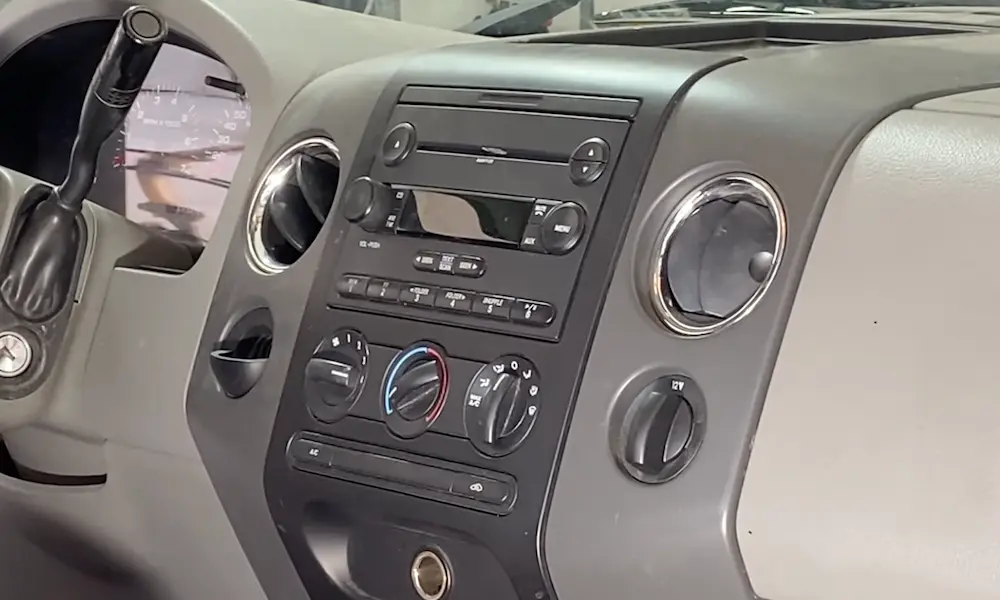
Try the climate control reset first:
- With vehicle on but engine not started
- Press and hold both “Climate Power” and “Defrost” buttons simultaneously until you hear a click
- Press the “Power” button again
If the reset fails, you’ll need to replace the faulty actuator. The driver’s side unit is located behind the lower dash, while the passenger side requires glove box removal for access. Many owners have successfully replaced these themselves with basic tools.
Condenser or Radiator Fan Problems: Hot Weather Failures
Your Ford Edge’s AC condenser sits in front of the engine radiator and needs continuous airflow to function properly. If the electric cooling fans aren’t working, your AC might blow cold at highway speeds but warm when idling.
How to spot fan issues:
- AC works fine when driving but fails at idle
- Engine temperature rises when AC is on
- AC performance decreases in hot weather or traffic
The cooling system relies on two electric fans that should activate when the AC is running. If either fan fails, the system may shut down the compressor to prevent engine overheating.
Solution:
- Check fuses #70 and #75 in the under-hood fuse box
- Inspect the fan relay in the same fuse box
- Test fan motors directly with a power source if necessary
- Replace any defective components to restore proper cooling
Compressor or Clutch Failure: The Heart of Your AC
The compressor is the heart of your Ford Edge’s AC system, and its electromagnetic clutch engages to circulate refrigerant. When either component fails, your system can’t produce cold air.
Signs of compressor problems:
- No clicking sound when you turn on the AC
- Belt squealing when AC is activated
- No change in vent temperature when AC is on
Compressor issues often develop after extended periods without use, which is why AC problems frequently appear in spring after winter dormancy.
Testing for compressor problems:
- Inspect the serpentine belt and tensioner for damage
- Listen for a click when turning on the AC (indicates clutch engagement)
- Check for voltage at the clutch coil with AC on (should read approximately 12V)
Solution:
Depending on the specific issue, you may need to:
- Replace just the compressor clutch assembly
- Rebuild the compressor if internally damaged
- Replace the entire compressor unit in severe cases
Clogged Cabin Air Filter: The Simple Fix
Sometimes the simplest explanation is correct. A severely clogged cabin air filter can restrict airflow to the point where your Ford Edge’s AC seems ineffective, even when the system is functioning properly.
Signs of a clogged filter:
- Weak airflow from vents
- Musty smell when AC is running
- Visible debris or discoloration on the filter
The cabin air filter in your Edge should be replaced every 15,000-30,000 miles according to Ford’s maintenance schedule. Many owners forget this simple maintenance item.
Solution:
- Locate the cabin filter behind the glove box
- Remove and inspect for debris or discoloration
- Replace with a new filter if dirty
This simple maintenance task can dramatically improve AC performance and is easy enough for most owners to handle themselves.
Electrical System Issues: The Hidden Problem
Modern Ford Edge models have complex climate control systems managed by electronic modules. Electrical problems can prevent proper AC function even when mechanical components are fine.
Common electrical AC issues:
- Blown fuses
- Failed relays
- Damaged wiring
- Climate control module faults
According to safety reports filed with the National Highway Traffic Safety Administration, some electrical issues have been identified in certain model years that affect climate control operation.
Solution:
- Check all climate control fuses in both the interior and under-hood fuse boxes
- Test system relays with a multimeter
- Look for damaged wiring near moving components
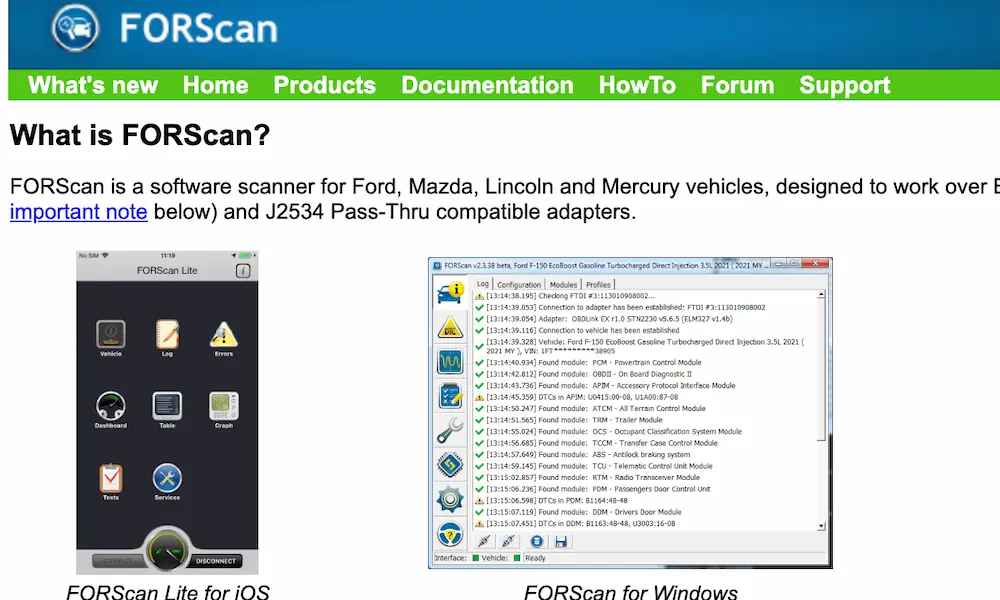
- Consider having the climate control module scanned for error codes
AC Performance Comparison by Model Year
| Ford Edge Year | Common AC Issues | Refrigerant Type | Recommended Fix Difficulty |
|---|---|---|---|
| 2007-2010 | Blend door failures, leaks | R-134a | Moderate |
| 2011-2014 | Compressor clutch, actuators | R-134a | Moderate to difficult |
| 2015-2018 | Fan control modules, leaks | R-134a | Moderate |
| 2019+ | Electrical issues, refrigerant leaks | R-1234yf | Moderate to difficult |
Diagnosing Your Ford Edge AC Problems: A Systematic Approach
Before spending money on repairs, follow this step-by-step diagnostic process to pinpoint your AC issue:
- Check airflow: Verify that air is coming from all vents at normal volume
- Test both sides: Compare driver and passenger side temperatures
- Listen for the compressor: A clicking sound should occur when AC is turned on
- Watch the cooling fans: They should run when AC is on and vehicle is idling
- Check for leaks: Look for oily residue around hoses and components
Many Ford Edge owners in online forums report that following this systematic approach helped them identify their specific AC issue without expensive diagnostic fees.
According to CarGurus discussions, blend door actuator issues are particularly common in the 2011-2014 Edge models, while refrigerant leaks tend to affect all years.
Preventative Maintenance To Keep Your AC Cold
The best way to avoid AC problems is regular maintenance. Follow these tips to maximize your Ford Edge’s cooling performance:
- Run your AC at least once a week, even in winter, to keep seals lubricated
- Replace the cabin air filter annually or every 15,000 miles
- Have the system checked for leaks at the first sign of reduced cooling
- Keep the condenser clear of debris and bugs
- Schedule professional AC service every two years
Regular use of your AC system actually helps prevent seal deterioration, as the refrigerant contains lubricants that keep rubber components from drying out and cracking.
Don’t suffer through summer with a hot Ford Edge. By understanding these common problems and their solutions, you can troubleshoot effectively and get back to enjoying cool, comfortable drives in your vehicle.