If your Ford Focus shudders, jerks, or randomly loses power, you’re probably dealing with one of the most documented transmission disasters in modern car history. The Ford Focus transmission recall saga spans over a decade, touches millions of vehicles, and involves lawsuits, buybacks, and some jaw-dropping internal admissions. Read on — this one’s worth your time.
Why the Ford Focus Transmission Became Such a Big Problem
Ford designed the DPS6 PowerShift transmission to be fuel-efficient and modern. The pitch sounded great: all the smoothness of an automatic with the efficiency of a manual. The reality? Ford’s own engineers reportedly flagged the dry-clutch design as a “mechanical catastrophe” as early as 2008 — yet Ford pushed it to market anyway to hit fuel economy targets.
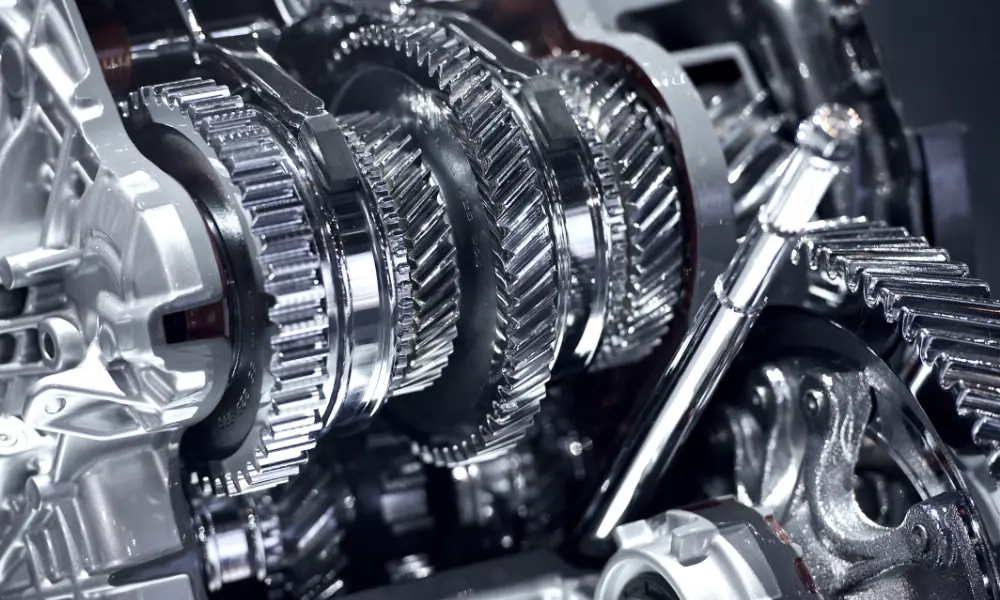
The DPS6 is a six-speed dual-clutch transmission. Two clutch packs handle alternating gears, which theoretically allows faster, smoother shifts. The problem? Ford chose a dry-clutch design instead of a wet one. No oil circulates to cool things down. In stop-and-go city traffic — exactly where Focus drivers spend their time — heat builds fast, friction surfaces glaze, and things fall apart.
Here’s how the DPS6 stacks up against more conventional transmissions:
| Transmission Type | Cooling Method | Expected Lifespan | Primary Problems |
|---|---|---|---|
| DPS6 PowerShift | Air (Dry Clutch) | 60,000–100,000 miles | Shudder, seal leaks, TCM failure |
| 6F35 Automatic | Fluid (Wet) | 150,000+ miles | Solenoid wear, fluid breakdown |
| IB5/B6 Manual | Fluid (Wet) | 200,000+ miles | Normal friction wear |
The gap in reliability is hard to ignore. The DPS6’s reliance on electric motor actuation meant any minor resistance caused jerky engagement or outright failure.
The Shudder Problem: Leaking Seals and Contaminated Clutches
The most common complaint from Focus owners? A violent shudder or judder during light acceleration, usually between first and second gear. This doesn’t come from nowhere.
The transmission’s input shaft seals wear out prematurely. Even a tiny leak lets fluid drip onto the dry clutch plates. In a wet-clutch system, that fluid would lubricate. In a dry-clutch system, it causes the clutch to slip, grab, slip again — and that’s the shudder you feel.
As that contamination builds up, the friction material breaks down into a slurry that damages actuators and internal bearings. Ford eventually acknowledged this in technical service bulletins TSB 15-0120 and 16-0109, though the initial fix was just a software update — which did nothing to stop a physical seal from leaking.
Ford did introduce improved seals after June 2013. Here’s the breakdown by model:
| Model Year | Build Date Range | Improved Seals Available |
|---|---|---|
| 2011–2014 Fiesta | Nov 2009 – Oct 2014 | Post-June 2013 |
| 2012–2014 Focus | Aug 2010 – Oct 2014 | Post-June 2013 |
| 2015–2016 Focus | Post-Oct 2014 | Standardized |
The catch: vehicles built after June 2013 still experienced shuddering, which suggests the dry-clutch design itself was the real problem — not just the seals.
The TCM Crisis: When the Electronics Quit Too
The mechanical issues weren’t the only problem. The Transmission Control Module (TCM) — the computer brain running the whole show — also failed regularly. Ford mounted the TCM directly on the transmission case, exposing it to heat and vibration. Over time, connectors inside crack, electrical continuity drops, and the transmission starts acting up.
When the TCM fails, the symptoms can go from annoying to genuinely dangerous:
- Sudden loss of gear engagement while driving
- Vehicle stuck in neutral with no warning
- No-start condition
- Random power loss at highway speeds
Losing propulsion while merging into traffic is a real safety hazard. Ford responded with Customer Satisfaction Programs 14M02 and 15B22 — the latter being a software update designed to warn drivers before a complete failure. Critics called it a band-aid.
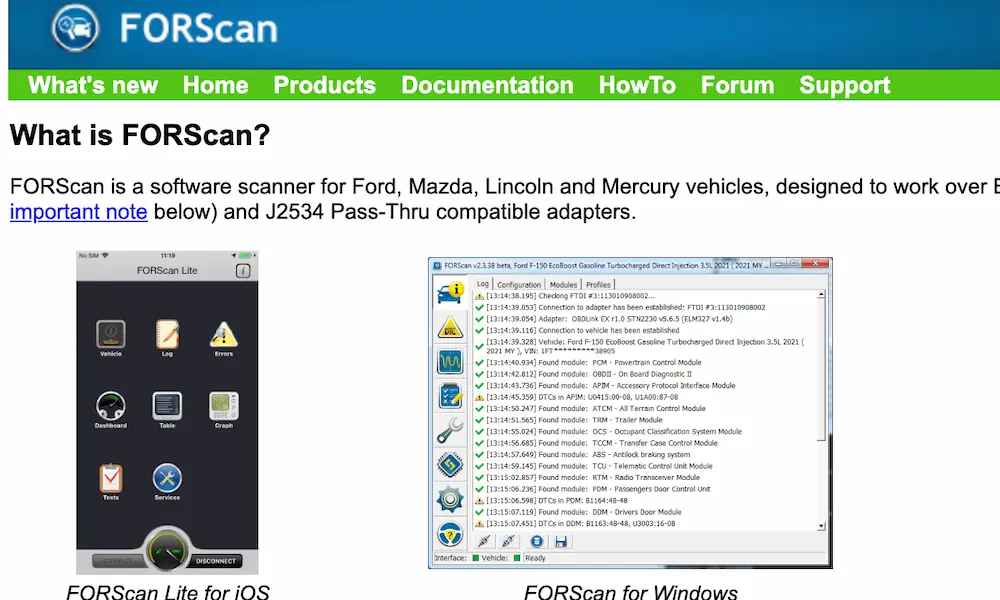
Common trouble codes to watch for:
| DTC Code | What It Means | How Bad |
|---|---|---|
| P0606 | TCM Processor Fault | Critical — immediate power loss |
| U0100/U0101 | Lost Communication with TCM | High — no-start condition |
| P0901 | Clutch Actuator Circuit | Moderate — harsh shifts |
| U1013 | Invalid Data from TCM | Moderate — intermittent issues |
If you own a Ford Focus and see any of these codes, don’t just clear them and hope for the best.
The Recall That Covers More Than the PowerShift
The Ford Focus transmission recall story doesn’t stop with the DPS6. Safety Recall 23S64 (NHTSA 23V-905) covers 2016–2018 Focus models with the 1.0L EcoBoost engine and the 6F15 automatic transmission — a totally different setup, same level of misery.
The defect here involves the engine oil pump drive belt tensioner arm, which can fracture. When it does, you get three potential disasters at once:
- Engine seizure from total oil pressure loss
- Loss of propulsion mid-drive from a sudden engine stall
- Loss of power brakes because the vacuum pump runs off the engine
About 136,161 vehicles fall under this recall. Final repair parts — a redesigned oil pump drive belt and tensioner — became available in early 2025. If you own one of these, check your recall status immediately.
Manual Transmission Owners Aren’t Off the Hook Either
Think the manual gearbox kept you safe? Not entirely. Safety Recall 18S07 (NHTSA 18V-169) targets 2015–2018 Focus models with the 6-speed manual and the 1.0L engine.
The clutch assembly overheats from excessive slip, which can crack or fracture the clutch pressure plate. A fractured pressure plate can leak fluid onto hot exhaust components — and that’s a fire risk. Ford’s fix involved a PCM software update that limits engine torque if the system detects dangerous clutch slip. If your clutch failed a physical test, the whole assembly got replaced.
The Vargas Settlement: What You Could Have Claimed
The biggest legal resolution for PowerShift owners was the Vargas v. Ford class action settlement, which covered approximately 1.9 million owners of 2011–2016 Fiestas and 2012–2016 Focus models. The settlement took effect April 7, 2020.
Cash payments scaled up based on how many dealer visits you endured:
Software Repair Track:
- 3rd visit: $50
- Each additional visit: $50 (up to $600 total)
Hardware Replacement Track:
- 3rd visit: $200
- 4th visit: $275 (total $475)
- Maximum: $2,325 for eight or more qualifying visits
Owners could also take discount certificates worth double the cash value — up to $4,650 — toward a new Ford purchase. Many owners saw this as a trap: get compensated for Ford’s defective product by buying another Ford.
The settlement also included a vehicle buyback option. To qualify, owners needed:
- At least four qualifying hardware replacements during separate visits
- All repairs within five years or 60,000 miles of original delivery
- Continued transmission defect after repairs
Arbitration requests generally had to be filed within six years of the vehicle’s delivery date. Most deadlines for earlier model years have now passed.
Where Things Stand in 2026: New Lawsuits, New Transmissions
The Vargas settlement closed a chapter, but it didn’t end the story. New class action lawsuits in the Northern District of Illinois now target Ford’s 10-speed automatic (the 10R80) — a transmission developed jointly with General Motors — for similar erratic shifting and gear slipping behavior.
In this ongoing case, Judge Jeffrey Cummings has already:
- Allowed plaintiffs’ technical and warranty experts to testify
- Rejected Ford’s attempt to dismiss Magnuson-Moss Warranty Act claims
- Ordered discovery involving millions of internal Ford documents
Meanwhile, owners of 2017–2018 Focus models filed separate suits arguing Ford kept selling cars with a known unfixable defect after the Vargas cutoff date. Reports describe clutches wearing out by 30,000 miles. A Canadian class action in British Columbia has also targeted 2017/2018 vehicles with the 10-speed transmission — making this a cross-border issue.
The Financial Reality for Focus Owners Today
Here’s what makes the Ford Focus transmission recall situation especially painful for current owners — the repair cost often exceeds what the car is worth:
| Model Year | Estimated Trade-In Value | Avg. Transmission Replacement Cost | Net Position |
|---|---|---|---|
| 2014 Focus | $4,530 – $5,600 | $5,700 – $6,259 | Negative |
| 2016 Focus | $6,200 – $7,400 | $5,700 – $6,259 | Marginal |
| 2018 Focus | $8,500 – $10,200 | $5,700 – $6,259 | Tight |
Many owners face a total loss scenario — the car’s worth less than the fix. Because transmission issues often return even after repair, buyers avoid used Focus models, driving resale values down further. In 2025, Ford set a record for the most recalls in a single calendar year (153) — doubling the previous record. That context makes it hard to sell a used Focus at a fair price.
What to Do If Your Ford Focus Is Still Showing Symptoms
If you’re still driving an affected Focus, here’s what actually matters:
Check your recall status first. Visit NHTSA’s recall database and enter your VIN. Multiple open recalls may apply to your vehicle — and dealers must fix them at no cost.
Know the diagnostic threshold. Under TSB 15-0120 and Customer Satisfaction Program 19N08, a shudder only qualifies as a warrantable failure if the RPM oscillation exceeds 250 RPM during light acceleration. Document your symptoms carefully.
Always request the clutch relearn after any repair. Following any TCM update or clutch replacement, the TCM Adaptive Learning procedure must run. Skip it, and you’ll likely experience even harsher shifts immediately after the repair.
Consider aftermarket TCM options. Due to chronic shortages of factory TCMs, Dorman now makes remanufactured units with upgraded solder joints built to handle the heat and vibration that kill OEM modules. TCM cloning services also exist if dealer backlogs stretch to six months in your area.
Document every visit. If you still have an open warranty or are considering legal action, every dealer visit creates a paper trail. Keep copies of every repair order, even if the dealer claims they found “nothing wrong.”
The 14M02 TCM coverage expired in June 2025 for many early model owners, leaving a large group without free repair options for a known, documented defect. If you’re in that window, knowing your rights and your options matters more than ever.