Got a P1780 code on your Ford and no idea where to start? You’re dealing with a transmission control switch fault, and it’s more straightforward than you think. This guide walks you through exactly what causes it, how to test it, and how to fix it for good. Stick around — the answer might be simpler than you expect.
What Is the Ford P1780 Code?
The Ford P1780 code means your powertrain control module (PCM) didn’t detect a change in the transmission control switch during a diagnostic self-test. In plain English, the computer expected your overdrive button to do something, and it didn’t respond.
This isn’t a code that signals your transmission is about to explode. It’s a circuit problem, not a mechanical one. But don’t ignore it — it disables your ability to manage overdrive, which matters a lot when you’re towing or descending long grades.
Quick fact: P1780 is a Ford-specific code. If you see it on a Toyota, it means something completely different — a park/neutral position switch fault. Don’t confuse the two.
What Does the Transmission Control Switch Actually Do?
The transmission control switch sits on your gear shifter stalk. Press it, and it sends a low-voltage signal to the PCM. The PCM then tells the transmission to lock out overdrive or switch into tow-haul mode.
That’s it. It’s a simple circuit with a big job.
When you’re towing or going downhill, overdrive can cause gear hunting and reduce engine braking. That stresses your transmission fluid and internal clutch components. The transmission control switch is your manual defense against that kind of wear.
What Causes the Ford P1780 Code?
There are three real-world causes of this fault:
- Incorrect diagnostic test procedure — The most common “cause” isn’t a broken part at all
- Wiring harness damage in the steering column
- A failed overdrive switch button itself
Let’s break each one down.
You Might Have Just Done the Test Wrong
The P1780 code is what Ford calls an “on-demand” code. The PCM only looks for this signal during a Key On Engine Running (KOER) self-test. Miss the timing window, and the module assumes the circuit is dead.
During the KOER test, the PCM waits for you to:
- Press the brake pedal
- Turn the steering wheel
- Cycle the transmission control switch
If you don’t hit the switch at exactly the right moment, the code sets automatically. Clear it, run the test again correctly, and there’s a good chance P1780 won’t come back.
Wiring Damage at the Steering Column Pivot Point
If the code keeps coming back after a proper test, your wiring is the likely culprit. The shifter stalk harness runs through the steering column and bends every single time you move the gear lever. Over thousands of shifts, the wire insulation wears away against the metal edges of the shift tube.
This is so common on the Ford F-150, Ranger, and Econoline that Ford issued Technical Service Bulletin 04-24-15 specifically addressing it. The bulletin recommends rerouting the harness and wrapping it with anti-abrasion tape to prevent a repeat failure.
When the bare wire touches the grounded metal column, it creates a short. That blows the 5-amp fuse in your central junction box. In some configurations, that same fuse also powers the alternator field circuit, so you might see a battery warning light pop up right alongside your overdrive problem.
The Switch Itself Has Failed
Less common, but it happens. Hand oils, spilled drinks, and temperature changes corrode the button’s internal contacts over time. Sometimes the plastic end cap cracks and the button won’t depress fully. Either way, the PCM never sees the signal it needs.
Symptoms You’ll Notice With P1780
| Symptom | Why It Happens |
|---|---|
| “O/D OFF” light flashing or stuck on | PCM can’t verify switch state |
| Harsh, jerky gear shifts | PCM defaults to maximum hydraulic line pressure |
| Overdrive won’t engage or disengage | Circuit fault disrupts PCM shift logic |
| Blown fuse in cabin fuse box | Shorted wire in the steering column |
| Battery warning light | Shared fuse affects alternator field circuit |
The harsh shifting deserves a closer look. When the PCM detects a fault on a primary control circuit, it cranks hydraulic line pressure to maximum. It does this to prevent clutch slip. To you, it feels like a hard thud every time the transmission changes gears. It’s the PCM protecting itself, but it’s rough on your driving experience.
How to Diagnose the Ford P1780 Code Step by Step
Step 1: Run the KOER Self-Test Correctly
Before you touch any hardware, clear the code and run the Key On Engine Running test properly. Warm the engine to operating temperature first. When the test begins and the module gives you a dynamic response signal — usually a brief engine speed blip or a single check engine light pulse — that’s your cue to cycle the switch.
If the code doesn’t return, you’re done. It was a procedural issue.
Step 2: Check the 5-Amp Fuse
If the code comes back, head straight to the central junction box. Pull the 5-amp fuse that powers the transmission control switch circuit. A blown fuse is a strong sign of a shorted wire in the column.
Replace the fuse and monitor it. If it blows again quickly, you’ve confirmed a short to ground.
Step 3: Inspect the Shifter Stalk Harness
Pull the steering column shroud and look at the wiring where it runs through the pivot point of the gear lever. You’re looking for:
- Worn or missing insulation
- Bare copper wire
- Wire pinched against metal edges
- Any signs of burning or arcing
This is the most common physical failure point on high-mileage Ford trucks. Don’t skip it.
Step 4: Perform the Wiggle Test
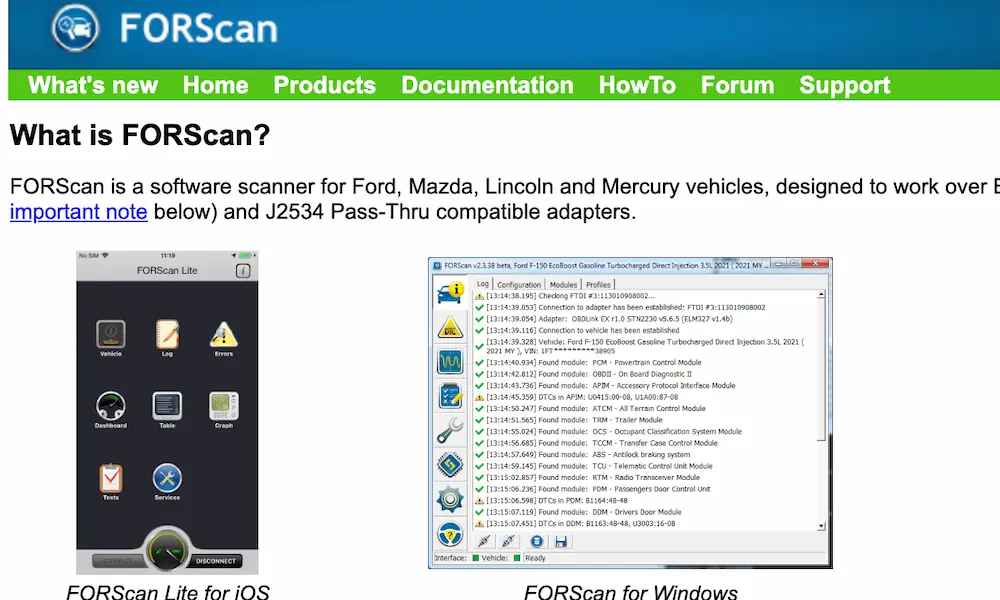
Put the PCM into live monitoring mode with a scan tool. Then wiggle the shifter stalk and harness by hand while watching for a signal break. If the circuit drops out while you’re moving the harness, the insulation is compromised even if it looks fine in a static position.
This technique from Ford’s own diagnostic methodology finds intermittent faults that a simple continuity test will miss.
Step 5: Test the Switch Directly
Check resistance at the switch itself. A healthy closed switch reads less than 5 ohms. Check voltage at PCM pin 41 — this is where the transmission control switch signal arrives in Ford’s EEC-IV and EEC-V systems. You should see 5 to 12 volts depending on your model. If voltage drops significantly with the connector attached, you’ve got corrosion in the connector or a break in the wire.
| Test Point | Healthy Reading | Fault Indication |
|---|---|---|
| 5-Amp fuse | Intact | Blown fuse = short circuit in column |
| Switch resistance (closed) | Under 5 ohms | High resistance = worn contacts |
| PCM Pin 41 voltage | 5–12V | Low voltage = break or corrosion |
| Harness continuity to ground | Over 10,000 ohms | Under 100 ohms = short to ground |
How to Fix the Ford P1780 Code
Option 1: Replace the Entire Shifter Stalk Assembly
This is the cleanest fix. You replace both the switch and the damaged section of harness at once. Most professional shops recommend this approach because it removes the highest-risk section of the circuit entirely. It costs more upfront, but it’s a long-term solution.
Option 2: Repair the Wiring
If a replacement stalk isn’t available or the cost is prohibitive, you can repair the wire. But do it right. Standard electrical tape won’t cut it — the repair has to survive constant flexing.
Use fine-strand copper wire and heat-shrink tubing. Stagger your splices so you don’t create a stiff bulge in the harness. Wrap the repaired section in anti-abrasion loom or specialized automotive tape. Then reroute the harness with enough slack so it doesn’t pull tight when the lever moves.
Option 3: Replace Just the Switch
On many Ford models, you can pull the overdrive switch out of the tip of the shifter stalk after removing the plastic bezel. These switches use a three-pin connector for power, signal return, and the LED that lights up the “O/D OFF” text. If your wiring tests clean and only the button is dead, swapping the switch alone solves it.
Make sure no connector pins got pushed back during installation. A slightly dislodged pin will cause the same fault to come right back.
After the Repair: The TCM Relearn Process
Once you’ve fixed the hardware, the PCM might still shift rough. That’s because it learned to compensate for the fault and stored bad adaptive data.
Clear the Keep Alive Memory with your scan tool. Then drive the vehicle through light, steady acceleration from a stop through all gears, followed by a gradual deceleration. Repeat this cycle a few times. The PCM recalibrates its shift pressure targets using the now-healthy circuit, and your shifts return to normal.
Skip this step and you’ll keep feeling rough shifts even after a perfect repair.
Why Fixing P1780 Actually Protects Your Transmission
The stakes here go beyond a flashing dashboard light. Transmission fluid temperature is directly tied to how long your transmission lasts.
| Fluid Temp (°F) | Estimated Fluid Life | What’s Happening Inside |
|---|---|---|
| 175 | 100,000 miles | Ideal range, minimal wear |
| 195 | 50,000 miles | Oxidation begins |
| 235 | 12,000 miles | Seals harden, varnish builds up |
| 275 | 3,000 miles | Clutch glazing, near failure |
| 315 | Under 1,000 miles | Seal failure, metal-on-metal contact |
When your overdrive button doesn’t work, you can’t lock out fourth gear while towing. The transmission shifts into overdrive under heavy load, the torque converter clutch starts micro-slipping, and temperatures climb fast. That heat destroys fluid, seals, and clutch plates in that order.
Fixing the P1780 fault restores your control over that process. It’s not just a convenience fix — it’s a transmission longevity fix.
What Shift-by-Wire Means for Future Ford Vehicles
Ford and other manufacturers are moving toward shift-by-wire systems where no physical link exists between the shifter and the transmission. Every input travels as a digital signal over a Controller Area Network.
The chafed wire problem goes away. But the diagnostic process shifts too — instead of checking resistance and continuity, you’d analyze data packets and verify network communication. The goal stays the same: make sure the driver’s gear selection intent reaches the powertrain control logic accurately and without interference.
For now, if you’re driving a Ford truck or van from the mid-90s through the late 2000s, the P1780 code comes down to a button, a wire, and a timing window. Know how to test it, fix it right the first time, and your transmission will thank you for it.