Your Honda Civic just flashed “Service Due Soon” and you’re not sure if it’s urgent or if you can ignore it for another month. This post breaks down exactly what that alert means, what codes you’ll see, what each service costs, and how to make sure the work actually gets done right. Read to the end — there’s a verification trick most owners never use.
What “Service Due Soon” Actually Means
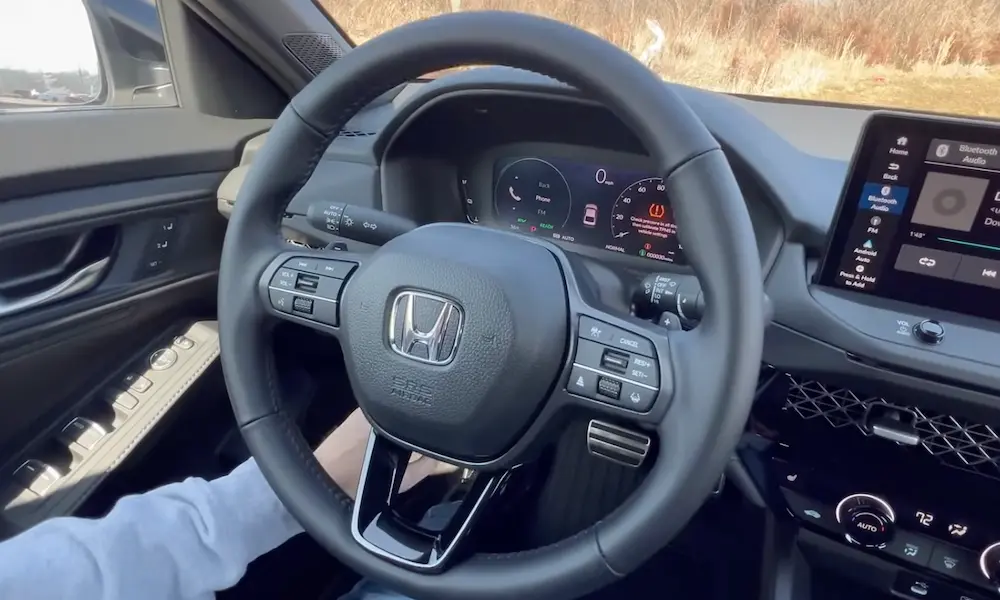
That alert isn’t a random reminder. Your Honda Civic uses a system called the Honda Maintenance Minder — a smart algorithm that tracks your driving conditions in real time. It monitors engine speed, temperature, trip length, and ambient conditions to figure out when your oil is actually wearing out. It’s not just counting miles.
Here’s how the alert levels work:
- 15% oil life remaining → “Service Due Soon” appears. You’ve got a comfortable window to book an appointment.
- 5% oil life remaining → Upgrades to “Service Due Now.” Don’t drag your feet here.
- 0% oil life → “Service Past Due.” Your dashboard will start showing negative mileage — like -150 miles — counting how far you’ve driven past the deadline.
The Inver Grove Honda Maintenance Minder FAQ notes that resetting the system incorrectly can throw off the schedule for secondary services like spark plugs and transmission fluid. So don’t just clear the alert and move on — get the actual service done.
Understanding Your Honda Civic’s Service Codes
When the alert pops up, it shows a code — usually a letter followed by a number. That combination tells you exactly what needs doing.
Main Code A vs. Main Code B
Code A = oil change. Simple. Some techs skip the filter on a Code A, but any good shop replaces it anyway to protect the fresh oil.
Code B = oil change, filter replacement, and a full inspection. That includes brakes, suspension boots, tie rods, fluid levels, exhaust, and fuel lines. It’s the more thorough visit.
Sub-Codes: The Numbers After the Letter
The number that follows your main code tells you which additional service is needed:
| Sub-Code | What It Covers | Typical Interval |
|---|---|---|
| 1 | Tire Rotation | 7,500–10,000 miles |
| 2 | Air & Cabin Filter | 15,000–30,000 miles |
| 3 | Transmission Fluid | 30,000–60,000 miles |
| 4 | Spark Plugs / Valve Check | 60,000–105,000 miles |
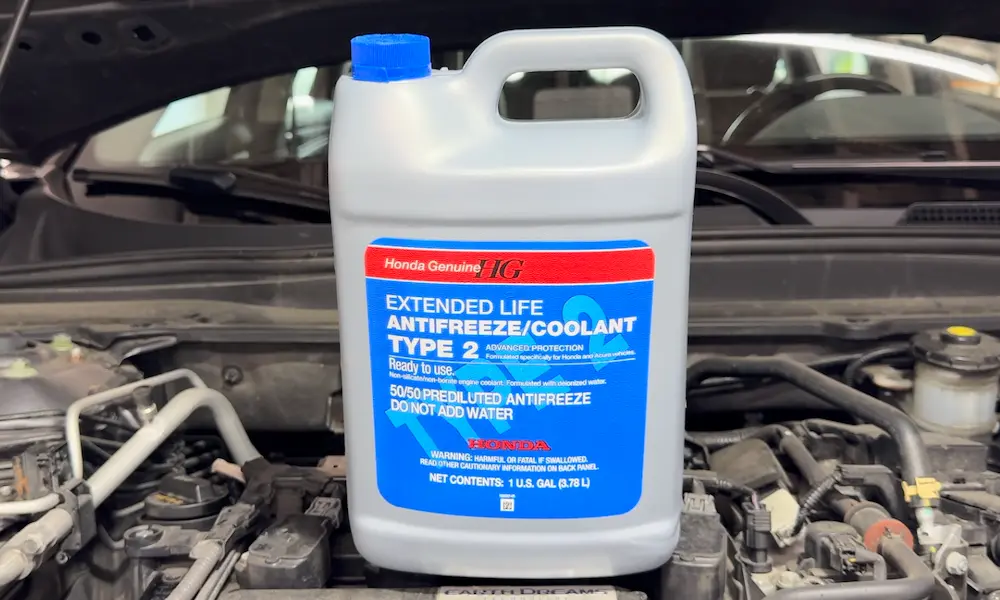
| 5 | Engine Coolant | 60,000–100,000 miles |
| 7 | Brake Fluid Flush | Every 3 years |
So if you see B12, that means: oil change + full inspection + tire rotation + air and cabin filters. Fisher Honda’s Civic maintenance schedule is a great reference if you want to map these out over your ownership timeline.
The Right Oil for Your Civic (Don’t Guess Here)
Every modern Civic — whether it’s the 2.0L base engine, the 1.5L turbo, or the Type R — takes 0W-20 full synthetic oil. That’s not a suggestion; it’s an engineering requirement.
The “0W” part means the oil stays fluid in freezing temperatures, reaching your turbo bearings within milliseconds of a cold start. The turbocharger in the 1.5L engine spins at over 150,000 RPM — it needs immediate lubrication or the bearings wear fast.
Here are the oil capacities by engine:
| Engine | Oil Capacity (with filter) | Oil Type |
|---|---|---|
| 1.5L Turbo (EX, Touring) | 3.7 quarts | 0W-20 Full Synthetic |
| 2.0L Naturally Aspirated (LX, Sport) | 4.4 quarts | 0W-20 Full Synthetic |
| 2.0L Turbo (Type R) | 5.7 quarts | 0W-20 Premium Full Synthetic |
If your Civic has 75,000+ miles on it, ask your tech about high-mileage synthetic oil. It contains seal conditioners that help aging gaskets and O-rings hold tight — reducing minor leaks and oil consumption.
Generation-Specific Issues You Should Know About
Your Civic’s year matters. The 10th and 11th generations each have specific problems that affect how you should approach that “Service Due Soon” alert.
10th Gen (2016–2021): Watch Out for Oil Dilution
If you drive a 1.5L turbo Civic in a cold climate and take mostly short trips, you may have a real problem: oil dilution. Unburned fuel bypasses the piston rings and mixes into your engine oil. This lowers the oil’s viscosity and strips away its protective properties.
The fix? Honda issued a software update that raises idle speed to generate more engine heat faster. But in the meantime, change your oil more frequently in winter — don’t wait until 10% oil life if you’re making short trips in freezing temps.
Also worth knowing: the 10th gen had a widespread A/C condenser defect. Honda extended the warranty on the condenser to 10 years/unlimited miles for 2016–2022 Civics. If your AC is blowing warm, check if you qualify — but note that road debris damage isn’t covered, only the manufacturing defect.
11th Gen (2022–2025): Two Recalls You Need to Know
Sticky Steering (NHTSA 24V744000): Owners report the steering wheel suddenly feeling seized — requiring a sharp burst of effort to move it. The cause is a worm gear spring manufactured with too much friction, combined with poor grease distribution. The fix involves replacing the spring and adding specialized lubricant. If you own a 2022–2025 Civic, check your recall status.
Fuel Pump Cracks (NHTSA 24V763000): The high-pressure fuel pump on some 2025 models can crack and leak atomized fuel onto a hot engine block. That’s a fire risk. If you smell gasoline from the engine bay or cabin, stop driving and contact your dealer immediately.
You can look up both recalls anytime at NHTSA.gov using your VIN.
What Does Honda Civic Service Actually Cost?
The Honda Civic’s annual maintenance cost averages around $368 — nearly 44% less than the industry average. But individual service prices swing a lot depending on where you go.
| Service | Dealer Estimate | Independent Shop | Potential Savings |
|---|---|---|---|
| Code A (Oil Change) | $80–$104 | $45–$70 | ~40% |
| Code B Service | $161–$250 | $100–$140 | ~45% |
| B123 Combined | $200–$400 | $150–$250 | ~35% |
| Transmission Flush | $161–$250 | $100–$130 | ~50% |
| Spark Plug Change | $150–$300 | $90–$150 | ~50% |
Dealers charge more, but they use factory-trained techs and OEM parts. Independent shops cost less and work just fine — especially for Civics out of warranty. In cities like New York or Seattle, dealer labor can top $250 per hour, which makes a trusted independent shop a genuinely smart choice.
DIY Tasks That Save the Most Money
Some Sub-code 2 tasks cost almost nothing when you do them yourself:
- Cabin air filter: A quick glove-box swap — costs $10–$20 at an auto parts store vs. $140–$150 at a dealership.
- Engine air filter: Similar process, similar savings.
- Wiper blades: Dealers charge $30–$50 per blade. Buy aftermarket for half that.
- DIY oil change: About $40 in parts using a quality synthetic like Mobil 1 — often better than bulk oil used at quick-lube chains.
And don’t worry — the Magnuson-Moss Warranty Act protects you. Manufacturers can’t void your warranty just because you used an independent shop or did the work yourself, as long as you keep receipts and followed factory specs.
How to Verify the Work Was Actually Done
This is the part most people skip — and it’s worth taking seriously.
Did They Rotate Your Tires?
Before your appointment, put a small chalk mark or piece of tape on the inside sidewall of your front driver’s side tire. When you pick up the car, check that same spot. If the mark is still in the front-left position, the rotation didn’t happen.
Was the Brake Fluid Actually Flushed?
Check the bleeder valves behind your wheels after the service. If they’re covered in undisturbed dust or grime, no one opened them — meaning they probably just suctioned the reservoir instead of doing a full flush. New brake fluid should look nearly clear. Yellow or brown fluid right after a service means old fluid is still in the lines.
Did They Change the Oil?
Wait three minutes after shutting off the engine, then pull the dipstick. Fresh oil looks light yellow and transparent. Dark or opaque oil right after a service is a red flag. Also check the level — overfilling past the top mark on the dipstick is actually dangerous. Too much oil causes the crankshaft to whip it into foam, which the oil pump can’t pick up — and that leads to engine damage.
Seasonal Maintenance That Goes Beyond the Alert
The Maintenance Minder doesn’t cover everything. A few seasonal checks keep your Civic running well year-round:
- Fall/Winter: Test your battery if it’s over 3 years old. Cold temperatures drain cranking power fast, and a weak battery won’t show any warning until it fails completely.
- Spring: Wash the undercarriage thoroughly. Road salt from winter eats through brake lines, exhaust hangers, and fuel tank straps. A pressure wash costs almost nothing and prevents expensive repairs.
- Summer: Check refrigerant levels and clear debris from the condenser fins before peak heat hits — especially if you own a 10th gen with the defective condenser design.
If you drive a Type R or regularly push your Civic hard on mountain roads or track days, change the transmission fluid every 30,000 miles instead of waiting for the 60,000-mile suggestion. Heat breaks down friction modifiers fast under high-load conditions.