Got a scratch, chip, or scuff on your Magnetic Gray Ford? Finding the right paint isn’t always straightforward — especially with a color that goes by multiple names and codes. This guide covers everything you need to nail the match, from locating the code on your door jamb to spraying a seamless finish. Stick around — the application tips alone will save you from an expensive respray.
What Is Ford Paint Code J7?
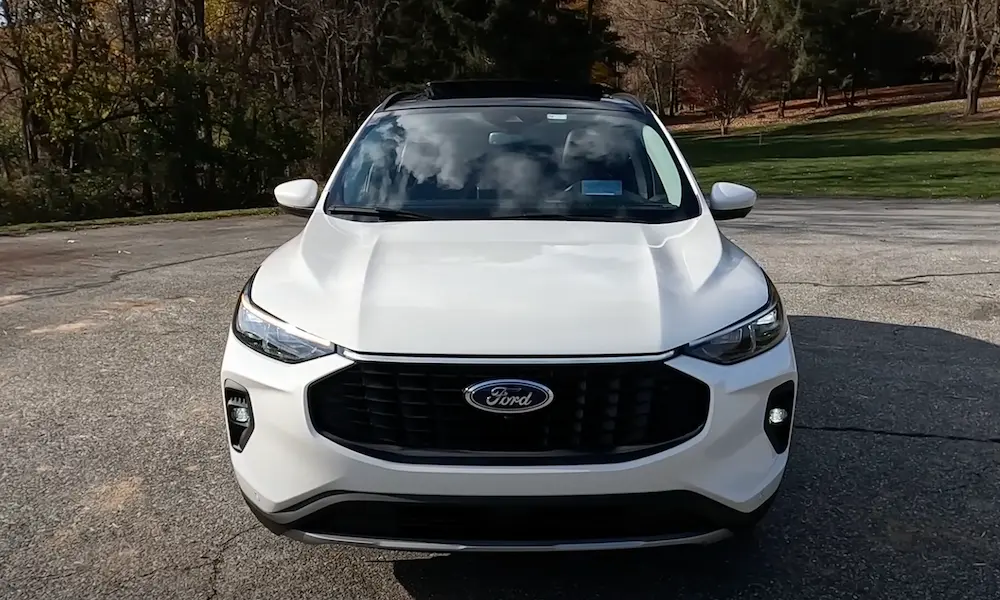
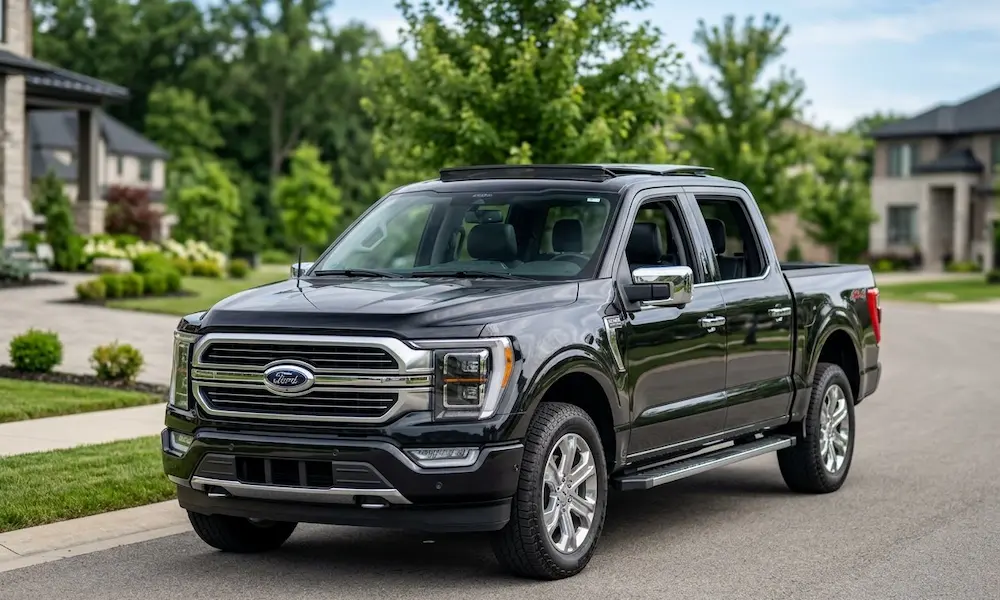
Ford paint code J7 is the official designation for Magnetic Metallic — a deep, sophisticated charcoal gray that Ford has used across its lineup since around 2014–2015. It’s not quite black, not quite silver. It sits in that sweet spot that hides light dust and minor grime surprisingly well.
Depending on where your Ford was built or which market it was sold in, you might see this color listed under several cross-reference codes:
- FM6EWHA — Ford’s auxiliary manufacturing code
- M7325 / M7325A — Standard catalog numbers
- FM6E — European designation
- PN4DQ — Internal paint program engineering code
In some South American and European markets, the same formulation goes by “Cinza Moscou Metallic” or “Sea Gray Metallic.” Different name, same chemistry.
Which Ford Models Use Paint Code J7?
J7 Magnetic Metallic covers an enormous range of Ford and Lincoln vehicles. Here’s a breakdown by segment:
| Vehicle Category | Ford & Lincoln Models | Model Years |
|---|---|---|
| Compact & Mid-Size Cars | Fiesta, Focus, Focus ST, Fusion, Taurus, C-Max | 2015–2022 |
| Sports & Specialty Cars | Mustang, Mustang GT, Mustang Fastback, Ford GT | 2015–2027 |
| Crossovers & SUVs | Escape, Edge, Explorer, Expedition, Lincoln Corsair, Lincoln Aviator | 2015–2027 |
| Light & Heavy-Duty Trucks | F-150, F-150 Lightning, Ranger, F-250 through F-550 Super Duty | 2015–2027 |
| Commercial Vans | Econoline, Transit, Transit Connect | 2015–2026 |
That’s a wide net. If your Ford was built after 2015, there’s a decent chance J7 is available for your model.
How to Find Your Ford Paint Code
Before you order anything, confirm you actually have paint code J7 on your specific vehicle. Don’t guess — the same model year can come in multiple colors.
Here’s where to look: Check the driver’s side door jamb, door edge, or B-pillar. Ford places a factory-applied safety certification label in one of these spots on every vehicle. Find your Ford’s color code by locating the abbreviation “EXT PNT” on that label. Your two-digit paint code — in this case, J7 — prints right next to or directly below it.
Common mistake to avoid: The wheelbase code (“WB”) sits close to the paint code line. Don’t confuse those characters for your paint code. The actual paint code sits on the “EXT PNT” line or directly beneath it.
If your label is damaged, missing, or unreadable, contact a Ford dealership or call Ford Customer Service at 1-800-392-3673. Give them your 17-digit VIN and they’ll pull the build sheet with your factory color.
What Paint Brands Make J7 Magnetic Metallic?
Ford uses a network of chemical suppliers for its OEM paint. Each major refinish brand maintains its own proprietary formula matched to the J7 standard. Here’s what you’ll find at shops and retailers:
| Paint Brand | Proprietary Code | Notes |
|---|---|---|
| PPG Industries | 913582 / 933382 | Used in OEM factories and Pro lines |
| AkzoNobel | FRD15:J7 / FRD9578 | Premium high-solid aftermarket lines |
| BASF Glasurit | 913582 / 933382 | Waterborne and solvent options |
| Sherwin-Williams | 5A-5769111-B / M7325A | Standard refinish and fleet |
| Axalta Coating Systems | Cromax ChromaBase / U-POL | Advanced Axalta color technology |
| Tamco Paint | J7 / 7325 | Premium OEM-matched urethane basecoat |
| UreChem (The Coating Store) | MFC-G7325 | Low-VOC two-stage high-gloss kit |
When you order through a body shop or refinish supplier, they’ll pull up the formula using your paint system’s code and mix it on a computerized scale.
Retail Formats: What to Buy for Your Repair Size
The format you need depends entirely on the size of the damage.
| Product Type | Brand & Part Number | Best For |
|---|---|---|
| Touch-Up Pen | Dupli-Color AFM0417 | Minor scratches (pencil eraser size) |
| Touch-Up Bottle | Custom Paints Inc. | Stone chips up to dime size |
| 8 oz Aerosol Spray | Dupli-Color BFM0417 | Large spot repairs or single panel |
| 12 oz Aerosol Spray | U-POL UPFM301 | Professional spot repairs and accessories |
| Urethane Basecoat | Tamco Paint J7 | Spray gun applications (pint/quart/gallon) |
| Full Paint Kit | UreChem MFC-G7325 | Multi-panel or full exterior resprays |
You’ll find the aerosol and touch-up options at AutoZone, Advance Auto Parts, and O’Reilly Auto Parts. For professional-grade basecoat in larger volumes, order directly from Tamco or UreChem online.
One Important Thing: Gloss or Matte?
Here’s something that trips people up. Paint code J7 comes in two distinct variants:
- J7 Magnetic Metallic — Standard high-gloss finish. Requires a high-gloss two-stage clear coat.
- Magnetic Metallic Matte — Factory flat finish. Requires a specialized matte clear coat.
Using the wrong clear coat creates an obvious sheen mismatch — even if the base color is a perfect match. Check your vehicle before ordering. If your paint has zero shine straight out of a wash, you’ve got the matte variant.
Mixing Ratios by Paint Chemistry Type
The ratio you use changes based on the product type. Here’s a quick reference:
| Paint Type | Mix Ratio | Compatible Reducer / Hardener |
|---|---|---|
| Acrylic Basecoat (PPG Omni MBC) | 1:1 basecoat to reducer | Omni Plus Reducer (temperature-matched) |
| Urethane Basecoat (Tamco) | 1:1 basecoat to reducer | HR-13XX Series Reducer |
| Single-Stage Urethane (PPG Omni MTK) | 4:1:1 paint/hardener/reducer | Omni Acrylic Urethane Hardener & Reducer |
| Solvent Touch-Up (2 oz airbrush) | ~3:2 paint to solvent | Premium mineral spirits or acrylic reducer |
Some ready-to-spray products from Tamco and Custom Paints Inc. come pre-diluted. Pour them straight into your gun cup — no additional reduction needed.
How to Apply J7 Magnetic Metallic the Right Way
Magnetic Metallic is a metallic paint loaded with fine aluminum and mica flakes. That flake density makes it beautiful — and tricky. Apply it wrong and you’ll get mottling: dark, blotchy patches where flakes clumped together. Follow these steps carefully.
Step 1: Clean and Sand the Surface
Wash the repair area with dish soap and water. Follow up with a wax and grease remover — skipping this causes solvent popping during drying. Sand sound factory paint with P320–P400 grit to knock out all gloss. For plastic bumpers, scuff evenly with a gray abrasive pad. For deep scratches or body filler areas, start with 180 grit and feather into the surrounding panel. Blow off all dust with compressed air, then wipe with a microfiber tack cloth.
Step 2: Apply Primer
Any bare metal, plastic, or body filler needs primer first. Apply a gray scratch-filler primer — Dupli-Color DPL FP101 works well for spot repairs, or use a professional 1K epoxy primer for larger jobs. The gray undercoat matters more than most people realize: the final shade and depth of J7’s metallic base depends heavily on the value of the primer beneath it. Once cured, sand smooth with dry 600 grit.
Special note for aluminum panels: Ford SUVs like the Explorer often use aluminum hoods. Aluminum doesn’t rust the traditional way, but exposed rock chips can trigger galvanic oxidation beneath the paint film — causing bubbling. Seal any bare aluminum with a high-quality epoxy primer before moving forward.
Step 3: Control Your Environment
Spray between 65–75°F with 40–60% relative humidity. These conditions control how fast the carrier solvents evaporate. Too hot or too dry and the flakes freeze in place before they can level out. Too humid and you risk blushing.
Shake or mechanically agitate your paint for at least 60 seconds before spraying. Aluminum and mica flakes settle fast. Do a test spray on an index card first to confirm flake distribution and color accuracy.
Step 4: Spray the Basecoat
Hold your spray gun or aerosol perpendicular to the surface at 5–6 inches away. Apply two wet coats at roughly 85% coverage, overlapping each pass by 50%. Keep coats medium-wet — heavy, pooling coats sink the metallic flakes and cause mottling. Allow 10–15 minutes of flash time between each coat to let the flakes settle into a flat, parallel alignment.
After your second coat, apply a third control coat: double your distance from the panel and apply a light, dusting pass. This redistributes any uneven flakes and prevents blotchy patches. For spot repairs, feather the basecoat outward gradually so the metallic transition into the factory finish is invisible.
Step 5: Apply Clear Coat
Let the basecoat dry flat for 45–60 minutes before clear coating. Use a two-component polyurethane clear coat — SprayMax 2K or Custom Paints Show Clear both work well. Apply two to three wet passes with a 10-minute flash-off between each. Test readiness for the next pass by touching the masking tape: the clear should feel sticky but shouldn’t transfer to your gloved finger.
That’s your factory-grade finish — sealed, UV-protected, and hard enough to polish if needed.
A Quick Word on Substrate Compatibility
J7 Magnetic Metallic adheres to steel, polyurethane plastic bumpers, and lightweight aluminum alloys. The cured paint film lands in a medium-hard range — durable enough to resist road debris and acid rain, but soft enough that you can wet sand, compound, and polish repairs without much effort. That balance makes it one of the more forgiving metallics to work with, whether you’re doing a small DIY touch-up or a full professional respray.