Shopping for a reliable midsize sedan? You’ve probably heard mixed things about the Hyundai Sonata. Here’s the truth: with proper care, these cars can hit 200,000 to 250,000 miles, sometimes even 300,000+. But there’s a catch—certain years are ticking time bombs. This guide breaks down everything you need to know about Sonata longevity, which years to buy, which to run from, and how to keep yours running forever.
What’s the Actual Lifespan of a Hyundai Sonata?
Most Sonatas reach 200,000 to 250,000 miles when you treat them right. That’s roughly 13 to 17 years if you drive the average 15,000 miles yearly.
Real owners back this up. One driver’s mom racked up 351,000 miles on a 2009 model just by keeping up with maintenance. Another pushed a 2009 V6 to 220,000 miles over eight years. A 2016 owner cruised past 250,000 miles with only routine stuff like oil changes and belt replacements.
But here’s the reality check: RepairPal gives the Sonata a 4.0 out of 5.0 reliability rating, ranking it fifth among 24 midsize cars. That’s solid, not spectacular. You’ll spend about $6,466 on maintenance and repairs over the first decade—roughly $647 annually. That beats the $701 segment average.
The catch? There’s an 18.31% chance you’ll need a major repair in those first 10 years. And only 5.1% of Sonatas actually reach 200,000 miles before they’re scrapped or sold. Many get sidelined by accidents or owners who don’t want to deal with repairs.
The Years You Should Actually Buy
Not all Sonatas are created equal. Some years are rock-solid. Others? Absolute nightmares.
Best Model Years: Your Shopping List
2018 is the golden child. It’s the most reliable Sonata ever made with the fewest complaints and recalls. If you’re buying used, start here.
The 2016, 2017, and 2019 models are also excellent picks. They fixed the problems from earlier years and offer modern features without the drama.
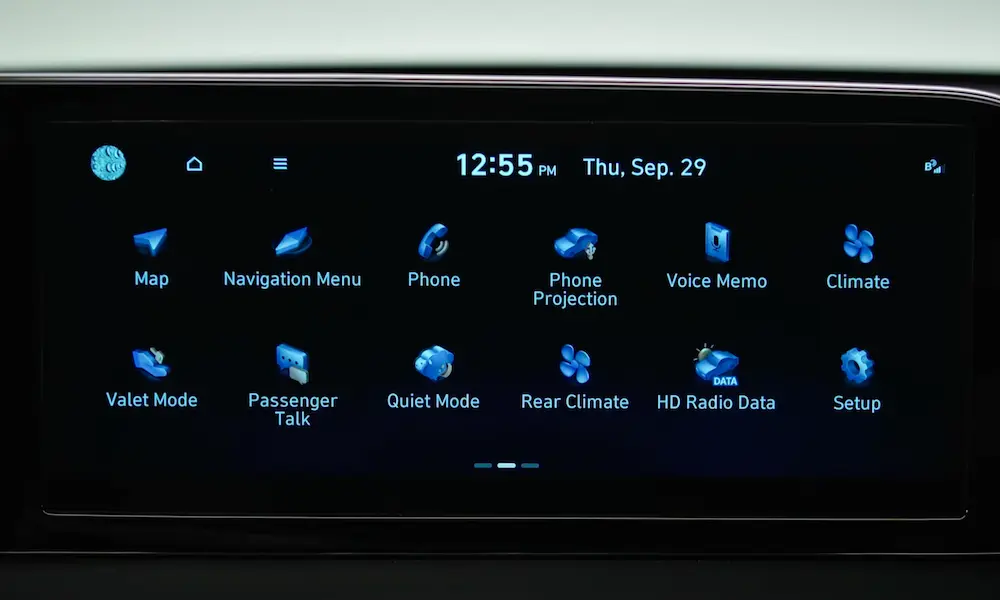
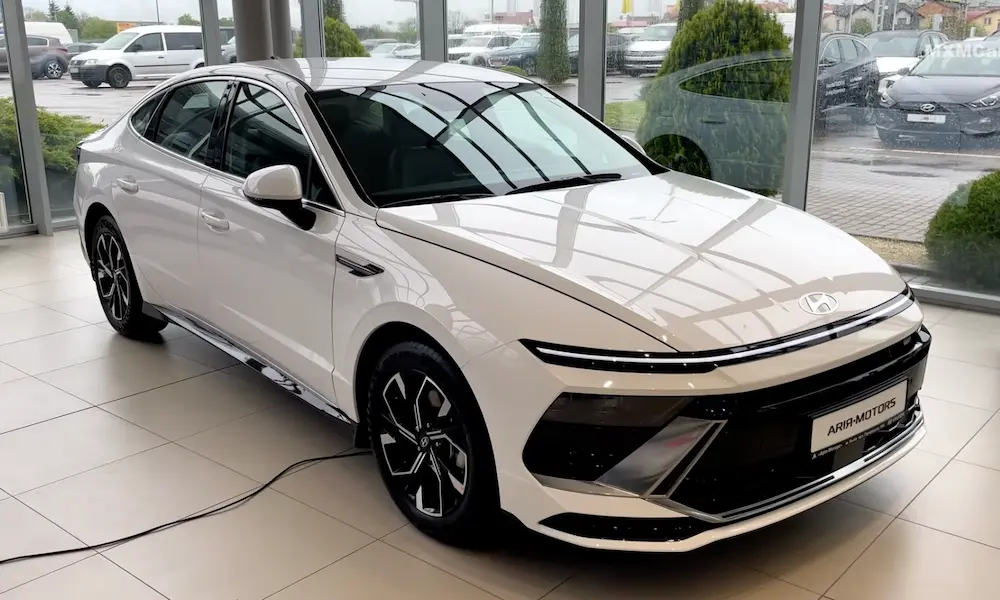
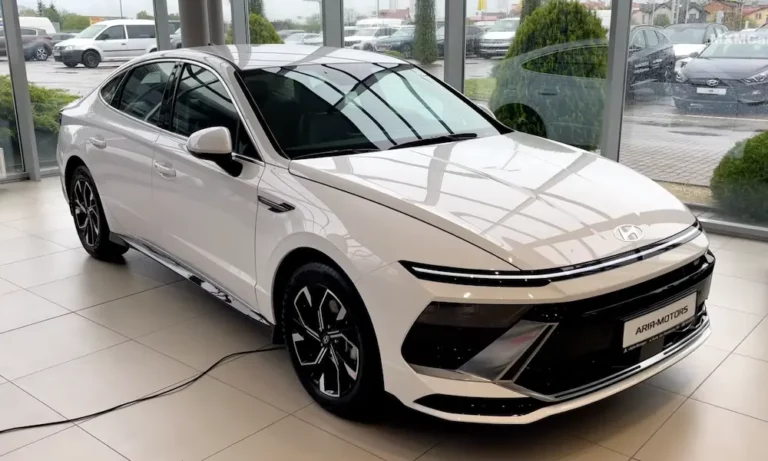
Want something newer? The 2020, 2021, and 2024 models dodged the engine issues that plagued their predecessors. The 2024 comes loaded with dual 12.3-inch displays, wireless CarPlay, adaptive cruise control, and automatic emergency braking right out of the gate. Starting at $27,500, it’s a solid deal.
On a tight budget? Consider 2004, 2005, 2008, 2009, or 2010 models. They’re old-school reliable if you can handle outdated tech and inevitable age-related repairs.
Model Years to Avoid at All Costs
Never, ever buy a 2011, 2012, or 2013 Sonata. Seriously. The 2011 model alone has over 5,000 complaints and 14 recalls. These years suffer from catastrophic engine failures that’ll leave you stranded or worse—on fire.
The 2015 isn’t much better. Nine recalls, excessive oil consumption, and ongoing engine problems make it a hard pass.
Skip the 2006 and 2007 models too. They had rod knock issues that led to engine failure. And the 1999-2003 models? Sub-frame corrosion can literally make parts fall off while you’re driving.
Here’s a quick breakdown:
| Buy These Years | Avoid These Years |
|---|---|
| 2018 (best overall) | 2011, 2012, 2013 (worst) |
| 2016, 2017, 2019 | 2015 |
| 2020, 2021, 2024 | 2006, 2007 |
| 2004, 2005, 2008-2010 | 1999-2003 |
The Theta II Engine Disaster You Need to Know About
This is the big one. Between 2011 and 2019, Hyundai installed Theta II engines in hundreds of thousands of Sonatas. And they’re ticking time bombs.
What Went Wrong?
The problem started at Hyundai’s Alabama factory. When they machined the crankshafts, metal shavings weren’t properly cleaned out. These tiny fragments clogged oil passages inside the engine.
Without enough oil reaching the bearings, they wore down fast. Eventually, a connecting rod would snap and punch straight through the engine block. Hot oil would spray onto the exhaust, sometimes starting fires.
One mechanic tore down a failed engine and found bearings worn down to nothing—basically welded to the crankshaft from heat and friction.
Warning Signs Your Engine Might Fail
If you own a 2011-2019 Sonata, watch for these red flags:
- Metallic flakes in your oil when you change it (looks silvery)
- Knocking or tapping sounds from the engine, especially when accelerating
- Burning through oil between changes
- Check engine light that won’t go away
- Sudden power loss or stalling at highway speeds (extremely dangerous)
Spot any of these? Get to a mechanic immediately. Don’t wait.
The Legal Fallout and Warranty Protection
The failures were so widespread that Hyundai settled a class-action lawsuit for $8.5 million in 2016. They extended the engine warranty from 5 years/60,000 miles to 10 years/120,000 miles for affected vehicles.
Better yet, qualifying 2011-2018 Sonatas (and some 2019s) get a lifetime warranty on connecting rod bearing failures. That covers you regardless of mileage or how many owners the car’s had.
But there’s a catch: you need to get the ECM (engine computer) reprogramming done before the engine fails. This software update helps detect problems early and limits engine damage. Check if your VIN qualifies at Hyundai’s warranty verification site.
Even replacement engines have problems sometimes. Some fail right after installation. Others last another 50,000 to 100,000 miles before dying again. And owners report waiting 10 months or more for replacement engines with no idea when parts will arrive.
Did They Fix It?
Starting in 2020, Hyundai switched to a new 2.5-liter Smartstream engine. Early reports suggest it’s way more reliable. The Theta II nightmare is mostly behind us—if you stick to 2020+ models.
Common Problems Beyond Engine Failures
Even if you dodge the Theta II disaster, other issues can pop up.
Transmission Troubles
2012 models had shifting problems from faulty speed sensors. The transmission would grind, shudder, or clunk shifting from park to drive. Good news: replacement sensors only cost $30 to $50.
Some owners faced complete transmission failure around 130,000 miles—a nearly $3,000 repair. Not as common as engine problems, but still painful.
Electrical Gremlins
Faulty speakers affected 2011-2016 models. A software glitch killed audio from the CD player, radio, navigation, satellite radio, and phone. The fix? Disconnect your battery’s negative terminal, wait 15 minutes, reconnect it.
Parking lights stayed on even with the engine off, draining batteries. Usually a faulty fuse box, sometimes a worn rubber grommet on the brake pedal.
Window auto up/down functions worked intermittently on multiple model years. Annoying but not dangerous.
Safety System Recalls
Seatbelt pretensioners weren’t properly connected on some models, which could fail to restrain passengers in crashes. The 2011-2014 models had recalls for disabled frontal airbags, side airbags, and pretensioners.
In one case, a 2020 Sonata that got rear-ended didn’t deploy airbags, though the structure protected the occupant. Check your VIN for open recalls.
Steering and Suspension Issues
2011 models had clicking, wobbling steering wheels from faulty steering column couplings. Some owners reported steering knuckle failure creating excessive play even after recall repairs.
A 2009 recall covered 2001-2004 Sonatas with corroded suspension mounting points. Corrosion could let the lower control arm detach—potentially catastrophic while driving.
Timing Chain Problems
Both old and new models experienced premature timing chain tensioner failure, causing rattling on startup. Broken timing belts damaged crankshaft position sensors. Premature belt failure comes from excessive load, under-tensioning, damaged pulleys, or debris buildup.
Fuel System Headaches
Older models had rough idling that worsened with the AC on. The culprit? A defective exhaust gas recirculation valve creating a lean fuel mixture.
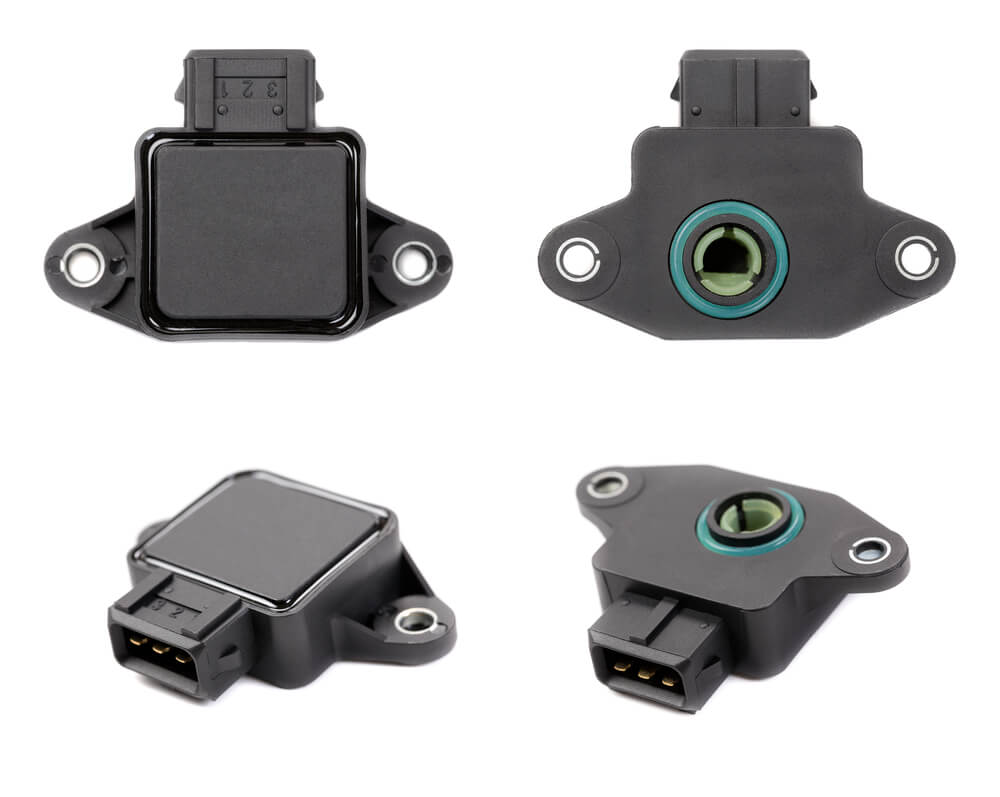
2007 and 2009 Sonatas had issues with the accelerator pedal position sensor, causing the electronic stability control to deactivate automatically and limiting acceleration to under 20 mph. Replacing it costs $100 to $200 plus labor.
How the Sonata Stacks Up Against Rivals
The Sonata competes with legends like the Honda Accord and Toyota Camry. How does it measure up?
Reliability Comparison
RepairPal ranks the Sonata 5th out of 24 midsize cars. That puts it solidly mid-pack, behind the Accord and Camry but ahead of many competitors.
Consumer Reports predicts 2025 Sonatas will be more reliable than average, based on 2022-2024 data. That suggests Hyundai’s quality is improving.
Value for Money
This is where the Sonata shines. Starting at $27,500 for the 2024 base model, it undercuts most rivals while packing features like dual 12.3-inch displays, wireless smartphone integration, and advanced safety tech as standard.
Average annual repair costs of $458 during the first five years beat the segment average. Combined with solid fuel economy—25/36 mpg city/highway for the base engine and 27/38 mpg for the hybrid—the Sonata delivers real savings.
Space and Features
Front legroom of 46.1 inches beats the Subaru Legacy (42.8 inches) and Toyota Camry (42.1 inches). But rear legroom of 34.8 inches trails both competitors, which might cramp taller rear passengers.
Cargo capacity of 16.3 cubic feet exceeds both the Legacy and Camry (15.1 cubic feet each). The trunk opening is well-designed for easy loading.
The 2024 Sonata earned a five-star overall NHTSA rating and IIHS Top Safety Pick designation. Safety matches or beats most competitors.
Driving Dynamics
Road testers note the Sonata’s handling isn’t quite as refined as the segment’s best. The Honda Accord particularly gets praised for superior driving engagement.
The base 2.5-liter engine with 191 horsepower handles daily driving fine. The Sonata N Line with 290 turbocharged horsepower hits 0-60 mph in 5.3 seconds, competing well with sport variants from Honda and Toyota.
The Sonata Hybrid delivers impressive 45/51 mpg city/highway, making it one of the most efficient midsize sedans available.
The Bottom Line on Sonata Longevity
A well-maintained Hyundai Sonata will give you 200,000 to 250,000 miles of reliable service. Some exceptional examples cruise past 300,000 miles. For an affordable midsize sedan, that’s solid value.
But model year selection is absolutely critical. The 2011-2013 Theta II disaster years will destroy any savings with catastrophic engine failures. Stick to the recommended years—especially 2018, 2016-2017, 2019-2020, and 2024—and you’ll get a dependable family hauler at a competitive price.
Commit to rigorous maintenance. Oil changes every 3,500 to 5,000 miles, regular fluid services, and addressing warning signs promptly separate high-mileage success stories from premature failures.
The Sonata won’t match the legendary reliability of an Accord or Camry. But it offers better value, generous equipment, and strong safety. For buyers who prioritize cost-effectiveness and carefully avoid problematic years, the Hyundai Sonata delivers reliable transportation for 13 to 17 years or more.
Just do your homework, choose wisely, and maintain it properly. Your wallet will thank you.