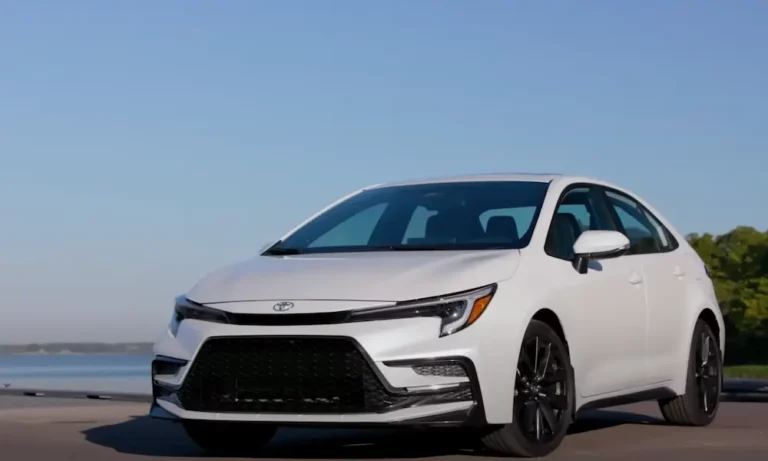
Shopping for a reliable car that won’t leave you stranded? You’re probably wondering how long do Toyota Corollas last. Here’s the good news: with proper care, these cars routinely hit 200,000-250,000 miles, and many owners push them well beyond 300,000. Let’s dig into what makes these compact sedans so durable and what you need to know to maximize their lifespan.
What’s the Average Lifespan of a Toyota Corolla?
Most Toyota Corollas last between 200,000 and 250,000 miles when you maintain them properly. That’s roughly 10-15 years of daily driving.
But here’s what gets exciting: those numbers are conservative. Plenty of Corolla owners sail past 300,000 miles without major issues. Some exceptional cases have documented over 500,000 miles. One 2003 Corolla famously crossed 680,000 miles with just routine maintenance and a few minor repairs.
If you’re driving 12,000-15,000 miles yearly, your Corolla could serve you for two decades. High-mileage commuters racking up 25,000-30,000 miles annually might reach similar totals in 10-12 years, especially when those miles come from highway driving.
The secret? Toyota’s engineering philosophy focuses on proven technology rather than flashy innovations. They’d rather use a reliable component for 20 years than introduce something new that might fail.
Why Toyota Corollas Last So Long
Toyota built its reputation on the Toyota Production System, which emphasizes continuous improvement and quality control. Every component gets scrutinized before it makes it into production.
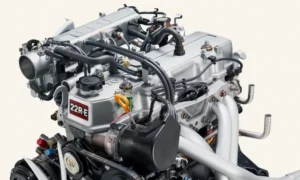
The Corolla’s engine design reflects this conservative approach. Most modern models feature a straightforward 2.0-liter four-cylinder engine producing 169 horsepower. It’s not winning any drag races, but that’s the point. Lower stress equals longer life.
The simple front-wheel drive setup with either a manual or CVT transmission means fewer components that can fail. Toyota engines typically last around 200,000 miles before needing major work, though many exceed 300,000 miles without breaking a sweat.
Think of it this way: Toyota doesn’t reinvent the wheel every model year. They perfect it.
Best Toyota Corolla Years to Buy
Not all Corolla generations offer equal reliability. Some years shine, while others you should skip entirely.
Top Performers
2004-2008 Models: This generation nailed it. The robust 1.8-liter engine proved nearly bulletproof, and these models earned excellent safety ratings from IIHS. The 2004 model even got the Seal of Awesome from CarComplaints.com.
2011-2013 Generation: These models combined dependable performance with improved interior comfort. Owners consistently report low maintenance costs and high safety ratings. Many of these are still running strong past 200,000 miles.
2018-2021 Models: If you want something newer, these years deliver modern features without sacrificing reliability. Advanced safety systems come standard, and reported issues remain minimal.
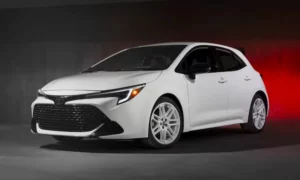
2020-2025 (12th Generation): The current generation represents peak Corolla reliability. NHTSA recorded fewer than ten complaints combined for early model years.
Years to Avoid
2002: Skip this one. Excessive oil consumption from undersized piston rings creates headaches. You’ll be constantly topping off oil.
2003: This year’s notorious for transmission failures. Grinding noises, clunking sounds, then complete breakdown. Repairs run $1,200-$2,500.
2009-2010: The worst years for Corolla reliability. We’re talking transmission failure, oil burning that sometimes caused fires, water pump issues, unintended acceleration problems, and widespread airbag deployment failures.
2014: Interior rattling, unstable dashboard components, airbag malfunctions, and problematic infotainment systems plague this year. Most issues show up at relatively low mileage.
Mileage Expectations Based on Driving Habits
How you drive massively impacts how long do Toyota Corollas last. Highway miles are gentler than city stop-and-go traffic.
One owner sold a 2016 Corolla with 240,000 kilometers (149,000 miles) of mostly highway driving and noted it “could do another 200,000km no problem.” Highway cruising stresses engines and brakes less than urban gridlock.
For average drivers putting on 10,000-15,000 miles yearly, targeting 300,000 miles means a 20-year relationship with your Corolla. Heavy commuters driving 25,000-30,000 miles annually reach similar totals in 10-12 years.
Here’s the twist: higher annual mileage from consistent highway driving often beats lower mileage from short city trips. Those quick errands never let your engine reach optimal temperature, causing more wear.
| Driving Pattern | Annual Miles | Years to 300K | Best Case Scenario |
|---|---|---|---|
| Light Driver | 10,000 | 30 years | Low wear, potential rust issues from age |
| Average Driver | 15,000 | 20 years | Balanced wear, ideal longevity |
| Heavy Commuter (Highway) | 30,000 | 10 years | High miles, low stress, excellent outcome |
| Heavy Commuter (City) | 30,000 | 10 years | High miles, high stress, moderate outcome |
Essential Maintenance Schedule
Proper maintenance separates Corollas that die at 150,000 miles from those cruising past 400,000. Toyota recommends service every 5,000 miles or six months.
Every 5,000 Miles ($70-$90)
- Tire rotation
- Fluid level inspection and adjustment
- Brake system visual inspection
- Wiper blade inspection
Every 10,000 Miles ($150-$170)
- Engine oil and oil filter replacement
- All 5,000-mile services
Despite Toyota’s official 10,000-mile oil change recommendation, many mechanics and experienced owners push for 5,000-mile intervals. City driving and short trips benefit enormously from more frequent changes.
Every 30,000 Miles ($350-$450)
- Engine air filter replacement
- Cabin air filter replacement
- Transmission inspection
- Fuel system inspection
Every 60,000 Miles ($750-$920)
- Spark plug replacement
- Transmission fluid inspection and potential replacement
- Major component inspections
One owner documented detailed costs through 200,000 miles on a 2015 Corolla: just $1,248 in the first 100,000 miles. That included routine maintenance plus minor repairs like windshield chip fixes.
Are Corolla CVT Transmissions Reliable?
Toyota introduced CVT transmissions around 2014, raising eyebrows given Nissan’s terrible CVT reputation. But Toyota’s implementation proves substantially better.
The Corolla CVT consistently earns above-average reliability ratings from Consumer Reports and J.D. Power. Most owners report minimal transmission issues past 200,000 kilometers (124,000 miles).
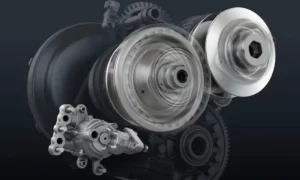
Starting in 2019, Toyota introduced the Direct Shift-CVT system. It pairs a physical first gear with the traditional CVT, providing better response from stops and reducing stress on CVT components during acceleration.
The forward-reverse clutch represents the primary wear point. If you skip fluid changes or use incorrect fluid, the clutch can fail and scatter debris through the transmission. A 2017 Corolla CVT with 170,000 kilometers experienced exactly this failure.
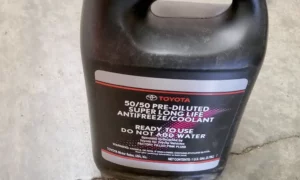
Here’s the key: despite Toyota marketing CVT fluid as “lifetime,” experts recommend changing it every 50,000-62,000 miles. This simple step dramatically extends CVT lifespan.
With proper care, Corolla CVTs last 200,000-300,000 kilometers (124,000-186,000 miles). That makes them among the most reliable CVT implementations available.
Common Problems at Different Mileage Milestones
Understanding typical issues helps you budget and plan ahead.
0-100,000 Miles
You’ll experience minimal problems beyond routine maintenance. Oil changes, tire rotations, brake inspections, and fluid checks cover most needs. The probability of major repairs during the first five years sits at just 5.74%, well below segment averages.
100,000-150,000 Miles
Variable valve timing (VVT) solenoids occasionally create irregular idle or revving. Timing chain tensioners sometimes develop rattling sounds. Belt tensioner pulleys might squeak. Oxygen sensors or starters could fail, though these issues remain infrequent.
EVAP system codes related to gas caps or emission canisters commonly pop up. It’s standard stuff for most vehicles regardless of manufacturer.
150,000-200,000 Miles
Starter failures become more common, typically around 100,000-125,000 miles. You’ll need to replace the starter solenoid or complete assembly.
Exhaust manifolds may develop cracks, creating loud operation but not causing mechanical problems beyond noise. CV joint boots can crack or tear, especially after rough terrain. Catalytic converters might trigger check engine lights, though replacement often costs more than high-mileage vehicles are worth.
Beyond 200,000 Miles
Suspension components including struts and control arms typically need replacement. You’ll notice a bumpier ride or uneven tire wear. Water pumps may fail.
Rust becomes problematic in regions using road salt. Interior materials show accelerated wear. The cumulative probability of major repairs reaches 12.28%, though this still beats industry averages.
One owner’s 2009 Corolla approaching 200,000 miles needed the cradle subframe, struts, sway bar links, front axles, ball joints, control arms, exhaust pipe, and all engine mounts replaced within 5,000 miles. Professional labor would’ve cost $7,000-$8,000, though DIY work brought it down to about $1,000.
What Does Corolla Ownership Really Cost?
Cost matters when you’re planning long-term ownership. According to RepairPal, Corollas average $602 yearly in maintenance and repairs. That’s substantially lower than the industry average of $891 annually.
Over ten years, you’re looking at approximately $4,444 for maintenance and repairs. That beats the segment average by $1,321.
The first five years prove particularly economical, requiring just $1,436 in maintenance. That’s $1,109 less than segment averages.
Breakdown of Major Services
| Service Interval | Average Cost | What’s Included |
|---|---|---|
| 15,000 miles | $356-$454 | Oil change, rotation, inspections |
| 30,000 miles | $735-$904 | Filters, fluids, comprehensive checks |
| 60,000 miles | $746-$919 | Spark plugs, transmission service, major inspections |
| Brake pads (F&R) | $646-$773 | Complete brake pad replacement |
| Spark plugs | $246-$339 | Full set replacement |
New Toyota buyers get ToyotaCare, a complimentary maintenance plan covering the first two years or 25,000 miles. This includes tire rotations, oil changes, inspections, and roadside assistance. Zero cost during the period when your car needs it least.
Critical Factors That Affect Longevity
Beyond scheduled maintenance, several variables determine how long do Toyota Corollas last.
Driving Conditions Matter
City stop-and-go traffic stresses engines and brakes far more than highway cruising. Highway-driven Corollas consistently outlast their urban counterparts. Consistent highway operation lets engines reach and maintain optimal temperatures while minimizing brake system stress.
Climate Takes a Toll
Harsh winters accelerate rust, especially in regions using road salt. Canadian provinces and northern states see rapid deterioration around wheel wells, rocker panels, and underbody components.
Pre-2010 models prove especially vulnerable. Newer models feature improved corrosion protection, particularly those manufactured after 2014.
Annual rustproofing treatments and frequent undercarriage washing make a massive difference in salt-belt regions. Meanwhile, Corollas in dry climates like Arizona commonly hit 15-20 years with minimal rust issues.
Maintenance History is Everything
Documented service records showing routine oil changes, fluid top-ups, brake service, and timing belt replacements matter more than anything else. Skip service intervals and you’re cutting your Corolla’s lifespan in half.
Using quality parts proves essential. One owner noted OEM Toyota parts lasting 170,000-240,000 miles while cheap aftermarket alternatives needed replacement at just 40,000-70,000 miles.
Your Driving Style
Gentle acceleration, smooth braking, and reasonable speeds reduce mechanical stress. Aggressive driving—rapid acceleration, hard braking, high-speed cornering—accelerates wear on everything.
Avoid overloading your vehicle. Exceeding weight limits strains your engine, suspension, tires, and brakes. It’s a surefire way to shorten lifespan.
Accident History Counts
Even professionally repaired collision damage affects long-term durability. Frame damage or lingering mechanical issues prevent vehicles from reaching typical longevity. Always get vehicle history reports and pre-purchase inspections when buying used.
Real Stories from High-Mileage Owners
Numbers tell one story. Owner experiences tell another.
Multiple owners report odometers stopping at 299,999 miles—a known limitation in 2003-2008 generations. One 2007 Corolla owner’s odometer maxed out but estimated actual mileage around 418,000 miles when sold.
A 2013 Corolla reached 348,000 miles running “like a watch”. A 2012 Corolla purchased new hit 325,000 miles needing only alternator replacement beyond routine maintenance. The owner drove 500 miles weekly for work.
A taxi or delivery driver reported a 2011 Corolla at 260,000 miles maintaining such quiet operation that people ask if it’s a hybrid.
Australian owners share similar experiences. One 2016 Corolla reached 270,000 kilometers (168,000 miles) and continues running well. Another sold a 2016 with 240,000 kilometers of mostly highway miles, confident it could easily double that.
Here’s what separates these success stories from early failures: religious adherence to maintenance schedules, gentle driving habits, and proactive repairs before small issues become big problems.
The Bottom Line on Corolla Longevity
So how long do Toyota Corollas last? With proper care, 200,000-250,000 miles is baseline. Dedicated owners routinely reach 300,000-400,000 miles. Exceptional cases exceed 500,000 miles.
The formula isn’t complicated: buy the right model year, follow the maintenance schedule, drive gently, and address issues promptly. Do that and your Corolla will likely outlast your willingness to drive it.
At around $602 yearly in maintenance, Corollas deliver exceptional value. Compare that to luxury brands requiring $2,000-$3,000 annually and the choice becomes obvious for budget-conscious buyers.
Modern CVT-equipped Corollas from 2018 onwards offer the best combination of reliability, safety features, and fuel economy. If you’re buying used, target 2011-2013 or 2004-2008 generations while avoiding the problematic 2009-2010 and 2014 model years.
The Toyota Corolla earned its reputation through decades of proven durability. It’s not the fastest car. It’s not the flashiest. But it’ll start every morning, run for 300,000 miles, and cost you less to own than almost anything else on four wheels.
That’s not marketing hype. That’s backed by millions of owners worldwide who’ve driven these cars into the ground—and then kept driving them anyway.