Looking to transform your travel trailer into a fixed home? Whether you’re seeking an affordable housing solution or embracing the tiny home lifestyle, setting up a travel trailer permanently requires careful planning. This guide walks you through everything from selecting the perfect site to creating a comfortable, durable living space that meets legal requirements.
Site Selection: Finding the Perfect Spot
When establishing a permanent location for your travel trailer, choosing the right spot makes all the difference in long-term comfort and stability.
Evaluating Terrain Stability
Your trailer needs level, well-drained ground to prevent future problems. Look for:
- Naturally flat areas with good drainage
- Sites without visible water pooling after rain
- Soil that’s compact rather than loose or sandy
Poor drainage can cause foundation erosion and structural damage over time. If your preferred location has a natural slope, plan to grade it properly before installation.
Checking Local Zoning Laws
Before purchasing land or setting up your trailer, thoroughly investigate local regulations:
- Contact your county zoning department about permanent RV residences
- Ask specifically about travel trailers as fixed dwellings
- Determine if special permits are required
- Verify if there are restrictions on how long you can occupy the trailer
Many areas classify travel trailers as temporary structures, requiring special permits or adherence to specific standards for permanent placement.
Climate Considerations
Different regions present unique challenges:
| Climate Type | Special Considerations |
|---|---|
| Cold/Freezing | Foundation below frost line, extra insulation, heated water lines |
| High Wind Areas | Enhanced anchoring systems, windbreaks, reinforced skirting |
| Hot/Humid | Shade structures, enhanced ventilation, moisture control |
| Coastal | Corrosion-resistant materials, hurricane ties, elevated foundation |
For areas with significant frost, your foundation must extend below the frost line to prevent heaving, while regions with strong winds require reinforced anchoring systems.
Creating a Solid Foundation
A proper foundation is critical for permanently setting up your travel trailer, ensuring stability and structural integrity for years to come.
Site Preparation Steps
- Clear vegetation and organic material from the site
- Remove topsoil down to stable subsoil
- Level the area completely
- Add 6-12 inches of crushed gravel for drainage
- Compact thoroughly with a plate compactor
- Add filter fabric to prevent weed growth
This preparation improves drainage and stabilizes the base, creating an ideal foundation for your permanent setup.
Foundation Options
Choose from several proven methods:
Concrete Piers
Concrete piers provide excellent stability and meet many local code requirements:
- Place reinforced concrete footings at 6-8 foot intervals
- Position directly under the trailer’s main frame rails
- Ensure piers are level with each other
- Use adjustable brackets on top for perfect leveling
These HUD-approved reinforced concrete footings effectively transfer loads to stable soil while preventing settlement.
Block and Wood Systems
For a more budget-friendly approach:
- Use stacked cinder blocks with mortar between layers
- Or create a foundation with pressure-treated timber beams
- Ensure complete levelness across all support points
- Secure blocks with mortar or metal brackets
This cost-effective alternative works well but requires careful installation and regular maintenance.
Leveling and Stabilizing Your Trailer
Once your foundation is ready:
- Use hydraulic bottle jacks to lift the trailer gradually
- Place your chosen supports under the frame
- Work in small increments, checking level frequently
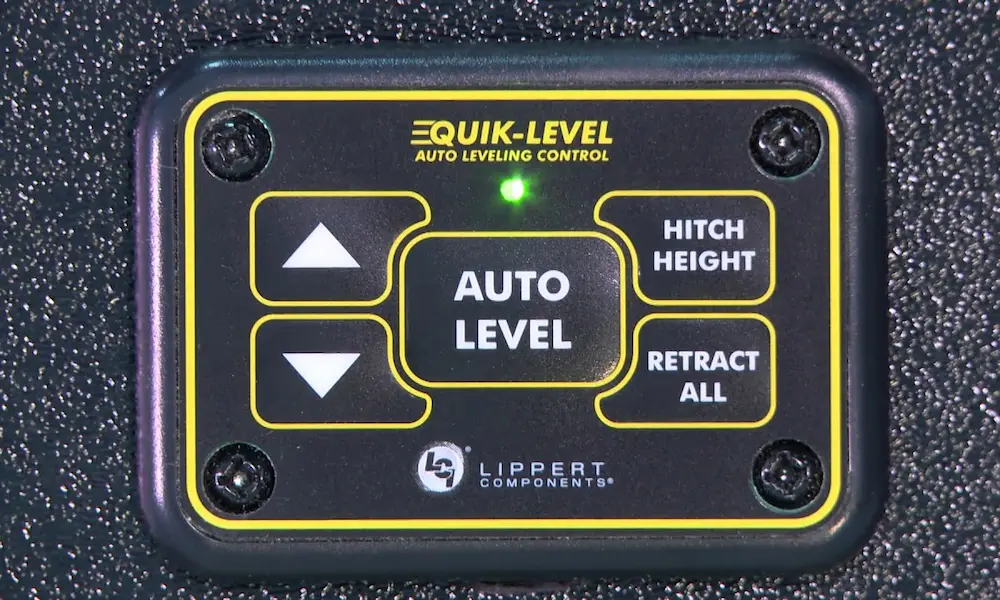
- Install permanent stabilizing jacks at each corner
- Remove the wheels if allowed by local code
Be careful not to over-lift one area, as this can warp the chassis.
Anchoring Systems for Permanent Stability
Proper anchoring is crucial, especially in areas prone to high winds or severe weather.
Ground Anchor Types
Several anchoring systems can secure your trailer:
- Auger-style anchors: Screw into ground and attach to frame
- Concrete deadmen: Buried concrete blocks with attached cables
- Helical piles: Professional-grade anchors driven deep into soil
- Combination systems: Multiple anchor types for maximum security
Simple screw-in anchors alone typically don’t meet HUD requirements for permanent installations – consider a more robust solution.
Installation Process
For proper anchoring:
- Identify anchor points along the trailer’s frame
- Install anchors at 45-degree angles away from the trailer
- Use heavy-duty straps or cables to connect anchors to the frame
- Tighten to manufacturer specifications without over-tightening
- Add protection where straps contact sharp edges
Regular inspection of your anchoring system is essential, especially after severe weather events.
Utility Connections for Permanent Living
Setting up reliable utilities transforms your trailer from a temporary solution to a comfortable permanent home.
Electrical Setup
For safe, consistent power:
Dedicated Power Installation
- Hire a licensed electrician to install a dedicated service
- Choose between 30-amp or 50-amp service based on your trailer’s needs
- Install a weather-resistant power pedestal near your setup
- Add a whole-system surge protector to protect appliances
- Consider a transfer switch for generator backup
Most RVs require 30-amp or 50-amp service – have a professional install this to ensure code compliance and safety.
Solar Power Options
For off-grid or supplemental power:
- Install high-capacity lithium batteries for energy storage
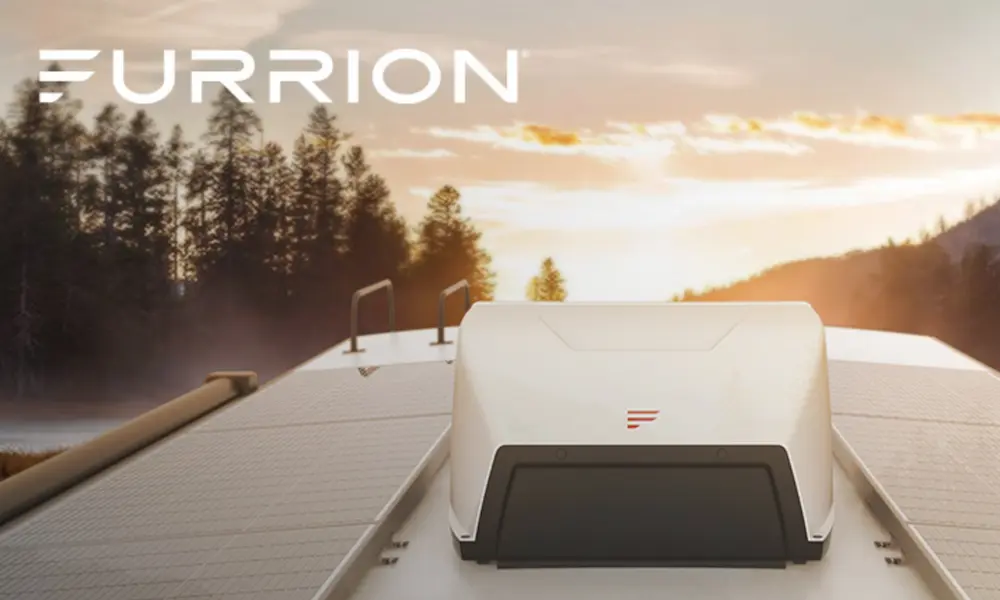
- Mount solar panels on your trailer roof or nearby ground racks
- Add a quality charge controller to manage power flow
- Consider a propane generator for backup during low-sun periods
Modern solar setups with high-capacity lithium batteries can provide reliable off-grid power even for larger trailers.
Water System Modifications
Permanent Water Connection
For reliable, clean water:
- Use FDA-approved drinking water hoses
- Install an inline pressure regulator to protect your plumbing
- Add whole-system and point-of-use water filters
- Insulate all exposed pipes with heat tape in cold climates
- Create accessible shutoff points for maintenance
Replace temporary hookups with permanent plumbing for better reliability and fewer leaks.
Winterizing Permanent Water Lines
In freezing climates:
- Bury water lines below the frost line
- Install heat tape on exposed pipes
- Add foam pipe insulation over heat tape
- Consider a small heated enclosure for water connections
- Install freeze-proof outdoor faucets
These protections prevent costly freeze damage during cold weather.
Waste Management Solutions
Permanent Sewer Connection
For hassle-free waste disposal:
- Replace flexible sewer hoses with rigid PVC pipes
- Ensure proper slope (¼ inch per foot) toward septic/sewer
- Install a secure, sealed connection to your trailer
- Add cleanout access points for maintenance
- Consider a separate gray water system if permitted locally
Rigid PVC pipes sloped correctly toward the septic tank are far more reliable than temporary sewer hoses.
Septic Options
If connecting to municipal sewer isn’t possible:
- Install a traditional septic tank and leach field
- Consider a composting toilet system to reduce waste
- Look into legal gray water systems for shower/sink water
- Explore holding tank systems with regular pumping service
Each option has different costs, maintenance requirements, and legal considerations.
Weatherproofing and Insulation
Proper weatherproofing transforms your trailer into a comfortable year-round home regardless of climate.
Roof and Wall Protection
Your roof needs special attention for long-term durability:
- Thoroughly inspect and repair any existing roof damage
- Apply elastomeric coating or EPDM rubber for waterproofing
- Add reflective coating in hot climates to reduce heat gain
- Install rain gutters to direct water away from the trailer
- Create a slight slope for drainage if adding a roof-over structure
Regular inspection of roof seals and reapplying sealant around vents and edges prevents costly water damage.
Skirting Installation
Skirting provides multiple benefits:
- Blocks cold air from flowing under your trailer
- Prevents pipes from freezing in winter
- Creates additional storage space
- Improves appearance and curb appeal
- Deters pests from making homes underneath
When installing skirting:
- Choose materials suited to your climate (vinyl, metal, wood, or insulated panels)
- Include access doors for storage and maintenance
- Add ventilation to prevent moisture buildup
- Secure firmly to both the ground and trailer
- Ensure proper fit around all pipes and connections
Properly insulated skirting dramatically improves energy efficiency in all seasons.
Insulation Upgrades
Enhance your trailer’s thermal efficiency:
| Area | Insulation Method | R-Value Increase |
|---|---|---|
| Ceiling | Rigid foam board + reflective barrier | +R-10 to R-15 |
| Walls | Spray foam in cavities | +R-7 to R-13 |
| Floor | Foam board under trailer | +R-5 to R-10 |
| Windows | Thermal curtains or window film | +R-3 to R-5 |
| Doors | Weather stripping and door sweeps | Reduces air infiltration |
Adding spray foam or rigid foam board insulation significantly improves comfort while reducing energy costs.
Expanding Your Living Space
Extend your living area beyond the trailer walls for greater comfort.
Building a Deck or Porch
A well-designed deck creates valuable outdoor living space:
- Use pressure-treated lumber or composite decking for durability
- Build to standard building codes for safety
- Include railings if the deck is elevated
- Add steps for easy access
- Consider a roof extension for weather protection
A pressure-treated wood deck dramatically expands your usable space while providing a transition between indoors and outdoors.
Adding Awnings and Shade Structures
For comfort and protection:
- Install a retractable awning for flexible shade
- Build a pergola for partial shade with airflow
- Consider a solid roof extension for all-weather protection
- Add outdoor curtains or screens for privacy and wind protection
- Incorporate outdoor lighting for evening use
These additions create usable outdoor space even during light rain or intense sun.
Landscaping Around Your Setup
Strategic landscaping enhances your permanent site:
- Create pathways with pavers, gravel, or mulch
- Plant native, low-maintenance plants
- Install proper drainage around the site
- Add outdoor storage solutions
- Consider privacy plantings or fencing
Well-planned landscaping manages runoff while improving aesthetics.
Storage Solutions for Permanent Living
Living in a travel trailer full-time requires creative storage solutions.
External Storage Options
Expand your storage capacity:
- Build a small matching shed for seasonal items
- Install exterior cargo boxes on the trailer’s frame
- Use the space under your deck for weather-protected storage
- Consider a small garden shed for tools and outdoor equipment
- Look into weatherproof vertical storage cabinets
External storage prevents clutter inside your living space.
Maximizing Interior Storage
Make every inch count inside:
- Replace standard furniture with storage-focused alternatives
- Install ceiling-mounted storage nets or baskets
- Use vertical space with floor-to-ceiling shelving
- Add under-bed storage containers
- Utilize door-mounted organizers on cabinets
Ruthless organization is essential for comfortable permanent travel trailer living.
Maintenance for Long-Term Durability
Regular maintenance ensures your permanently placed travel trailer remains a comfortable, safe home for years.
Seasonal Maintenance Schedule
Follow this schedule for optimal care:
Spring Tasks:
- Inspect and reseal roof seams and edges
- Clean and service air conditioning system
- Check for winter damage to skirting and external components
- Flush and sanitize water system
Fall Tasks:
- Prepare water systems for freezing temperatures
- Clean gutters and check roof drainage
- Inspect heating system and change filters
- Check skirting for gaps or damage
Ongoing Monthly Checks:
- Test smoke and CO detectors
- Inspect for water leaks or damage
- Check anchoring system and stabilizers
- Monitor for pest activity
Regular biannual inspection of roof seals, plumbing joints, and electrical connections prevents major issues.
Addressing Common Problems
Be prepared to handle these typical issues:
Water Damage Prevention
- Immediately address any leaks, no matter how small
- Regularly check all seals and caulking
- Use dehumidifiers in humid climates
- Ensure proper ventilation to prevent condensation
Structural Maintenance
- Regularly tighten stabilizing jacks
- Check for signs of shifting or settling
- Ensure the frame remains level
- Look for signs of stress at connection points
Pest Management
- Seal all potential entry points with steel wool or expanding foam
- Keep food properly stored
- Set traps around skirting perimeter
- Consider professional pest control services annually
Proactive maintenance prevents most serious problems with permanent trailer setups.
Legal Considerations for Permanent Setup
Understanding legal requirements is crucial for a hassle-free permanent trailer setup.
Permitting Requirements
Before setting up permanently:
- Research local zoning regulations for permanent RV living
- Apply for required permits for foundations, electrical work, and plumbing
- Schedule necessary inspections throughout the setup process
- Obtain written approval from homeowners’ associations if applicable
- Document all permits and approvals for future reference
Failing to obtain proper permits can result in fines or forced relocation of your trailer.
Insurance Considerations
Standard RV insurance often doesn’t cover permanently placed trailers:
- Contact insurance providers specializing in stationary RV coverage
- Consider transitioning to a manufactured home policy if applicable
- Ensure coverage for both the structure and your possessions
- Add liability coverage for visitors to your property
- Document all modifications with photos for insurance purposes
You’ll need to switch from recreational vehicle insurance to a policy specifically covering permanent structures.
Addressing Property Tax Questions
Permanently placing a travel trailer may affect your property taxes:
- Ask your local tax assessor about classification of permanent RVs
- Determine if the trailer will be taxed as real property or personal property
- Understand how improvements like decks or foundations impact assessment
- Keep records of all communications with tax authorities
- Budget for potential increases in property taxes
Tax treatment varies widely by location, so local research is essential.
Modern Comforts and Upgrades
Enhance your permanently placed trailer with these modern amenities.
Smart Home Integration
Add convenience with technology:
- Install a smart thermostat for remote climate control
- Add smart lighting systems for efficiency and convenience
- Incorporate voice assistants for hands-free control
- Use smart security cameras for remote monitoring
- Consider smart locks for keyless entry
Many smart home technologies now work with minimal installation, perfect for trailer living.
Energy Efficiency Upgrades
Reduce utility costs long-term:
- Replace all lighting with LED fixtures
- Install low-flow faucets and showerheads
- Add a tankless water heater for on-demand hot water
- Upgrade to energy-efficient appliances when replacing
- Consider mini-split HVAC systems for zone control
Energy-efficient upgrades pay for themselves through lower utility bills while increasing comfort.
Safety Measures for Permanent Living
Enhance safety in your permanent trailer home with these essential measures.
Fire Safety Systems
Protect against fire hazards:
- Install smoke detectors in every room and test monthly
- Place fire extinguishers in kitchen and near exits
- Add carbon monoxide detectors if using propane appliances
- Create a clear emergency exit plan
- Keep a fire safety ladder if your bedroom is elevated
Proper fire safety equipment and planning could save your life in an emergency.
Severe Weather Preparation
Be ready for extreme conditions:
- Create a severe weather plan specific to your region
- Strengthen anchoring beyond minimum requirements
- Have emergency power options (generator or battery backup)
- Keep emergency supplies on hand (water, food, first aid)
- Consider a small storm shelter if in tornado-prone areas
Enhanced anchoring systems that exceed minimum standards provide crucial protection during high winds.
By following this comprehensive guide, you’ll transform your travel trailer into a comfortable, safe, and legally-compliant permanent home. Remember that proper preparation and maintenance are key to enjoying your permanently placed travel trailer for many years to come.