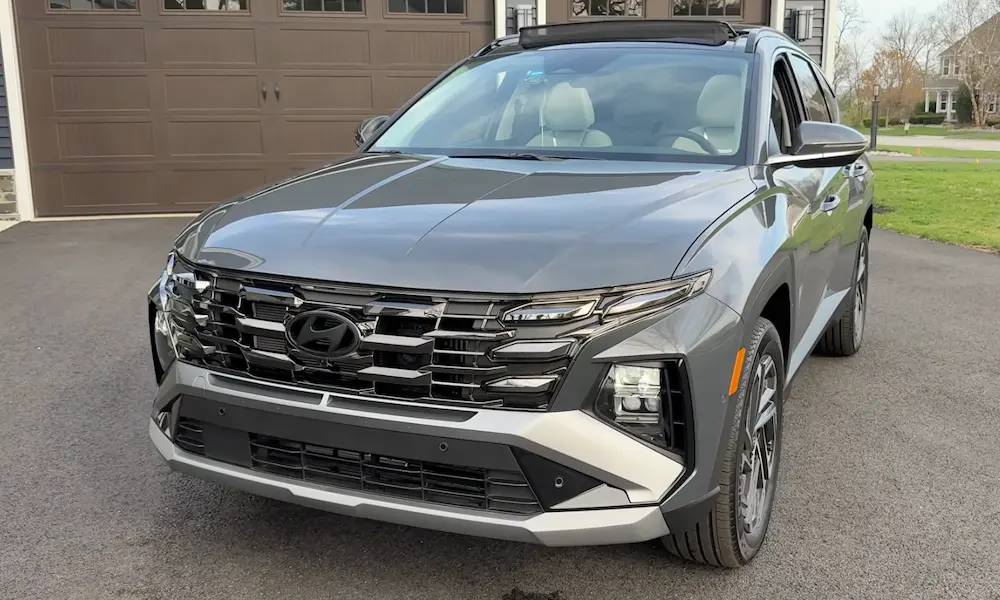
Is your Hyundai Tucson AC blowing hot air? Or worse, has your dealer mentioned something about a recall? You might be dealing with one of several Hyundai Tucson air conditioner recall issues affecting models from 2010 through 2025. From minor component replacements to serious safety concerns, these problems can range from inconvenient to potentially dangerous. Let’s break down what’s happening, which models are affected, and what you need to do right now.
Critical Safety Recalls You Can’t Ignore
2010-2013 Tucson Models: Park Outside Immediately
If you own a 2010-2013 Tucson, this is urgent. The Anti-Lock Brake System (ABS) module may leak brake fluid internally and cause an electrical short. This can trigger an engine compartment fire while your vehicle is parked or even while you’re driving.
What makes this recall especially relevant is that it directly impacts your air conditioning system. The electrical system malfunction affects multiple vehicle systems, including your AC components.
Take these steps immediately:
- Park your Tucson outside, away from your house or garage
- Contact a Hyundai dealer to schedule a free ABS fuse replacement
- Don’t delay – the fire risk exists even when your car is turned off
2025 Tucson Models: Rollaway Risk
Owners of brand new 2025 Tucson models face a different but equally serious issue. A recall affects these vehicles due to improperly routed console extension wiring.
While this isn’t directly AC-related, it’s a critical safety concern. The defect allows the transmission to shift out of Park without applying the brake pedal, creating a dangerous rollaway risk. Until your dealer can reroute the wiring assembly free of charge, always use your parking brake when parking.
Understanding Your AC System and Common Failures
Before we dive into model-specific issues, let’s understand what components make up your Tucson’s AC system and what typically goes wrong.
The main parts include:
| Component | Function | Common Failure Signs |
|---|---|---|
| Compressor | Pressurizes refrigerant | Grinding noise, no cold air |
| Condenser | Cools heated refrigerant | Reduced cooling, refrigerant leaks |
| Evaporator | Absorbs heat from cabin air | Inconsistent cooling, musty smell |
| Temperature Sensors | Controls system function | Cycling on/off, temperature fluctuation |
| Control Module | Manages electronic signals | Random shutdowns, display issues |
Many Tucson AC issues stem from compressor failures and sensor malfunctions, which we’ll cover next.
Model-Year Specific AC Issues and Campaigns
2016 Tucson LM Model: The Noisy Culprit
If you own a 2016 Tucson LM and hear strange noises from your vents, you’re not imagining things. These models experienced abnormal noise from the HVAC intake actuator during operation.
Technical Service Bulletin 16-01-063 addressed this by replacing the faulty intake actuator. While this service campaign has been completed, if you’re still experiencing similar symptoms, contact your dealer as you might be eligible for a free repair.
2016-2017 Tucson TL Models: Temperature Sensor Problems
One of the most significant AC-related service campaigns was implemented in February 2018 for certain 2016-2017 Tucson TL models. Service Campaign T2U required replacement of the A/C evaporator temperature sensor and updating the HVAC ECU software.
Technical details for this campaign include:
- Campaign part number: 97143-C5000QQH
- Addresses AC performance issues for both dual automatic temperature control (DATC) and manual temperature control (MTC) systems
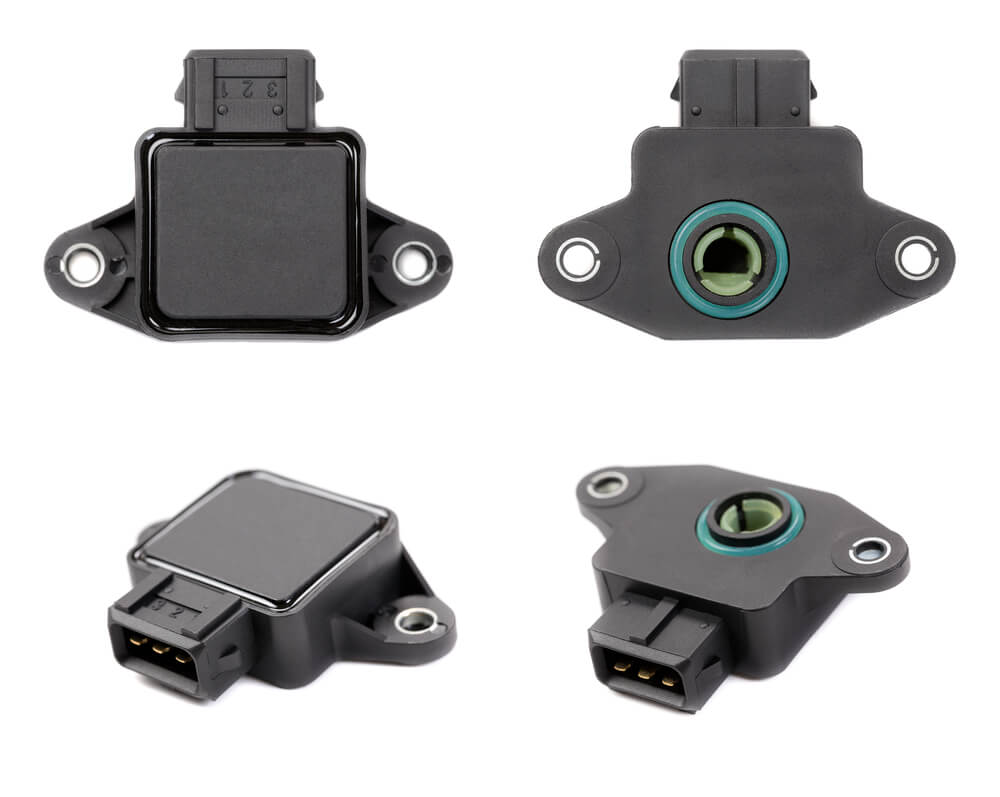
The evaporator temperature sensor is located behind the left console side cover and monitors temperatures to prevent system freeze-up. When this sensor fails, it causes your AC compressor to short cycle or completely shut down.
2018-2022 Models: Class Action Investigation
If you own a 2018-2022 Tucson with AC problems, you might be part of something bigger. A significant class action lawsuit investigation is currently underway regarding premature AC compressor failure in these model years.
The Sauder Schelkopf law firm is investigating allegations that these vehicles experience:
- AC compressor failure
- Refrigerant leaks
- Unusual noises
- Circuit breaks
- AC systems blowing warm air
Here’s what makes owners particularly frustrated:
- Dealers often tell customers that AC compressor failure is “normal”
- Many are denied warranty coverage
- Hyundai reportedly lacks replacement parts for necessary repairs
- Owners face expensive out-of-pocket costs, often $1,200-$3,000
If you’re affected, start documenting all AC-related problems. Keep repair records and save all communication with dealers regarding warranty coverage denials.
How to Check If Your Tucson Has an Open Recall
Don’t wait for a letter in the mail. Here’s how to verify if your Tucson is affected by any recalls or service campaigns:
- Check by VIN: Visit Hyundai’s official site at autoservice.hyundaiusa.com and enter your 17-character Vehicle Identification Number
- NHTSA Database: Search the federal safety recall database at nhtsa.gov/recalls
- Call Directly: Contact Hyundai Customer Service at 1-855-371-9460 with your VIN handy
Don’t ignore recall notices – especially ones with safety implications. All recall repairs are performed free of charge regardless of your vehicle’s age or warranty status.
AC Warranty Coverage: What’s Protected and What’s Not
Understanding your warranty coverage is crucial for managing potential AC repair costs.
AC components in your Hyundai Tucson are typically covered under the standard 5-year/60,000-mile New Vehicle Limited Warranty. However, your AC compressor might qualify for extended coverage under the 10-year/100,000-mile Powertrain Limited Warranty if it’s engine-driven.
Important notes about your coverage:
- Safety recalls and service campaigns are always performed free regardless of warranty status
- Extended warranties may provide additional coverage for AC components
- Documentation of problems and repair attempts is crucial if you need to take legal action
DIY vs. Dealer Repair: What Can You Fix Yourself?
While major AC repairs should be handled by professionals, particularly if they’re recall-related, there are some maintenance steps you can take yourself:
| DIY Maintenance | Professional Repairs |
|---|---|
| Check for refrigerant leaks | Compressor replacement |
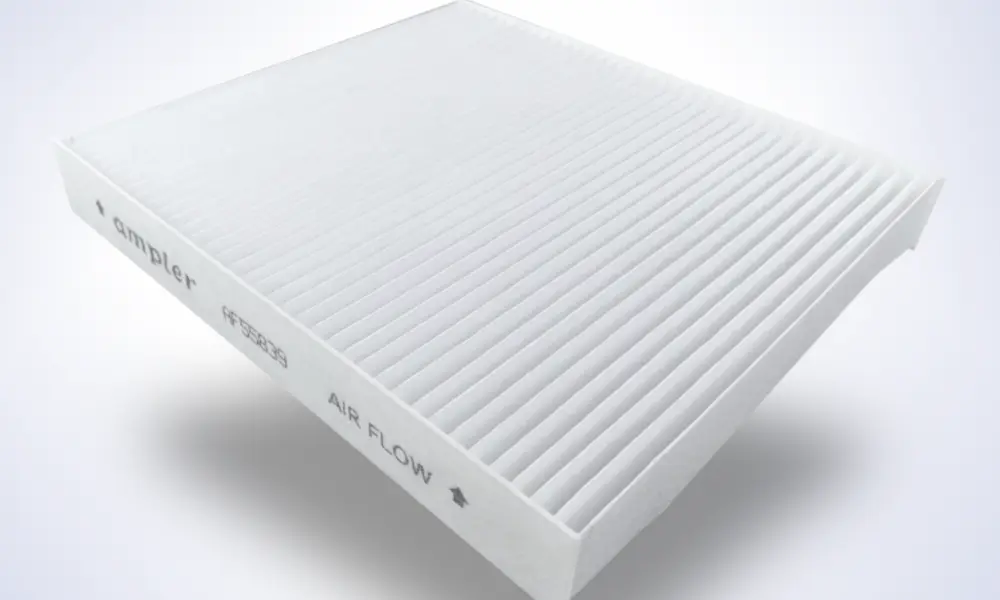
| Clean cabin air filter | Evaporator or condenser replacement |
| Inspect for visible damage | Recall-related repairs |
| Monitor unusual sounds | System recharge |
| Check proper air flow | Control module programming |
A potential low-cost solution some owners have found involves replacing the AC compressor solenoid valve (part number 976742S000) for approximately $20. This valve controls air pressure in the system and commonly fails on Hyundai models. However, this fix won’t address more serious issues covered by recalls.
Warning Signs Your AC Issue Might Be Recall-Related
How can you tell if your AC problem is part of a bigger issue? Watch for these telltale signs:
- AC cycles on and off frequently – Could indicate a faulty evaporator temperature sensor from the 2016-2017 campaign
- AC compressor fails before 60,000 miles – May be related to the 2018-2022 class action investigation
- Burning smell from engine compartment – Potentially connected to the 2010-2013 ABS module fire risk recall
- Unusual electrical system behavior – Could be linked to various safety recalls affecting multiple vehicle systems
- Refrigerant leaks with visible damage – May indicate a manufacturing defect covered by warranty
Don’t ignore these warning signs! They could indicate a recall-eligible issue that Hyundai will fix for free.
Steps to Take If Your Tucson Is Affected
For 2010-2013 Tucson Owners (Immediate Fire Risk)
- Park your vehicle outside and away from structures immediately
- Contact your nearest Hyundai dealer to schedule the ABS recall repair
- Don’t delay – the fire risk exists whether your car is running or not
For All Tucson Owners With AC Issues
- Check your VIN for open recalls and service campaigns
- Document any AC-related symptoms with dates and mileage
- Keep all repair receipts and dealer communications
- Report safety-related issues to NHTSA if necessary
Important Contact Information
- Hyundai Customer Service: 1-855-371-9460
- NHTSA Safety Hotline: 1-888-327-4236
- Hyundai Customer Service Hours: Monday-Friday 6:00 AM – 5:00 PM PST, Saturday 6:30 AM – 3:00 PM PST
Getting Compensation for Previous Repairs
If you’ve already paid for AC repairs that should have been covered under a recall or warranty, you might be eligible for reimbursement.
To request compensation:
- Gather all repair invoices and proof of payment
- Document communication with dealers about the issue
- Contact Hyundai Customer Service at 1-855-371-9460
- Submit your reimbursement request with supporting documentation
For the ongoing class action investigation regarding 2018-2022 models, stay informed through the Sauder Schelkopf law firm website as the case progresses.
The Impact of AC Recalls on Tucson Resale Value
Concerned about how these recalls might affect your Tucson’s value? Here’s what you should know:
- Completed recalls generally don’t decrease value and may actually preserve it
- Unaddressed recalls can significantly reduce resale value and complicate private sales
- The 2010-2013 fire risk recall may have more impact on value than AC-specific issues
- Having documentation of all completed recall work helps maintain value
If you’re selling your Tucson, provide potential buyers with documentation showing all recalls have been addressed.
Comparing Tucson AC Issues to Other Hyundai Models
The Tucson isn’t alone in experiencing AC problems. Here’s how it compares to other Hyundai models:
| Model | Common AC Issues | Related Recalls |
|---|---|---|
| Tucson | Compressor failure, temperature sensor issues | Multiple years affected |
| Santa Fe | Similar compressor issues as Tucson | Fewer temperature sensor problems |
| Elantra | Refrigerant leaks, blower motor failures | Limited compressor failures |
| Sonata | Control module issues, compressor clutch failures | Some shared components with Tucson |
Understanding this comparison might help if you’re considering trading your Tucson for another Hyundai model.