Is your Tucson blowing hot air when you need cool relief? You’re about to discover the most common Hyundai Tucson AC problems and practical solutions. I’ll guide you through DIY fixes to save you money and help you recognize when it’s time to call in the experts. Stay with me—by the end, you’ll know exactly what’s wrong with your Tucson’s air conditioning.
Most Common Reasons Your Hyundai Tucson AC Isn’t Cooling
Refrigerant Leaks
Refrigerant leaks are the #1 culprit behind Hyundai Tucson cooling problems. Your AC needs this special fluid to create cold air, and when it escapes, your system can’t cool properly.
In Tucson models, the discharge aircon hose often leaks at the ferrule crimp, which is a connection point in the AC system. Watch for these telltale signs:
- AC gradually blowing less cold air
- Hissing sounds near AC components
- Sweet smell from your vents
- Visible oil spots under your car
While you can’t fix refrigerant leaks yourself (it requires special equipment and certification), identifying this problem early can prevent bigger issues.
Compressor Failure
Think of your compressor as the heart of your AC system. When it stops working, nothing else matters—you’ll get warm air no matter what.
Common compressor issues in the Tucson include:
- Seized pulley bearings (you’ll hear squealing noises)
- Complete compressor failure (no cooling at all)
- Electrical problems preventing compressor engagement
If your AC makes grinding noises when turned on or doesn’t cool at all, your compressor might be the culprit.
Dirty or Clogged Condenser
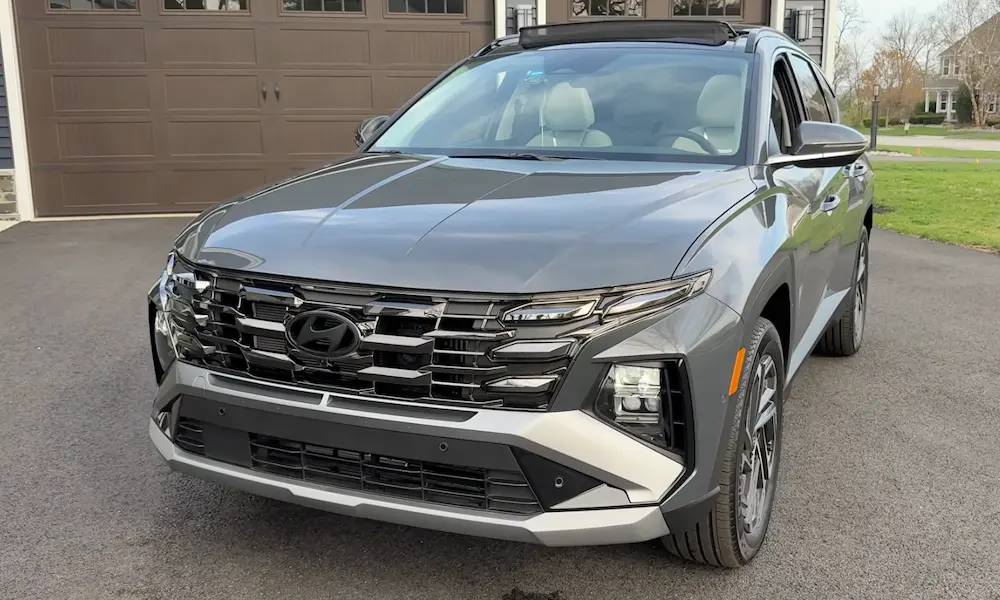
The condenser sits at the front of your Tucson, right behind the grille. Its job is to release heat from the refrigerant, but it can’t do that when clogged with dirt, bugs, or debris.
Signs of a dirty condenser include:
- AC works fine when driving but fails when idling
- System doesn’t cool as well as it used to
- Engine temperature rises when AC is on
This is one problem you can often fix yourself with a careful cleaning (more on that later).
Blower Motor Issues
If you’re not feeling any air—hot or cold—coming from your vents, the blower motor might be the issue. This component pushes air through your vents, and without it, even a perfectly functioning cooling system can’t keep you comfortable.
Look for these symptoms:
- No airflow from any vents
- Fan only works on certain speeds
- Strange noises when fan is turned on
Clogged Cabin Air Filter
This simple, often-overlooked part can cause major AC problems in your Tucson. When clogged, it restricts airflow and makes your entire system work harder.
You might have a dirty cabin air filter if:
- Airflow from vents is weak
- AC doesn’t cool as well as before
- You notice musty smells when running the AC
- It’s been more than a year since your last replacement
The good news? Replacing this filter is one of the easiest DIY fixes you can perform.
Electrical Problems
Modern Tucsons have sophisticated climate control systems that rely on numerous electrical components. Problems can include:
- Blown fuses
- Faulty relays
- Damaged wiring
- Climate control module malfunction
These issues can be tricky to diagnose but sometimes have simple fixes.
DIY Troubleshooting: Step-by-Step Guide
Start With The Basics
Before getting technical, check these simple things:
- Make sure the AC button is actually pressed (sounds obvious, but we all miss it sometimes)
- Verify all air vents are open and unobstructed
- Check that your engine isn’t overheating (which can cause AC shutdown)
- Ensure the fan speed is set high enough to feel the airflow
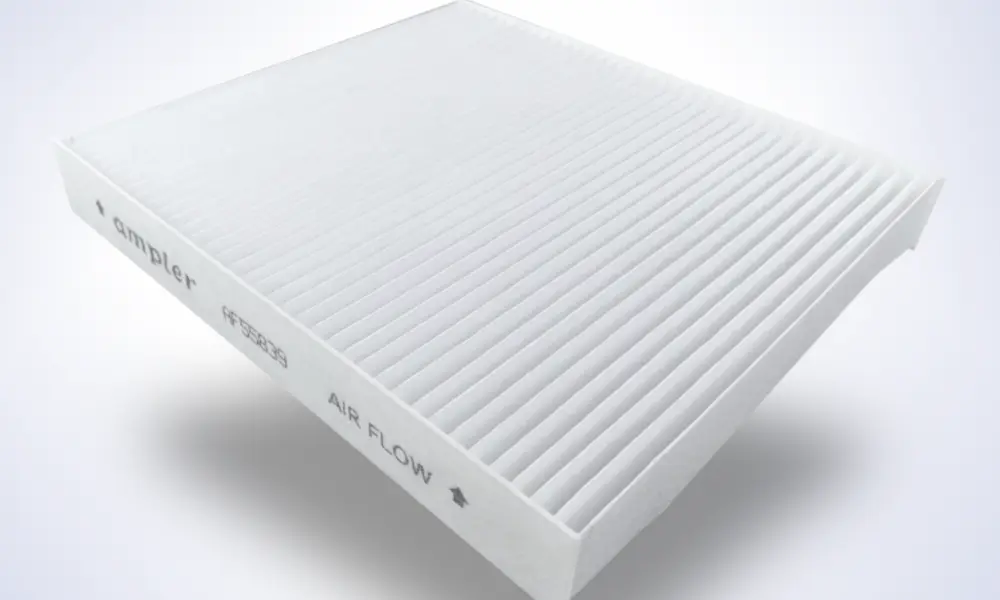
Inspect and Replace Your Cabin Air Filter
This 10-minute job can solve many AC problems:
- Open your glove box and empty it
- Look for plastic tabs or clips on either side
- Press these tabs in to lower the glove box completely
- Locate the filter housing (usually a plastic cover you can unclip)
- Remove the old filter and check its condition
- If it’s dirty or clogged, replace it with a new one
When installing the new filter, make sure the airflow arrow points downward. A clean filter can immediately improve airflow and cooling performance.
Check AC-Related Fuses
Blown fuses can disable your AC system:
- Locate your Tucson’s fuse boxes (check your owner’s manual, but typically one is under the hood and another inside the cabin)
- Find the fuses related to “AC,” “Climate,” or “Blower”
- Carefully remove and inspect each fuse for a broken wire inside
- Replace any blown fuses with new ones of the same amperage
Clean Your Condenser
A dirty condenser can’t efficiently release heat:
- Locate the condenser (it’s behind the front grille, in front of the radiator)
- Carefully spray it with low-pressure water from front to back
- For stubborn debris, use a soft brush
- Alternatively, use compressed air to blow out dirt and debris
Important: Always spray in the same direction as the fins to avoid damaging them.
Listen For Compressor Engagement
Your compressor should make a distinct clicking sound when the AC is turned on:
- Start your Tucson and turn the AC on full blast
- Listen for a click from the engine area, followed by a slight change in engine sound
- If you don’t hear this click, or hear grinding/squealing, your compressor may have issues
Check Blower Motor Operation
Test if your blower motor is working properly:
- Turn on your AC and cycle through all fan speeds
- If no air comes out at any setting, the blower motor might be dead
- If air only comes on certain speeds (usually only the highest), the blower motor resistor likely needs replacement
Advanced Diagnostic Trick: Access Hidden Mode
Hyundai Tucson models have a hidden diagnostic mode that can help identify specific AC problems:
- Start your vehicle
- Turn the AC on
- Press and hold the OFF button on your climate control
- While holding OFF, press the MODE button multiple times
- The display should show error codes if any are present
- Press OFF again to exit
This hidden diagnostic mode can reveal specific problems that might not be obvious.
Model-Specific Issues to Watch For
2022-2023 Tucson AC Problems
Newer Tucson models (particularly 2023) have some reported AC issues:
- Systems taking 10+ minutes to produce cool air
- Multiple evaporator core replacements needed
- Problems persisting despite dealer visits
If you own a newer Tucson with AC problems, document everything carefully—you might be dealing with a known issue that should be covered under warranty.
2016-2018 Tucson Specific Issues
These model years commonly experience:
- Discharge hose leaks at crimp points
- Compressor clutch failures
- Electronic control valve problems
Preventive Maintenance to Avoid Future Problems
An ounce of prevention is worth a pound of cure—especially with AC systems:
Regular System Usage
Run your AC at least once a week, even in winter. This keeps seals lubricated and helps prevent leaks.
Seasonal Inspections
Before hot weather hits:
- Get your refrigerant levels checked
- Have the system pressure-tested for leaks
- Listen for unusual noises
Routine Filter Changes
Replace your cabin air filter every 12,000-15,000 miles, or:
- Every 12 months in normal conditions
- Every 6 months if you drive in dusty areas or have allergies
Keep Your Condenser Clean
Regularly check the front of your car and remove any debris blocking the condenser. This simple step prevents many cooling problems.
Cost Comparison: DIY vs. Professional Repairs
| Repair Type | DIY Cost | Professional Cost | Difficulty Level |
|---|---|---|---|
| Cabin air filter replacement | $15-30 | $50-100 | Easy |
| Fuse replacement | $5-10 | $50-100 | Easy |
| Condenser cleaning | $0-5 | $75-150 | Moderate |
| Refrigerant recharge | Not DIY-able | $100-300 | Professional only |
| Blower motor resistor | $30-60 | $150-300 | Moderate |
| Compressor replacement | $200-400 parts | $800-1,500 | Professional only |
| Discharge hose repair | Not DIY-able | $300-600 | Professional only |
Common Tucson AC Problem Patterns
Understanding patterns helps with diagnosis:
Gradual Cooling Loss
If your AC has slowly gotten less effective over months, you likely have a refrigerant leak.
Sudden Complete Failure
When the AC stops working entirely without warning, suspect electrical issues or compressor failure.
Works Sometimes, Not Others
Intermittent cooling often points to electrical problems or a failing compressor clutch.
Cold At First, Then Warm
If your AC starts cold but gets warm after driving, your system might be freezing up due to moisture or have a blockage.
Dealing With Hyundai Dealerships For AC Problems
If your Tucson is under warranty:
- Document everything about your AC problem (when it happens, temperatures, etc.)
- Be specific about symptoms when talking to service staff
- Ask for documentation of all work performed
- If problems persist after repair, escalate to service manager
- For repeated issues, contact Hyundai Customer Service directly
Many AC issues are covered under warranty, especially for newer models.
Why Some Tucson AC Problems Keep Coming Back
Understanding why some issues persist helps prevent wasted money:
- Incomplete diagnosis (fixing symptoms, not causes)
- Poor quality replacement parts
- Underlying electrical issues left unaddressed
- Contaminated AC system after repair
If your AC problem returns after repair, seek a second opinion from a specialist.
By now, you should have a clear understanding of why your Hyundai Tucson’s air conditioning isn’t working and the steps to fix it. Whether you’re tackling simple maintenance yourself or heading to a professional with the right information, you’re well-equipped to get your cool air flowing again.