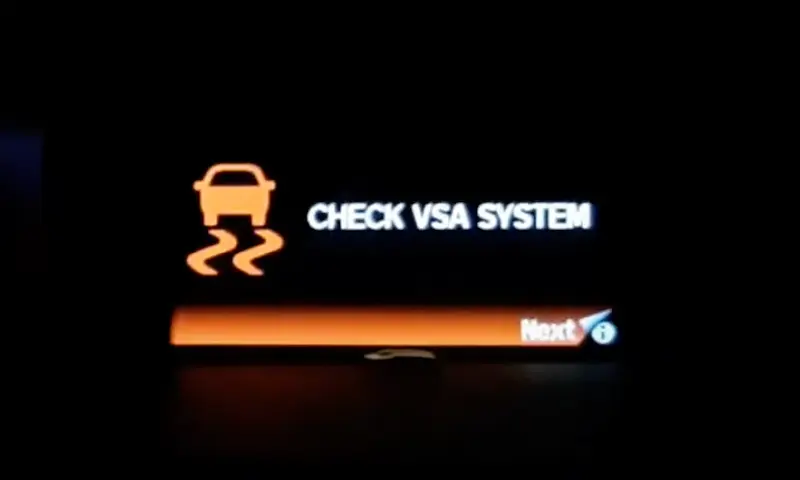
Ever noticed your dashboard lit up like a Christmas tree with that pesky VSA light? If you’re staring at a Honda U0416-68 error code, you’re dealing with a Vehicle Stability Assist brake actuator malfunction. This isn’t just an annoying warning – it affects your vehicle’s stability control and potentially your safety on the road.
I’ll walk you through exactly what this code means, why it happens, and most importantly, how to fix it without unnecessary trips to the dealership. From DIY diagnostics to repair options, this guide covers everything you need to know about this common Honda headache.
What Does the Honda U0416-68 Code Actually Mean?
The Honda U0416 68 diagnostic trouble code (DTC) specifically points to a malfunction in your Vehicle Stability Assist (VSA) brake actuator system. In plain English, there’s a communication problem between your car’s main computer and the unit that controls your stability systems.
When working properly, the VSA system helps maintain control during cornering and emergency maneuvers by applying brake pressure to specific wheels. The “68” part of the code specifies it’s the brake actuator component that’s causing issues, rather than a general network problem.
This isn’t just a minor inconvenience – this fault directly impacts your anti-lock braking system, traction control, and electronic stability control.
Common Symptoms of a U0416-68 Code
When your Honda develops this fault, you’ll typically notice several warning signs:
- Illuminated VSA and ABS warning lights
- VSA system completely disabled
- Strange behavior during braking (especially on slippery surfaces)
- Dashboard message indicating “VSA System Problem”
- Stability assist features non-functional
Many owners report these symptoms appearing suddenly, sometimes after battery replacement or disconnection. The warning lights typically stay on continuously until the underlying issue is resolved.
Primary Causes of the Honda U0416-68 Error
This error code doesn’t have a single cause. Based on technical service bulletins and repair data, here are the most common culprits:
1. Electrical Issues
Electrical problems top the list of causes, particularly:
- Battery-related problems: Low voltage or recent battery disconnection/replacement
- Faulty wiring: Damaged connections between the VSA module and brake actuator
- Power supply interruptions: Corroded fuse contacts or unstable power to the module
2. Mechanical Failures in the Actuator
Physical problems with the actuator itself are also common:
- Hydraulic valve blockages: Contaminated brake fluid obstructing solenoid valves
- Pump motor degradation: Worn brushes in the motor that powers the actuator
- Internal mechanical failure: Damaged components within the VSA unit
3. Software and Calibration Issues
Don’t overlook these electronic causes:
- Outdated VSA firmware: Honda has released software updates for some models to address this code
- Steering angle sensor misalignment: Requires recalibration, especially after battery disconnection
- Module communication errors: CAN bus network problems between vehicle systems
Honda Models Most Affected by U0416-68
While this code can appear across Honda’s lineup, certain models seem more prone to this issue:
| Honda Model | Model Years | Common Trigger |
|---|---|---|
| CR-V | 2012-2017 | Battery replacement |
| Civic | 2016-2019 | Low voltage conditions |
| Accord | 2013-2017 | VSA actuator failure |
| Fit | 2015-2020 | Steering sensor calibration |
| Pilot | 2016-2018 | Software incompatibility |
If you drive one of these models, it’s worth being especially vigilant about maintaining your VSA system.
DIY Diagnosis: Checking Your Honda U0416-68 Code
Before heading to a mechanic, here are some diagnostic steps you can take yourself:
Step 1: Verify Battery and Charging System
The first thing to check is your vehicle’s electrical system:
- Measure battery voltage (should be above 12.6V when off, 13.5-14.8V when running)
- Look for corrosion on battery terminals
- Check related fuses (consult your owner’s manual for VSA fuse locations)
A significant number of U0416 68 codes appear after battery disconnection or replacement. Sometimes, simply driving the vehicle for several miles can allow systems to recalibrate.
Step 2: Check for Technical Service Bulletins
Honda has issued specific technical service bulletins for some vehicles with this code. Search the NHTSA database using your VIN to see if your specific model has a known issue with an official fix.
Step 3: Scan for Additional Codes
While U0416 68 is your primary code, additional DTCs can help pinpoint the exact issue:
- Use an OBD-II scanner that supports Honda systems
- Look for related codes like U0401, P0030, or other U-codes
- Clear codes and see if they return immediately (indicating an active problem)
Professional Diagnostic Steps
If DIY checks didn’t solve the issue, here’s what a professional technician will likely do:
Electrical System Testing
A thorough diagnosis includes:
- Testing CAN bus communication lines for proper resistance and signals
- Measuring voltage drops across critical circuits
- Checking ground connections at the VSA module
- Inspecting wiring harnesses for damage
Actuator Function Tests
The brake actuator requires specialized testing:
- Monitoring current draw from the pump motor (should be 5-15A during operation)
- Testing solenoid valve resistance and function
- Pressure testing the hydraulic components
- Verifying proper modulation during ABS activation
Software and Calibration Verification
The electronic aspect requires:
- Steering angle sensor calibration using proper equipment
- Checking for VSA module firmware updates
- Running manufacturer-specific self-tests on the stability system
- Verifying proper integration with other vehicle systems
Fixing the Honda U0416-68 Code: Repair Options
Once properly diagnosed, here are your repair options ranging from simple to complex:
1. Reset and Recalibration Procedures
In some cases, particularly after battery work, the fix is relatively simple:
- Professional reset of the VSA system
- Steering angle sensor calibration using specialized equipment
- Driving cycle to allow system self-calibration
- Clearing codes after proper voltage restoration
2. Software Updates
Honda has released firmware updates for several models:
- ECU reprogramming with the latest VSA software
- Module reflashing to address known communication issues
- Parameter updates for proper system integration
- These updates typically require dealer-level equipment or specialized tools
3. Component Replacement
More serious cases require hardware replacement:
- Full VSA brake actuator replacement (most common fix)
- Wiring harness repair or replacement
- VSA control module replacement
- Steering angle sensor replacement
Critical Repair Considerations
If you’re tackling this repair, remember these crucial points:
Brake System Bleeding Procedure
After any work on the VSA actuator, proper bleeding is essential:
- Use a pressure bleeder set to 20-35 psi
- Follow the manufacturer’s specific bleeding sequence (typically RR > RL > FR > FL)
- Some models require a special bleeding procedure using a scan tool
- Incomplete bleeding can cause new problems and code returns
Post-Repair Verification
After repairs, proper verification includes:
- Road testing with VSA activation checking
- Verifying ABS functionality in controlled conditions
- Monitoring for return of warning lights
- Checking for proper pressure modulation during braking
Prevention Tips for Future U0416-68 Codes
To avoid dealing with this problem again, consider these preventative measures:
- Proper Battery Maintenance
- Use a memory saver when replacing your battery
- Keep battery terminals clean and connections tight
- Maintain proper charging system operation
- Brake System Care
- Replace brake fluid according to Honda’s maintenance schedule
- Use only Honda-approved DOT 3 brake fluid
- Address any brake system issues promptly
- Electrical System Protection
- Avoid jump starting without proper procedure
- Don’t disconnect the battery while the engine is running
- Be careful when adding aftermarket electronics
Cost Expectations for U0416-68 Repairs
Repair costs vary based on the underlying cause and your specific Honda model:
| Repair Type | Typical Cost Range | Notes |
|---|---|---|
| Diagnostic Fee | $80-150 | Often applied to repair if completed |
| Software Update | $100-200 | May be covered under certain warranties |
| Steering Calibration | $75-150 | Required after battery disconnection |
| VSA Actuator Replacement | $1,200-2,500 | Most expensive but definitive fix |
| Wiring Repair | $200-500 | Depends on location and extent of damage |
Some owners report success with used actuators, but this carries risk as the unit might have similar wear issues.
The Bottom Line on Honda U0416-68
The Honda U0416 68 code points to a specific problem with your VSA brake actuator that affects vehicle stability systems. While sometimes triggered by simple issues like battery disconnection, it often requires professional diagnosis and repair.
Don’t ignore this code – your vehicle’s stability control systems are crucial safety features. In many cases, a proper repair restores these functions completely, getting you back on the road with all safety systems operational.
For persistent or recurring issues, consider consulting with a Honda dealership technician who has manufacturer-specific training on VSA systems.