Ever seen that annoying tire pressure light on your Hyundai Tucson dashboard and wondered how to make it disappear? You’re not the only one juggling with this common issue. Proper tire pressure isn’t just about getting rid of warning lights—it directly impacts your fuel economy, handling, and tire lifespan.
Let’s cut to the chase and walk through exactly how to reset the tire pressure monitoring system (TPMS) in your Hyundai Tucson, with different methods that work across various model years.
Understanding Your Tucson’s TPMS System
Your Tucson’s TPMS uses sensors in each wheel to monitor tire pressure continuously. When pressure drops below the recommended level (typically 33-35 PSI), that pesky dashboard warning lights up.
The system isn’t just there to annoy you—it’s a crucial safety feature that warns of potential tire failures before they happen. But sometimes, even after fixing the actual pressure issue, the light stays on.
Common causes for TPMS warnings include:
- Naturally dropping tire pressure (all tires lose about 1 PSI per month)
- Sudden temperature changes (pressure drops in cold weather)
- Recent tire rotations or replacements
- Sensor batteries failing (they typically last 6-10 years)
When You Need to Reset the TPMS
You’ll need to reset your Hyundai Tucson’s TPMS after:
- Filling your tires to the correct pressure
- Rotating or replacing tires
- Experiencing significant temperature changes
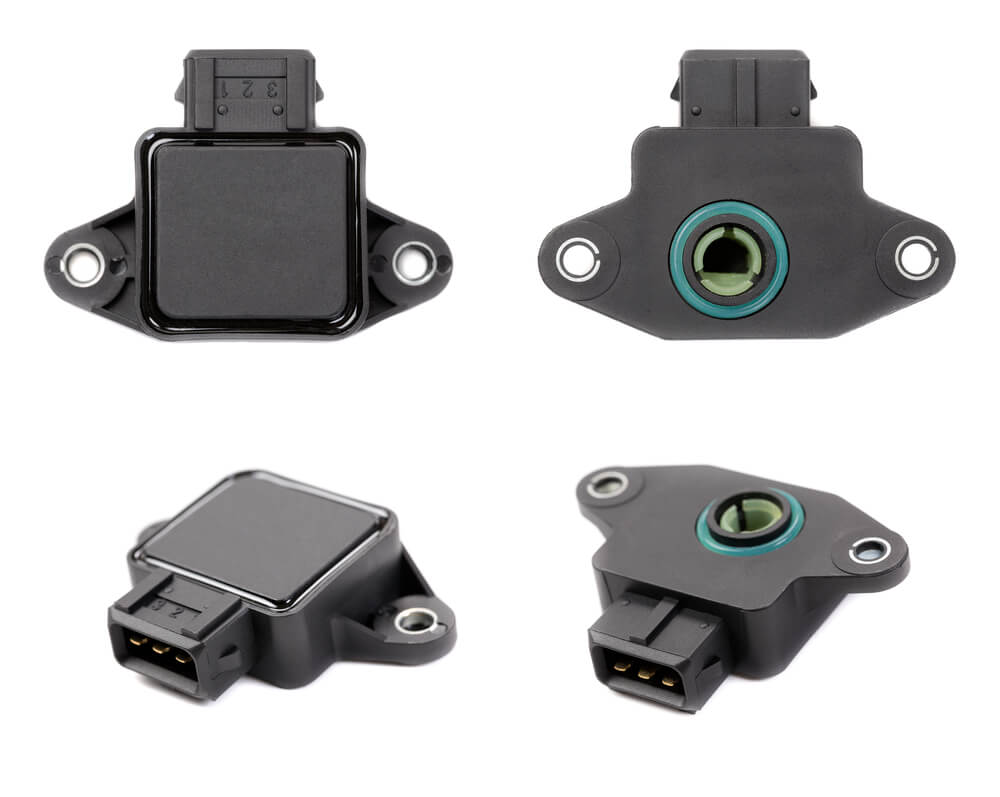
- Installing new TPMS sensors
Pro tip: Always check the recommended tire pressure on the driver’s door jamb sticker, not the maximum PSI printed on the tire sidewall.
Method 1: The Driving Reset Method
For many Tucson models (especially 2014-2020), the simplest reset method is driving:
- Check and fill all tires to the recommended pressure using a quality gauge
- Drive at speeds above 50 mph for 10-20 minutes
- The system will recalibrate automatically and turn the warning light off
This works because the sensors detect stabilized pressure during highway driving. This method is effective for most routine TPMS warnings.
Method 2: Using the TPMS Reset Button
Most Tucsons have a dedicated TPMS reset button, though its location varies by model year:
For pre-2021 models:
- Locate the TPMS button (usually under the steering wheel or near the driver’s side door)
- Turn the ignition to “ON” position without starting the engine
- Press and hold the reset button for about 5 seconds or until the TPMS light blinks three times
- Start the engine and drive for 20 minutes to complete recalibration
For 2021-2023 models:
The button may be in the glove compartment or on the lower dashboard. This method works for newer models as well.
Method 3: Infotainment System Reset
Newer Tucson models with touchscreen interfaces offer a digital reset option:
- Turn on the vehicle
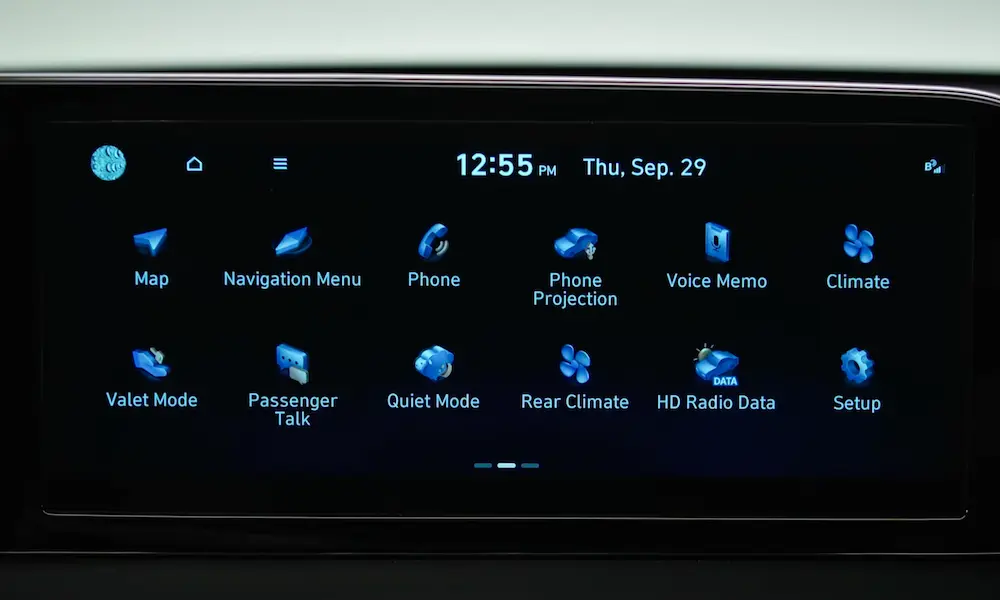
- On the infotainment screen, navigate to Setup → Vehicle → Tire Pressure
- Select Reset and confirm
- Drive for 15-20 minutes at highway speeds to complete the process
This method is particularly common in 2021+ Tucsons with the updated infotainment systems.
Method 4: Manual Reinitialization Method
If standard methods don’t work, try this more aggressive reset approach:
- Deflate all tires to approximately 20 PSI
- Inflate to about 40 PSI (temporarily)
- Deflate again to the proper recommended PSI
This “hard reset” forces the system to detect significant pressure changes, which can clear stubborn warning lights. This technique is discussed in the Tucson Forums as an effective solution for persistent warnings.
Method 5: Battery Disconnect Method
As a last resort before visiting the dealer:
- Disconnect the positive battery cable for about 3 minutes
- Press the horn for 5 seconds to discharge any remaining power
- Reconnect the battery cable
- Start the engine and drive for 20 minutes
This resets your vehicle’s electronic control unit (ECU) and can clear stubborn TPMS warnings.
Troubleshooting Persistent TPMS Warnings
If your TPMS light still won’t turn off after trying the methods above, consider these potential issues:
1. Verify Actual Tire Pressure
Digital sensors can occasionally malfunction. Double-check your pressure with a reliable mechanical gauge. Even small discrepancies can trigger warnings.
2. Check for Slow Leaks
Inspect tires for:
- Small punctures
- Damaged valve stems
- Cracked wheels or bead issues
- Corroded sensors
| Pressure Loss Rate | Likely Cause |
|---|---|
| 1-2 PSI per month | Normal air migration |
| 1-3 PSI per week | Slow leak from a small puncture |
| Several PSI per day | Significant damage requiring immediate attention |
3. Sensor Battery Failure
TPMS sensors contain batteries that eventually die. Most last 6-10 years, so if you have an older Tucson, this could be your issue. Replace sensors typically cost $50-$100 each.
4. Sensor ID Registration Problems
After replacing sensors, they must be registered to your vehicle’s computer. This typically requires a professional TPMS tool or dealer visit.
Maintaining Your TPMS System
To keep your Tucson’s TPMS working properly:
- Check tire pressure monthly with a quality gauge when tires are cold
- Adjust for seasons – increase PSI by 2-3 points in winter to offset cold-related pressure drops
- Rotate tires every 5,000-6,000 miles to ensure even wear
- Don’t forget the spare – although it doesn’t have a sensor, proper inflation matters for emergencies
Optimal Tire Pressure for Hyundai Tucson
Finding the right pressure is crucial for both comfort and efficiency:
| Tucson Model Year | Recommended Front PSI | Recommended Rear PSI |
|---|---|---|
| 2016-2021 | 33 PSI | 33 PSI |
| 2022-2024 | 35 PSI | 35 PSI |
| Hybrid/PHEV Models | 36 PSI | 36 PSI |
Remember: These are general guidelines. Always check the sticker on your driver’s door jamb for the exact specifications for your vehicle.
The Impact of Proper Tire Pressure
Maintaining correct tire pressure isn’t just about silencing dashboard warnings. Proper inflation:
- Improves fuel efficiency by up to 3%
- Extends tire life by reducing uneven wear
- Enhances handling and braking performance
- Reduces the risk of blowouts and accidents
Underinflated tires flex more, building up heat that can lead to catastrophic failure. Meanwhile, overinflated tires have reduced contact with the road, affecting traction and comfort.
TPMS Reset for Specific Tucson Generations
First Generation (2004-2009)
Early Tucsons often used indirect TPMS systems that measured wheel rotation differences rather than direct pressure sensors. These typically reset through a button or driving cycle.
Second Generation (2010-2015)
These models use direct TPMS sensors but may not have a dedicated reset button. The driving method is typically most effective.
Third Generation (2016-2021)
These Tucsons feature more sophisticated TPMS systems with dedicated reset buttons or infotainment system options.
Fourth Generation (2022-Present)
The newest Tucsons, including hybrids and PHEVs, primarily use the infotainment system method but also support button reset options. Their sensors are typically more accurate but also more complex.
Seasonal Considerations for Tire Pressure
Your tire pressure changes approximately 1 PSI for every 10°F change in temperature. This means:
- Fall to Winter: You’ll likely lose 5-7 PSI as temperatures drop
- Winter to Spring: Pressure will naturally increase as temperatures warm
- Summer Driving: Hot pavement can temporarily increase pressure by 3-5 PSI
Tools You’ll Need for TPMS Management
Having the right tools makes maintaining your Tucson’s tire pressure much easier:
- Quality pressure gauge (digital or dial-type)
- Portable air compressor for home adjustments
- Valve stem caps to prevent dirt from entering the valve
- Valve core tool for replacing faulty valve cores
Understanding TPMS Regulations
Did you know that TPMS systems are actually required by law? The National Highway Traffic Safety Administration (NHTSA) mandated TPMS systems on all vehicles manufactured after September 2007. This regulation came after studies showed that underinflated tires contributed to thousands of accidents annually.
Modern TPMS systems must alert drivers when tire pressure drops 25% below the recommended level, though most Hyundai systems alert at smaller decreases for safety.
By understanding your Hyundai Tucson’s TPMS system and knowing how to properly reset it, you’ll ensure safer driving, better fuel economy, and longer-lasting tires. Remember that while these DIY methods work in most cases, some situations may require professional assistance, particularly when dealing with sensor replacements or complex electronic issues.