That dreaded orange glow on your dashboard can instantly ruin your day. When your Chevy Traverse’s check engine light illuminates, it’s trying to tell you something important about your vehicle’s health. Understanding these codes can mean the difference between a simple fix and a costly repair.
What Causes a Check Engine Light in Your Chevy Traverse?
Your Traverse has an onboard diagnostic system constantly monitoring dozens of sensors throughout your vehicle. When something isn’t working right, it stores a specific code and turns on that warning light.
The most common causes include:
- Loose or damaged gas cap
- Failing oxygen sensors
- Catalytic converter issues
- Spark plug or ignition coil problems
- Mass airflow sensor malfunctions
- Transmission issues
How to Read Check Engine Light Codes
You have several options for retrieving these codes:
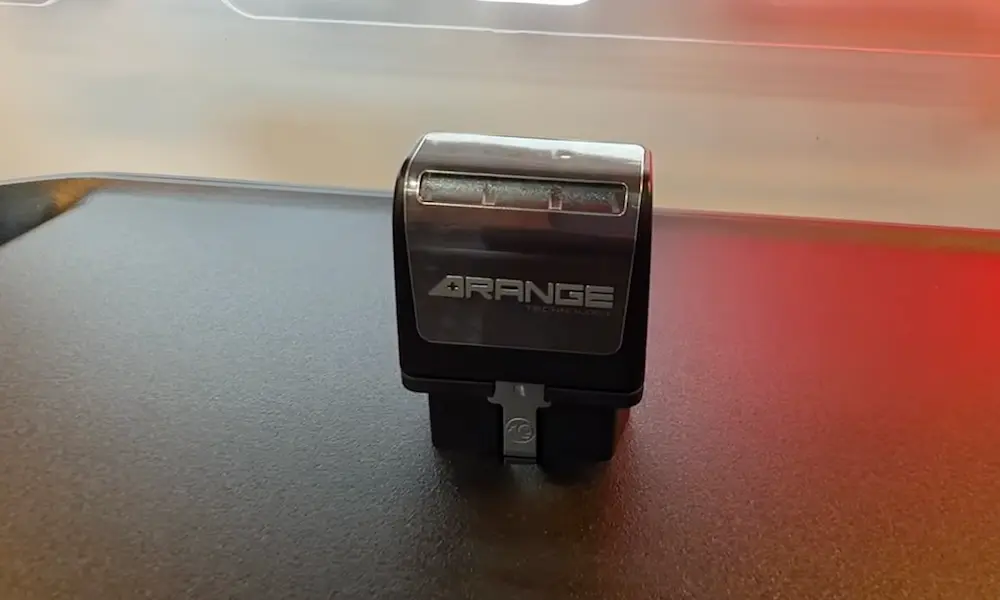
OBD-II Scanner
The most direct approach is using an OBD-II scanner. These range from simple code readers ($20-$50) to professional diagnostic tools ($100-$500+).
- Locate your Traverse’s OBD-II port (usually under the dashboard on the driver’s side)
- Plug in the scanner
- Turn the ignition to the “on” position (don’t start the engine)
- Follow the scanner’s instructions to retrieve the codes
Auto Parts Store
Most major auto parts retailers offer free code reading services. Stores like AutoZone, O’Reilly’s, or Advance Auto Parts will scan your vehicle at no charge.
Most Common Chevy Traverse Check Engine Light Codes
P0420/P0430: Catalyst System Efficiency Below Threshold
This code indicates your catalytic converter isn’t working efficiently. The P0420 refers to Bank 1 (typically the side with cylinder #1), while P0430 indicates issues with Bank 2.
Potential causes:
- Failing oxygen sensors
- Damaged catalytic converter
- Exhaust leaks
- Engine misfires damaging the converter
Repair options:
- Replace oxygen sensors (often fixes the issue)
- Repair exhaust leaks
- Replace catalytic converter (most expensive option, $600-$2,500)
P0300: Random/Multiple Cylinder Misfire
When your Traverse shows a P0300 code, it means multiple cylinders are misfiring. You might also see specific cylinder codes like P0301 (cylinder 1), P0302 (cylinder 2), etc.
What you’ll feel:
- Rough idling
- Hesitation during acceleration
- Reduced power
- Possible shaking or vibration
Typical causes:
- Worn spark plugs or ignition coils
- Fuel delivery issues (clogged injectors or low fuel pressure)
- Vacuum leaks
- Carbon buildup on intake valves (common in direct-injection engines)
Fix it by:
- Replacing spark plugs and ignition coils
- Cleaning fuel injectors
- Checking for and repairing vacuum leaks
- Professional carbon cleanup for direct injection engines
P0455: Evaporative Emission Control System Leak
The P0455 code points to a sizeable leak in the system designed to capture fuel vapors.
Common culprits:
- Loose, damaged, or missing gas cap (check this first!)
- Cracked EVAP canister
- Damaged fuel vapor hoses or connections
- Faulty purge valve
Solutions:
- Inspect and replace gas cap if needed ($5-$50)
- Smoke test to locate leaks in the EVAP system
- Replace damaged components as needed
Transmission Codes (P0700, P0730, P0766)
Chevy Traverses have had their share of transmission issues, particularly in older models. These codes indicate problems with the transmission control system.
Symptoms to watch for:
- Harsh or delayed shifting
- Slipping gears
- Shuddering during acceleration
- Reduced fuel economy
Potential fixes:
- Check and correct transmission fluid level
- Replace faulty solenoids
- Software updates at the dealership
- Transmission rebuilds in severe cases
DIY Diagnosis vs. Professional Help
When to Try DIY:
- Simple codes like a loose gas cap (P0455)
- Basic maintenance items (spark plugs, air filter)
- When you have the proper tools and feel confident
| Code Category | DIY Difficulty | Average DIY Cost | Professional Cost |
|---|---|---|---|
| Gas Cap Issues | ★☆☆☆☆ | $5-20 | $50-100 |
| Oxygen Sensors | ★★★☆☆ | $50-200 | $200-500 |
| Spark Plugs | ★★☆☆☆ | $60-120 | $200-400 |
| Misfire Diagnosis | ★★★★☆ | $100-300 | $300-800 |
Serious Codes That Need Professional Attention
Some issues require specialized equipment or expertise:
- Transmission codes (P0700 series)
- Persistent misfire codes that don’t resolve with basic maintenance
- Catalytic converter efficiency codes (P0420/P0430)
- Multiple codes appearing simultaneously
Preventive Maintenance to Avoid Check Engine Lights
The best way to avoid that annoying dashboard light is proper maintenance:
Regular Oil Changes
Stick to the maintenance schedule in your owner’s manual. For most Traverse models, that’s every 5,000-7,500 miles using the recommended oil weight.
Replace Spark Plugs on Schedule
Manufacturers typically recommend replacing spark plugs every 60,000-100,000 miles, but doing it earlier (around 80,000 miles) can prevent misfire codes.
Watch for Carbon Buildup
If you have a 2018 or newer Traverse with direct injection, consider a professional intake valve cleaning service every 60,000 miles to prevent carbon-related misfires.
Keep Your Gas Cap Tight
After refueling, always turn your gas cap until it clicks at least three times. This simple step prevents countless check engine lights.
Monitor Your Driving Habits
Excessive idling, short trips in cold weather, and aggressive driving can all contribute to check engine light issues.
Model-Year Specific Issues
2009-2017 Traverse
- More prone to transmission issues (P0700-series codes)
- Timing chain problems can trigger misfire codes
- EVAP system leaks common after 60,000 miles
2018-Present Traverse
- Direct injection engines susceptible to carbon buildup
- Updated transmission design with fewer issues
- Software-related codes more common, often requiring dealer updates
What to Do When Your Traverse’s Check Engine Light Comes On
- Check for serious symptoms (stalling, loss of power, strange noises)
- If driving normally, get the code read as soon as convenient
- Research the specific code for your model year
- Assess whether it’s a DIY fix or professional job
- Address the root cause, not just the code itself
Will the Check Engine Light Reset Itself?
In some cases, the light may turn off after several driving cycles if the problem resolves itself. However, the code remains stored in the computer’s memory and can be retrieved with a scanner.
To manually reset after repairs:
- Use an OBD-II scanner with “clear codes” functionality
- Disconnect the battery for 15+ minutes (this may reset other systems too)
- Drive through several complete “drive cycles” to fully reset the system
Beyond the Basic Codes: Advanced Diagnosis
For persistent or complex issues, consider these advanced diagnostic approaches:
Live Data Analysis
Advanced scanners can show real-time sensor readings while the engine runs. This helps identify intermittent issues that might not trigger a stored code.
Component Testing
Testing specific parts like oxygen sensors, fuel injectors, or ignition coils can pinpoint exactly which component is failing rather than guessing based on the code alone.
Software Updates
Some check engine lights, especially in newer Traverses, can be resolved with dealership software updates addressing known issues.
Remember that check engine lights, while annoying, are your vehicle’s way of communicating problems before they become major issues. Addressing them promptly can save you money and keep your Chevy Traverse running reliably for years to come.