Staring down a $3,000 extended warranty offer at the finance desk is stressful. You don’t know if you’re protecting yourself or just padding someone’s commission. This post breaks down exactly what Ford’s extended warranty covers, what it costs, and whether it’s actually worth your money — so keep reading before you sign anything.
What Is the Ford Extended Warranty, Exactly?
Ford calls it the Ford Protect Extended Service Plan (ESP). It’s not a warranty in the traditional legal sense — it’s a vehicle service contract. That distinction matters because service contracts are regulated differently across states.
Ford has sold over 40 million of these contracts, which tells you they’re popular. But popular doesn’t always mean the right call for everyone.
The Four Ford Protect Plans, Explained Simply
Ford Protect comes in four tiers. Each one covers a different number of components, so the “right” plan really depends on your vehicle and how long you plan to keep it.
PremiumCARE: The Full Package
PremiumCARE covers more than 1,000 components. It’s basically a second factory bumper-to-bumper warranty.
It covers:
- Engine internals (all lubricated parts, cylinder heads, turbochargers)
- Transmission and drivetrain
- Steering (including electronic power-assist components)
- Brakes and front suspension
- Electrical systems and infotainment modules
- Air conditioning
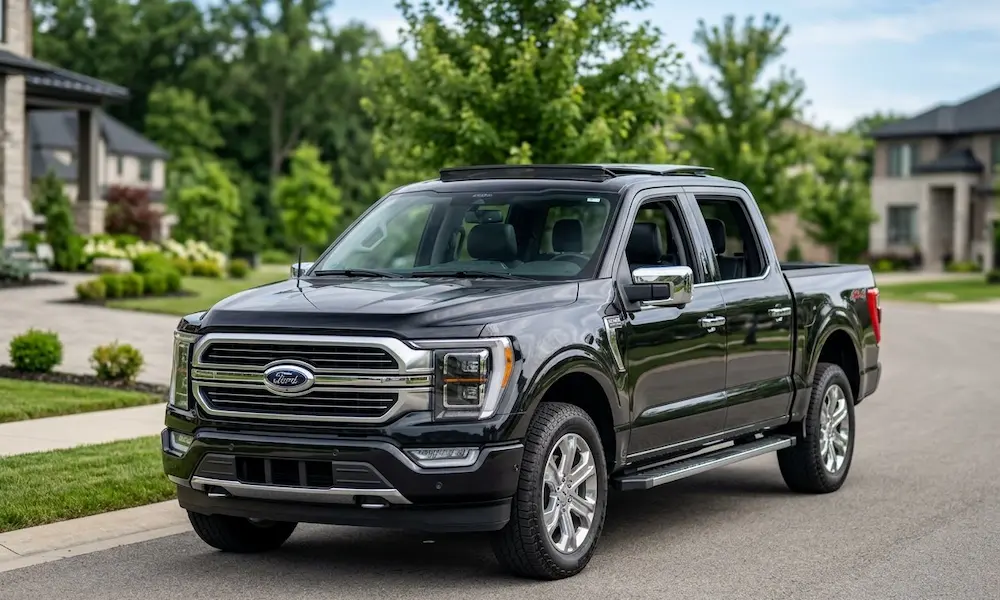
This plan makes the most sense if you drive a tech-heavy Ford — think F-150 Platinum, Explorer ST, or any model loaded with driver-assist features.
ExtraCARE: The Middle Ground
ExtraCARE covers 113 components. It hits the major drivability systems and includes infotainment and advanced safety tech coverage. Good for mid-trim owners who want protection on the expensive stuff but don’t need blanket coverage.
BaseCARE: The Essentials
BaseCARE drops to 84 components. It focuses on the mechanical core — powertrain, steering, brakes — and skips most of the electronic features. This one works well for base-model work trucks where you’re not worried about touchscreen failures.
PowertrainCARE: The Budget Option
PowertrainCARE covers just 29 components — the engine and transmission primarily. It’s the cheapest plan upfront, but it leaves you exposed to the exact electronic failures that make modern Ford repairs so expensive.
Here’s a quick comparison:
| Plan | Components Covered | Best For |
|---|---|---|
| PremiumCARE | 1,000+ | Tech-heavy trims, long-term owners |
| ExtraCARE | 113 | Mid-trim models with tech features |
| BaseCARE | 84 | Base trims, work trucks |
| PowertrainCARE | 29 | Budget-focused, short-term owners |
What Does a Ford Extended Warranty Actually Cost?
Pricing depends on your vehicle, mileage, term length, and deductible choice. But here’s a realistic range:
- Dealership price: $2,850–$7,000+ depending on the plan and term
- Online volume dealer price: As low as $1,500–$2,500 for the same coverage
Yes, you read that right. Dealers like Granger Ford, Flood Ford, and Zeigler Auto Group sell Ford Protect plans online for as little as $50–$100 over dealer cost. Some buyers saved over $1,000 by skipping their local dealership entirely.
The Zeigler Auto Group even offers a Lowest Price Guarantee and lets you use FordPass Rewards points to offset the cost. That changes the math significantly.
Bottom line: Never pay the sticker price at your selling dealer. Shop online first.
What Repairs Actually Cost Without Coverage
This is where the is ford extended warranty worth it question gets real. Let’s look at actual repair estimates for a Ford Edge:
| Component | Estimated Repair Cost |
|---|---|
| Engine Assembly | $7,063 |
| Transmission System | $7,919 |
| Headlamp/Taillamp Assembly | $2,855 |
| Steering Gear | $1,961 |
| Lane-Keeping System | $1,711 |
| A/C Evaporator Core | $1,034 |
One transmission failure wipes out a decade’s worth of plan premiums. And Ford’s average annual repair cost runs about $775 — higher than Toyota or Honda — with F-150 owners potentially spending $11,000–$12,000 over ten years.
The SYNC Module Problem
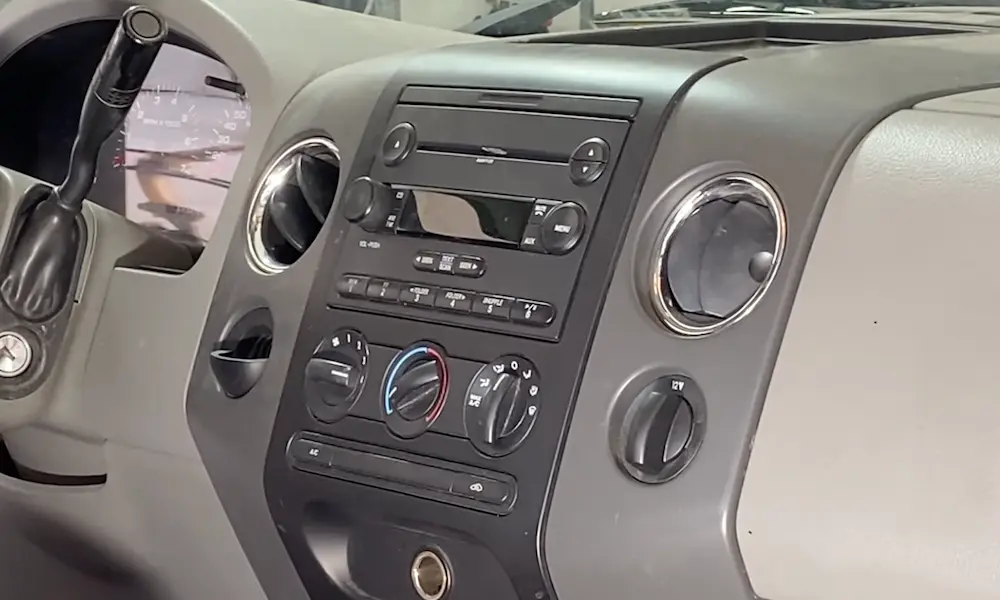
Here’s one that catches a lot of Ford owners off guard. The SYNC Accessory Protocol Interface Module (APIM) — the brain behind your touchscreen — frequently fails in 2016–2023 Ford models. Dealers typically quote $2,000–$2,500 for a replacement. Only PremiumCARE and ExtraCARE cover this. PowertrainCARE and BaseCARE don’t.
Ford-Specific Reliability Issues That Tip the Scale
Not all Fords carry the same repair risk. Some models have well-documented trouble spots that make an ESP a smarter buy.
F-150 EcoBoost Issues
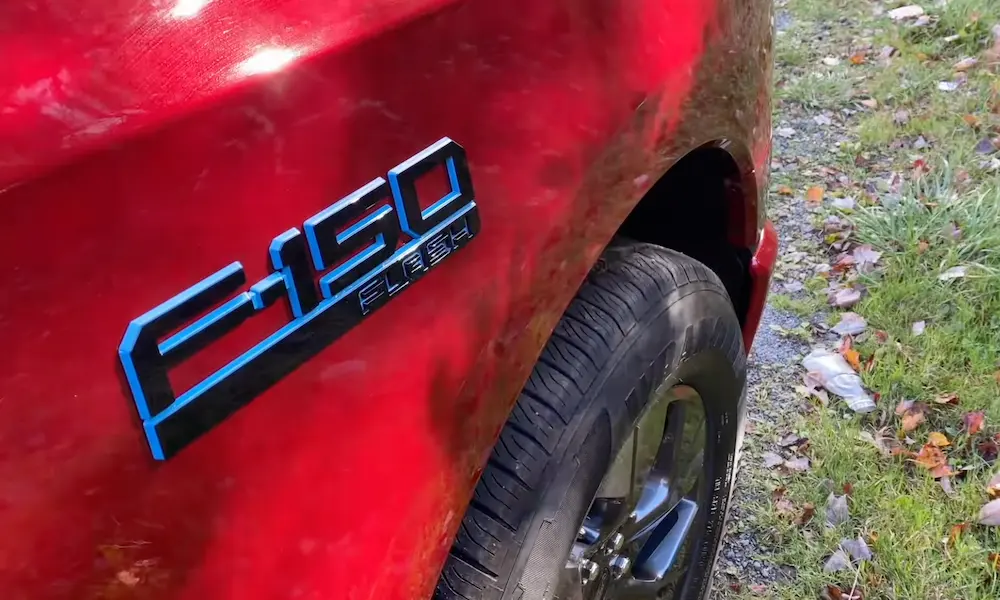
The 3.5-liter EcoBoost engine has a known history of cam phaser rattle and timing chain wear. These are labor-intensive repairs that often run several thousand dollars. Multiple F-150 owners have reported that a single cam phaser fix covered the entire cost of their PremiumCARE plan.
The 10-speed transmission in recent F-150s has also generated technical service bulletins and documented failures — another reason long-term F-150 owners should take the ESP seriously.
Explorer and Escape Weak Points
The Ford Explorer has a history of internal water pump failures. When the pump sits behind the timing cover, labor alone can exceed $2,000. The Ford Escape has faced transmission reliability concerns and coolant intrusion in certain engine configurations. For both models, the odds of a major failure between 60,000 and 100,000 miles are high enough to justify coverage.
Ford ESP vs. Third-Party Warranties
Companies like Endurance and Omega Auto Care spend heavily on ads. But the coverage experience is very different from Ford’s factory-backed plan.
| Feature | Ford Protect ESP | Typical Third-Party |
|---|---|---|
| Repair Facility | Any Ford/Lincoln Dealer | Varies; may limit shop choices |
| Parts Quality | Genuine Ford/Motorcraft parts | May include used or aftermarket parts |
| Claims Authorization | Instant via Ford OASIS system | Often requires physical inspection |
| Claim Denial Risk | Lower; focused on whether part failed | Higher; denials on technicalities |
| Transfer to New Owner | $75 simple transfer | Often complex or restricted |
Third-party providers sometimes deny transmission claims because the vehicle had non-stock tires. Ford Protect’s authorization runs through the same OASIS system used for factory warranty work — coverage verification is instant, and repairs start without waiting for an outside inspector.
Perks That Actually Add Value
Beyond repair coverage, every Ford Protect plan includes:
- 24-hour roadside assistance — tire changes, lockouts, fuel delivery, battery jump-starts
- Emergency travel reimbursement — up to $1,000 for lodging and meals if you break down 100+ miles from home
- Rental car coverage — up to 10 days at $40–$60 per day for overnight repairs
- Destination assistance — up to $75 for a taxi or shuttle
These aren’t just nice extras. In today’s rental car market, 10 days of coverage alone can be worth $500+.
The Fine Print You Need to Know
Deductibles and the Disappearing Option
Standard deductibles run $100, with options at $0, $50, and $200. There’s also a “disappearing deductible” upgrade that waives the deductible entirely when you use the dealer that sold you the plan. If you buy online from a volume dealer in another state, this perk is mostly irrelevant — factor that in.
Transferability Boosts Resale Value
For a $75 transfer fee, you can hand the remaining coverage to a private buyer. That’s a real selling point when listing your vehicle. Buyers love the confidence that comes with an active factory-backed plan, and it often translates to a higher sale price.
Cancellations and Refunds
Cancel within 30 days with no claims filed and you typically get a full refund. After that, Ford calculates a prorated refund based on elapsed time and mileage, minus a $75 processing fee. That’s more flexible than most non-refundable third-party alternatives.
What’s Not Covered
Don’t expect the ESP to cover everything. Standard exclusions include:
- Damage from accidents or misuse
- Repairs caused by skipping scheduled maintenance
- Paint, upholstery, and trim
- Environmental damage (rust, floods)
- Non-factory modifications (lift kits, performance tunes)
Skip oil changes and the engine fails? Ford will deny that claim.
EV Owners: Different Rules Apply
Federal law already mandates 8-year/100,000-mile coverage for the high-voltage battery and electric drive motors in vehicles like the Mustang Mach-E and F-150 Lightning. So a powertrain-focused ESP matters less for EV buyers in the first eight years.
What EVs do need protection for: large touchscreens, thermal management systems, and glass roof assemblies — all expensive and not covered once the standard 3-year bumper-to-bumper warranty expires. Ford’s PremiumCARE EV tier targets exactly these systems. If you’re planning to keep your Mach-E past year three, this plan deserves a hard look.
So — Is a Ford Extended Warranty Worth It?
Yes, if you:
- Plan to keep your Ford for 6–10 years or past 100,000 miles
- Drive a tech-loaded trim with expensive electronics
- Don’t have $5,000–$8,000 sitting in savings for a surprise repair
- Buy the plan through an online volume dealer at wholesale pricing
Skip it if you:
- Trade in every 2–3 years before the factory warranty runs out
- Keep a solid emergency fund and don’t mind self-insuring
- Drive a basic trim where likely repair costs don’t justify the plan price
The math shifts dramatically based on where you buy. A PremiumCARE plan at dealership retail pricing is a tougher sell. That same plan from an online volume seller at near-dealer cost — covering a high-tech Ford you plan to drive for a decade — is genuinely smart financial protection.
Modern Fords pack more sensors, modules, and software than ever. The repair bills reflect that. A factory-backed plan with instant claims authorization, genuine parts, and built-in roadside coverage is a different product than what third-party companies sell. Know the difference, shop smart, and the Ford extended warranty is worth it more often than not.