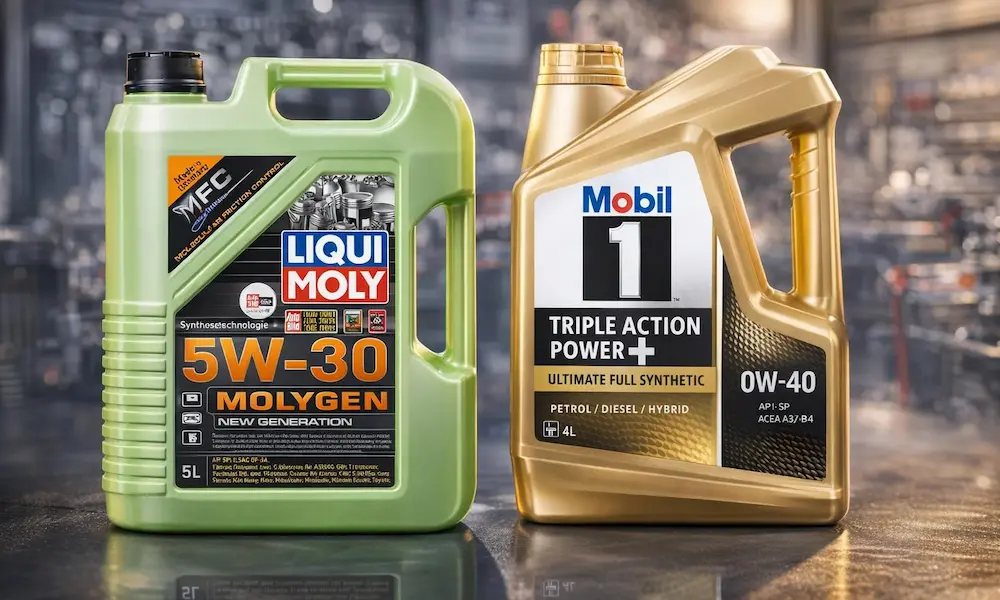
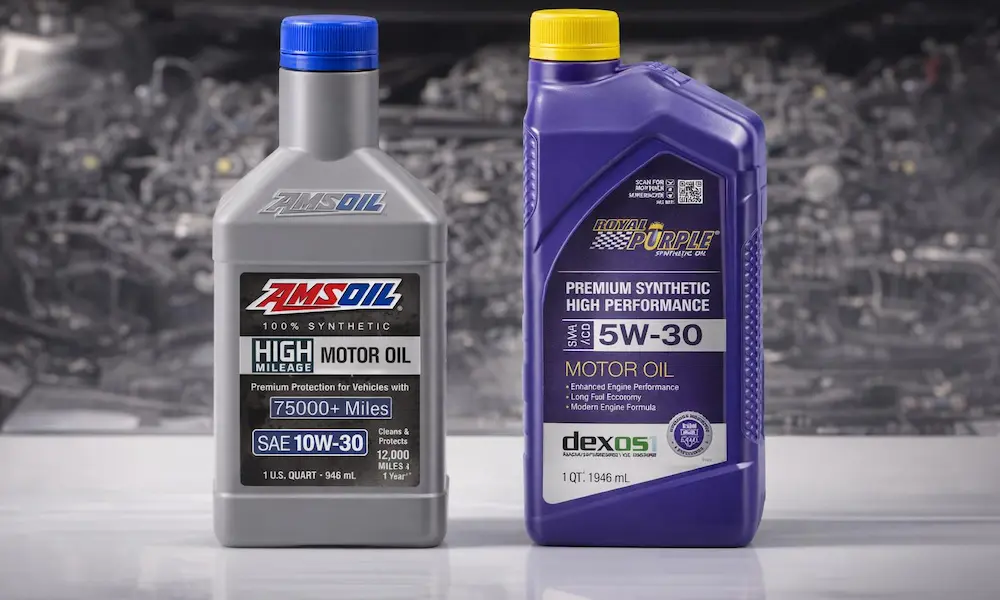
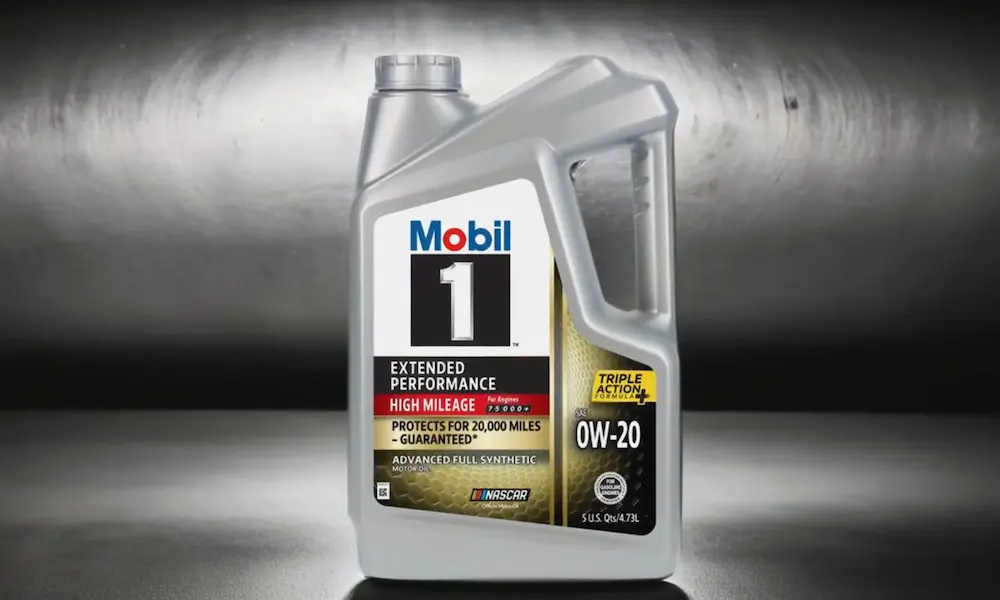
You’re standing in Walmart’s automotive aisle, staring at Supertech oil that costs half what you’d pay for Mobil 1. It feels too good to be true. You wonder if saving money now means paying for engine repairs later. Let’s cut through the marketing hype and look at what actual lab tests and real-world data reveal.
Who Actually Makes Supertech Oil?
Here’s something that might surprise you: Warren Oil Company manufactures most Supertech oil—the same outfit that produces lubricants for Costco’s Kirkland brand and Amazon Basics.
Warren Oil operates facilities across five states with nearly 400 employees and over 21 million gallons of storage capacity. They’ve been in business since 1976, so they know their stuff.
Depending on where you live, your Supertech bottle might also come from ExxonMobil or Pennzoil through private-label agreements. Walmart uses different manufacturers regionally to keep supply chains running smoothly.
The key point? You’re not getting some sketchy backroom operation. These are the same facilities pumping out name-brand oils.
How Supertech Stacks Up in Lab Testing
Let’s talk numbers. Engine Labs ran controlled dyno tests using a 450-horsepower small-block Chevy, comparing Supertech synthetic against Chevron Havoline conventional oil.
The results weren’t even close:
- 27% less wear metals (8 ppm vs 11 ppm iron)
- Better power output with measurably higher horsepower
- 63-71 minutes of oxidation stability compared to Havoline’s 40-45 minutes
- Lower operating temperatures from superior heat transfer
Here’s the kicker: the Supertech cost significantly less than the Havoline it outperformed.
What the Testing Process Looked Like
The testing wasn’t some casual comparison. They flushed engines between tests, used pre-filled oil filters, and monitored temperatures constantly. They even used advanced piston rings with variable hardness coatings to minimize variables.
They also ran Pressurized Differential Scanning Calorimetry (PDSC) tests. Fresh Supertech oil hit 71 minutes of oxidation stability versus 45 minutes for conventional oils—that’s a massive safety margin for extended oil changes.
Real-World Performance Data
Lab tests are great, but what happens when real people run Supertech in their daily drivers?
Multiple Nissan VQ40DE V6 engines with over 200,000 miles have logged extensive service on Supertech. One 2006 Pathfinder with nearly 150,000 miles showed excellent used oil analysis results after 7,500-mile intervals.
Another 2008 Pathfinder with 233,000 miles maintained good oil condition even after 12,000-mile intervals. That’s not babying an engine—that’s pushing it hard and having the oil keep up.
What EcoBoost Engines Reveal
Testing on high-output 3.5L V6 EcoBoost engines (the turbocharged beasts in Ford trucks) showed Supertech Advanced Full Synthetic achieved 7 ppm iron wear compared to 9 ppm for standard formulations.
Turbocharged engines create intense heat and pressure. If Supertech can handle that, your commuter car isn’t going to phase it.
What Mechanics and Enthusiasts Actually Say
Head over to forums like Bob is the Oil Guy or Reddit’s r/MechanicAdvice, and you’ll find consistent positive feedback about Supertech.
One user documented over 200,000 trouble-free miles using Supertech synthetic across multiple vehicles. Professional mechanics regularly recommend it for cost-conscious customers.
Here’s a truth bomb from professionals: regular oil changes with quality budget oil beat infrequent changes with expensive oil every time. The change interval matters more than the brand on the bottle.
Independent Oil Analysis Results
Services like Blackstone Labs regularly analyze Supertech samples from customer vehicles. The results consistently fall within normal ranges for:
- Wear metals
- Viscosity retention
- Additive depletion
These aren’t manufacturer claims—these are independent third-party tests from actual engines.
Breaking Down Supertech’s Product Line
Supertech offers way more than one basic oil. Their lineup covers conventional, synthetic blend, and full synthetic formulations across multiple viscosity grades.
Advanced Full Synthetic
This is Supertech’s premium offering, rated for up to 20,000-mile protection intervals. It uses high-quality Group III or Group IV base stocks—the same stuff you’ll find in oils costing twice as much.
You get enhanced additive packages that protect against deposits, sludge, and wear. For most modern engines, this is the sweet spot between performance and value.
High Mileage Formulations
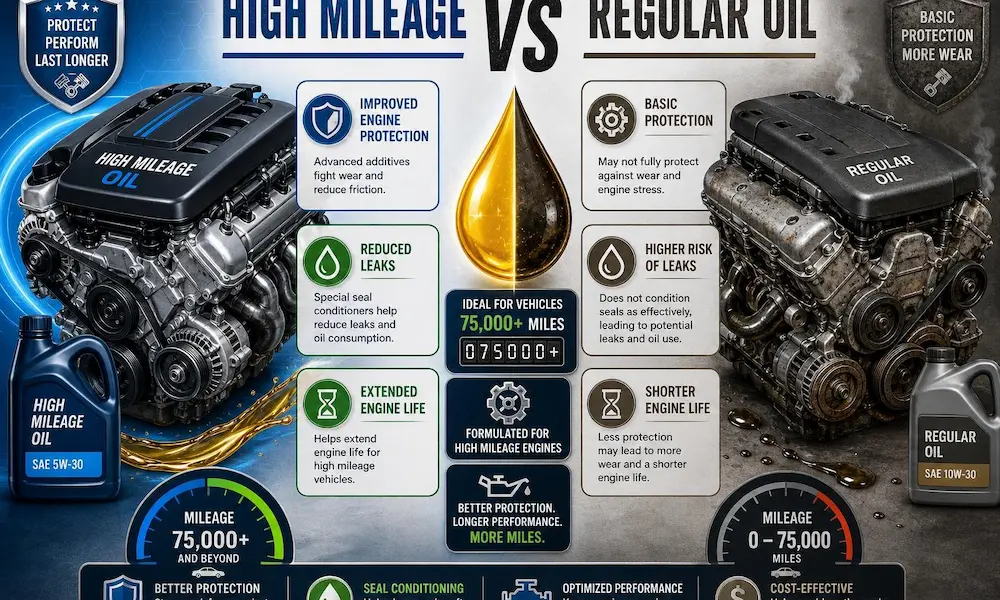
Got over 75,000 miles on your odometer? The High Mileage line incorporates seal conditioners and anti-leak additives to address common issues in older engines.
It maintains full synthetic benefits while targeting the specific needs of aging powerplants—like preventing oil consumption and keeping seals pliable.
Industry Certifications That Actually Matter
Supertech isn’t cutting corners on certifications. All modern formulations meet current API SP and ILSAC GF-6A specifications.
These aren’t participation trophies. They require rigorous testing for:
- Low-speed pre-ignition (LSPI) protection
- Oxidation resistance
- Wear protection
- Compatibility with turbocharged and direct-injection systems
The DEXOS Approval
Supertech synthetic oils carry GM DEXOS 1 Generation 3 approval, which is significant because GM’s standards often exceed basic API requirements.
To get DEXOS certification, oils undergo:
- Engine dynamometer testing
- Field testing in actual GM vehicles
- Chemical analysis of fresh and used oil samples
- Long-term durability assessments
If it’s good enough for GM’s warranty requirements, it’s good enough for your engine.
Comparing Supertech to Premium Brands
Let’s be real: premium brands invest heavily in marketing and branding. You’re paying for commercials, sponsorships, and fancy bottles.
Independent testing shows Supertech frequently matches or beats conventional premium oils in wear protection, thermal stability, and cold-flow characteristics.
The Value Equation
At $17-21 for 5 quarts of full synthetic, Supertech costs 40-60% less than premium brands while delivering 80-90% of their performance in most applications.
Here’s a quick comparison of typical retail prices:
| Oil Type | Price (5 qt) | Cost per Oil Change (5.5 qt avg) |
|---|---|---|
| Supertech Full Synthetic | $19 | $21 |
| Mobil 1 Full Synthetic | $32 | $35 |
| Pennzoil Platinum | $35 | $39 |
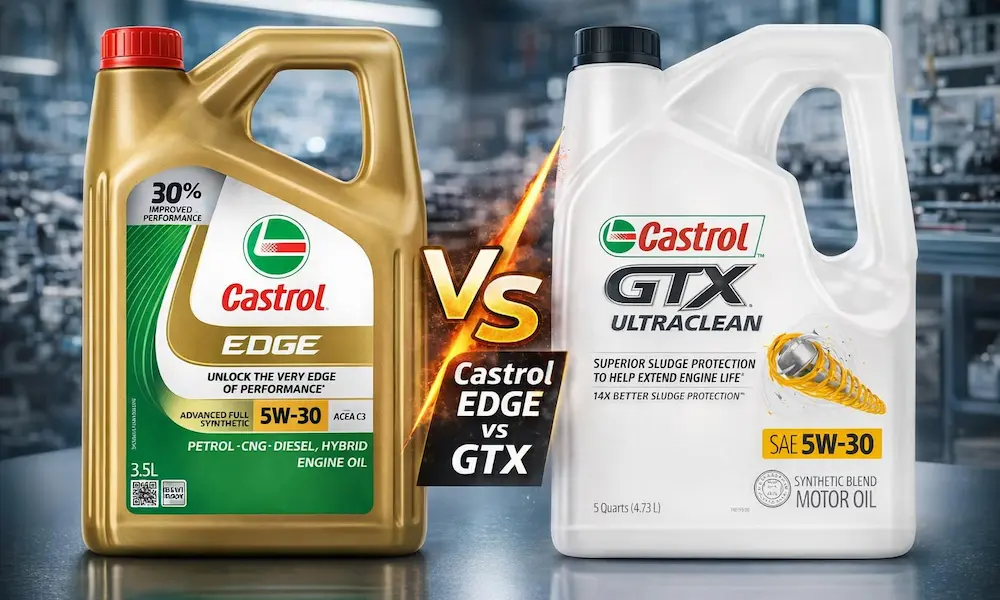
| Castrol Edge | $33 | $36 |
Do the math over your vehicle’s lifetime. If you change oil twice a year, you’re saving $30 annually—$300 over ten years. That’s real money.
Where Supertech Shines Brightest
Supertech excels in everyday driving scenarios:
Commuter vehicles: If you’re racking up highway miles going to work, Supertech handles it perfectly. The thermal stability keeps your engine protected even in stop-and-go traffic.
Family haulers: Soccer practice, grocery runs, weekend trips—normal driving doesn’t stress modern synthetic oil. Save the money for stuff your kids actually need.
High-mileage vehicles: Using the appropriate high-mileage formula helps older engines run cleaner and prevents leaks. It’s cheaper than fixing problems caused by worn seals.
Fleet applications: Companies running multiple vehicles need cost-effective protection. Supertech delivers without breaking budgets.
When You Might Want Something Else
Supertech isn’t ideal for every scenario. Here’s where you might consider premium alternatives:
Racing applications: Track days and competitive racing create extreme conditions that benefit from specialized additive packages. Supertech meets spec, but dedicated racing oils go beyond.
Extreme towing: If you’re maxing out your truck’s towing capacity regularly in hot weather, premium oils with beefier additive packages offer more headroom.
Extended drain intervals: Planning to push 15,000+ miles between changes? Premium synthetics with robust additive packages maintain protection longer.
Modified turbo builds: Built engines making serious boost benefit from oils specifically formulated for extreme heat and pressure.
Quality Control and Testing Verification
The Petroleum Quality Institute of America (PQIA) independently tests motor oils and publishes results. They’ve tested multiple Supertech formulations and consistently found them compliant with labeled specifications.
PQIA testing includes:
- Viscosity verification
- Elemental analysis
- Performance parameter validation
- SAE J300 specification compliance
No quality alerts or consumer advisories have been issued for Supertech products. That’s noteworthy because PQIA doesn’t hesitate to call out products that fail testing.
Manufacturing Consistency
The multi-supplier model creates slight regional variations. Warren Oil, ExxonMobil, and Pennzoil all produce Supertech to Walmart’s specs, but minor differences in base stocks or additive packages might exist.
In practice, these variations don’t impact normal driving performance. All batches must meet the same API and ILSAC standards regardless of manufacturer.
Understanding the Additive Package
Some enthusiasts suggest Supertech uses more conservative additive packages compared to premium brands. This might limit performance in extreme conditions, but it actually provides benefits for older vehicles.
Conservative additive packages can offer:
- Better compatibility with older seal materials
- Reduced deposit formation in engines with existing sludge
- Less aggressive detergent action that might dislodge accumulated debris
For most daily drivers, especially older vehicles, this isn’t a limitation—it’s an advantage.
Recent Pricing Trends
Here’s something worth noting: Supertech’s price advantage has narrowed recently. Some 2024-2025 pricing shows Supertech within $0.50 of premium brands in certain viscosity grades.
If you’re finding minimal price difference in your area, the value proposition shifts. A 10% savings might not justify switching from a brand you trust.
However, most locations still show significant savings—typically $10-15 per 5-quart jug compared to premium synthetics.
Storage and Shelf Life Considerations
Motor oil doesn’t go bad quickly, but proper storage extends shelf life. Keep Supertech (or any oil) in these conditions:
- Cool, dry location away from temperature extremes
- Sealed containers to prevent moisture contamination
- Out of direct sunlight
- Away from freezing temperatures that might affect additives
Properly stored synthetic oil remains good for 3-5 years. Don’t stockpile more than you’ll use in that timeframe.
Matching Oil to Your Engine
Check your owner’s manual for the recommended viscosity grade. Common recommendations include:
| Viscosity | Typical Applications |
|---|---|
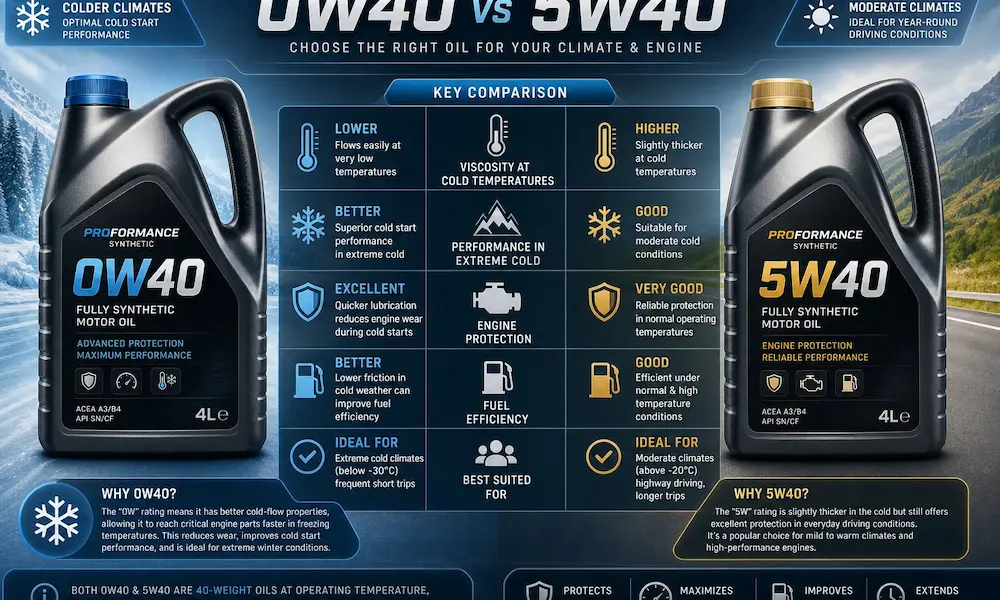
| 0W-20 | Modern fuel-efficient engines, hybrids |
| 5W-20 | Many Ford, Honda, Chrysler engines |
| 5W-30 | Most common viscosity, wide compatibility |
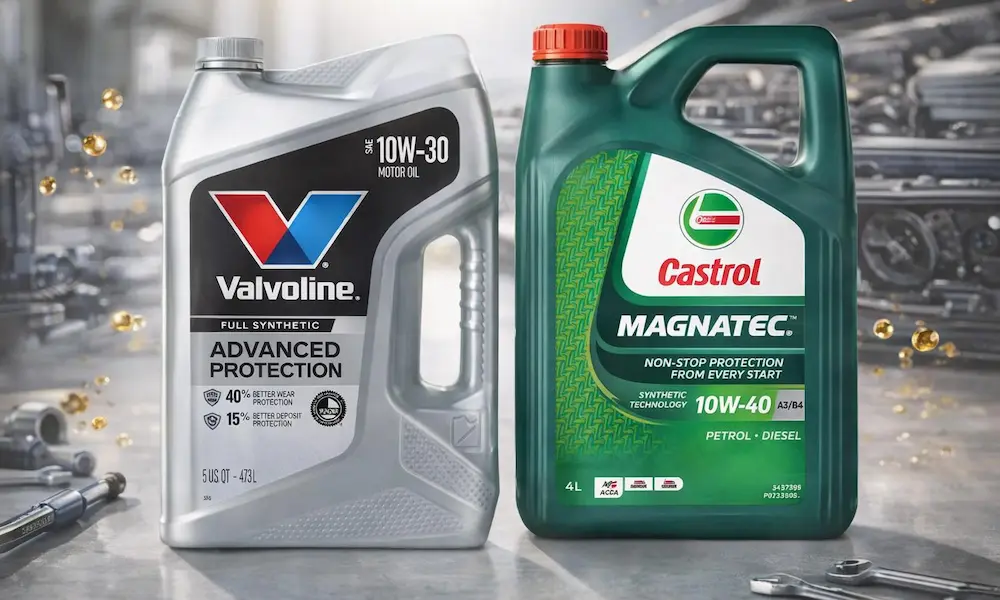
| 10W-30 | Older engines, warmer climates |
| 0W-40 | European performance engines |
Don’t deviate from manufacturer recommendations unless you’ve got specific reasons (like high-mileage oil consumption issues).
The Bottom Line on Supertech Quality
So, is Supertech oil good? The evidence says yes—with context.
For typical passenger vehicles under normal driving conditions, Supertech delivers protection comparable to premium brands at significantly lower cost. It meets industry standards, carries proper certifications, and performs well in independent testing.
The key advantages:
- Competitive pricing that saves real money over time
- Broad availability at thousands of Walmart locations
- Full industry certifications including API SP and DEXOS
- Proven reliability backed by extensive real-world usage data
- Legitimate manufacturing by reputable companies
The limitations:
- Regional manufacturing variations might create minor inconsistencies
- Conservative additive packages may not suit extreme applications
- Narrowing price gaps reduce the value advantage in some markets
- Not ideal for racing or extreme performance builds
For the vast majority of vehicle owners—people commuting to work, running errands, and maintaining their cars regularly—Supertech represents an excellent choice. The money you save buys a lot of gas, or goes toward other maintenance that actually matters.
Premium oils offer marginal advantages in specific scenarios, but those benefits rarely justify the cost premium for everyday driving. Regular oil changes with quality budget oil protect your engine better than stretching intervals with expensive synthetic.
If you’re still skeptical, try it yourself. Run Supertech for a few oil changes and get a used oil analysis done. The data will show you exactly what’s happening inside your engine. You’ll probably discover what thousands of other drivers already know: expensive oil doesn’t always mean better protection.
Your engine doesn’t care about the label on the bottle. It cares about proper viscosity, adequate additive protection, and regular changes. Supertech delivers on all three counts.