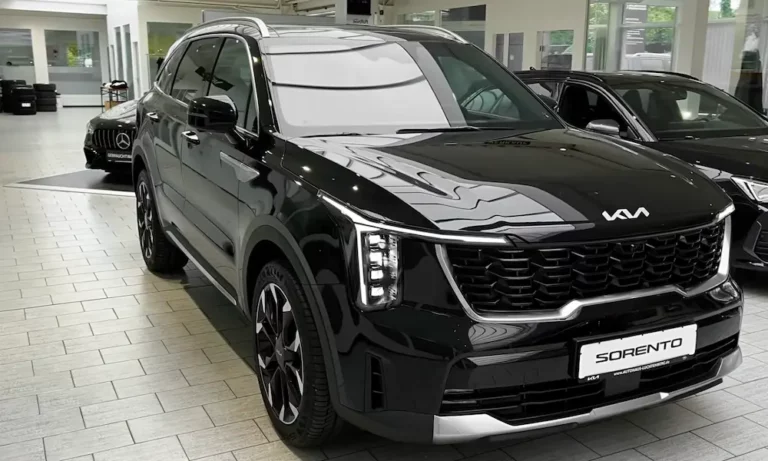
Is your Kia Sorento alarm randomly blaring in the middle of the night? You’re not fighting this battle alone. This frustrating issue affects many Sorento owners across different model years. Let’s dive into why this happens and—more importantly—how you can stop it for good.
Common Reasons Your Kia Sorento Alarm Triggers Unexpectedly
Oversensitive Interior Motion Sensors
Your Sorento’s interior motion detection system can be too sensitive for its own good. These ultrasonic or infrared sensors are designed to detect movement inside your locked vehicle, but they often react to harmless triggers.
Common false alarm triggers include:
- Air flowing through partially open windows
- Insects that found their way inside
- Temperature changes causing movement of items
- Shadows or light changes from passing vehicles
Many 2022 Sorento PHEV owners report that simply disabling the interior motion sensor through vehicle settings immediately solved their random alarm activations.
Problematic Rear Occupant Alert System
The rear occupant alert—that helpful feature meant to prevent you from accidentally leaving passengers in the back—can be a major culprit behind false alarms.
This system uses either:
- Door logic (tracking when rear doors were opened)
- Ultrasonic sensors to detect movement
The problem? Your dog stretching in the cargo area or shopping bags shifting can trigger this system. One 2022 PHEV EX+ owner discovered their dog’s movement in the trunk consistently triggered the alarm. The solution was simply disabling the rear occupant alert through:
Setup → Vehicle → Convenience → Rear Occupant Alert
Malfunctioning Key Fob Issues
Your innocent-looking key fob might be the secret alarm terrorist. Several factors can cause fob-related false alarms:
| Key Fob Issue | Symptoms | Quick Fix |
|---|---|---|
| Low battery | Intermittent commands, random alarm triggers | Replace battery with correct voltage |
| Physical damage | Stuck buttons, erratic behavior | Test with spare key or replace fob |
| Signal interference | Alarms when fob near other electronics | Store fob away from other devices |
| Desynchronization | Commands work inconsistently | Follow dealer resynchronization procedure |
A 2017 Sorento owner experienced repeated alarms after replacing key fob batteries, discovering that debris inside the battery compartment disrupted the fob’s internal contacts.
Signal Interference Solutions
Electronic interference can make your Sorento think you’re pressing the panic button when you’re not. Members of the Kia Owners Club suggest a simple solution: Faraday pouches. These special pouches block radio frequencies, preventing random signals from triggering your alarm.
This approach is especially useful if you live in areas with dense wireless activity like apartment buildings or tech-heavy neighborhoods.
Software Issues Causing False Alarms
Outdated Vehicle Software
Kia has acknowledged software vulnerabilities in Sorento models through Technical Service Bulletins. The important one to know is TSB CS2304, which addresses alarm system bugs by reprogramming the:
- Body Control Module (BCM)
- Integrated Body Control Unit (IBU)
This update specifically modifies the anti-theft logic to reduce false alarms and improve compatibility with remote starters. According to the NHTSA documentation, owners of 2016-2022 Sorentos should request this update at their dealership.
How to Check If Your Software Needs Updating
Your dealer can verify if your vehicle has the latest software by checking the ROM ID through the Kia Diagnostic System. If you’re experiencing random alarms, mentioning TSB CS2304 specifically can help ensure you get the correct update.
Physical Causes of False Alarms
Faulty Hood Latch Sensor
That pesky hood latch sensor is a common failure point, especially in older Sorento models. This small component alerts the alarm if your hood opens while the system is armed.
A 2012 Sorento owner solved their recurring alarm issue by simply tightening a loose sensor cover near the hood latch that had become misaligned over time. Signs of a failing hood sensor include:
- Alarm activating when the hood hasn’t been touched
- Intermittent “hood open” warnings on your dashboard
- Visible corrosion or damage on the sensor
Door and Trunk Latch Problems
When door or trunk latches wear out, they can intermittently register as “open” even when fully closed. One 2015 Sorento owner discovered their defective trunk latch was causing repeated alarm activations until they replaced it.
Check for:
- Doors that don’t fully “click” when closing
- Warning lights showing doors ajar when they’re closed
- Difficulty locking specific doors
Step-by-Step Fixes for Your Kia Sorento Alarm
Quick Fixes You Can Try Today
- Close all windows completely
Several owners report that even slightly open windows create enough air movement to trigger interior sensors. - Disable interior motion detection
For 2022+ models:- Press the lock button on the door handle
- Press it again within 4 seconds and hold for 3 seconds
- Look for confirmation on your dashboard display
- Replace key fob batteries
Use high-quality batteries and ensure no debris enters the compartment during replacement. - Check for loose items
Remove anything that might shift during temperature changes or from external vibrations. - Use a Faraday pouch for your key fob
This simple solution blocks random RF signals that might trigger your alarm.
Mid-Level Fixes
- Inspect hood latch sensor
Look for corrosion, loose connections, or misalignment near the hood latch mechanism. - Check door switch alignment
Ensure all door switches make proper contact when doors are closed. - Disable the rear occupant alert
Navigate through:
Setup → Vehicle → Convenience → Rear Occupant Alert - Reset your alarm system
Disconnect the battery for 10-15 minutes (note: this will reset other vehicle settings).
Dealer-Level Solutions
- Software update according to TSB CS2304
Request this specific update at your dealership, mentioning the TSB by number. - BCM/IBU reprogramming
The Body Control Module or Integrated Body Unit may need reprogramming, which requires dealer equipment. - Component replacement
Failed sensors, latches, or electronic modules may need professional replacement.
Model-Specific Alarm Issues
2022 PHEV Sorento Alarm Problems
The PHEV models seem particularly prone to interior motion sensor false triggers. Multiple Reddit threads report that disabling the interior motion sensor immediately resolves the issue in these models. The hybrid system’s cooling fans or battery management activities might cause subtle vibrations that trigger sensitive sensors.
2015-2017 Sorento Alarm Issues
These model years commonly experience hood latch sensor failures and door switch problems. The door and hood sensors in these generations tend to corrode over time, especially in humid or salty environments.
2021 HEV Sorento Concerns
Owners of the 2021 HEV models report particular issues with the alarm system triggered by temperature changes. The complex cooling systems in hybrid vehicles can create internal temperature fluctuations that fool motion sensors.
Preventative Maintenance for Alarm Reliability
Keep these practices in mind to prevent future alarm issues:
- Regular software updates
Ask about available updates during each service appointment. - Inspect sensors annually
Look for corrosion or damage to hood and door sensors. - Clean door latches and jambs
Ensure no debris interferes with proper door closing. - Test alarm functionality regularly
Confirm all features work correctly before they become problems. - Keep key fobs away from other electronics
Prevent signal interference by storing keys separately from devices.
When Software Malfunctions Cause Alarm Problems
Complex software interactions can create frustrating alarm behavior. The Kia Diagnostic System (KDS) technicians use can identify these issues through:
- Scanning for error codes in multiple control modules
- Testing communication between vehicle systems
- Verifying proper sensor operations
- Checking for software version compatibility issues
If your dealer performs ECU reprogramming, they must ensure a stable power supply during updates. Interrupted updates can corrupt the BCM firmware, potentially making your alarm problems worse.
The Latest Kia Security Features and How They Impact Alarms
Recent Sorento models incorporate advanced security features that, while beneficial, can sometimes lead to false alarms:
| Security Feature | Benefit | Potential False Alarm Cause |
|---|---|---|
| Ultrasonic interior sensors | Detects break-in attempts | Oversensitive to air movement |
| Perimeter protection | Alerts if doors/hood open | Sensor corrosion causes false triggers |
| Impact detection | Activates alarm if vehicle is hit | Responds to nearby construction or heavy vehicles |
| Tilt detection | Prevents wheel theft or towing | Can activate on steep driveways or uneven surfaces |
| Smart key proximity | Convenience for entry/exit | Signal interference from other devices |
Understanding these systems helps you troubleshoot the specific feature causing your false alarms.
Understanding Your Kia Sorento Alarm System
Your Sorento’s factory alarm consists of multiple components working together:
- Control unit – The brain of the system (part of the BCM or IBU)
- Sensors – Door, hood, trunk, motion, and impact detectors
- Siren – Creates the audible alarm when triggered
- Immobilizer – Prevents engine start without proper key
- Key fob receiver – Communicates with your remote
When one component malfunctions, the entire system can behave erratically. That’s why diagnostic approaches must consider all potential failure points rather than focusing on a single cause.
By systematically working through potential causes—from simple sensor adjustments to complex software updates—you can resolve your Kia Sorento’s alarm issues and get back to peaceful, alarm-free ownership.