Is your Kia Soul blowing warm air instead of the refreshing cold you need? Before rushing to a mechanic, you might be able to fix it yourself. A simple AC recharge can often restore your car’s cooling power – saving you time and money.
What You Need to Know About Kia Soul AC Recharge
The air conditioning in your Kia Soul relies on refrigerant to keep you cool during hot weather. Over time, this refrigerant can leak or deplete, leaving you with uncomfortable warm air blowing through your vents.
Recharging your Kia Soul’s AC system isn’t as complicated as it might sound. With the right tools and careful attention to detail, you can handle this maintenance task yourself.
Which Refrigerant Does Your Kia Soul Need?
All Kia Soul models through 2020 use R-134a refrigerant. This is the standard refrigerant you’ll find at most auto parts stores and is compatible with DIY recharging kits.
The exact amount of refrigerant your Soul needs depends on the model year and engine:
| Model Year | Engine | Refrigerant Capacity |
|---|---|---|
| 2009-2015 | Standard | 0.500 kg (1.10 lb) of R-134a |
| 2011-2015 | 1.6 GDi / 2.0i | 0.550 kg (1.21 lb) of R-134a |
| 2020+ | Soul II facelift | 0.526-0.576 kg (1.16-1.27 lb) of R-134a |
Using the correct amount is crucial – too little won’t cool properly, while too much can damage your system. Remember that refrigerant quantities are specific to each vehicle model.
Tools You’ll Need for a DIY Recharge
Before starting, gather these essential items:
- R-134a recharge kit with pressure gauge and hose
- One or two cans of R-134a refrigerant (check your specific model’s capacity)
- Safety glasses and gloves
- Thermometer (optional, to verify vent temperature)
- Clean rag
You can find most of these items at auto parts stores like Advance Auto Parts, which offers specific kits for Kia vehicles.
Finding the Low-Pressure Service Port
The first step is locating where to add the refrigerant:
- Pop the hood of your Kia Soul.
- Look for the AC compressor – it’s connected to the engine by a belt and has two refrigerant lines attached.
- Follow the larger diameter line (low-pressure line) to find the service port.
- This port typically has a plastic cap labeled “L” or “Low.”
If you’re having trouble locating it, check out resources like AC Pro Cold for visual guides.
Step-by-Step Kia Soul AC Recharge Guide
Step 1: Preparation and Safety Check
- Park your Kia Soul on level ground and engage the parking brake.
- Make sure the engine is off.
- Put on safety glasses and gloves – refrigerant can cause frostbite if it contacts skin.
- Check that the valve on your recharge kit’s gauge is closed.
- Clean the service port area with a rag to remove dirt and debris.
Step 2: Connect Your Recharge Kit
- Remove the plastic cap from the low-pressure service port.
- Attach the quick-connect fitting from your kit to the port. You should feel it snap securely into place.
- Keep the valve on the gauge closed at this point.
For visual guidance, Car Care Kiosk offers helpful videos specific to Kia Soul models.
Step 3: Check Current Pressure
- Start your engine.
- Turn the AC to maximum cooling and fan speed to high.
- Carefully open the gauge valve to read the current pressure.
- Note the reading on the low-pressure side of your gauge.
If your pressure reading is below the recommended range, your system needs refrigerant. Low readings on both high and low sides typically indicate low refrigerant levels.
Step 4: Add Refrigerant
- Attach the refrigerant can to your recharge kit.
- With the engine still running and AC on max, fully open the gauge valve to puncture the can.
- Add refrigerant in short bursts of 5-10 seconds, then wait 30 seconds between bursts.
- Periodically shake the can gently to maintain pressure.
- Keep checking the gauge reading while adding refrigerant.
Step 5: Monitor Pressure During Recharge
For R-134a at an ambient temperature around La-75°F (24°C), aim for:
| Temperature | Recommended Low-Side Pressure | Recommended High-Side Pressure |
|---|---|---|
| 75°F (24°C) | 35-45 psi | 150-170 psi |
| 85°F (29°C) | 40-50 psi | 175-210 psi |
| 95°F (35°C) | 45-55 psi | 225-250 psi |
Step 6: Testing and Finalizing
- Once you’ve reached the proper pressure, close the valve on the gauge.
- Let the AC run for about 5-10 minutes to check that it’s cooling properly.
- Use a thermometer in the center vent – proper cooling should show temperatures around 40°F (4°C).
- If everything seems correct, turn off the engine.
- Carefully disconnect the hose from the service port – some refrigerant may escape, so keep your safety gear on.
- Replace the cap on the service port.
How to Know if Your Recharge Was Successful
A successful AC recharge will result in:
- Noticeably colder air from the vents
- Vent temperature around 40-45°F (4-7°C)
- Proper system pressure readings
- The AC compressor cycling on and off normally
If you’re not experiencing these results, you may have other issues that require professional attention.
Common AC Issues Beyond Low Refrigerant
Sometimes your Kia Soul’s AC problems might stem from issues other than low refrigerant:
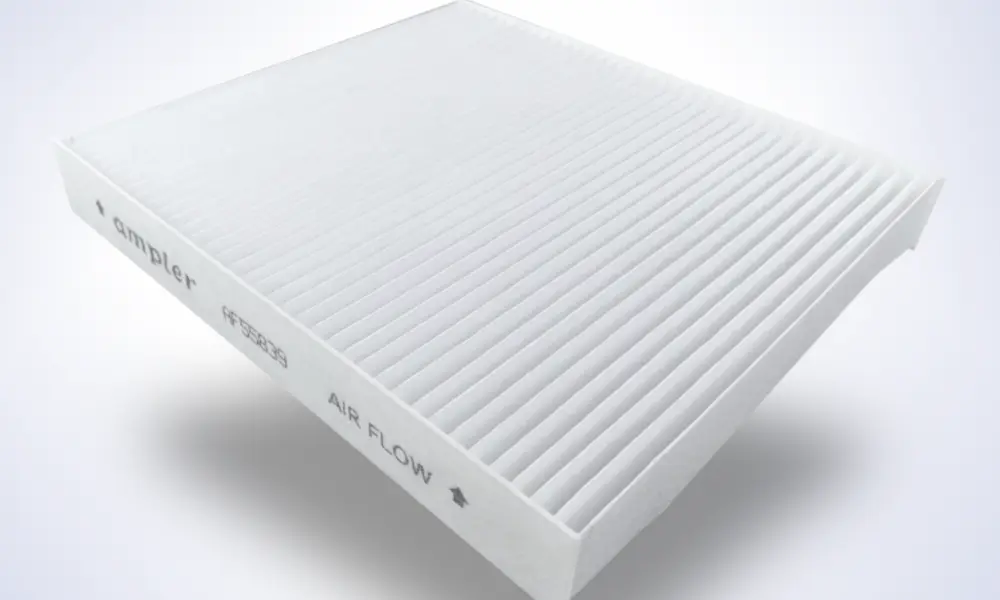
- Clogged cabin air filter: This restricts airflow and reduces cooling efficiency. Check and replace your filter regularly.
- Refrigerant leaks: If your system loses refrigerant quickly after recharging, you likely have a leak. Look for oily residue around fittings or components.
- Compressor problems: If the compressor isn’t engaging, you might hear unusual noises or notice inconsistent cooling.
- Electrical issues: Blown fuses or faulty relays can prevent your AC from working properly.
Checking these components before recharging can save time and prevent wasted refrigerant.
Important Safety Tips for DIY AC Recharge
- Never vent refrigerant to the atmosphere – it’s harmful to the environment and illegal under NHTSA regulations.
- Don’t overfill your system. If your gauge shows higher pressure than recommended, you’ll need professional equipment to remove excess refrigerant.
- Work in a well-ventilated area and keep refrigerant away from open flames.
- If you suspect major leaks or component failure, consult a professional. The National Highway Traffic Safety Administration provides safety guidelines for AC work.
- Some newer Kia Souls may use different refrigerants. Double-check your owner’s manual or Kia’s official resources to confirm.
Maintaining Your Kia Soul’s AC After Recharging
To keep your AC working efficiently after a recharge:
- Run your AC at least once a week, even in winter, to keep seals lubricated
- Replace your cabin air filter according to Kia’s recommended schedule
- Have your AC system inspected during regular maintenance
- Address any unusual noises or performance issues promptly
With proper maintenance, your Kia Soul’s AC system should provide reliable cooling for years to come.
By following this guide, you can save money by handling your Kia Soul AC recharge yourself while ensuring your car stays cool and comfortable no matter the weather outside. The process isn’t complicated, but it does require attention to detail and proper safety precautions.