Is your Kia Optima blowing warm air instead of the cool breeze you need? Before you spend hundreds at the dealership, you might be able to fix it yourself. AC recharging is one of the more approachable car maintenance tasks you can tackle at home. Let me walk you through the process step by step to get your Optima’s air conditioning running ice-cold again.
Understanding Your Kia Optima’s AC System
Your Optima’s air conditioning works by circulating refrigerant through a closed system. Over time, small amounts of refrigerant can escape through microscopic leaks, reducing cooling efficiency. When the refrigerant level drops too low, your AC won’t cool properly.
Before grabbing random refrigerant cans, you need to know exactly what type your car uses. Using the wrong refrigerant can damage your system and lead to costly repairs.
Which Refrigerant Does Your Kia Optima Need?
The refrigerant type varies by model year:
- 2008-2011 Optima models: Typically use R-134a refrigerant
- 2011-2016 Optima (JF generation): May use either R-134a or R-1234yf (check your label)
- 2016 and newer models: Most use R-1234yf, which requires special equipment
To be certain, locate the air conditioning information sticker under your hood. This sticker will specify which refrigerant type your specific Optima requires.
Refrigerant Capacity Chart for Kia Optima
Knowing how much refrigerant to add is just as important as using the correct type. Here’s a breakdown by model year:
| Model Year | Refrigerant Type | Capacity |
|---|---|---|
| 2006-2011 | R-134a | 500 grams |
| 2011-2016 | R-1234yf | 550 grams |
| 2012-present | R-134a | 570 grams |
| Hybrid Models (2012-2015) | R-1234yf | 550 grams |
Always verify these amounts against the refrigerant capacity information on your specific vehicle’s AC sticker, as there may be variations.
Tools You’ll Need for AC Recharging
Before starting, gather these essential items:
- Refrigerant can with gauge (matching your vehicle’s type)
- Safety goggles
- Gloves
- Digital thermometer (optional but helpful)
- Clean rags
For R-134a systems, you can purchase DIY recharge kits at most auto parts stores. If your Optima uses R-1234yf, be aware that this newer refrigerant requires specialized equipment and may need professional service.
How to Check if Your Kia Optima AC Needs Recharging
Before adding refrigerant, confirm your system is genuinely low:
- Start your engine and turn the AC to maximum cool with highest fan speed
- Make sure recirculation mode is ON
- Check the air temperature coming from the center vents
- If it’s not cold (above 50°F/10°C), your system likely needs refrigerant
You can also check the compressor clutch engagement. The compressor is the round component at the front of the engine with a pulley and central disc. If this disc isn’t spinning with the pulley, low refrigerant could be preventing proper operation.
Locating the AC Service Ports on Your Kia Optima
Your Optima has two service ports, but for recharging, you’ll only use the low-pressure port:
- The low-pressure port is located on the larger aluminum line running from the firewall to the compressor
- It has a plastic cap (usually blue for R-134a systems)
- The port itself is larger in diameter than the high-pressure port
Never connect to the high-pressure port (usually with a red or black cap) when recharging. Doing so can cause dangerous pressure levels and damage your system.
Step-by-Step AC Recharging Process for Kia Optima
Now that you’re prepared, let’s recharge your Optima’s AC system:
- Prepare your vehicle:
- Park on a level surface
- Set parking brake
- Start the engine
- Turn AC to maximum cool with highest fan speed
- Connect the recharge kit:
- Remove the plastic cap from the low-pressure port
- Shake the refrigerant can thoroughly
- Attach the recharge hose to the low-pressure port
- Make sure the connection is secure
- Check current pressure:
- Observe the pressure gauge on your recharge kit
- For R-134a systems, normal pressure should read between 25-45 PSI with the system running
- Lower readings confirm your system needs refrigerant
- Add refrigerant properly:
- Turn the can upright and open the valve
- Add refrigerant in short 5-10 second bursts
- Between bursts, gently rock the can between upright and 45° angles
- NEVER turn the can completely upside down
- Monitor pressure during charging:
- Pause frequently to check the pressure gauge
- Continue adding refrigerant until pressure reaches 30-40 PSI
- Watch for improved cooling from the vents
- Finish the process:
- Once target pressure is reached, close the valve on the recharge kit
- Disconnect the hose from the service port
- Replace the protective cap on the service port
The entire recharging process typically takes 15-20 minutes. As you add refrigerant, you should notice the air getting progressively colder.
Checking Your Work: Is the AC Fixed?
After recharging, your AC should blow noticeably colder air. Here’s how to check:
- Keep the engine running with AC on maximum
- Use a digital thermometer to measure the temperature at the center vent
- Normal vent temperature should be 40-50°F (4-10°C)
- The temperature drop should be at least 20°F below ambient temperature
If your AC isn’t cooling properly after recharging, there may be other issues requiring professional diagnosis.
Common Problems During Kia Optima AC Recharging
Even with careful planning, you might encounter these issues:
- Pressure reading too high: Stop adding refrigerant immediately. Your system may not be low or could have a blockage.
- Pressure reading fluctuating wildly: Your compressor may be cycling on/off, which is normal if the system is near full capacity.
- No change in cooling: There might be a larger leak or component failure requiring professional repair.
- Refrigerant leaking when connecting/disconnecting: Ensure proper connection technique and replace O-rings if necessary.
Properly Maintaining Your Kia Optima’s AC System
To keep your newly recharged AC working well:
- Run your AC for at least 10 minutes weekly, even in winter
- Keep the condenser (front radiator-like component) clean and free of debris
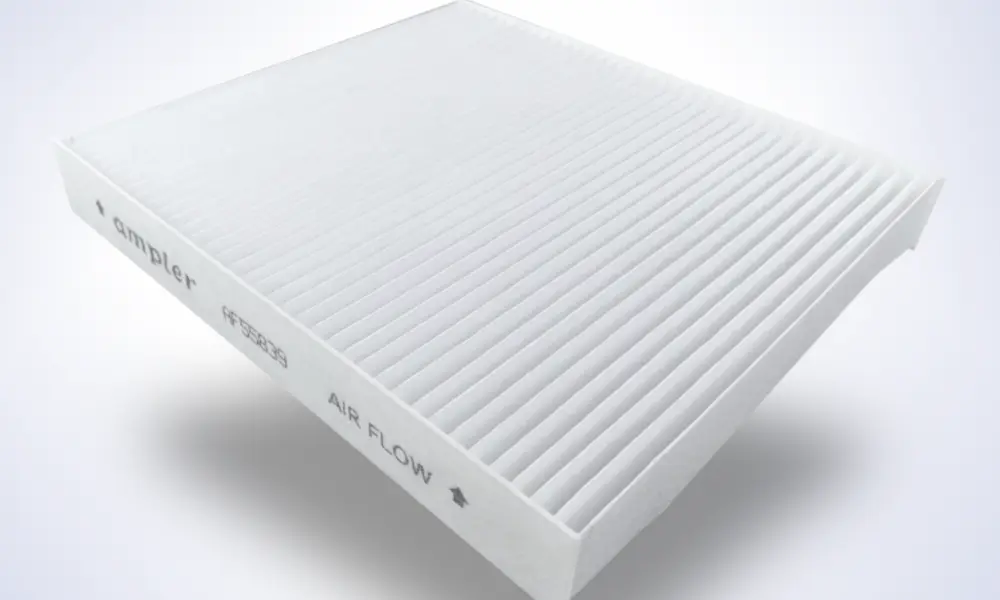
- Replace the cabin air filter annually
- Have your AC system professionally inspected every 2-3 years
Following these maintenance tips can extend the time between recharges and improve overall system longevity.
Recognizing When You Need Professional Help
While DIY recharging works for simple low refrigerant issues, some problems require professional attention:
- AC system doesn’t hold charge (refrigerant leaks out quickly)
- Unusual noises from the compressor
- AC clutch not engaging despite adequate refrigerant
- Oil spots around AC components (indicating leaks)
Major leaks typically require specialized equipment to locate and repair properly.
A Note on Refrigerant Safety and Environmental Considerations
Refrigerants require careful handling:
- Always wear gloves and eye protection
- Work in a well-ventilated area
- Never expose refrigerant cans to high heat or open flames
- Properly dispose of empty refrigerant containers according to local regulations
- Be aware that deliberately venting refrigerant is illegal and harmful to the environment
Cost Comparison: DIY vs. Professional AC Recharge
DIY recharging your Kia Optima can save significant money:
| Service | DIY Cost | Professional Cost |
|---|---|---|
| R-134a Recharge | $30-$60 | $150-$300 |
| R-1234yf Recharge | $150-$200* | $250-$400 |
| Leak Detection | Not possible without equipment | $75-$150 |
| Complete System Repair | Varies by issue | $300-$1,200+ |
*DIY R-1234yf recharge may require specialized equipment not readily available to consumers
Recharging your Kia Optima’s AC yourself is a satisfying project that can save you money and get your cool air flowing again quickly. By following the steps in this guide and respecting the safety precautions, you can handle this maintenance task with confidence. If you encounter issues beyond a simple recharge, don’t hesitate to consult a qualified mechanic for more complex AC system repairs.