Is your Kia Forte blowing warm air when it should be keeping you cool? Before you spend hundreds at a repair shop, you might be able to fix the problem yourself with a simple AC recharge. A properly functioning AC system makes summer driving bearable and helps maintain your car’s value. Let’s walk through how to get your Forte’s AC blowing cold again.
How to Tell if Your Kia Forte AC Needs a Recharge
Your car’s air conditioning relies on refrigerant to cool the air. When levels get low, performance suffers. Here are tell-tale signs your Forte needs a recharge:
- Air blows warm or not as cold as it used to
- Cooling seems intermittent or takes longer than normal
- AC compressor cycles on and off frequently
- Strange noises when the AC runs
If you notice these symptoms and your car is more than 2-3 years old, low refrigerant might be the culprit. Most Kia Fortes lose about 10% of refrigerant yearly through normal use.
What Refrigerant Does a Kia Forte Use?
Before buying supplies, you need to know what type of refrigerant your Forte requires. This depends on your car’s model year:
- R134a: Most Kia Fortes through 2018
- R1234YF: Many 2019 and newer models
To confirm your specific model, check the AC information sticker under your hood or on the radiator support. Using the wrong refrigerant can damage your system and lead to expensive repairs.
Kia Forte Refrigerant Capacity Chart
Different model years require different amounts of refrigerant. Here’s a quick reference guide:
| Model Year | Refrigerant Type | Capacity |
|---|---|---|
| 2010-2018 | R134a | 18-20 oz (510-570g) |
| 2019+ | R1234YF | ~500g (17.6 oz) |
Always check your specific vehicle’s sticker for exact capacity information before recharging. Using the precise amount prevents system damage from under or overcharging.
Tools You’ll Need for an AC Recharge
Before starting, gather these supplies:
- AC recharge kit with pressure gauge matching your refrigerant type
- Correct refrigerant can (R134a or R1234YF)
- Safety glasses and gloves
- Thermometer (optional, to verify vent temperature)
- Clean rag
The recharge kit should include a hose with a gauge and trigger mechanism. Total cost for supplies is typically $30-60, much less than a professional service.
Finding the Low-Pressure AC Port on a Kia Forte
Locating the right service port is crucial:
- Open your hood and secure it properly
- Find the AC compressor at the front of the engine (it has a belt and two aluminum tubes)
- Follow the larger diameter tube to find the low-pressure line
- Look for a plastic cap marked with an “L” or “LOW”
The low-pressure port is where you’ll connect your recharge kit. Never connect to the high-pressure side, which has a smaller diameter tube.
Step-by-Step AC Recharge Process
Follow these steps carefully to safely recharge your Kia Forte’s AC system:
1. Prepare Your Vehicle
- Park on level ground
- Make sure the engine is off
- Turn your AC controls to maximum cooling and fan to high
- Double-check you have the correct refrigerant type
2. Check Current Refrigerant Level
- Remove the cap from the low-pressure port
- Attach your recharge kit’s hose securely
- Start the engine and turn the AC on max
- Check the pressure reading on the gauge
The proper pressure reading depends on the ambient temperature. At around 75°F, a reading of 25-35 PSI indicates normal pressure for most Fortes. Significantly lower readings confirm you need a recharge.
3. Adding Refrigerant
- With the engine still running and AC on max, shake the refrigerant can well
- Connect the can to your recharge kit according to kit instructions
- Hold the can upright (never upside down)
- Squeeze the trigger to release refrigerant in short bursts
- Pause frequently to check pressure and shake the can
Add refrigerant slowly and monitor the pressure gauge carefully. Rushing this process can lead to overcharging.
4. Complete the Process
- Stop adding refrigerant when the pressure reaches the appropriate level or you’ve added the recommended amount
- Disconnect the hose from the service port
- Replace the service port cap securely
- Turn off your engine and AC
The entire process typically takes 15-20 minutes to complete properly.
Testing Your AC After Recharging
After recharging, check if your repair was successful:
- Start your car and set the AC to max cool
- Feel the air coming from the vents – it should be noticeably colder
- Use a thermometer to check vent temperature – properly functioning AC should deliver air at 40-45°F
- Listen for the compressor to cycle normally
If your AC isn’t cooling properly after recharging, you may have leaks or other issues requiring professional attention.
Common Mistakes to Avoid
When recharging your Kia Forte’s AC, avoid these common errors:
- Using the wrong refrigerant type for your model year
- Overcharging the system (follow capacity guidelines exactly)
- Adding refrigerant to a system with major leaks
- Connecting to the high-pressure port instead of the low-pressure port
- Adding refrigerant with the engine off
Overcharging can damage your compressor, while using incorrect refrigerant can necessitate a complete system flush and rebuild.
Diagnosing Potential Leaks
If your AC requires frequent recharges, you likely have a leak. Here are ways to check:
- Look for oily residue around AC components and fittings
- Add UV dye to your system (included in some recharge kits) and use a UV light to spot leaks
- Check hoses and connections for obvious cracks or damage
Minor leaks might be addressed with leak sealers included in some recharge kits, but significant leaks require professional repair.
Understanding Refrigerant Types: R134a vs R1234YF
The refrigerant transition in newer vehicles is important to understand:
- R134a was standard in most vehicles through 2018
- R1234YF was phased in starting around 2019 for environmental reasons
R1234YF is significantly more expensive (often 3-5 times the cost of R134a) but has less environmental impact. The service ports for these refrigerants are different sizes to prevent cross-contamination.
Maintaining Your AC System Between Recharges
Keep your Kia Forte’s AC running optimally with these maintenance tips:
- Run your AC at least once a week, even in winter, to keep seals lubricated
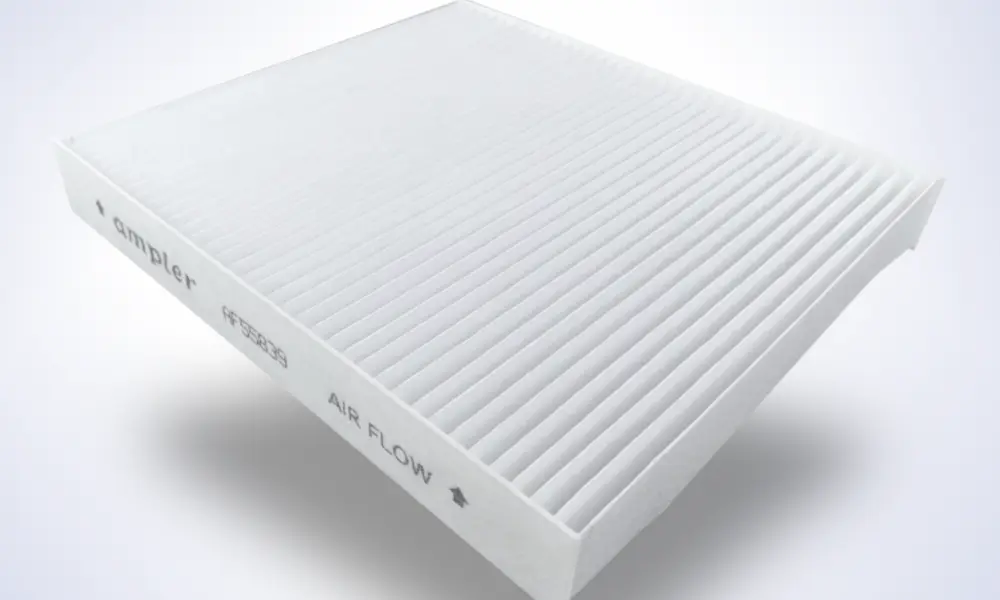
- Replace the cabin air filter annually
- Keep the condenser (front of radiator) clean and free of debris
- Have your belt tension checked during regular maintenance
These simple steps can extend the life of your AC components and maintain cooling efficiency.
Environmental Considerations
When working with refrigerants, remember:
- Releasing refrigerant into the atmosphere is illegal and harmful to the environment
- Only use approved refrigerant products and disposal methods
- Consider having a professional recover refrigerant if you’re replacing major components
Responsible handling of refrigerants is not just good practice—it’s required by law.
Getting the Most Value from Your DIY Recharge
A proper DIY recharge can save you $100-200 compared to professional service. To maximize your investment:
- Address recharges promptly when you notice reduced cooling
- Use quality recharge kits with accurate gauges
- Follow manufacturer capacity specifications exactly
- Consider adding stop-leak if your system has minor leaks
With proper technique, your DIY recharge should keep your Kia Forte’s AC blowing cold for at least another season.
When Your AC Problems Go Beyond a Simple Recharge
Sometimes a recharge isn’t enough. Consider professional help if:
- Your AC cools initially after recharge but quickly returns to blowing warm
- You hear grinding or squealing from the compressor area
- The system requires recharging more than once per season
- Your AC blows cold but has very weak airflow
These symptoms may indicate compressor failure, electrical issues, or blocked components that require expert diagnosis.
By following this guide, you can successfully recharge your Kia Forte’s AC system and enjoy cool, comfortable drives even during the hottest summer days. The process is straightforward, cost-effective, and provides immediate results when low refrigerant is the primary issue.