Seeing that “Lexus check VSC system” warning pop up on your dashboard can be pretty frustrating. The good news? It’s usually not as scary as it looks, and you’ve got several options to tackle it yourself before heading to the mechanic.
What Does “Check VSC System” Actually Mean?
Your Lexus is basically telling you that something’s wrong with the Vehicle Stability Control system. Think of VSC as your car’s safety net—it automatically applies brakes to specific wheels and adjusts engine power when it senses you’re losing control.
When you see the “Lexus check VSC system” message, the system has detected a problem and shut itself down. You can still drive, but you won’t have that extra layer of protection during slippery conditions or sudden maneuvers.
A flashing VSC light means the system is actively working to keep you stable. But when it stays on constantly? That’s when you know there’s a genuine issue that needs attention.
The Most Common Culprits Behind VSC Warnings
Sensor Problems Lead the Pack
Faulty wheel speed sensors cause about 60% of VSC issues. These little devices monitor how fast each wheel spins, and when one goes bad, your Lexus gets confused about what’s happening.
Steering angle sensors and yaw rate sensors also fail regularly. The steering angle sensor tracks where you’re pointing the wheel, while the yaw rate sensor measures how much your car is rotating. When either malfunctions, your VSC system can’t do its job properly.
Brake System Issues Trigger VSC Warnings
Your VSC system relies heavily on your brakes to work correctly. Low brake fluid, worn brake pads, or ABS module problems will often trigger the “Lexus check VSC system” warning.
Here’s what typically goes wrong:
- Brake fluid leaks or contamination
- Worn brake pads creating inconsistent pressure
- ABS pump or module failures
- Air bubbles in brake lines
Related Warning Lights Often Appear Together
Don’t be surprised if you see multiple warning lights when the VSC system fails. The check engine light, ABS warning, and traction control indicators often illuminate simultaneously because these systems share sensors and components.
Quick Fixes You Can Try Right Now
Start With the Simplest Solution
Turn your car completely off, wait about 30 seconds, then restart it. This clears temporary glitches that sometimes trigger false VSC warnings. It sounds too simple to work, but it actually resolves about 20% of VSC issues.
Check if You Accidentally Disabled VSC
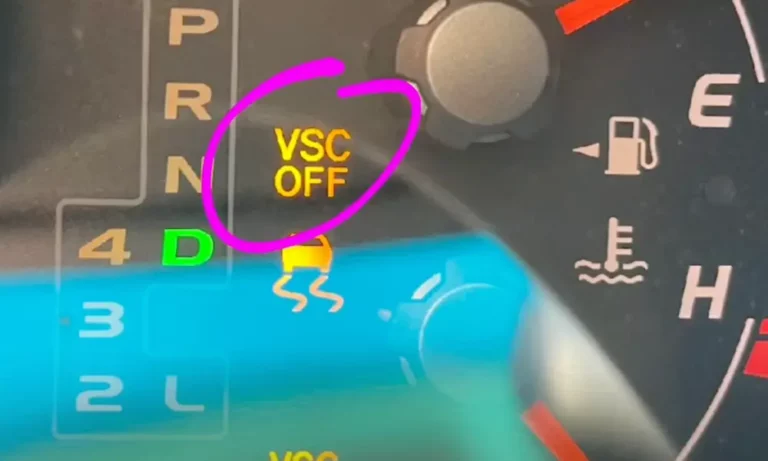
Look for a “VSC OFF” or “TRAC OFF” button near your gear shifter or on the dashboard. If you pressed it (maybe trying to get unstuck from snow or mud), you can re-enable VSC by pressing and holding the button for three seconds.
Inspect Your Tire Pressure
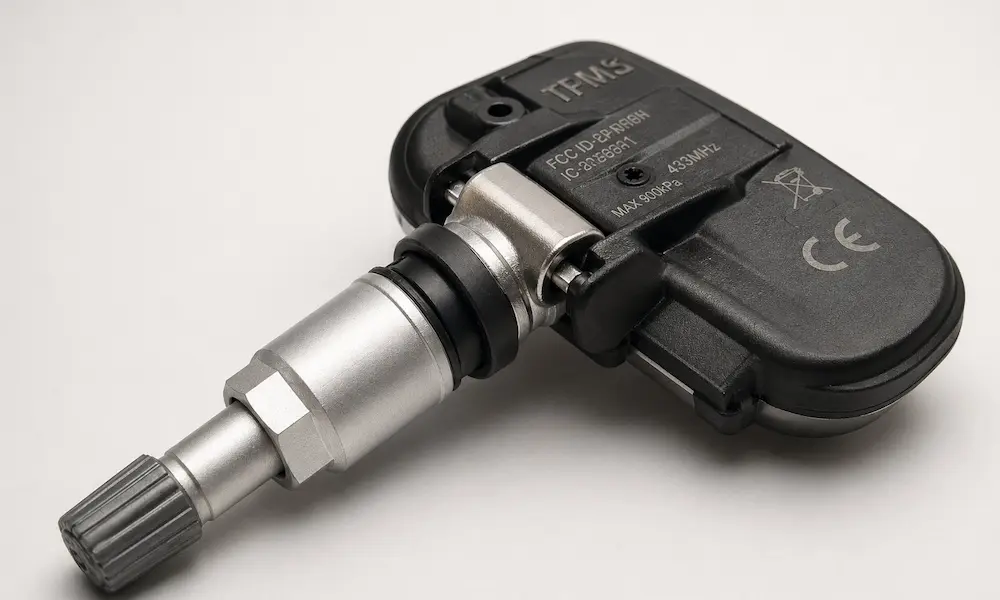
Uneven or low tire pressure can fool the wheel speed sensors into thinking something’s wrong. Check all four tires and inflate them to the pressure listed on your door jamb sticker. This simple step fixes more VSC problems than you’d think.
Scan for Error Codes
An OBD-II code reader (you can get one for about $25) will tell you exactly what’s triggering the warning. Many auto parts stores will scan your codes for free too. Look for codes starting with “C” (chassis) or “P” (powertrain)—these often point directly to the problem.
The Reset Methods That Actually Work
Dashboard Button Reset Method
If your VSC was manually turned off, here’s how to reset it:
- Park your car and turn off the engine
- Find the VSC or TRAC/VSC button
- Press and hold it for at least three seconds
- Watch for the “VSC OFF” light to disappear
- Start your engine—both VSC and traction control should be active again
Battery Disconnect Reset
Sometimes a full system reset helps clear stubborn VSC warnings:
- Turn off your engine and remove the key
- Disconnect the negative battery terminal
- Wait 15 minutes (this clears the car’s memory)
- Reconnect the battery and start your car
- Drive for a few miles to let the system recalibrate
This method works because it forces all the car’s computers to restart fresh, potentially clearing software glitches causing the VSC warning.
Advanced Troubleshooting for Persistent Problems
Brake System Inspection
If the warning persists, check your brake fluid level first. The reservoir should be between the minimum and maximum marks, and the fluid should look clear (not dark or cloudy).
Look under your car for brake fluid leaks—they’ll appear as oily spots near the wheels. Also, pay attention to how your brake pedal feels. If it’s spongy or goes to the floor, you’ve got brake system issues that need immediate attention.
Sensor Cleaning and Testing
Wheel speed sensors often get covered in road grime, which can cause false readings. Each sensor sits near the wheel hub—clean them with brake cleaner and a soft brush.
The steering angle sensor calibration process varies by Lexus model, but it usually involves turning the steering wheel full left, then full right, then back to center while the car is stationary.
Professional Diagnostic Equipment
Advanced VSC problems require professional scan tools that can access the ABS/VSC control modules directly. These tools cost thousands of dollars, so they’re not practical for DIY diagnosis.
However, many independent shops and auto parts stores have these scanners and can run detailed diagnostics for $100-200. This investment often saves money compared to guessing at expensive parts replacements.
Model-Specific VSC Reset Procedures
Lexus RX Series Reset Method
RX models from 2004-2015 have a specific reset sequence:
- Turn the ignition to “ON” (don’t start the engine)
- Press the odometer reset button and hold it
- Turn the ignition to “OFF” while still holding the button
- Release the button after five seconds
- Start the engine normally
IS and ES Series Quick Reset
For IS and ES models, try this sequence:
- Start the engine and let it idle
- Turn the steering wheel fully left, hold for two seconds
- Turn it fully right, hold for two seconds
- Return to center and turn off the engine
- Restart after 30 seconds
GS and LS Advanced Reset
These luxury models often require professional recalibration equipment, but you can try the basic OBD-II terminal jumper method described in some service manuals. However, this procedure carries risk of damaging control modules if done incorrectly.
Common VSC Error Codes and Their Meanings
| Error Code | Component Affected | Typical Fix |
|---|---|---|
| C1201 | Engine Control System | Clear engine codes first |
| C1223 | ABS Speed Sensor | Clean or replace sensor |
| C1241 | Low Battery Voltage | Check charging system |
| C1252 | ABS Pump Motor | Professional repair needed |
| C1391 | Steering Angle Sensor | Recalibration required |
Understanding these codes helps you communicate effectively with mechanics and avoid unnecessary repairs. The most common VSC-related codes point to specific components rather than general system failures.
Cost Breakdown for Common VSC Repairs
| Repair Type | DIY Cost | Shop Cost | Time Required |
|---|---|---|---|
| Sensor Cleaning | $5-10 | $80-120 | 30 minutes |
| Wheel Speed Sensor | $50-100 | $200-350 | 1-2 hours |
| Brake Fluid Change | $15-25 | $100-150 | 45 minutes |
| ABS Module | $300-800 | $800-1500 | 3-4 hours |
| Steering Angle Sensor | $100-250 | $400-600 | 2-3 hours |
These numbers help you make informed decisions about which repairs to tackle yourself versus letting professionals handle them.
Prevention Tips to Avoid Future VSC Problems
Regular Maintenance Prevents Most Issues
Change your brake fluid every two years, regardless of mileage. Old brake fluid absorbs moisture, which corrodes ABS components and triggers VSC warnings.
Keep your tires properly inflated and replace them in sets. Mismatched tire sizes or significantly different tread depths confuse the wheel speed sensors.
Driving Habits That Protect VSC Components
Avoid driving through deep puddles or flood water. Water can damage wheel speed sensors and ABS modules, leading to expensive repairs.
Don’t ignore other warning lights. The check engine light often precedes VSC problems because these systems share data. Fixing engine issues early prevents VSC complications.
Environmental Factors to Consider
Road salt and winter chemicals accelerate sensor corrosion. Rinse your undercarriage regularly during winter months, paying special attention to the area around each wheel.
Extreme temperatures affect sensor accuracy. Very cold weather can trigger temporary VSC warnings that clear up once the car warms up. However, persistent cold-weather warnings usually indicate genuine problems.
Signs Your VSC Problem Needs Immediate Attention
Some VSC issues wait, but others demand urgent action. Head to a mechanic immediately if you experience:
- Brake pedal feels soft or goes to the floor
- ABS warning light accompanies the VSC light
- Steering feels loose or unresponsive
- Car pulls to one side during braking
- Grinding noises when braking
These symptoms indicate brake system failures that affect both normal driving and VSC operation. Your safety depends on getting these issues fixed quickly.
Understanding VSC’s Role in Your Safety
Modern Lexus vehicles integrate VSC with multiple safety systems. When VSC fails, you lose more than just stability control—you might also lose brake assist, hill start assist, and emergency brake distribution.
The National Highway Traffic Safety Administration requires VSC on all vehicles sold after 2012 because it reduces fatal single-vehicle crashes by 49% and fatal SUV rollovers by 72%. These statistics highlight why promptly fixing “Lexus check VSC system” warnings matters.
Alternative Solutions When Standard Resets Fail
Aftermarket Scan Tool Options
Professional-grade OBD-II scanners like the Autel MaxiCheck or Launch CReader can access VSC-specific functions that basic code readers miss. These tools cost $200-500 but provide dealer-level diagnostics.
Many of these scanners can perform VSC system bleeding, sensor calibration, and component testing. For DIY enthusiasts with multiple vehicles, they pay for themselves quickly.
Independent Shop vs Dealer Service
Lexus dealerships have factory scan tools and technical support, but independent shops often provide equivalent service at 30-40% lower cost. Look for shops with ASE-certified technicians who specialize in Asian imports.
Many independent shops also explain exactly what they’re fixing and why, helping you understand your VSC system better for future maintenance.
The key to resolving your “Lexus check VSC system” warning lies in systematic troubleshooting. Start with the simple solutions—restarting your car, checking tire pressure, and scanning for codes. Most VSC problems stem from minor sensor issues or low brake fluid rather than major component failures. But don’t ignore persistent warnings, especially when accompanied by brake system symptoms. Your VSC system plays a crucial role in keeping you safe, so getting it fixed properly is always worth the investment.