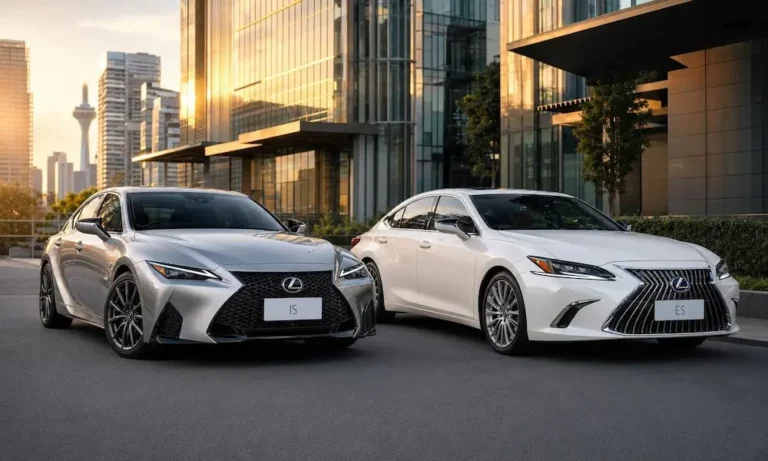
Choosing between the Lexus IS and ES feels simple until you dig into the details. These two sedans share a badge but almost nothing else. One’s built for drivers who love the road. The other’s built for people who want to forget the road exists. Read to the end — the pricing section alone might surprise you.
They Look Similar But Drive Completely Different
The Lexus IS vs ES debate comes down to one core question: do you want to drive, or do you want to be transported?
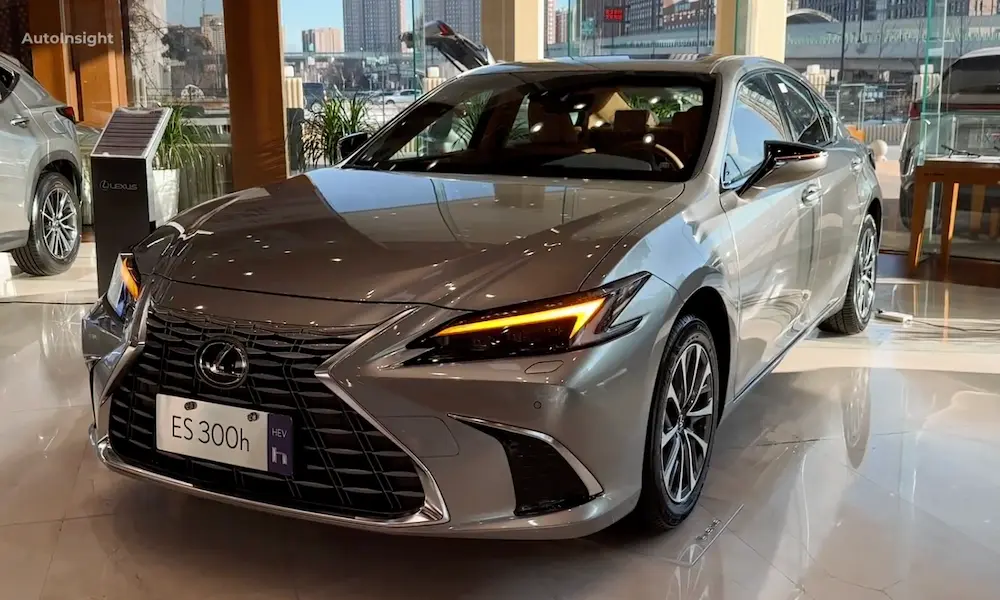
The 2026 IS is a compact sport sedan with rear-wheel drive, a naturally aspirated V6, and a cockpit that wraps around you. The 2026 ES is a fully redesigned midsize sedan that now comes in hybrid and fully electric forms — no gas-only option exists anymore.
These aren’t just different trims of the same car. They’re two different philosophies wearing the same logo.
Platform and Handling: Two Different Worlds
The IS Keeps It Classic
The IS uses a longitudinal, rear-wheel-drive-focused platform. It’s not brand new, but Lexus refined the steering and suspension for 2026 to keep it competitive. Up front, you get double-wishbone suspension. Out back, an independent multi-link setup keeps the rear planted during corners.
F Sport models add an available Adaptive Variable Suspension (AVS), which lets you toggle between a comfortable ride and a stiff, performance-ready setup in seconds.
The ES Rebuilds From Scratch
The 2026 ES debuts on a redesigned TNGA GA-K platform — the same architecture used across Toyota and Lexus hybrids globally. It’s stiffer, more spacious, and designed to handle heavy battery packs without cramping the interior.
For the first time ever, the ES gets a multi-link rear suspension. That’s a big deal. Previous generations used a torsion beam setup that limited handling refinement. The new setup makes the ES sharper and more composed than any ES before it.
| Feature | 2026 Lexus IS 350 | 2026 Lexus ES (Hybrid/Electric) |
|---|---|---|
| Platform Focus | RWD Longitudinal | TNGA GA-K Multi-Platform |
| Front Suspension | Double-Wishbone | MacPherson Strut |
| Rear Suspension | Independent Multi-Link | New Multi-Link (First Time) |
| Wheelbase | 110.2 inches | 116.1 inches |
| Curb Weight | 3,913 lbs | 4,035 – 5,037 lbs |
| Turning Circle | 35.4 ft (RWD) | Not Specified |
Powertrain Options: Focused vs. Electrified
The IS Goes All-In on V6
Lexus dropped the four-cylinder entry and the V8 performance options for 2026. Every IS now runs a 3.5-liter naturally aspirated V6 making 311 horsepower and 280 lb-ft of torque. RWD models pair with an eight-speed Sport Direct-Shift automatic. AWD models get a six-speed auto.
The IS hits 60 mph in about 5.6 to 6.0 seconds. It’s not track-day fast, but the power delivery is smooth and linear — no turbo lag, no drama.
The ES Goes Full Electric
The 2026 ES doesn’t offer a traditional gas engine at all. Your options are:
- ES 350h — 2.5L hybrid with 244 horsepower and sixth-generation hybrid tech
- ES 350e — Single-motor electric with 221 horsepower and 300-mile range
- ES 500e — Dual-motor electric with 338 horsepower, AWD, and 0-60 in about 5.1 seconds
Yes, the electric ES 500e is actually quicker than the IS 350. That’s not a typo.
| Metric | IS 350 | ES 350h | ES 350e | ES 500e |
|---|---|---|---|---|
| Engine | 3.5L V6 | 2.5L Hybrid | Electric (Single) | Electric (Dual) |
| Horsepower | 311 | 244 | 221 | 338 |
| 0-60 mph | ~5.6-6.0 sec | Moderate | ~6.5 sec | ~5.1-5.4 sec |
| Estimated Range | ~380 miles | ~580 miles | 300 miles | 250-276 miles |
| Fuel/Charge Type | Premium Gas | Regular Gas | NACS | NACS |
| Combined MPG | 22-23 | ~44 (est.) | N/A | N/A |
The ES hybrid’s ~580-mile range makes it the best option for long road trips. The electric models use the NACS charging port, giving them access to Tesla Superchargers and most other fast-charging networks across the US.
Interior Space and Tech: Cozy vs. Expansive
IS Interior: Tight but Purposeful
The IS cabin uses Lexus’s “Tazuna” driver-centric layout. Everything angles toward the driver. You get a standard 12.3-inch digital gauge cluster and a 12.3-inch touchscreen running the latest Lexus Interface software.
Standard features include:
- Wireless Apple CarPlay and Android Auto
- Wireless charging pad
- Four USB ports
- 10-speaker audio (17-speaker Mark Levinson optional)
The rear seat has only 32.2 inches of legroom. Adults fit, but they won’t be comfortable on long trips. Trunk space is 10.8 cubic feet — enough for a weekend bag, not a family vacation.
ES Interior: Built to Breathe
The 2026 ES gets a standard 14-inch tablet-style touchscreen with split-screen capability and a faster processor. The cabin feels genuinely larger, with lower window lines and slimmer seats adding to the sense of space.
Rear legroom hits 40.7 inches. That’s limousine territory. The wheelbase grew by 3 inches and the overall length increased by 6.5 inches compared to the previous generation. Cargo capacity ranges from 13.3 to 18.2 cubic feet depending on the trim — nearly 70% more than the IS.
| Measurement | 2026 IS 350 | 2026 ES (HEV/BEV) |
|---|---|---|
| Front Legroom | 44.8 inches | 41.8 inches |
| Rear Legroom | 32.2 inches | 40.7 inches |
| Front Shoulder Room | 55.9 inches | 57.5 inches |
| Rear Shoulder Room | 53.4 inches | 53.9 inches |
| Trunk Volume | 10.8 cu ft | 13.3 – 18.2 cu ft |
Safety Tech: Good vs. Great
IS: Lexus Safety System+ 3.0
The IS comes standard with LSS+ 3.0, which covers the essentials well:
- Full-speed dynamic radar cruise control
- Pre-collision system with pedestrian and cyclist detection
- Lane departure alert with steering assist
- Road sign assist
It’s reactive safety. The system steps in when something bad is about to happen.
ES: Lexus Safety System+ 4.0
The 2026 ES debuts LSS+ 4.0 — the brand’s most advanced system to date. It adds:
- Proactive Driving Assist (PDA), which subtly steers and brakes during everyday driving
- Motorcycle detection
- Improved intersection support for turns
- Infrared driver monitoring for fatigue and distraction
- Curve Speed Management for cruise control on bends
LSS+ 4.0 is predictive, not just reactive. It works in the background constantly, rather than only when a crash is imminent. That’s a meaningful upgrade for daily commuting and highway driving.
| Feature | LSS+ 3.0 (IS) | LSS+ 4.0 (ES) |
|---|---|---|
| Radar Cruise Control | Full-Speed Range | Full-Speed + Smoother Response |
| Pedestrian Detection | ✅ | ✅ (+ Low-Light Support) |
| Motorcycle Detection | ❌ | ✅ |
| Proactive Driving Assist | ❌ | ✅ |
| Driver Monitor System | Not specified | ✅ Higher Trims |
| Curve Speed Management | ❌ | ✅ |
Pricing: What You’ll Actually Pay
2026 IS 350 Trim Pricing (USA MSRP)
The IS lineup is simple. Two core trims, two drivetrains each, plus a limited Special Appearance edition.
| Trim | Drivetrain | MSRP |
|---|---|---|
| F Sport Design | RWD | $46,795 |
| F Sport Design | AWD | $48,795 |
| F Sport | RWD | $49,245 |
| F Sport | AWD | $51,245 |
| Special Appearance | RWD | $61,385 |
| Special Appearance | AWD | $62,995 |
2026 ES Trim Pricing (USA MSRP)
Here’s the twist. Lexus priced the electric ES 350e below the hybrid. The cheapest ES is now an EV — a clear signal that Lexus wants buyers to go electric.
| Model | Drivetrain | MSRP |
|---|---|---|
| ES 350e Premium (BEV) | FWD | $48,795 |
| ES 350h Premium (HEV) | FWD | $50,995 |
| ES 500e Premium (BEV) | AWD | $51,795 |
| ES 350h Premium (HEV) | AWD | $52,395 |
| ES 350h Premium+ (HEV) | FWD | $55,795 |
| ES 350h Premium+ (HEV) | AWD | $57,195 |
| ES 350e Luxury (BEV) | FWD | $57,195 |
| ES 500e Luxury (BEV) | AWD | $60,195 |
All prices include a $1,295 destination charge.
Long-Term Ownership Costs
The sticker price is just the beginning. Over five years, the IS costs more to run than most buyers expect.
| Cost Category | 2026 IS 350 | 2026 ES (Est.) |
|---|---|---|
| Depreciation | $27,318 – $28,765 | $24,832 – $26,000 |
| Fuel / Energy | $13,692 (Premium Gas) | $5,000 – $7,000 |
| Maintenance | $8,892 | ~$7,500 |
| Insurance | $24,695 – $25,615 | ~$22,000 |
| Repairs | $1,231 | ~$1,200 |
| Total (5 Years) | $88,189 – $91,183 | $73,032 – $76,200 |
According to KBB’s 5-year cost analysis, the IS 350’s premium gas habit alone adds nearly $14,000 over five years. The ES hybrid cuts that roughly in half. The electric ES replaces gas costs with electricity — often much cheaper, especially if you charge at home overnight.
Lexus backs the electric ES battery with a 10-year/150,000-mile warranty, which removes a lot of the long-term risk from going electric.
Who Should Buy the IS?
Buy the IS 350 if you:
- Love the feel of a rear-wheel-drive sport sedan
- Prefer a naturally aspirated engine over hybrid complexity
- Don’t need rear seat space for adults regularly
- Want a tight, driver-focused cockpit
- Enjoy backroads, weekend drives, or just like cars that feel alive
The F Sport Handling Package adds a Torsen limited-slip differential and adaptive suspension — great for enthusiasts who want more from their daily driver without going full performance car.
Who Should Buy the ES?
Buy the ES if you:
- Carry adult passengers regularly
- Want a quieter, more relaxing ride
- Plan to take long highway trips (the hybrid ES is king here)
- Are ready to go electric and want luxury without the Tesla minimalism
- Care about lower long-term running costs
The ES 500e’s DIRECT4 AWD system gives you electric performance, all-weather confidence, and the most spacious Lexus sedan cabin you can buy. It’s genuinely quick, shockingly quiet, and loaded with tech from the moment you sit down.
The bottom line: the IS is for people who want to drive. The ES is for people who want to arrive. Both are excellent — but only one of them fits your life.