Are you noticing strange noises when shifting gears? Or maybe your Range Rover dashboard is flashing that dreaded “gearbox fault” message? Transmission issues can be some of the most expensive and frustrating problems to deal with in luxury SUVs. But understanding what’s happening inside your Range Rover’s gearbox can save you thousands and help you make smarter decisions about repairs.
What Exactly Is a Range Rover Gearbox Fault?
A Range Rover gearbox fault refers to any malfunction within the transmission system that affects how your vehicle shifts between gears. These sophisticated transmissions (mostly ZF and BMW-sourced automatics) contain complex mechanical, electrical, and hydraulic components that can fail in various ways.
These issues affect virtually all Range Rover models, from the classic L322 to the modern Evoque and Discovery Sport. The transmission control module (TCM) constantly monitors performance, and when it detects a problem, it illuminates that warning light we all dread seeing.
Common Symptoms of Range Rover Transmission Problems
Gear Slippage and Hesitation
One of the first signs of transmission trouble is when your Range Rover seems to “slip” between gears. You’ll notice the engine revving higher without corresponding acceleration, particularly when climbing hills or accelerating from a stop. This symptom often indicates internal mechanical wear affecting the clutch packs or valve body.
You might also experience delayed engagement when shifting from park to drive or uncomfortable jerking motions during gear changes. These aren’t just annoying – they’re your transmission’s cry for help.
Warning Lights and Limp Mode
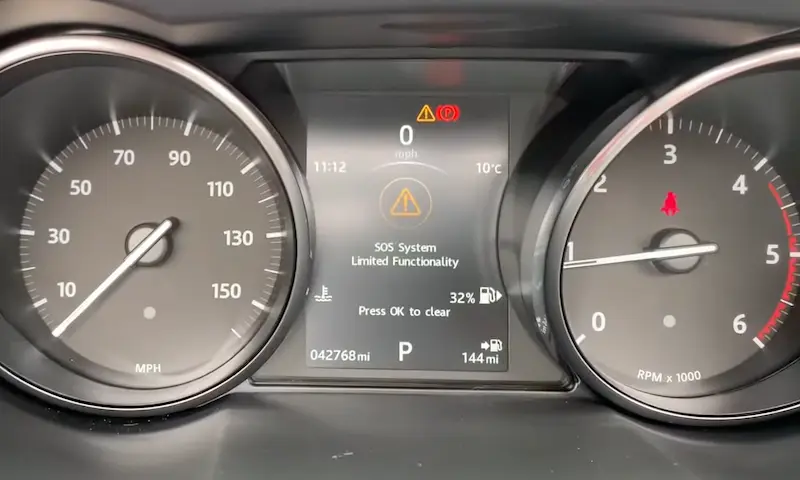
When your dashboard displays “Gearbox Fault,” your vehicle’s computer has detected a serious transmission issue. This warning is often accompanied by your Range Rover entering limp mode, a protective measure that restricts performance to prevent further damage.
In limp mode, you’ll typically be limited to a single gear (usually second or third) and reduced power. While frustrating, this feature exists to help you reach a service center without causing catastrophic transmission failure.
Unusual Noises and Fluid Leaks
Strange noises from your transmission should never be ignored. Grinding, whining, or clunking sounds during gear changes almost always indicate internal mechanical problems that require immediate attention.
Similarly, red fluid beneath your parked Range Rover suggests a transmission fluid leak. This reduces lubrication and cooling capacity, accelerating wear on internal components. When combined with burning smells, you’re likely experiencing overheating issues that can quickly lead to total transmission failure.
Model-Specific Gearbox Problems
Different Range Rover generations have their own unique transmission weaknesses. Let’s break down the most common issues by model:
L322 Range Rover (2002-2012)
The L322 generation has a complex reliability landscape with three distinct transmission periods:
Early Models (2002-2005): These BMW-era Range Rovers suffer from timing chain guide failures that directly impact transmission performance. The BMW M62 4.4-liter V8 engine’s timing chain guides typically deteriorate around 100,000 miles, causing catastrophic engine damage that often stresses the transmission.
Mid-Generation (2006-2009): Featuring the ZF 6HP26 transmission, these models represent the most reliable L322 configuration. However, they remain susceptible to E-clutch pack failure, particularly affecting 4th, 5th, and 6th gears. This failure occurs due to inadequate oil circulation and flimsy clutch hub construction.
Late Models (2010-2012): These vehicles combine Jaguar-sourced engines (which reintroduce timing chain problems) with ZF transmission architecture. They experience the highest repair costs due to simultaneous engine and transmission failures.
Range Rover Evoque (2012-Present)
The Evoque’s transmission issues center primarily around the ZF 9HP 9-speed transmission:
First-Generation (2012-2017): These Evoques suffer from widespread transmission software calibration issues that cause harsh shifting, gear hunting, and unexpected neutral engagement.
Auxiliary Battery Syndrome: A unique Evoque problem involves the small 12V battery located beneath the passenger glove compartment. When this inexpensive component fails, it triggers false gearbox fault warnings that mimic complete transmission failure.
P0613-44 Fault Codes: The most common serious Evoque transmission failure involves the TCM processor. This condition renders the vehicle completely immobile and requires specialized TCM replacement or programming.
Discovery Sport (2015-Present)
The Discovery Sport follows a clear reliability improvement pattern:
Early Models (2015-2018): These vehicles experience severe 9-speed ZF transmission problems, including unexpected shifts to neutral while driving and complete gear engagement failure. The National Highway Traffic Safety Administration documented these issues, leading to recalls affecting over 505,000 vehicles.
Later Models (2019+): Software calibration improvements significantly reduced transmission problems, with enhanced thermal management and revised shift mapping addressing earlier harsh shifting complaints.
Critical Fault Codes and What They Mean
Understanding transmission fault codes can help you communicate more effectively with your mechanic:
P0613-44: TCM Processor Failure
This serious code indicates complete transmission control module failure, requiring immediate vehicle shutdown. Repair typically involves TCM replacement costing between $3,000-$10,000 depending on model year and parts availability.
P0700-00: Transmission Control System Malfunction
This generic code serves as an indicator requiring deeper diagnostic investigation. It often accompanies other specific fault codes and indicates communication failures between the TCM and other vehicle systems.
P2702-07: Transmission Friction Element E Apply Time
This fault specifically identifies E-clutch pack failure in ZF 6HP26 transmissions. It primarily affects L322 Range Rover models and indicates internal mechanical failure requiring transmission rebuild or replacement.
U0001-81/86: CAN Bus Communication Error
These codes indicate network communication failures between the transmission control module and other vehicle systems, often resulting from wiring harness damage or module programming corruption.
Range Rover Transmission Repair Costs
Transmission repair costs vary dramatically across Range Rover models:
| Model | Minor Repair (Valve Body/Software) | Major Repair/Replacement |
|---|---|---|
| L322 (2002-2012) | $2,000-$4,500 | $6,000-$15,000 |
| Evoque (2012+) | $1,500-$3,000 | $4,000-$8,000 |
| Discovery Sport | $1,800-$3,500 | $4,500-$7,000 |
The most expensive repairs typically involve complete transmission replacement, while valve body rebuilds and software updates represent more affordable options when caught early.
For the Evoque, the auxiliary battery replacement that often resolves false gearbox fault warnings costs under $50, highlighting the importance of proper diagnosis before authorizing expensive repairs.
How to Prevent Range Rover Gearbox Problems
Regular Transmission Fluid Services
Despite manufacturer claims of “lifetime” fluid, ZF transmissions require fluid changes every 60,000-80,000 miles. Using incorrect fluid specifications accelerates internal component wear and can invalidate warranty coverage.
The fluid change procedure is complex and requires specialized equipment to ensure proper fluid level and temperature. This isn’t a DIY job for most owners.
Software Updates
Software updates prove essential for 9-speed ZF transmissions, with multiple programming revisions addressing shift quality and reliability concerns. Dealership software updates cost $150-$300 but can prevent thousands in potential transmission damage.
Many owners report significant improvement in transmission performance after software updates, particularly in early Evoque and Discovery Sport models.
Auxiliary Battery Maintenance (Evoque)
For Evoque owners, annual 12V auxiliary battery replacement prevents false gearbox fault warnings. This inexpensive preventive measure eliminates the most common Evoque “transmission failure” complaint.
Best and Worst Range Rover Models for Transmission Reliability
Models to Avoid
2002-2005 L322 Range Rover: These represent the highest transmission risk due to BMW timing chain guide failures coinciding with early ZF transmission problems. These vehicles require immediate timing chain guide replacement regardless of mileage.
2012-2017 Range Rover Evoque: Early Evoques experience the highest frequency of 9-speed transmission problems. They require extensive software updates and potential hardware replacement to achieve acceptable reliability.
2015-2018 Discovery Sport: These share similar 9-speed transmission problems with early Evoque models, including unexpected neutral engagement and harsh shifting.
Most Reliable Options
2007-2009 L322 Range Rover: Models with ZF 6HP26 transmissions represent the most reliable combination in Range Rover history. They avoid BMW timing chain problems while utilizing proven ZF transmission technology.
2019+ Discovery Sport: These benefit from comprehensive 9-speed transmission improvements, offering significantly improved reliability compared to earlier years.
2018+ Range Rover L405: Models with updated ZF 8HP transmissions demonstrate excellent reliability when properly maintained, representing the current benchmark for Range Rover transmission dependability.
Early Warning Signs That Shouldn’t Be Ignored
Pay close attention to these subtle indicators that often precede major transmission failures:
- Momentary hesitation during kickdown – When you press the accelerator hard for passing, any delay before downshifting could indicate developing problems.
- Occasional warning messages that clear themselves – Intermittent gearbox faults that disappear after restarting the vehicle often indicate electrical issues that will worsen over time.
- Slight shuddering at specific speeds – A subtle vibration that occurs only at certain speeds (commonly 40-50 mph) often indicates torque converter lockup problems.
- Delayed engagement when cold – If your transmission takes longer to engage from Park to Drive when the engine is cold, fluid degradation may be occurring.
- Transmission fluid color change – Healthy transmission fluid should be bright red. If it’s turning brown or has a burnt smell, internal wear is accelerated.
Diagnostic Tools and Resources
Professional-grade diagnostic equipment can save you thousands by accurately identifying the root cause of transmission issues:
- iCarsoft LR V2.0 – This specialized Land Rover diagnostic tool can access transmission-specific codes beyond what generic OBD2 scanners detect.
- IID Tool – Popular among enthusiasts, this diagnostic interface connects to your smartphone and provides real-time transmission data logging capabilities.
- Gap Diagnostic – The gold standard for Land Rover diagnostics, offering dealer-level access to all transmission control systems.
Transmission Replacement Options
When facing major transmission failure, you have several repair options:
| Option | Pros | Cons | Average Cost |
|---|---|---|---|
| Factory New | Full warranty, latest updates | Highest cost, long wait times | $8,000-$15,000 |
| Remanufactured | Like-new quality, warranty | Moderate cost, some wait time | $5,000-$9,000 |
| Rebuilt (Local) | Quickest turnaround, customizable | Variable quality, limited warranty | $3,500-$7,000 |
| Used/Salvage | Lowest initial cost | Unknown history, high risk | $1,500-$4,000 |
Most specialists recommend remanufactured transmissions as the optimal balance between reliability and cost. Factory new units offer the greatest peace of mind but at premium pricing.
Understanding Transmission Warranties
Range Rover transmission warranties can be confusing:
- New vehicles: Typically covered for 4 years/50,000 miles
- Certified Pre-Owned: Usually includes 1-2 year extension beyond original warranty
- Aftermarket warranties: Coverage varies widely, with many excluding transmission control modules
When purchasing extended coverage, ensure the policy specifically includes electronic transmission components, not just mechanical parts. Many owners discover too late that their warranty excludes the expensive electronic failures most common in modern Range Rovers.
Common Questions About Range Rover Gearbox Faults
Is it safe to drive with a gearbox fault warning?
Generally, no. While you might be able to limp to a service center, continuing to drive with an active gearbox fault can cause catastrophic damage. When the warning appears, reduce speed, avoid aggressive acceleration, and seek professional help immediately.
How much does a typical Range Rover transmission repair cost?
Minor issues like software updates or valve body rebuilds typically range from $1,500-$4,500. Complete transmission replacement can cost between $4,000-$15,000 depending on model and year.
Can transmission problems be fixed permanently?
Yes, with proper diagnosis and quality repairs. Many transmission issues stem from specific components or software issues that can be permanently resolved. However, some early model transmissions (particularly 2012-2017 Evoque and 2015-2018 Discovery Sport) have inherent design limitations that may lead to recurring problems.
Are aftermarket transmissions reliable for Range Rovers?
Quality varies significantly. Remanufactured units from established companies like Jasper or ZF-certified rebuilders typically offer reliability comparable to factory units. Avoid used transmissions without documented service history.
Does driving style affect transmission longevity?
Absolutely. Aggressive driving, particularly frequent full-throttle acceleration and “launch control” starts, dramatically increases wear on clutch packs and valve bodies. Gentler acceleration and allowing the transmission to fully warm up before demanding performance can add years to transmission life.
The Future of Range Rover Transmissions
Land Rover continues refining their transmission technology:
- Newer models incorporate improved thermal management systems to reduce fluid degradation
- Software calibration improvements have resolved many early ZF 9-speed issues
- The latest Range Rover models feature enhanced diagnostic capabilities for earlier problem detection
As Range Rover transitions toward electrification, traditional transmission problems will eventually be replaced by new electric drivetrain challenges. Until then, understanding your vehicle’s specific transmission weaknesses remains essential for Range Rover ownership.
By recognizing early warning signs, following proper maintenance schedules, and making informed repair decisions, you can significantly reduce the financial impact of Range Rover gearbox faults while maximizing your luxury SUV ownership experience.