Looking for the gas button in your Chevy Malibu but can’t seem to find it? You might be surprised to learn that newer Malibus don’t actually have a gas button at all. This post will walk you through exactly how to open your Malibu’s fuel door, whether you have a newer model with a push-to-open system or an older version with a traditional setup.
There Is No Gas Button in Newer Chevy Malibus
If you’ve been searching your car’s interior for a gas button or fuel door release lever, you can stop looking. In most modern Chevy Malibus, there is no interior gas button or release lever. Instead, Chevrolet has implemented a simpler push-to-open mechanism that makes accessing your fuel tank more straightforward.
This design change often catches new Malibu owners off guard, especially if you’ve switched from an older vehicle that had an interior release button. Let’s look at exactly how the system works now.
How to Locate Your Malibu’s Fuel Door
Before attempting to open your gas tank, you need to know where it’s located. The fuel door on all Chevy Malibu models is positioned on the passenger side (right side) of the vehicle, above the rear wheel well.
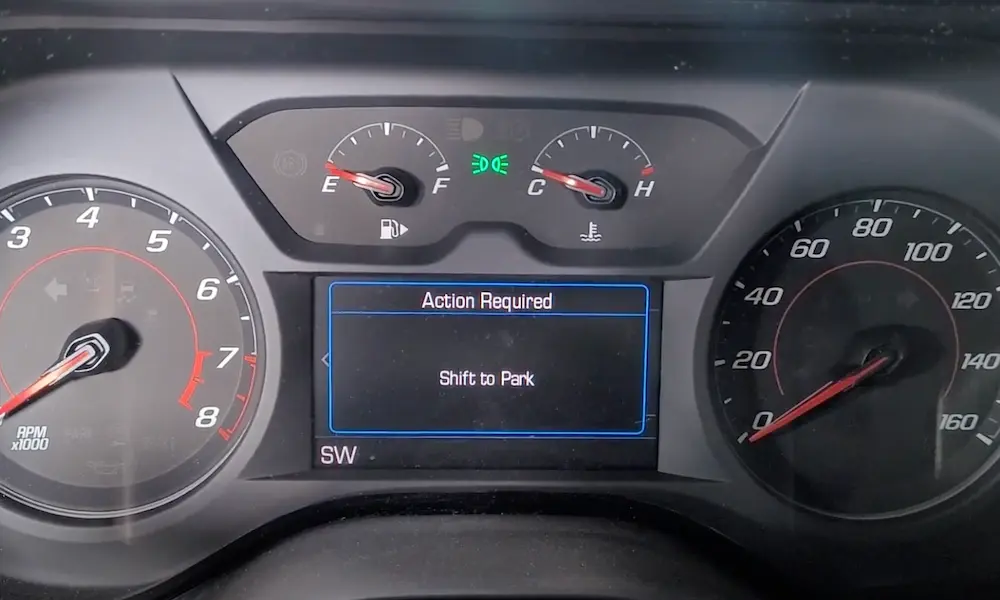
Not sure which side your fuel door is on? Here’s a handy tip: look at your dashboard’s fuel gauge. See that little arrow next to the gas pump icon? It points toward the side of your vehicle where the fuel door is located — in the Malibu’s case, to the right side.
Step-by-Step Guide to Opening Your Malibu’s Fuel Door
Follow these simple steps to open your Chevy Malibu’s fuel door:
- Make sure your car is unlocked — This is crucial as the fuel door stays locked when your vehicle is locked
- Park in a position that allows easy access to the passenger side
- Approach the fuel door on the right side of your vehicle
- Press firmly on the rear edge of the fuel door (the part closest to the back of the car)
- Release pressure and the door will pop open automatically
That’s it! No buttons, no levers, just a simple push-to-open mechanism.
Differences Between Malibu Model Years
The fuel door operation varies slightly depending on which model year Malibu you own:
2017 and Newer Models (Capless System)
Newer Malibus (2017 and later) feature a capless fuel system. Here’s what that means for you:
- Press the rear portion of the fuel door to open
- The door springs open automatically
- No gas cap to remove — just insert the fuel nozzle directly
- The system has internal flaps that open when the nozzle is inserted and close when removed
- This design prevents fuel vapors from escaping and reduces the chance of forgetting to replace your gas cap
2016 and Earlier Models (Traditional Gas Cap)
If you have a 2016 or earlier Malibu:
- Press the rear edge of the fuel door to open it
- After opening, you’ll need to unscrew the traditional gas cap by turning it counterclockwise
- Always remember to tighten the cap when you’re done to prevent fuel system warnings
Properly Closing Your Malibu’s Fuel Door
After refueling, closing the fuel door is straightforward:
- If you have an older model with a gas cap, make sure to replace and tighten it first
- Simply push the fuel door closed until you hear or feel it click
- The door should sit flush with the body of the car
- The door will automatically lock when you lock your vehicle
The mechanism is designed to close securely with minimal effort, preventing any accidental openings while driving.
Common Issues with Malibu Fuel Doors
Fuel Door Won’t Open
If you’re having trouble opening your fuel door, check these common causes:
- Vehicle is locked: The most frequent reason the fuel door won’t open is that your car is locked. Unlock your doors using your key fob or interior door locks.
- Pressing the wrong spot: Make sure you’re pressing firmly on the rear portion of the fuel door, not the center or front edge.
- Frozen mechanism: In cold weather, the door mechanism can sometimes freeze. Gently apply pressure to break any ice that might have formed.
- Damaged release mechanism: If the spring-loaded mechanism is damaged, the door might not pop open properly. In this case, you might need professional service.
Fuel Door Won’t Close or Stay Closed
If your fuel door won’t stay closed, consider these possible issues:
- Debris in the latch: Check for small stones or debris that might be preventing the door from latching properly.
- Damaged latch or hinge: The spring mechanism or hinge could be damaged, preventing proper closure.
- Misaligned door: If the door has been forced or damaged, it might not align properly with the body of the car.
According to the Chevy Malibu Forum, some owners have experienced issues with the fuel door release mechanism wearing out over time.
Differences Between Capless and Traditional Fuel Systems
| Feature | Capless System (2017+) | Traditional System (2016 and earlier) |
|---|---|---|
| Gas Cap | None needed | Must unscrew and replace cap |
| Refueling Steps | Open door, insert nozzle | Open door, remove cap, insert nozzle, replace cap |
| Emissions Control | Built-in flaps seal automatically | Relies on properly tightened gas cap |
| “Check Engine” Light Triggers | Rarely due to fuel system | Can trigger if gas cap is loose or missing |
| Maintenance Required | Generally maintenance-free | May need gas cap replacement eventually |
Maintenance Tips for Your Malibu’s Fuel Door
To keep your fuel door working properly:
- Keep it clean: Occasionally wipe down the area around the fuel door to prevent dirt buildup that could interfere with the mechanism.
- Use gentle pressure: Don’t force the door open or closed. The mechanism is designed to work with moderate pressure.
- Check for damage: Periodically inspect the fuel door for any signs of damage, especially after car washes or minor collisions.
- Address issues promptly: If you notice the door becoming harder to open or close, have it checked before it potentially fails completely.
The Evolution of Chevy Malibu Fuel Systems
Chevrolet has continually refined the Malibu’s fuel system over the years. Earlier generations featured interior release levers or buttons, while newer models moved to the push-to-open system.
The introduction of the capless fuel system in 2017 models represented a significant improvement, eliminating the need to handle a potentially dirty gas cap and reducing emissions by better sealing the fuel system.
Most owners appreciate the convenience of the capless system once they get used to it.
When Your Fuel Door Is on the “Wrong” Side
Some drivers who switch to a Malibu from another vehicle might feel that having the fuel door on the passenger side is inconvenient. This is actually by design across many GM vehicles.
Interestingly, there’s no industry standard for fuel door placement. Some manufacturers place the fuel door on the driver’s side for convenience, while others place it on the passenger side for safety reasons (keeping you away from traffic when refueling on the roadside).
Remember to use that handy fuel gauge arrow to remind yourself which side your fuel door is on!
The Convenience of Chevrolet’s Modern Fuel Door Design
While it might initially be confusing to search for a gas button that doesn’t exist, most Malibu owners come to appreciate the simplicity of the push-to-open system. There’s one less interior control to worry about, and the system is generally reliable and intuitive once you know how it works.
The capless system in newer models further streamlines the refueling process, making it quicker and cleaner while helping to maintain proper fuel system pressure and emissions control.
So next time you pull up to the pump in your Chevy Malibu, remember: no gas button needed — just push the fuel door itself and you’re ready to refuel!