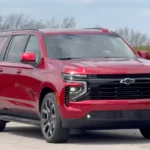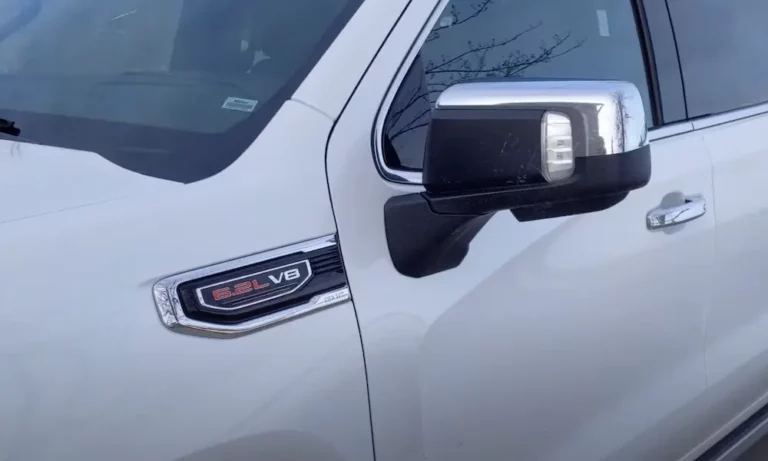
If you own a 2021–2024 GM truck or SUV with the 6.2L V8, this recall affects you directly. Engines are seizing at highway speeds, punching holes through their own blocks, and sometimes catching fire. The official fix is under federal scrutiny. Read this before your next drive.
What Is the GM 6.2L L87 Recall?
The GM 6.2L L87 recall (25V-274) covers nearly 600,000 vehicles in the United States built between March 2021 and May 2024. GM filed the official recall report with NHTSA on April 24, 2025, after years of internal investigations it quietly closed.
The short version: manufacturing defects inside the engine can cause total engine seizure while you’re driving. At highway speed. With no warning.
The affected vehicles include some of GM’s biggest sellers:
| Vehicle | Model Years | Estimated US Units |
|---|---|---|
| Chevrolet Silverado 1500 | 2021–2024 | 107,244 |
| Cadillac Escalade | 2021–2024 | 79,747 |
| Cadillac Escalade ESV | 2021–2024 | 46,280 |
| Chevrolet Tahoe | 2021–2024 | 44,802 |
| Chevrolet Suburban | 2021–2024 | 22,162 |
| GMC Sierra 1500 | 2021–2024 | Included in truck totals |
| GMC Yukon / Yukon XL | 2021–2024 | Included in SUV totals |
Why Did the L87 Engine Fail in the First Place?
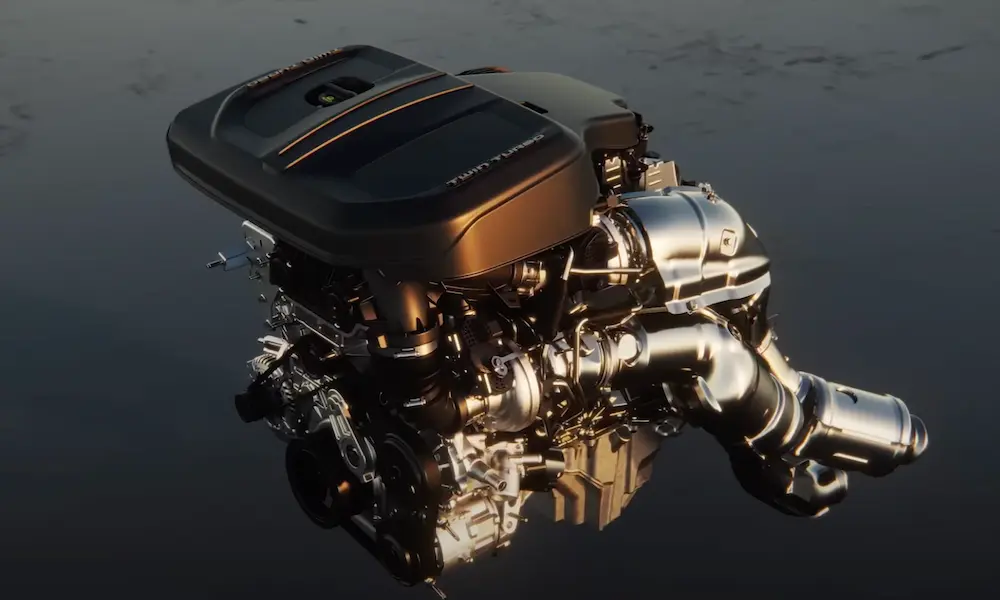
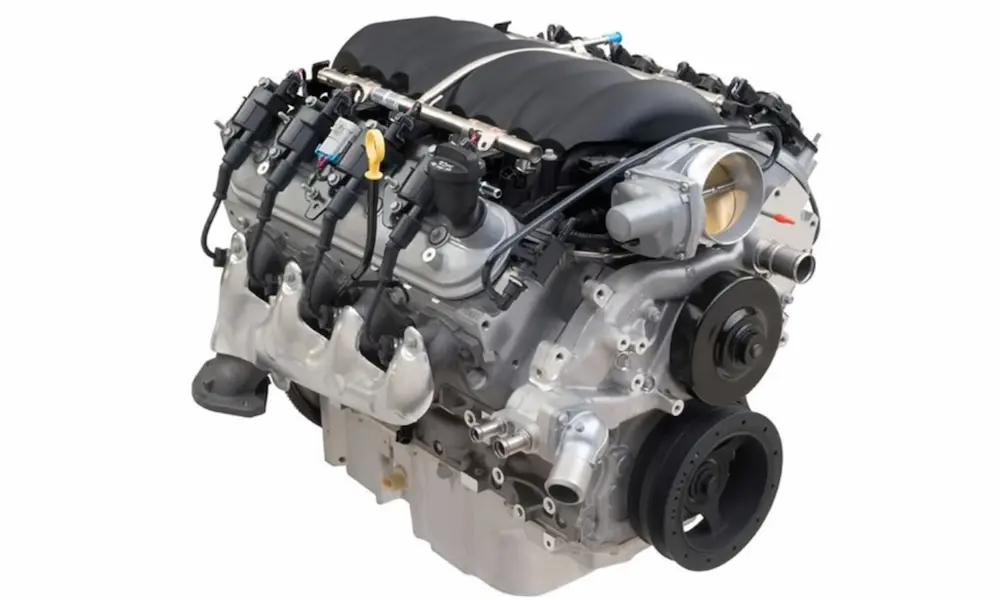
The L87 is a 420-horsepower, 6.2-liter aluminum V8 with an 11.5:1 compression ratio. It’s designed with razor-thin tolerances. That’s great for performance — but it means any manufacturing slip-up hits hard.
Two specific defects caused the failures.
Metallic Sediment in the Oil Galleries
During block and crankshaft machining, tiny metal particles — technicians call it “machining glitter” — got trapped inside the oil passages. Once the engine starts, oil pressure pushes that debris straight into the bearing surfaces.
The gap between the connecting rod bearings and the crankshaft journals is measured in thousandths of an inch. Even a microscopic particle disrupts the oil film. Metal touches metal. Heat spikes. The bearing material wears away fast.
Eventually, the bearing seizes to the crankshaft. The connecting rod can’t move. The engine’s rotational force snaps it. That fractured rod then punches straight through the aluminum block — a failure techs call “windowing.” Engine oil pours out, hits the exhaust, and fires start.
Out-of-Spec Crankshaft Machining
The second defect involves the crankshaft itself. GM confirmed that crankshafts produced between 2021 and 2024 were machined outside dimensional tolerances. The surface finish on the bearing journals — how smooth they are at a microscopic level — was also wrong.
A rough journal surface acts like sandpaper on the soft bearing shells. Combined with the sediment contamination, these two defects feed each other. The engine’s bottom end simply can’t survive. Reports confirm engines failing with as few as four miles on the odometer.
How GM and NHTSA Got Here: The Recall Timeline
GM didn’t act quickly. The company opened and closed three separate internal investigations before NHTSA stepped in.
| Event | Date |
|---|---|
| GM closes internal probe #1 | February 2022 |
| GM closes internal probe #2 | June 2023 |
| GM closes internal probe #3 | July 2024 |
| NHTSA opens federal investigation (PE25001) | January 16, 2025 |
| GM re-opens internal investigation | January 16, 2025 |
| Official recall filed with NHTSA | April 24, 2025 |
| Stop-sale orders issued to dealers | April 24, 2025 |
| Owner notification letters mailed | June 9, 2025 |
By early 2025, GM had analyzed 28,102 field complaints. More than 14,000 of them described a sudden loss of propulsion while driving. That’s what finally forced the automaker’s hand.
What the Recall Fix Actually Does — and What It Doesn’t
This is where things get controversial. The remedy depends on what the dealership finds when they inspect your engine.
If Your Engine Is Already Failing
Technicians look for Diagnostic Trouble Code P0016 — a crankshaft-to-camshaft correlation error that signals the bearings have worn enough to shift the crank. Audible knocking or metal particles in the oil filter also trigger this path.
If any of these appear, GM authorizes a full engine replacement. The problem? Replacement engines are backordered for weeks or months, leaving vehicles parked at dealerships indefinitely.
If Your Engine “Passes” the Inspection
Here’s the fix that’s drawing the most criticism. If your engine shows no fault codes and no audible distress, there’s no mechanical repair. Instead:
- The original 0W-20 oil gets drained and replaced with 0W-40 synthetic
- A new oil filler cap, labeled for 0W-40, gets installed
- A printed insert goes into your owner’s manual noting the permanent change
The engineering logic makes sense on paper. Thicker oil builds a stronger film between moving parts, which may compensate for minor machining flaws by keeping surfaces separated better. What it doesn’t do is flush the metal debris out of the oil galleries. The sediment stays in the engine.
The Federal Investigation That’s Still Open
The bigger story for L87 owners right now isn’t the 2025 recall — it’s what happened after.
On January 16, 2026, NHTSA’s Office of Defects Investigation launched RQ26001, a formal inquiry into whether the recall remedy actually works. Thirty-six vehicle owner reports documented engines failing after the recall fix was performed. Two patterns emerged:
- Post-oil-change failures — Engines that passed inspection and got the 0W-40 treatment then suffered catastrophic bearing failure within a few thousand miles
- Replacement engine failures — Brand-new engines installed under the recall failed shortly after startup
If NHTSA concludes the oil fix is inadequate, GM could be forced to replace engines in all 600,000 affected vehicles — a far more expensive outcome than the current two-path remedy.
Technicians in the field are already skeptical. Reddit’s r/Justrolledintotheshop documented an L87 that spun all eight rod bearings after the recall fix. The post went viral for good reason.
Other L87 Problems You Should Know About
The bearing recall isn’t the only issue plaguing the L87. Three other known failure modes complicate the picture.
Valvetrain Lifter Collapse
The L87’s Dynamic Fuel Management system uses specialized switching lifters that deactivate cylinders on the fly. These lifters have intricate internal pins that are sensitive to oil pressure and quality. When one fails, it collapses and stays deactivated — causing misfires, rough idle, and power loss. In worst-case scenarios, a seized lifter roller destroys the camshaft lobes, triggering a full engine teardown. GM has issued technical service bulletins including 19-NA-218 to help diagnose these failures.
Oil Pump Relief Valve Failures
The L87 uses a variable two-stage oil pump. If the pressure relief valve jams open — often because debris holds it there — the pump can’t maintain pressure at idle. You’ll see a Low Oil Pressure warning and the engine starves. Technicians check oil pressure manually; anything below 20 psi at idle means the pump needs inspection and replacement.
Oversized Lifter Bores (CSP N232413430)
This is a separate manufacturing defect. In some L87 blocks, the holes where the lifters sit were machined too large. This causes internal oil leaks and prevents the valvetrain from holding pressure. The remedy under Customer Satisfaction Program N232413430 — active until May 31, 2026 — is a complete engine replacement.
Legal Action and What Owners Can Do
The lawsuits are piling up. McNamara et al. v. General Motors LLC argues that the 0W-40 fix increases engine drag and cuts fuel economy — a hidden ongoing cost for every truck owner who “passes” the recall inspection. Other suits focus on the tanked resale values of vehicles like the Cadillac Escalade, where buyers paid luxury prices for an engine GM knew was defective.
Here’s what your options look like right now:
- Check your VIN at NHTSA’s recall database to confirm your vehicle is included
- Watch for P0016 — that fault code is your early warning sign of bearing wear
- Inspect your oil filter — metal particles in the filter media mean your bearings are already shedding material
- Track repair attempts and days out of service — most state Lemon Laws kick in after a defect can’t be fixed in a reasonable number of attempts or after 30+ days in the shop
- Know your extended warranty — GM’s Special Coverage Bulletin N252494003 extends the L87 powertrain warranty to 10 years or 150,000 miles, which covers repair costs but doesn’t compensate you for downtime or stress
If your vehicle has already had the oil-change fix and you’re still hearing knocking, don’t wait. Lemon law attorneys who specialize in GM cases are actively taking L87 clients, and the ongoing federal investigation strengthens the case that the current remedy isn’t sufficient.
The GM 6.2L L87 recall is still evolving. NHTSA’s RQ26001 investigation could rewrite the entire remediation strategy — and if it does, every affected owner’s options change too. Stay current, document everything, and don’t assume a “pass” at the dealership means your engine is safe.