Stuck with a cold RV and a furnace that won’t cooperate? You’re facing one of the most frustrating aspects of RV ownership. When temperatures drop and your Suburban furnace decides to quit, your cozy adventure can quickly turn uncomfortable. The good news? Many furnace issues can be diagnosed and even fixed without expensive service calls.
How Suburban RV Furnaces Work
Your Suburban furnace operates using a combination of propane gas and 12-volt DC power from your RV’s battery system. Understanding this dual power requirement is crucial for troubleshooting.
Here’s what happens when you crank up the heat:
- Your thermostat sends a 12-volt signal to the furnace control board
- The blower motor activates, creating airflow
- This airflow triggers the sail switch (a key safety component)
- After about 30 seconds, the gas valve opens
- The igniter creates a spark, lighting the burner
Each component plays a vital role, and failure at any point breaks the sequence. Let’s explore what can go wrong.
1. Furnace Completely Dead? Check Power Issues
When your furnace shows absolutely no signs of life, the problem is almost certainly electrical. Before panicking about major repairs, check these common culprits:
- Battery voltage: Your furnace needs 12-14 volts to function properly. If your RV batteries are depleted below 12 volts, the furnace control board may not activate at all.
- Blown fuses: Locate your furnace fuse (typically 15-20 amps) in your RV’s electrical panel. A blown fuse is an easy and inexpensive fix.
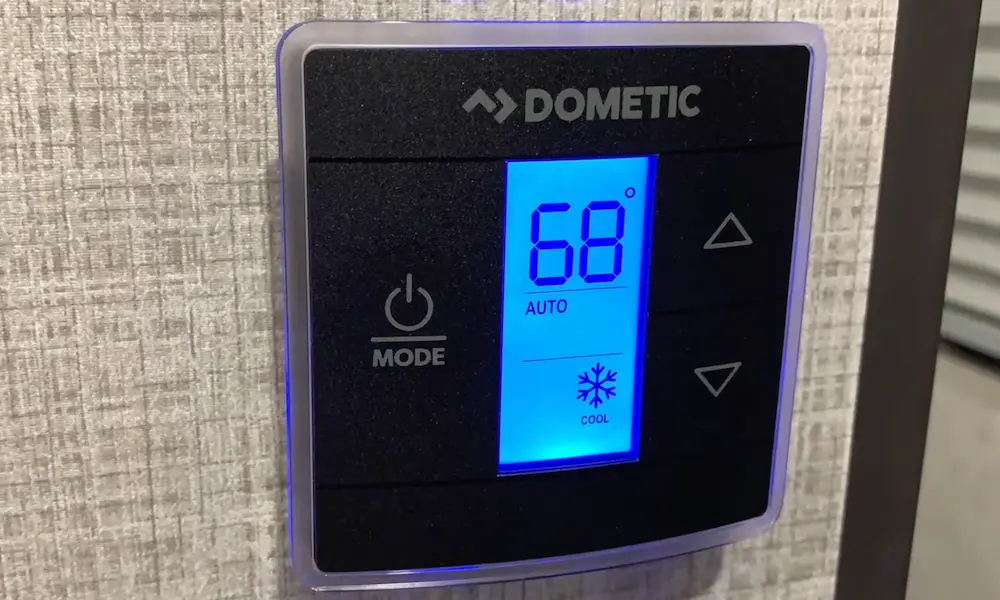
- Thermostat issues: Ensure your thermostat is set to “heat” and the temperature setting exceeds the current room temperature. Also check for loose connections.
Quick Fix: Check battery voltage with a multimeter and inspect fuses first. These simple checks solve nearly 40% of “dead furnace” issues without requiring component replacement.
2. Blower Runs But No Heat? Sail Switch Problems
Hearing your furnace fan but getting no heat points to a classic problem: the sail switch isn’t activating. This small but crucial safety device prevents gas flow if proper airflow isn’t detected.
Common causes include:
- Dust and debris clogging the sail switch mechanism
- Pet hair accumulation (especially common in pet-friendly RVs)
- Physical damage to the sail switch paddle
DIY Solution: Locate your furnace’s sail switch (typically a small rectangular device with a metal paddle near the blower) and carefully clean any dust or debris. In many cases, this restores proper function without replacement.
3. Furnace Runs Briefly Then Shuts Down
Few things are more frustrating than hearing your furnace ignite, feeling a brief burst of heat, then having everything shut down after 30 seconds. This behavior typically indicates a safety shutdown sequence.
The main culprits are:
- Dirty air filters restricting airflow, causing overheating
- Tripped limit switch due to excessive internal temperatures
- Sail switch interruption after initial activation
Prevention Tip: Replace air filters monthly during heavy use to prevent most premature shutdown issues. This simple maintenance prevents restricted airflow that triggers safety shutoffs.
4. Furnace Won’t Ignite Properly
When your furnace attempts to light but fails to establish a flame, several ignition components could be at fault:
- Dirty burner orifices blocking proper gas flow
- Incorrect electrode gaps preventing successful sparking
- Low gas pressure from propane system issues
- Faulty flame sensors unable to detect successful ignition
After multiple failed attempts, the furnace enters “lockout mode” as a safety feature to prevent gas accumulation. Most models require turning the thermostat off for 5 minutes to reset.
5. Strange Noises During Operation
Unusual sounds during furnace operation often signal developing problems:
| Sound | Likely Cause | Severity |
|---|---|---|
| Rumbling | Delayed ignition/dirty burner | Moderate – clean burner |
| High-pitched whine | Blower motor bearings failing | High – motor replacement needed |
| Rattling | Loose panels or components | Low – tighten fasteners |
| Clicking without ignition | Faulty igniter or gas valve | High – component testing needed |
Pay close attention to new or changing sounds, as they often provide early warning of issues before complete failure occurs.
6. Weak or Insufficient Heat Output
If your furnace runs but doesn’t adequately heat your RV, several factors may be responsible:
- Partially blocked air ducts limiting warm air distribution
- Damaged or disconnected ducting behind walls or under flooring
- Improper thermostat placement (near drafts or heat sources)
- Burner operating at reduced capacity due to pressure or orifice issues
Check accessible ductwork for obstructions and ensure return air paths remain unblocked by furniture or stored items.
7. Gas Valve Problems
The gas valve controls propane flow to your furnace burner. Problems here can cause complete heating failure or irregular operation:
- Sticky or corroded valves may not open fully
- Solenoid failure prevents electrical activation
- Incorrect gas pressure from regulator issues
Gas valve problems typically require professional diagnosis, as they involve both gas and electrical systems. However, you can check for proper voltage at the valve as a preliminary test.
8. Circuit Board Failures
The electronic control board serves as your furnace’s brain, coordinating all operational sequences. These components can fail due to:
- Power surges from electrical system fluctuations
- Moisture damage from condensation or leaks
- Age-related component deterioration
- Overheating from restricted airflow
Circuit boards typically cost $150-300 to replace. While technically possible as a DIY project, proper installation requires electrical system knowledge and careful handling of sensitive components.
9. Blower Motor Issues
Your furnace blower circulates heated air throughout your RV and provides crucial airflow across the heat exchanger. Problems include:
- Worn bearings causing noise and eventual seizure
- Electrical connection issues causing intermittent operation
- Failed capacitors preventing motor startup
- Dust accumulation increasing resistance and heat
Listen for changes in blower sound that might indicate developing problems. Properly functioning blowers produce consistent airflow without grinding or squealing noises.
10. Thermostat Communication Problems
Modern RV thermostats communicate electronically with your furnace’s control systems. When this communication breaks down, symptoms include:
- Furnace ignoring temperature settings
- Erratic cycling on and off
- Complete non-response to thermostat adjustments
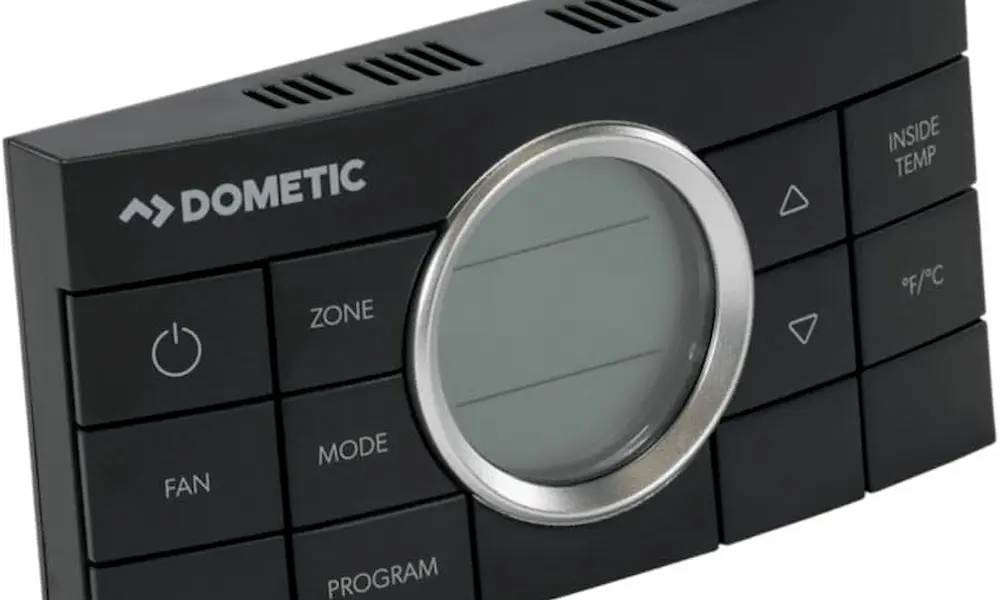
Troubleshooting Tip: Some Furrion thermostats require a double reset procedure to clear lockout conditions. Try cycling power off and on twice to restore normal communication.
11. Carbon Monoxide Concerns
Perhaps the most serious potential problem involves incomplete combustion leading to carbon monoxide production. Signs include:
- Yellow or orange burner flames (instead of blue)
- Sooty deposits around exterior vents
- Carbon monoxide detector activation
- Unusual odors during furnace operation
SAFETY WARNING: If you detect any of these warning signs, immediately shut down your furnace, ventilate your RV, and seek professional service. Carbon monoxide is odorless, colorless, and potentially lethal.
12. Preventative Maintenance Schedule
Implement this maintenance schedule to prevent many common furnace problems:
| Frequency | Maintenance Task | Difficulty |
|---|---|---|
| Monthly | Replace air filters | Easy |
| Monthly | Inspect exterior vents for obstructions | Easy |
| Twice Yearly | Clean sail switch area | Moderate |
| Twice Yearly | Vacuum furnace compartment | Easy |
| Annually | Professional inspection of gas connections | Professional |
| Pre-Season | Test furnace operation before cold-weather trips | Easy |
This proactive approach identifies potential issues before they strand you in cold weather and extends your furnace’s operational lifespan.
DIY vs. Professional Repairs
While many furnace issues can be addressed by knowledgeable RV owners, certain situations demand professional intervention:
DIY-Friendly Repairs:
- Fuse replacement ($5-15)
- Sail switch cleaning ($0) or replacement ($15-50)
- Air filter changes ($10-25)
- Thermostat reset procedures
- Basic electrical testing
Professional Service Required:
- Any gas system work
- Circuit board replacement
- Heat exchanger problems
- Persistent safety shutdowns
- Carbon monoxide concerns
Professional diagnosis typically costs $100-200 but prevents potentially dangerous mistakes when dealing with propane systems.
Essential Tools for Furnace Troubleshooting
Keep these items handy for effective furnace diagnosis:
- Digital multimeter for voltage testing
- Screwdriver set (both Phillips and flathead)
- Adjustable wrench
- Compressed air for dust removal
- Vacuum with brush attachment
- Replacement fuses
- RV-specific air filters
These basic tools allow you to perform most preliminary checks and many simple repairs without specialized equipment.
Understanding Your Furnace’s Propane Requirements
Many furnace problems stem from propane system issues rather than the furnace itself. Consider these propane-specific factors:
- Temperature effects: Propane doesn’t vaporize well below 32°F, reducing pressure in extremely cold conditions
- Tank level: Pressure drops significantly when tanks fall below 15% capacity
- Regulator problems: Worn or damaged regulators deliver inconsistent pressure
- Shared appliance load: Running multiple propane appliances simultaneously can reduce available pressure
When troubleshooting, always verify your propane system is functioning properly before assuming furnace component failure.
Complete System Reset Procedure
When facing persistent electronic issues, try this comprehensive reset procedure:
- Turn off the thermostat
- Locate your RV’s 12-volt power disconnect or remove the furnace fuse
- Wait 5 minutes for capacitors to fully discharge
- Restore power to the system
- Set thermostat to lowest setting, then gradually increase
This process often resolves electronic glitches by forcing the control board to reinitialize all operational parameters.
With proper understanding of your Suburban furnace’s operation and these troubleshooting techniques, you can resolve many common problems independently. Remember to prioritize safety, especially when dealing with propane systems, and don’t hesitate to seek professional assistance for complex repairs. Regular maintenance remains your best defense against unexpected furnace failures during your RV adventures.