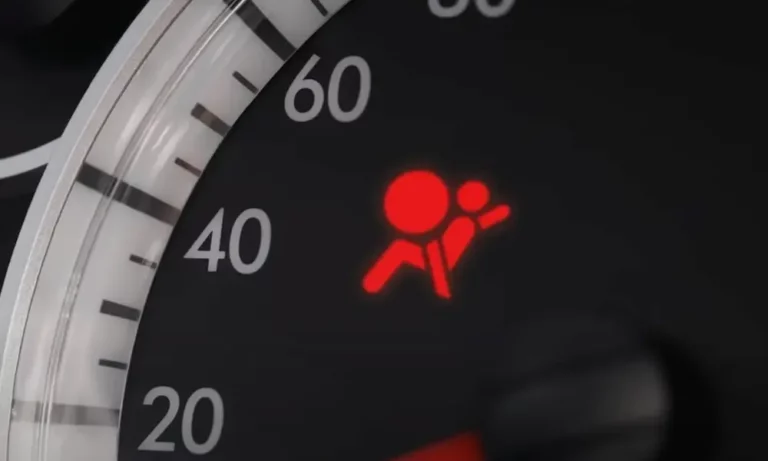
Is your Toyota dashboard showing that intimidating airbag warning light? You’re not driving around with a ticking time bomb, but you definitely shouldn’t ignore it either. When that light comes on, it’s your car telling you something’s wrong with the Supplemental Restraint System (SRS) – the technology designed to protect you in a crash.
Let’s break down what this warning means, why it happens, and what steps you need to take to keep yourself safe on the road.
What Does the Toyota Airbag Warning Light Look Like?
When your Toyota’s airbag system detects a problem, you’ll see a warning indicator on your dashboard that typically shows:
- A person sitting with an inflated airbag in front of them
- The word “AIRBAG” lit up
- The letters “SRS” (Supplemental Restraint System)
This isn’t just a minor dashboard decoration. When illuminated, your car is telling you there’s a fault in the system that could prevent your airbags from deploying correctly during an accident.
Is It Safe to Drive With the Airbag Light On?
In a word: no. When your Toyota’s airbag light is on, your vehicle’s safety systems aren’t functioning as designed. Research from the National Highway Traffic Safety Administration shows that properly functioning airbags reduce driver fatalities by 29% and passenger fatalities by 32%.
Driving with this light on means:
- Your airbags might not deploy in a collision
- The entire SRS system could be compromised
- You’re putting yourself and passengers at significantly higher risk of injury
- Your vehicle will likely fail state inspections
While it’s not technically illegal to drive with the light on, it’s definitely not wise. The system is designed to save lives, and when that light is illuminated, this critical safety feature may be completely disabled.
Common Causes of Toyota Airbag Light Issues
1. Clock Spring Failure
The most frequent culprit in Toyota vehicles is a faulty clock spring (also called spiral cable). This component maintains electrical connections between the steering wheel and the airbag system while allowing the steering wheel to turn.
Signs of clock spring issues include:
- Non-functioning horn
- Steering wheel controls that don’t work
- Airbag light illumination
2. Sensor Malfunctions
Your Toyota has multiple airbag sensors throughout the vehicle that detect impacts and communicate with the airbag control module. When these sensors fail, they can trigger the warning light.
Common sensor issues include:
- Impact sensors damaged from minor accidents
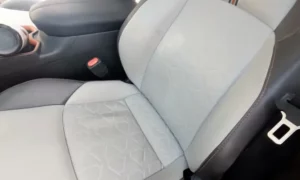
- Seat occupancy sensors failing (especially under front seats)
- Water damage to sensor connections
- Disconnected sensor wiring
3. Electrical Connection Problems
The airbag system includes numerous electrical connections that can develop issues over time. Loose or corroded wiring, particularly under the front seats where many components are located, frequently cause airbag warnings.
These connection issues are often overlooked but can be relatively simple fixes if caught early.
4. Battery-Related Problems
After your Toyota’s main battery has been completely drained or disconnected, the SRS backup battery can trigger the airbag light. Sometimes this resolves once the main battery is fully recharged, but not always.
5. Water Damage
The airbag control module is typically located under one of the front seats. Water damage to this module or its connections can cause corrosion and malfunction, especially after flooding or significant liquid spills inside the vehicle.
6. Seatbelt System Issues
Modern Toyota airbag systems are integrated with the seatbelt system. Faulty seatbelt sensors, buckles, or pretensioners can activate the airbag light since these components are part of the SRS system.
How to Diagnose Airbag Light Problems
When that airbag light comes on, proper diagnosis is critical. Here’s the process:
Professional Diagnosis
The most reliable approach is having a qualified technician diagnose the issue using:
- OBD-II Scanning: Specialized diagnostic tools read fault codes specifically from the airbag control module. Standard code readers often can’t access SRS codes.
- Physical Inspection: Technicians will check connections, wiring, and components for visible damage or corrosion.
- Component Testing: Testing individual sensors and modules to identify the exact failure point.
DIY Preliminary Checks
While professional diagnosis is recommended, you can perform some basic checks:
- Visual Inspection: Look under the front seats for disconnected wires or water damage.
- Check Recent Battery Issues: If you recently had a dead battery or jump start, this could be related.
- Recall Check: Some Toyota models have had airbag-related recalls. Check if your vehicle is affected by entering your VIN at the NHTSA website.
Toyota Airbag System Repair Costs
Repair costs vary significantly depending on the specific issue:
| Repair Type | Typical Cost Range | Notes |
|---|---|---|
| Diagnostic fees | $50-$200 | Essential first step |
| System reset after repair | $50-$150 | Only after fixing the underlying problem |
| Sensor replacement | $200-$600 | Varies by sensor type and location |
| Clock spring replacement | $250-$600 | Including parts and labor |
| Airbag module reset | $50-$300 | Required after deployment or certain repairs |
| Control module replacement | $400-$1,200+ | Plus labor costs |
| Full airbag replacement | $1,000-$1,500+ | Per airbag, if deployed |
Keep in mind that these are average costs and can vary based on your Toyota model, year, and location. Dealerships typically charge more than independent shops, though they may have more specialized experience with Toyota airbag systems.
Reset Procedures: What You Need to Know
Here’s something critical: never attempt to reset the airbag light without first addressing the underlying problem. Simply clearing codes without fixing the root cause is both dangerous and ultimately ineffective.
After proper repairs, there are several reset methods:
- Professional Reset: The safest option is having a technician use specialized equipment to reset the system after repairs.
- Battery Disconnect Method: For some minor issues, disconnecting the battery for 10-15 minutes may reset the light after repairs (not always effective).
- Model-Specific Methods: Older Toyota models sometimes have manual reset procedures using diagnostic port jumpers, but these should only be performed after proper diagnosis and repair.
Remember: The goal isn’t just to turn off the light – it’s to restore your airbag system to proper working order.
What You Should Do When the Airbag Light Comes On
- Don’t Panic, But Take It Seriously
The light doesn’t mean your airbags will randomly deploy, but it does indicate they might not work in a crash. - Schedule a Diagnosis ASAP
Professional diagnosis is essential. Don’t delay this step – your safety depends on it. - Consider Limited Driving
If possible, minimize driving until the issue is resolved. If you must drive, be extra cautious and ensure all passengers wear seatbelts. - Check for Recalls
Some Toyota models have had airbag-related recalls. Check the NHTSA database using your VIN. - Use Qualified Technicians
Airbag work requires specialized knowledge and safety precautions. This isn’t the time for DIY repairs or using unqualified mechanics.
Toyota Airbag Light Problems by Model
Different Toyota models often experience unique airbag system issues:
Toyota Camry
Common issues include seat occupancy sensor failures and clock spring problems. The 2012-2017 models in particular have had SRS module issues.
Toyota Corolla
Frequently experiences wiring issues under the seats and faulty occupant detection sensors. Clock springs typically last longer in Corollas than some other models.
Toyota RAV4
Often develops issues with the passenger airbag indicator and seat weight sensors. Some owners report intermittent light activation.
Toyota Tacoma/Tundra
More prone to clock spring failures due to off-road use. Some owners report that the light can come on after driving on rough terrain.
Toyota Sienna
Frequently experiences issues with the sliding door airbag sensors and connection points.
Six Expert Tips for Toyota Airbag Light Issues
- Document When the Light First Appeared
Note any coinciding events (battery issues, accidents, water exposure) to help with diagnosis. - Don’t Clear Codes Without Repairs
Repeatedly clearing codes without fixing the underlying issue can damage the SRS system. - Consider Long-Term Value
Proper repairs maintain your Toyota’s value and safety. Ignoring the problem leads to bigger issues. - Ask About Warranty Coverage
Some SRS components may be covered under extended warranties or safety recalls. - Get a Second Opinion for Major Repairs
If quoted a high repair cost, consider having another qualified technician evaluate the issue. - Look for Specialized Toyota Technicians
Mechanics with Toyota-specific experience often diagnose SRS issues more accurately.
Preventative Maintenance for Airbag Systems
While airbag systems are generally maintenance-free, you can take steps to prevent issues:
- Keep the Underside of Seats Dry
Avoid spilling liquids and check for water leaks that could damage sensors. - Be Careful When Cleaning
Don’t spray cleaning products directly onto dashboard components or under seats. - Proper Jump Starting
Follow correct procedures when jump-starting to prevent electrical system damage. - Avoid DIY Electrical Work
Mistakes in other electrical systems can affect the airbag system. - Respond to Early Warning Signs
If the light flickers intermittently, don’t wait for it to stay on permanently before addressing it.
When it comes to your Toyota’s airbag system, prompt attention to warning lights isn’t just about avoiding repair bills – it’s about ensuring your safety system works when you need it most. Don’t ignore that warning light, and don’t settle for temporary fixes that mask the problem without solving it.
Your Toyota’s airbags are a vital safety feature, and keeping them in proper working order should be a top priority for any responsible owner. The small investment in proper diagnosis and repair could literally save your life.