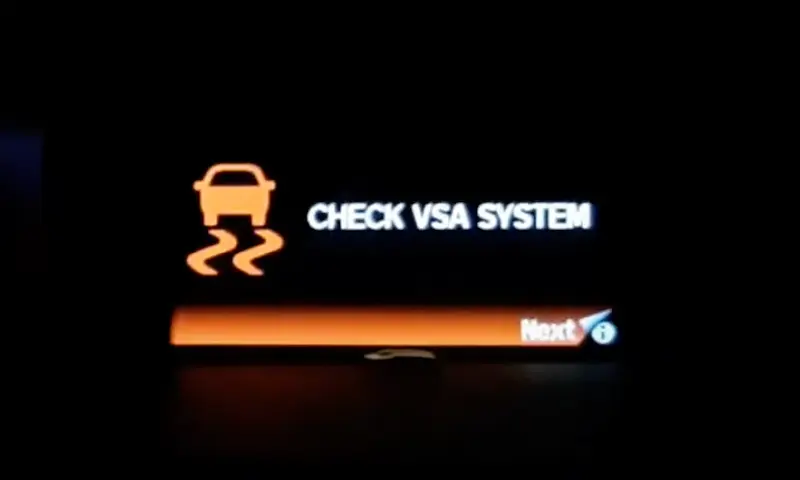
Is your Honda Civic’s airbag light glowing on your dashboard? That little illuminated icon isn’t just an annoyance – it’s your car’s way of telling you something’s wrong with the safety system that could protect you in a crash. Understanding why this light is on and what to do about it could literally save your life in an accident.
Let’s dive into what causes this warning light, how to diagnose the problem, what repairs might cost, and when you absolutely need a professional mechanic’s help.
Why Your Honda Civic’s Airbag Light Is On
When that SRS (Supplemental Restraint System) light illuminates on your dashboard, it’s signaling a problem with your airbag system. Your Honda’s computer has detected an issue somewhere in the network of sensors, wiring, or components that make up the airbag system.
The most common causes include:
1. Faulty Seat Belt Buckle Sensors
The number one culprit behind airbag light issues in Honda Civics is a problematic seat belt buckle sensor, especially on the driver’s side. These sensors tell your car’s computer whether your seat belt is buckled. When they fail, your airbag system goes into fault mode.
Over time, the electrical switches inside the buckle can wear out or get contaminated with debris, causing the SRS light to come on or flicker intermittently. This is particularly common in older Civic models where these components have had years to deteriorate.
2. Clock Spring Failure
The clock spring is a spiral-wound electrical connection that maintains contact between your steering wheel (with its airbag and controls) and the rest of your car’s electrical system. When it fails, you’ll often notice:
- The airbag light stays on
- Your horn doesn’t work
- Steering wheel controls (like audio or cruise) function intermittently
Clock springs typically fail due to normal wear and tear or excessive steering wheel rotation.
3. Occupant Detection Sensor Problems
Your Civic has weight sensors in the passenger seat that determine whether someone is sitting there and whether they’re heavy enough to safely deploy the airbag. This system, known as the Occupant Position Detection System (OPDS), can trigger the airbag light when:
- Wiring under the seat is damaged
- Sensors are exposed to moisture or spills
- The sensor mat inside the seat cushion fails
These sensors are particularly sensitive in newer Honda models with advanced airbag systems.
4. Accident-Related Issues
Even minor accidents that don’t deploy your airbags can trigger the SRS light. Your Honda’s crash sensors might detect an impact that the car’s computer records as a potential collision. This data gets stored in the airbag control module and often requires professional resetting.
5. Wiring and Connection Problems
The airbag system includes a complex network of wires and connectors running throughout your vehicle. Common issues include:
- Loose connections under the seats
- Damaged wires from seat adjustments
- Corrosion on connectors from water exposure
- Pinched wires from interior repairs
Even something as simple as disconnecting your battery can sometimes trigger the SRS light in sensitive Honda systems.
The Takata Airbag Recall: A Critical Safety Concern
If you own a Honda Civic manufactured between 2001-2016, pay extra attention to this section. Your vehicle might be part of the largest automotive recall in history.
Potentially Deadly Defect
Many Honda Civics from this period contain Takata airbags with defective inflators that deteriorate over time. In a crash, these can explode with excessive force, sending metal fragments into the cabin.
The most dangerous are the “Alpha” inflators found in 2001-2002 Honda Civics, which have a shocking 50% failure rate. These vehicles are so dangerous that Honda has issued “Do Not Drive” warnings for them.
Free Repair Available
The good news: Honda will replace these defective airbags for free. This includes:
- Free airbag replacement
- Free towing to the dealership
- Potentially a free loaner car during repairs
To check if your Honda is affected, visit Honda’s recall information page or contact your local dealership with your VIN number.
Diagnosing Your Honda Civic’s Airbag Light
When that SRS light comes on, you’ll need to determine the exact cause before repairs can begin. Here’s how diagnostics typically work:
Professional Diagnostic Process
A qualified mechanic or Honda dealership will:
- Connect a specialized OBD scanner that can read SRS codes (regular code readers typically can’t access airbag systems)
- Retrieve the specific fault codes from your airbag control module
- Inspect the identified components for damage
- Test the system’s electrical connections
- Provide a repair recommendation based on their findings
Diagnostic Costs
Expect to pay between $50-$195 for a professional airbag system diagnosis. This fee often includes:
- SRS code retrieval and interpretation
- Basic visual inspection
- Component testing
- Written estimate for repairs
Many shops will apply this diagnostic fee toward any repairs if you have the work done with them.
How Much Will Repairs Cost?
Repair costs vary widely depending on the specific issue with your Honda’s airbag system. Here’s a breakdown of common repairs and their typical costs:
| Repair Type | Parts Cost | Labor Cost | Total Range |
|---|---|---|---|
| System Reset Only | $0-50 | $50-150 | $50-150 |
| Seat Belt Buckle Sensor | $70-350 | $130-250 | $200-600 |
| Clock Spring Replacement | $297 avg | $122-179 | $419-476 |
| Occupant Sensor | $100-350 | $150-300 | $250-650 |
| Full Airbag Replacement | $500-900 each | $300-600 | $800-1,500+ |
Keep in mind that these are average ranges, and costs can vary based on:
- Your specific Honda Civic model and year
- Your geographic location
- Whether you use dealer or independent repair shops
- If you choose OEM or aftermarket parts (when available)
Can You Reset the Airbag Light Yourself?
Some Honda owners attempt to reset their airbag lights themselves. While this is possible in some situations, proceed with extreme caution.
The Paperclip Reset Method
This DIY approach has worked for some Honda Civic owners:
- Turn off the ignition and disconnect the negative battery terminal
- Locate the yellow Memory Erase Signal (MES) connector under the driver’s side dashboard
- Insert a paperclip or small wire to bridge the connection in the connector
- Reconnect the battery, turn the ignition to ON (not start)
- Watch for the SRS light to blink a specific pattern, then turn off
- Remove the paperclip and restart your vehicle
Important Safety Warnings
This method only works if there’s no actual system fault causing the light. If a real problem exists, the light will simply return after the reset. More importantly:
- Never attempt this on vehicles involved in accidents
- Don’t try this on vehicles with active Takata recalls
- This won’t fix actual physical or electrical problems
- You could potentially disable your airbag system completely
The potential risk to your safety is significant if done incorrectly. When in doubt, professional diagnosis is always the safer choice.
Is It Safe to Drive With the Airbag Light On?
When your Honda Civic’s airbag light illuminates, you have an important safety decision to make.
The Real Risks
Driving with the SRS light on means:
- Your airbags may not deploy properly in an accident
- Airbags could deploy unexpectedly while driving
- You have no way of knowing which specific component is failing
- Your vehicle technically isn’t in compliance with safety regulations
If your vehicle has an unaddressed Takata airbag recall, the risk is even more severe – these defective inflators can cause serious injury or death.
Short-Term Driving Considerations
If you absolutely must drive with the light on temporarily:
- Wear your seatbelt without exception
- Keep your distance from the steering wheel (10+ inches if possible)
- Drive defensively and avoid high-speed roads
- Get the issue diagnosed as soon as possible
Taking Action: Next Steps for Honda Civic Owners
If your Honda Civic’s airbag light is on, here’s what you should do:
- Check if your vehicle has an open Takata airbag recall by entering your VIN on Honda’s website or the NHTSA site
- For 2001-2002 models specifically, contact Honda immediately about the “Alpha” inflator risk – these vehicles should not be driven until repaired
- Schedule a diagnostic appointment with a qualified Honda specialist or dealership
- Have a professional diagnose the specific issue before attempting any repairs
- Consider the severity of the problem when deciding repair timing – some issues (like Takata recalls or complete system failures) need immediate attention, while minor sensor issues might be addressable short-term
Remember that airbag systems are complex safety components. When in doubt, professional assistance is always the safest course of action.
Common Honda Civic Airbag System Problems by Model Year
Different Honda Civic generations tend to experience specific airbag system issues:
2001-2005 Civics
- Highly susceptible to Takata airbag recalls
- Seat belt buckle sensor failures very common
- Clock spring failures increasingly reported with age
- SRS module corrosion issues from water intrusion
2006-2011 Civics
- Passenger seat occupant detection sensors frequently fail
- Wiring issues under seats common after several years
- Side impact sensor connection problems reported
- Takata recall affects many of these vehicles
2012-2015 Civics
- Clock spring failures more prominent
- Passenger occupant detection system calibration issues
- Seat belt tensioner communication problems
- Some models affected by Takata recall
2016-Present Civics
- More sophisticated systems with additional sensors
- Electrical connector issues more common than mechanical failures
- Side curtain airbag sensor communication problems
- Fewer Takata-related recalls but still check your VIN
Remember – your airbag system is a literal lifesaver in an accident. Treating airbag warning lights with the seriousness they deserve isn’t just about avoiding repair costs – it’s about protecting yourself and your passengers.