Got oil spots on your driveway? Don’t panic. Toyota Camry oil leaks are more common than you’d think, but they’re totally fixable. We’ll walk you through everything you need to know to identify, understand, and tackle that pesky leak before it becomes a wallet-draining nightmare.
Where Your Camry’s Likely Leaking Oil
Valve Cover Gasket Problems
This is your most common culprit. When the valve cover gasket goes bad, you’ll notice oil pooling near the fuel injectors and that unmistakable burning oil smell when driving. The good news? It’s one of the cheaper fixes, running between $231 to $633 depending on your model year.
You’ll spot this leak easily – look for oil accumulation at the top of the manifold. The smell happens because oil drips onto hot exhaust components. Don’t ignore it, but don’t lose sleep either. This repair won’t break the bank.
Oil Pan Gasket Failures
Here’s where things get frustrating. Even 2021 Camrys with under 10,000 miles have developed oil pan gasket leaks. That’s not normal wear – that’s a manufacturing issue Toyota needs to address.
You’ll see dark brown to black oil pooling directly under your engine. Check after your car’s been parked for a few hours. If you’ve got a newer Camry with low mileage, this might be covered under warranty.
The Notorious Timing Chain Cover Leak
This one’s expensive and affects multiple Toyota engines, including the 2GR V6 and various 4-cylinder engines. The leak happens where the cylinder head meets the engine block, and repair costs range from $1,300 to $3,500.
It’s one of those repairs that makes you question whether fixing the car is worth it. Get multiple quotes before committing to this repair – prices vary wildly between shops.
Oil Pump Gasket Issues
Common in high-mileage Camrys around the 200,000-mile mark, this leak typically shows up on the passenger side of your engine. The repair requires removing the timing belt, so labor costs add up quickly.
If your Camry’s got serious miles on it, this leak might be inevitable. Budget $400 to $1,200 for the fix, depending on what else needs attention while the mechanic’s in there.
Rear Main Seal Nightmares
The most expensive oil leak repair you’ll encounter. Costs range from $1,000 to $2,000 because mechanics might need to remove your entire engine for access. This leak appears where your engine meets the transmission.
Before authorizing this repair, seriously consider your car’s overall condition and value. Sometimes it makes more sense to put that money toward a newer vehicle.
Model-Specific Oil Leak Problems
2007-2011 Camrys (The Problem Years)
These model years are infamous for oil consumption issues related to piston ring problems. But they also suffer from timing cover and valve cover gasket leaks. If you’re driving one of these, you’re probably already familiar with adding oil between changes.
The 2AZ-FE engine in these years just wasn’t built to last. Regular oil level checks become part of your routine with these cars.
2018-2024 Models (The New Problems)
Newer doesn’t always mean better. Camrys with the 2.5L A25A-FKS engine show premature oil pan gasket failures, sometimes occurring under warranty at very low mileage. This suggests ongoing manufacturing quality issues Toyota hasn’t fully resolved.
If you’ve got a newer Camry leaking oil, document everything and contact your dealer immediately. Don’t let them tell you it’s “normal.”
1997-2001 Models (The Veterans)
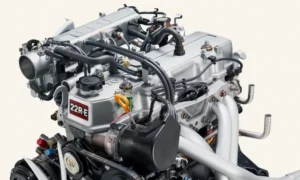
The 2.2L 4-cylinder engines commonly develop oil pump gasket leaks around 200,000 miles. At this age and mileage, you’re looking at cost-benefit decisions for every repair.
These older Camrys can still be reliable if maintained, but expect regular seal and gasket replacements as normal maintenance.
How to Find Your Toyota Camry Oil Leak
Start with the Obvious
Check your oil level first using the dipstick. Look for visible oil spots under your car after it’s been parked overnight. Inspect your oil filter and drain plug to make sure they’re properly installed – sometimes the simplest explanation is correct.
Take a flashlight and examine the valve cover gasket for visible wear or oil residue. Check seals around the crankshaft, camshaft, and oil pump area.
Advanced Detective Work
For sneaky leaks that are hard to locate, try this professional trick: clean your engine thoroughly with degreaser, add UV dye to your oil, drive for about 20 miles, then use an ultraviolet light to pinpoint exactly where oil is escaping.
Most auto parts stores sell UV dye kits for under $20. It’s worth the investment to avoid paying a shop for diagnostic time.
Toyota Camry Oil Leak Repair Costs
| Repair Type | Cost Range | Difficulty Level | Time Required |
|---|---|---|---|
| Valve Cover Gasket | $231-$633 | Easy | 2-4 hours |
| Oil Pan Gasket | $350-$800 | Moderate | 4-6 hours |
| Timing Cover | $1,300-$3,500 | Hard | 8-12 hours |
| Oil Pump Seal | $400-$1,200 | Hard | 6-10 hours |
| Rear Main Seal | $1,000-$2,000 | Very Hard | 10-15 hours |
Smart Prevention Strategies
Ditch the 10,000-Mile Oil Changes
Toyota recommends 10,000-mile oil change intervals, but that’s too long for real-world driving. Stick to 3,000-5,000 mile intervals to keep gaskets and seals happy. Fresh oil is cheaper than engine repairs.
Severe driving conditions (which include most daily driving) require more frequent changes. Don’t let marketing departments dictate your maintenance schedule.
Use Quality Parts
When replacing gaskets and seals, insist on Toyota OEM parts or high-quality aftermarket equivalents. Some repairs require Toyota’s specific Form-In-Place Gasket (FIPG) sealant rather than traditional gaskets.
Cheap parts are expensive when they fail prematurely. Spend the extra money upfront to avoid repeating repairs.
Catch Problems Early
Address small leaks before they become big problems. A minor seep might be manageable for months, but ignoring significant leaks leads to expensive engine damage.
Monitor your oil level weekly if you’ve got any leak. Running low on oil will destroy your engine faster than you’d believe possible.
DIY vs. Professional Repair Decisions
What You Can Handle
Valve cover gasket replacement is doable for mechanically inclined owners with basic tools. The job typically involves removing plastic covers, disconnecting a few components, and replacing a simple gasket.
YouTube has excellent step-by-step videos for most Camry models. Take your time and don’t rush the job.
What Requires Professional Help
Timing cover repairs and rear main seal replacement need professional expertise. These jobs require special tools, precise procedures, and experience to avoid costly mistakes.
The risk of additional damage far outweighs any potential savings from DIY attempts on complex repairs.
Getting Fair Pricing
Always get quotes from multiple shops, especially for expensive repairs. Independent shops often offer more competitive pricing than dealerships while providing equal quality work.
Don’t automatically assume the dealership provides better service. Many independent mechanics specialize in Toyota repairs and know these common issues inside and out.
Making Smart Repair Decisions
Consider Your Car’s Value
Before authorizing expensive repairs like timing cover or rear main seal replacement, honestly assess your Camry’s current value and overall condition. Sometimes putting $2,000 into a $3,000 car doesn’t make financial sense.
Get a realistic estimate of your car’s worth from sources like KBB or Edmunds before making major repair decisions.
Prioritize Safety-Critical Repairs
Small oil leaks aren’t emergencies, but large leaks can leave you stranded or cause engine damage. Focus on repairs that affect safety and reliability first.
A minor valve cover gasket leak can wait; a major oil pan leak cannot.
Bundle Related Repairs
If your mechanic’s already removing major components for one repair, consider addressing other issues while everything’s apart. Labor overlap can save significant money on related repairs.
Ask what else they recommend checking while they’ve got your engine partially disassembled.
Your Toyota Camry oil leak doesn’t have to become a financial disaster. Understanding common problem areas, getting accurate diagnoses, and making informed repair decisions will keep your Camry running reliably for years to come. Most leaks are manageable with proper attention and reasonable repair budgets.