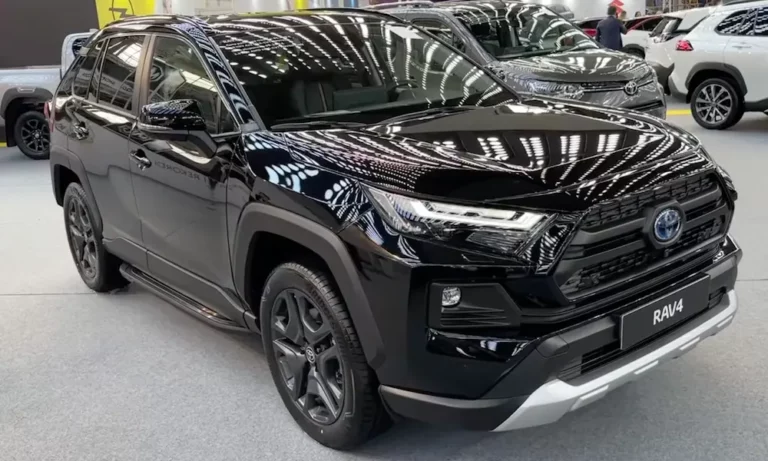
Your RAV4 won’t start, and you’re already late for work. We get it – there’s never a good time for car trouble. The good news? Many no-start issues can be diagnosed and sometimes fixed without calling a tow truck. This guide walks you through the most common reasons your Toyota RAV4 isn’t starting and what you can do about it.
What Happens When You Turn the Key?
Before diving into solutions, identify exactly what’s happening when you try to start your RAV4:
- Is it completely dead (no lights, no sounds)?
- Do you hear clicking sounds?
- Does the engine turn over but not start?
- Are dashboard warning lights illuminated?
Your RAV4’s symptoms point directly to specific problems. Let’s troubleshoot based on what you’re experiencing.
Dead Battery: The #1 Cause of RAV4 Starting Problems
A weak or dead battery is the most common reason a Toyota RAV4 won’t start. Modern RAV4s are packed with electronics that can drain your battery faster than you might expect.
Signs Your RAV4’s Battery is the Problem:
- Dim headlights or interior lights
- Rapid clicking sound when you turn the key
- Electrical components work weakly or not at all
- Battery is more than 4 years old
How to Check Your RAV4’s Battery:
- Look for corrosion on the terminals (white, green, or blue powdery substance)
- Ensure connections are tight and clean
- Check battery voltage with a multimeter (should read at least 12.4V)
If your battery voltage is too low, you’ll need to jump-start your RAV4 or replace the battery. Most RAV4 batteries last 3-5 years, so if yours is older, replacement might be the best option.
Starter Motor Issues: When You Hear a Single Click
If you turn the key and hear a single click but nothing else happens, your starter motor could be failing.
How to Identify a Starter Problem:
- Single loud click when turning the key
- Interior lights work normally
- Battery tests good but engine won’t crank
The starter motor in your RAV4 is responsible for physically turning the engine when you start your car. When it fails, your engine won’t crank even with a perfectly good battery.
You can test for a bad starter by:
- Checking the starter connections for corrosion or looseness
- Tapping the starter motor (sometimes works temporarily with a failing starter)
- Testing voltage at the starter while someone turns the key
Faulty Alternator: It Starts Then Dies
Sometimes your RAV4 might start but then immediately die, or it won’t restart after running for a while. This could indicate an alternator problem.
The alternator recharges your battery while the engine runs. A failing alternator won’t keep your battery charged, leading to starting problems.
Signs of Alternator Failure:
- Battery warning light on dashboard
- Headlights dim while idling but brighten when revving
- Multiple electrical issues while running
- Battery dies despite being new or recently charged
If you suspect alternator issues, have it tested at an auto parts store or by a mechanic. Replacing an alternator typically costs $400-800 depending on your RAV4’s year.
Fuel System Problems: Cranks But Won’t Start
If your engine turns over normally but won’t fire up, you might have a fuel delivery issue.
Common RAV4 Fuel System Issues:
- Clogged fuel filter
- Failed fuel pump
- Faulty fuel pressure regulator
- Dirty fuel injectors
When you turn your key to the “ON” position (before cranking), listen for a brief humming sound from the rear of the vehicle. This is your fuel pump priming the system. No hum could mean a bad pump or blown fuse.
Check your RAV4’s fuel pump fuse and relay first—it’s the easier fix. The fuel pump relay is located in the engine compartment fuse box.
Ignition System: No Spark, No Start
If fuel is reaching your engine but there’s no spark to ignite it, your RAV4 won’t start. Common ignition system failures include:
- Bad spark plugs
- Failed ignition coils
- Faulty crankshaft position sensor
- Broken ignition switch
Spark plugs in the RAV4 typically last 60,000-100,000 miles. If yours are old or fouled, they might not produce adequate spark for combustion.
To check for spark:
- Remove a spark plug
- Connect it to its ignition coil
- Ground the plug against the engine
- Have someone crank the engine
- Look for a blue spark
No spark indicates an ignition system problem that will require further diagnosis.
Smart Key and Immobilizer Issues in Modern RAV4s
Newer RAV4 models use smart key technology with built-in security features that can sometimes prevent starting.
Toyota RAV4 Smart Key Problems:
- Dead battery in the key fob
- Key not detected inside vehicle
- Immobilizer system activated
- System needs resetting
If your dashboard shows a security light (usually a key symbol) that stays on or flashes when trying to start, your RAV4’s immobilizer system may be preventing the start.
Try these fixes:
- Replace the key fob battery
- Hold the key fob directly against the start button while pressing (on push-button models)
- Use your spare key to rule out a faulty primary key
For persistent immobilizer issues, you might need to visit a Toyota dealer for key reprogramming.
Engine Sensor Failures
Modern RAV4s rely on numerous sensors to run properly. A malfunctioning sensor can prevent starting or cause stalling.
Critical Sensors That Affect Starting:
- Crankshaft position sensor
- Camshaft position sensor
- Mass airflow sensor
- Throttle position sensor
When these sensors fail, they often trigger a check engine light. Connect an OBD-II scanner to retrieve any stored trouble codes. These codes can pinpoint exactly which sensor is causing your starting issue.
Starting Problem Diagnosis Table
| Symptom | Likely Causes | First Steps to Take |
|---|---|---|
| No lights, no sound | Dead battery, main fuse blown | Check battery voltage, inspect main fuse |
| Clicking sound | Weak battery, bad starter, loose connections | Test battery, clean connections, tap starter |
| Engine cranks but won’t start | Fuel issues, spark issues, immobilizer | Check for fuel pump hum, test for spark |
| Engine starts then dies | Alternator failure, fuel pressure, sensor issues | Test charging system, check fuel pressure |
| Dashboard security light on | Immobilizer, key problem | Replace key battery, try spare key |
How Weather Affects Your RAV4’s Starting System
Extreme temperatures can make starting problems more likely in your Toyota RAV4.
Cold Weather Starting Issues:
- Battery performance drops significantly below freezing
- Oil thickens, making the engine harder to turn
- Moisture in fuel lines can freeze
- Sensors may respond more slowly
Hot Weather Starting Issues:
- Battery fluid can evaporate more quickly
- Fuel may vaporize in lines (vapor lock)
- Electronics more prone to failure
In cold climates, consider a battery with higher Cold Cranking Amps (CCA) rating. Most RAV4s come with batteries rated around 600 CCA, but upgrading to 700+ CCA can improve winter starting reliability.
Preventative Maintenance to Avoid Starting Problems
The best way to avoid Toyota RAV4 starting problems is through regular maintenance:
- Replace your battery every 4-5 years, even if it seems fine
- Have your charging system tested annually
- Change fuel filters according to schedule (typically every 30,000 miles)
- Replace spark plugs at recommended intervals
- Keep your fuel tank at least quarter full to prevent fuel pump overheating
According to Toyota service bulletins filed with NHTSA, some RAV4 models have had specific starting issues that dealers can address with updates or component replacements.
Electrical System Troubleshooting
If you’ve checked the obvious causes and your RAV4 still won’t start, electrical problems could be the culprit.
Key Electrical Components to Check:
- Main fuse box (under hood)
- Ignition fuse
- Starter relay
- Battery cables and grounds
- Ignition switch
Electrical problems can be tricky because they might be intermittent. Check for loose ground connections, as they’re often overlooked and can cause mysterious starting issues.
Testing Your RAV4’s Electrical System:
- Use a voltmeter to check battery voltage (12.4-12.7V when off, 13.7-14.7V when running)
- Perform a voltage drop test across battery cables
- Check fuses with a test light or multimeter
- Inspect all ground straps for corrosion or damage
Poor electrical connections can mimic many other problems, so thorough testing is important.
Hybrid RAV4 Starting Issues
If you own a RAV4 Hybrid, you may experience unique starting problems:
- 12V battery issues (separate from the hybrid battery)
- Hybrid system warnings
- Power distribution problems
Hybrid RAV4s have more complex starting systems that integrate the gasoline engine with electric motors. When your hybrid RAV4 won’t start, first check the 12V auxiliary battery, as it powers the computers that control the hybrid system.
If you see a “Check Hybrid System” warning, your vehicle will need to be diagnosed with Toyota-specific equipment. These problems typically require dealer service.
For regular hybrid cranking problems, the auxiliary battery is still the most likely culprit.
When Your RAV4 Starts Occasionally But Not Reliably
Intermittent starting problems can be the most frustrating to diagnose. If your RAV4 starts sometimes but not others, consider these possibilities:
- Temperature-related issues (works when cold but not hot, or vice versa)
- Loose electrical connections that make/break contact
- Starter heat soak (works when cool, fails when hot)
- Ignition switch wearing out
- Fuel pump beginning to fail
- Crank or cam sensor failing intermittently
Keep a log of when the car fails to start, noting the temperature, time of day, and how long since it was last running. These patterns can help identify the underlying problem.
DIY Starting System Tests
Here are some tests you can perform yourself:
Battery Load Test:
- Turn headlights on for 2 minutes
- Without turning off lights, try to start the engine
- If lights dim dramatically and engine cranks slowly, battery is weak
Fuel Pressure Test:
- Locate the fuel pressure test port on the fuel rail
- Connect a fuel pressure gauge
- Turn key to ON position (don’t start)
- Pressure should build and hold to specifications (typically 45-60 PSI for RAV4)
Starter Current Draw Test:
- Set multimeter to highest amp setting
- Connect in series with starter cable
- Measure current while cranking
- Compare to specifications (typically 150-250 amps)
These tests can help narrow down the cause before you start replacing parts unnecessarily.
By systematically working through these potential issues, you’ll be able to identify why your Toyota RAV4 isn’t starting and take the appropriate steps to get back on the road.