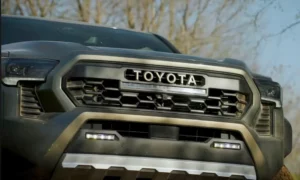
Is your Toyota Tundra at risk of a dangerous backup light failure? Toyota recently announced a major recall affecting hundreds of thousands of trucks due to a potentially hazardous defect in the reverse lighting system. If you own a 2022-2025 Tundra or Tundra Hybrid, you’ll want to know exactly what’s happening, why it matters, and what steps to take right away to protect yourself and others.
The Scope of the Toyota Tundra Backup Lights Recall
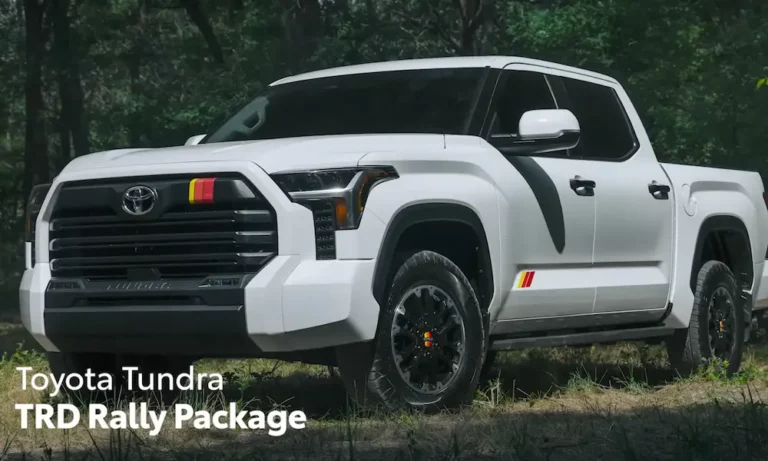
Toyota has initiated a safety recall for 443,444 Tundra and Tundra Hybrid pickup trucks manufactured between 2022 and 2025. This recall specifically targets a critical defect in the reverse light assemblies that could leave you driving in the dark—literally.
Which Toyota Trucks Are Affected?
The National Highway Traffic Safety Administration (NHTSA) officially announced recall 25V322 on May 21, 2025, covering:
- 2022–2025 Tundra gasoline models built between May 10, 2021, and March 26, 2025
- 2022–2025 Tundra Hybrid models manufactured from June 30, 2021, to March 20, 2025
All affected vehicles were assembled at Toyota’s San Antonio, Texas plant. While Toyota estimates only about 1% of these trucks currently show the defect, all recalled vehicles could potentially develop the issue over time.
How Toyota Discovered the Problem
Toyota’s quality team identified this safety concern during routine warranty claim analysis in early 2025. They noticed clusters of reverse light malfunction reports with a common thread: moisture-related corrosion. After thorough engineering investigations, Toyota confirmed the failure mode and notified NHTSA by mid-May 2025.
The Technical Problem Behind the Recall
Understanding the technical nature of this defect helps explain why Toyota considers it serious enough for a full recall campaign.
The Vent Patch Design Flaw
The root cause lies in a seemingly minor component: the multi-layer vent patch in the reverse light assemblies. This patch is designed to:
- Allow pressure equalization inside the light housing
- Prevent water intrusion that could damage electrical components
Unfortunately, the adhesive used to bond these layers degrades under repeated temperature changes. As the adhesive weakens, micro-fissures form, allowing moisture to seep into the light housing.
What Happens When Water Gets In
Once moisture infiltrates the light assembly, a damaging chain reaction begins:
- Water contacts the internal circuit board and electrical connections
- Corrosion forms on copper traces, connector pins, and wire terminals
- Electrical continuity fails
- One or both reverse lights stop functioning
This problem is particularly severe in regions with:
- Extreme temperature fluctuations
- High humidity
- Road salt use during winter months
Laboratory tests show that temperature changes as small as 40°F can accelerate the adhesive failure, with complete vent patch separation possible after just 18-24 months of regular use.
Why This Toyota Tundra Backup Lights Recall Matters for Safety
The failure of reverse lights creates serious safety hazards that affect both drivers and those around them.
Reduced Driver Visibility
When functioning properly, reverse lights illuminate approximately 20 feet behind your truck, providing crucial visibility when backing up in:
- Darkness
- Parking garages
- Dimly lit driveways
- Rural areas without street lighting
Without working reverse lights, drivers must rely solely on backup cameras, which have limitations:
- Limited depth perception
- Reduced effectiveness in low-light conditions
- Potential for dirt or moisture to obscure the camera view
NHTSA data suggests vehicles with non-functioning reverse lights but operational backup cameras still experience a 17% higher rate of low-speed collisions compared to vehicles with fully functional lighting systems.
Increased Risk to Pedestrians and Other Vehicles
Reverse lights serve a dual purpose:
- Improving the driver’s visibility
- Alerting others that a vehicle is about to or is moving backward
When reverse lights fail, pedestrians (especially children) and other drivers lose this critical visual warning. A 2024 Insurance Institute for Highway Safety (IIHS) study found that non-illuminated reverse lights increase pedestrian strike risk by 34% in busy parking areas.
| Reverse Light Status | Pedestrian Detection Distance | Average Reaction Time | Collision Risk Increase |
|---|---|---|---|
| Functioning | 45 feet | 1.2 seconds | Baseline |
| Failed | 28 feet | 2.5 seconds | 34% higher |
Toyota’s Fix for the Backup Lights Recall
Toyota has developed a comprehensive remediation plan to address this safety issue.
The Repair Process
If your truck is affected, authorized Toyota dealers will:
- Replace both reverse lamp assemblies with redesigned units featuring:
- Solvent-welded vent patches (instead of adhesive)
- Conformal-coated PCBs for moisture protection
- Inspect your truck’s wiring harness for corrosion damage
- If corrosion has spread beyond the light connector, they’ll repair the harness
- Repairs include applying dielectric grease and using crimp-sealed splices
- Perform all work at no cost to you, regardless of warranty status
Toyota will also reimburse owners who previously paid for repairs related to this issue through their General Reimbursement Plan.
When Will You Be Notified?
Toyota’s notification timeline:
- First owner notification letters: Mailed by June 30, 2025
- Dealerships must complete repairs under recall codes 24TB06 (gasoline) and 24TA06 (hybrid) by July 14, 2025
Toyota will continue reporting completion rates to NHTSA quarterly through 2028 to ensure all affected vehicles receive the necessary repairs.
How to Check If Your Toyota Tundra Is Affected
Don’t wait for a notification letter if you own a 2022-2025 Tundra. Here’s how to verify your truck’s recall status immediately:
Verify Your Truck’s Recall Status
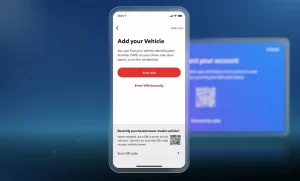
- Visit Toyota’s official recall website and enter your VIN
- Your VIN is located on your registration, insurance card, or visible through the windshield on the driver’s side dashboard
- Contact your local Toyota dealership directly with your VIN
- Check the NHTSA’s recall database for the most current information
How to Identify If Your Lights Are Already Failing
Even if your reverse lights appear to work now, inspect them for early warning signs:
- Moisture or condensation visible inside the light housing
- Dimmer than normal illumination when backing up
- Flickering or intermittent operation
- One light works while the other doesn’t
If you notice any of these symptoms, schedule service immediately rather than waiting for your official recall notice.
Impact on Toyota’s Reputation
This recall represents another blow to Toyota’s traditionally strong reliability record, particularly with the third-generation Tundra.
A Pattern of Quality Issues
The 2022 redesign of the Tundra marked a significant departure from previous generations, with this recall being the 11th safety-related action since its launch. Previous issues include:
- 2023: Engine debris recall requiring complete engine replacements in 102,000 trucks
- 2024: Seat belt anchor failure recall affecting 58,000 vehicles
These recurring problems have impacted Toyota’s reputation. Consumer Reports now rates the 2022–2025 Tundra’s predicted reliability at just 2/5, down from 4.5/5 for the previous generation.
Competitive Disadvantage
Toyota’s competitors haven’t hesitated to capitalize on these quality missteps:
- Ford’s marketing now emphasizes their 12,000-mile corrosion testing program for electrical components
- GM highlights their ultrasonic weld inspection systems that might catch similar defects
For a brand built on reliability, these recalls represent a significant challenge to Toyota’s market position in the fiercely competitive full-size truck segment.
What Toyota Tundra Owners Should Do Now
If you own or lease a 2022-2025 Toyota Tundra or Tundra Hybrid, take these steps immediately:
Immediate Actions
- Check your recall status using the methods described above
- Schedule repairs as soon as possible after receiving notification
- Don’t delay, especially if you live in areas with extreme weather
- Prioritize repairs before monsoon or winter seasons in humid/salty regions
- Gather documentation if you’ve already paid for related repairs
- Keep all receipts and repair orders
- Contact Toyota about reimbursement through their General Reimbursement Plan
While Waiting for Repairs
Until your truck is fixed:
- Use extra caution when backing up
- Rely on your backup camera but understand its limitations
- Back up slowly and be especially aware of your surroundings
- Consider having a spotter when backing up in tight or crowded areas
- Inspect your reverse lights regularly
- Check for any signs of moisture inside the housings
- Test functionality each time before backing up
- Look for dimming or inconsistent lighting
- Consider temporary supplemental lighting
- While not a permanent fix, aftermarket auxiliary LED lights can provide additional illumination
- Remember these aren’t connected to your reverse gear and must be manually operated
Long-Term Considerations for Toyota Tundra Owners
Beyond the immediate recall, this situation raises some important considerations for current and prospective Tundra owners.
Extended Warranty Options
Given the multiple recalls affecting the third-generation Tundra, owners might consider:
- Toyota’s extended warranty programs
- Third-party extended warranty coverage specifically covering electrical systems
- Certified pre-owned programs that provide additional warranty protection
Preventive Maintenance
To protect against similar issues in the future:
- Perform monthly inspections of all light assemblies for condensation
- Apply dielectric grease to electrical connectors during routine maintenance
- Consider having your dealer perform a comprehensive electrical system inspection annually
For Those Shopping for Used Tundras
If you’re considering purchasing a used 2022-2025 Tundra:
- Verify that all recalls, including this one, have been properly addressed
- Request documentation proving completion of recall work
- Have an independent mechanic inspect all electrical systems before purchase
- Consider the long-term reliability implications when negotiating price