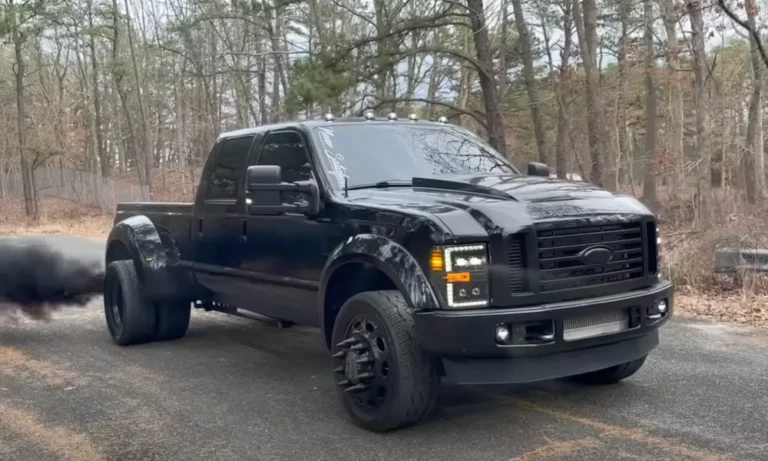
Are you struggling with reliability issues in your 6.0 Powerstroke diesel engine? If you’ve owned one of these trucks for any length of time, you’ve likely heard about EGR delete modifications. This controversial yet popular modification promises improved performance and reliability, but comes with significant legal and practical considerations you need to understand before making any decisions.
What Is an EGR System and Why Does It Cause Problems?
The Exhaust Gas Recirculation (EGR) system on your 6.0 Powerstroke redirects a portion of exhaust gases back into the engine’s intake manifold. Ford designed this system to reduce nitrogen oxide (NOx) emissions by lowering combustion temperatures.
While this helps meet emissions standards, the system creates several headaches for 6.0 Powerstroke owners:
- Carbon buildup clogs the EGR valve and cooler, restricting proper airflow
- EGR cooler failures lead to coolant leaks and potentially catastrophic engine damage
- Higher intake temperatures reduce engine efficiency and power
- Oil contamination occurs faster as soot-laden exhaust enters the system
These issues often trigger check engine lights with codes like P0401 (insufficient EGR flow) or P0402 (excessive flow), creating a frustrating ownership experience for many drivers.
What Exactly Is a 6.0 Powerstroke EGR Delete?
A 6.0 Powerstroke EGR delete involves physically removing or bypassing the factory EGR system components and reprogramming the engine computer to function without them.
A typical EGR delete kit includes:
- Block-off plates for the EGR valve and cooler ports
- A coolant bypass pipe to maintain proper circulation
- Gaskets and hardware for installation
- Optional upgraded intake components
The modification also requires custom tuning to prevent check engine lights and optimize performance without the EGR system active.
The Benefits of EGR Delete on Your 6.0 Powerstroke
Improved Reliability
Removing the EGR system eliminates several of the 6.0 Powerstroke’s most notorious failure points. Diesel mechanics consistently identify the EGR system as a primary culprit behind engine problems.
By deleting the EGR:
- No more cracked EGR coolers causing coolant leaks
- Eliminated risk of hydrostatic lock from coolant entering cylinders
- Reduced stress on head gaskets and oil coolers
- Lower potential for oil contamination
Performance Improvements
Many truck owners report meaningful performance gains after EGR deletion:
- Horsepower increases of 10-20% (depending on additional tuning)
- Sharper throttle response with less turbo lag
- Lower intake temperatures improving combustion efficiency
- Reduced strain on the turbocharger
Better Fuel Economy
Deleting the EGR can improve fuel efficiency in your 6.0 Powerstroke. When combined with proper tuning, owners typically see:
- 1-3 MPG improvements in mixed driving
- More efficient combustion with cleaner intake air
- Better fuel atomization through proper air/fuel mixture
Simplified Maintenance
Without the EGR system, you’ll never need to:
- Clean clogged EGR valves
- Replace failed EGR coolers
- Deal with coolant loss from EGR system leaks
- Replace oil-soaked intake components
The Serious Drawbacks of EGR Delete Modifications
Legal Issues You Can’t Ignore
The most significant concern with an EGR delete is its legality. The EPA is clear that removing emissions equipment violates federal law under the Clean Air Act.
Here’s what you’re risking:
- Federal fines up to $4,819 per violation
- Failed emissions testing in states with inspections
- Potential for EPA enforcement targeting shops and owners
- Inability to register in certain states, particularly California
Recent years have seen increased EPA enforcement actions against both manufacturers and vehicle owners involved with delete kits.
Performance Tradeoffs
While performance generally improves, some negative effects can occur:
- Increased exhaust gas temperatures (EGTs) by 100-200°F
- Potential for engine knocking without proper tuning
- Accelerated wear on exhaust components and turbochargers
- Reduced engine braking effectiveness
Warranty and Resale Considerations
If your truck still has any warranty coverage, an EGR delete will typically:
- Void your powertrain warranty
- Create difficulties with dealer service departments
- Potentially reduce resale value in certain markets
- Require reversal for trade-in at many dealerships
Installation Process: What’s Involved?
Installing an EGR delete kit is a complex procedure requiring significant mechanical skill. Here’s a simplified overview of what happens during installation:
- Drain the cooling system to safely remove EGR components
- Remove intake components including the turbocharger inlet
- Disconnect and remove the EGR valve and cooler
- Install block-off plates with proper gaskets and torque specifications
- Install coolant bypass tube to maintain proper coolant flow
- Reprogram the ECU with custom tuning software
- Test the vehicle for proper operation and leak checking
A professional installation typically takes 6-8 hours, while DIY efforts may require a full weekend due to the tight working conditions and stubborn fasteners.
Tuning Requirements Post-Delete
After physically removing the EGR components, your 6.0 Powerstroke requires ECU recalibration to function properly. Without proper tuning, you’ll experience:
- Persistent check engine lights
- Possible limp mode or derate conditions
- Suboptimal performance and fuel economy
Tuning options include:
- Plug-and-play tuners like the SCT BDX with pre-programmed delete tunes
- Custom tuning from specialized diesel performance shops
- Remote tuning services where files are updated to your specifications
Many tuners offer multiple profiles (towing, daily driving, performance) that can be switched as needed.
Popular EGR Delete Products for 6.0 Powerstroke
Several manufacturers produce quality EGR delete kits for the 6.0 Powerstroke:
| Brand | Kit Type | Material | Included Components | Price Range |
|---|---|---|---|---|
| Sinister Diesel | Basic Delete | Billet Aluminum | Block-off plates, gaskets | $200-300 |
| Bulletproof Diesel | Complete Kit | Stainless/Aluminum | Block-offs, coolant pipe, hardware | $300-400 |
| XDP | All-in-One | CNC Machined | Full kit with all hardware | $250-350 |
| Rudy’s Diesel | Premium | Aircraft-grade aluminum | Complete with coolant bypass | $300-400 |
For tuning options:
| Tuner | Features | Tunes Included | Approximate Cost |
|---|---|---|---|
| SCT BDX | Touchscreen, cloud updates | 20 custom tunes | $400-500 |
| EZ Lynk | Smartphone interface | Custom tuning ready | $650-750 |
| Bully Dog GT | Gauge display, monitoring | 10 tune options | $350-450 |
| Mini Maxx | Data logging, multiple files | 5 custom tunes | $500-600 |
Legal Alternatives to Consider
If you’re concerned about the legal implications but still want to improve reliability, consider these alternatives to a full EGR delete:
Upgraded EGR Components
Bulletproof Diesel offers an “Un-Delete” kit featuring:
- A stronger, redesigned EGR cooler resistant to cracking
- Upgraded EGR valves with better materials
- Maintained emissions compliance
- Improved reliability without legal concerns
Enhanced Maintenance Schedule
Following a strict maintenance regimen can mitigate many EGR-related issues:
- 5,000-mile oil change intervals using premium diesel oil
- Regular EGR cleaning services every 30,000 miles
- Coolant flush services annually
- Upgraded oil coolers to prevent related failures
EGR Limiters
Some owners install EGR restrictor plates that:
- Allow minimal exhaust flow through the system
- Keep emissions components functional
- Reduce carbon buildup issues
- Maintain compliance while improving reliability
Real-World Performance Data After EGR Delete
Based on comprehensive testing and owner feedback, here’s what you might expect after performing an EGR delete on your 6.0 Powerstroke:
| Measurement | Stock | After EGR Delete | % Change |
|---|---|---|---|
| Horsepower | 325 hp | 360-380 hp | +10-15% |
| Torque | 570 lb-ft | 620-650 lb-ft | +9-14% |
| 0-60 mph | 8.2 sec | 7.4-7.7 sec | +6-10% faster |
| Fuel Economy | 14-15 mpg | 16-18 mpg | +10-20% |
| EGT (towing) | 1100-1200°F | 1200-1400°F | +100-200°F |
| Intake Temp | 180-200°F | 120-140°F | -30-40% |
These figures vary based on other modifications, tuning, and driving conditions.
Emissions Impact: What You’re Changing
When you delete your EGR system, here’s how it affects emissions:
- NOx emissions increase by approximately 40-50%
- Particulate matter (PM) levels remain similar or slightly decrease
- Carbon monoxide (CO) levels typically decrease
- Carbon dioxide (CO2) emissions slightly decrease with improved fuel economy
The primary environmental concern is the increase in NOx, which contributes to smog formation and respiratory health issues. This is why the EPA continues aggressive enforcement against delete devices.
Installation Challenges to Prepare For
If you’re considering a DIY installation, be ready for these common challenges:
- Tight access to EGR components requires removal of numerous parts
- Rusty, seized bolts often require penetrating oil and heat
- Coolant system must be properly bled to prevent overheating
- Specialized tools like torx sockets and crowfoot wrenches are needed
- Without a lift, underhood access is extremely difficult
- Programming equipment requires technical knowledge to use properly
Professional installation typically costs $800-1,200 including parts and labor, which many owners find worthwhile given the complexity.
Long-Term Reliability After EGR Delete
Many owners report significantly improved long-term reliability after EGR deletion:
- Reduced oil contamination extends engine component life
- Lower operating temperatures decrease stress on head gaskets
- Eliminated risk of EGR cooler failures prevents catastrophic engine damage
- Cleaner intake charge improves combustion and reduces carbon buildup
- Less stress on the cooling system improves radiator and water pump longevity
Diesel specialists confirm that properly executed EGR deletes can extend engine life by reducing several critical failure points.
Making Your Decision: Is EGR Delete Right for You?
Despite the performance and reliability benefits, an EGR delete isn’t the right choice for everyone. Consider these factors when making your decision:
- Where you live: States with emissions testing make deletion impractical
- How you use your truck: Off-road or farm use faces less scrutiny
- Your risk tolerance: Federal violations carry significant penalties
- Future plans: If you’ll sell soon, deletion may reduce resale value
- Budget considerations: Complete deletion with professional installation costs $1,500-2,500
- Mechanical skills: DIY installation requires significant expertise
For many owners, upgraded EGR components represent a sensible middle ground between stock unreliability and illegal modifications.
Understanding and Addressing Check Engine Lights
After an EGR delete, you may encounter various check engine codes:
- P0401: Insufficient EGR Flow
- P0402: Excessive EGR Flow
- P0404-P0408: EGR circuit/sensor related codes
These codes appear because the ECU still monitors the now-removed components. Proper tuning must disable these monitoring functions to prevent:
- Persistent warning lights
- Vehicle running in “limp mode”
- Poor performance and fuel economy
- Transmission shift problems
Quality tuning completely eliminates these concerns by disabling the relevant monitoring systems while optimizing performance parameters.
EGR Delete’s Impact on Other Engine Systems
The EGR delete affects more than just emissions. Here’s how it impacts other systems:
Cooling System
- Reduced load on coolant system with one less heat exchanger
- Less risk of coolant contamination in the oil
- Potential for slightly higher engine operating temperatures
Turbocharger
- Cleaner intake air reduces carbon buildup on turbo vanes
- Higher exhaust temperatures increase stress on turbine components
- Improved turbo response through optimized tuning
Fuel System
- Cleaner combustion reduces injector deposits
- Tuning often includes adjusted fuel timing and pressure
- Improved atomization from higher intake air quality
Engine Oil System
- Reduced contamination extends oil change intervals
- Less soot accumulation in the crankcase
- Lower oil temperatures improve lubrication quality
Understanding these interconnected effects helps you make an informed decision about the modification.
In the diesel performance world, few modifications generate as much debate as the 6.0 Powerstroke EGR delete. While the reliability and performance benefits are substantial, the legal implications can’t be ignored. For trucks used in competition, off-road, or agricultural applications, the benefits often outweigh the risks. For daily drivers in emissions-tested states, upgrading to better-designed EGR components may be the wiser choice.
Whatever path you choose, proper research, quality components, and professional installation or careful DIY work will help ensure your 6.0 Powerstroke provides years of reliable service.